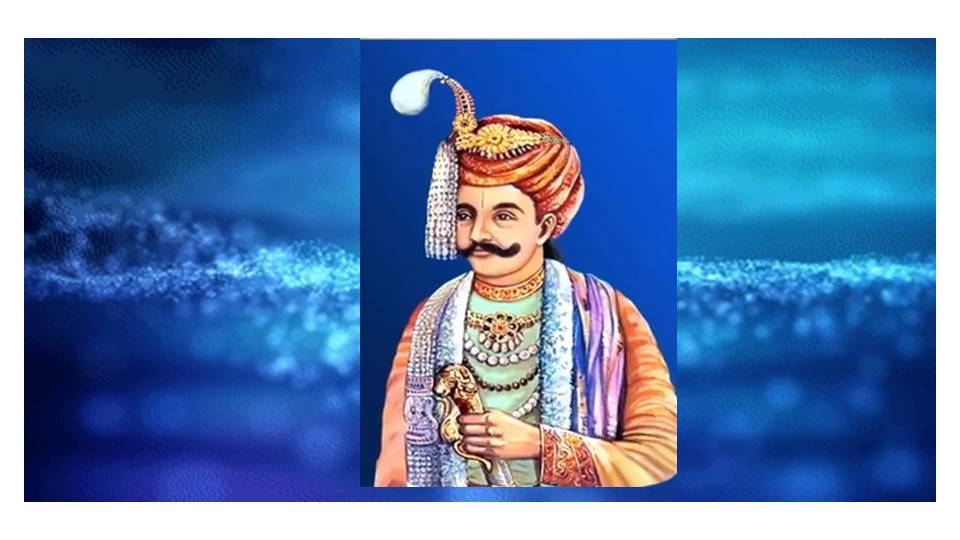
Krishnadevaraya
Krishnadevaraya
The son of Narasanayaka of Tuluvadynasty and his second wife, Nagalambika,Krishnadevaraya was the most famous kingamong the rulers of the Vijayanagar Empire.
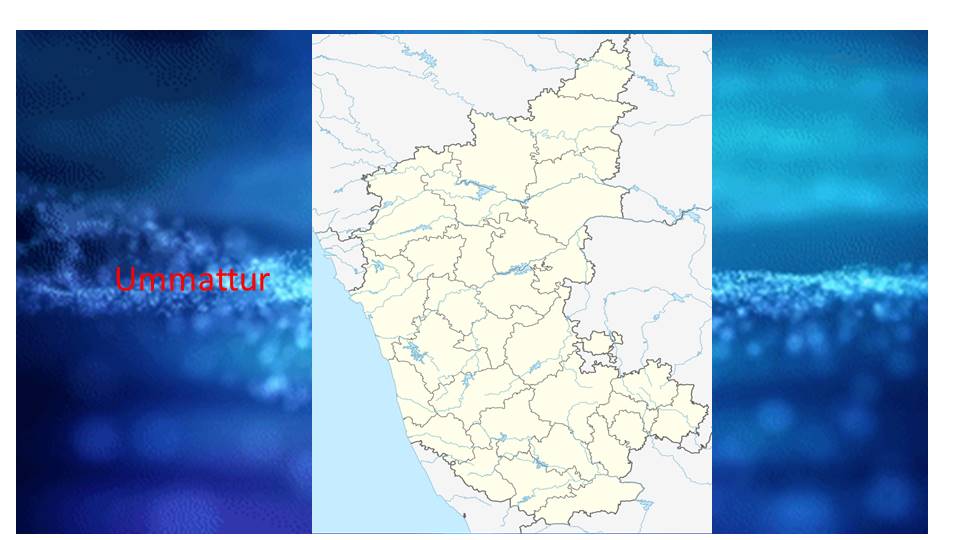
During his rule,theVijayanagar Empire reached the pinnacle of glory in comparison with world-famous rulers like Ashoka,Samudragupta and Harshavardhana. He ruled for 20 years. When he came to power,the kingdom faced various complicatedinternal and external problems. The Europeans who had arrived through new sea-route established their colonies. The Moghuls of the north tried to expand their Empire in the south. The five Shahi kingdoms of the Bahamani dynasty became powerful Sultanates and plunged into wars with Krishnadevaraya. In addition to these, thekings of Ummatthur and Orissa were a constant source of threat.
The military achievements of Krishnadevaraya
As mentioned by Robert Sewell,Krishnadevaraya was an unparalleledwarrior, shrewd commander and political expert. He won all the wars and expanded his empire in the South. He defeated Ummatthur’s Gangaraja and took overthe Shivanasamudra fort from him. Thenhe conquered the Raichur fort. He helped the Portuguese army to conquer Goa from the Bijapur Sultan and established traderelations with them. He attacked the Udayagiri fort. When he attacked it he thought that it was a very strong fort and very difficult to conquer it, but decided to conquer it in a day and conquered it.This shows his determination. He conquered Kalinga’s capital Cuttackand defeated Gajapati Prataparudra. He signed a peace agreement
with him.
Krishnadevaraya defeated Adil Shahi of Vijayapura(Bijapur) andwon the Raichur fort. At the time of attacking the Raichur fort, heencouraged all the soldiers saying: “Everyone has to die one day. Ifyou die in the battlefield, you go to heaven. If you win, you will beblessed. Therefore,everyone of you come and fight with me; don’t becowards.”After occupying Raichur fort, Krishnadevaraya seized Bidar and Kalaburagi (Gulbarga) forts. He defeated the Prime Minister of theBahamani kingdom, Kasim Bareed and freed the Bahamani princehe had imprisoned and coronated the prince on the Bahamani throneat Bidar and earned the title “Yavanarajya Pratisthapanacharya”. Bythe time Krishnadevaraya died, the Vijayanagara empire had spreadover in all directions and was very vast.Krishnadevaraya was not only a skilled warrior but also anable administrator. His Telugu work ‘Amukta Maalyada’ reveals the shrewdness he possessed in matters of state. He provided irrigation facilities for expansion of agriculture.
With the friendship of the Portuguese, he increased foreign trade. He abolished tax on marriages.He was a great patron of art, literature and religions. There were eightTelugu poets known as Ashtha Diggajas in his court. Krishnadevarayawas a poet himself and wrote the play ‘Jambavati Kalyana’ in Sanskrit.Allasani Peddanna, Nandi Timmanna, Durjuti, Tenali Ramakrishnaand others were the Telugu poets in his court.
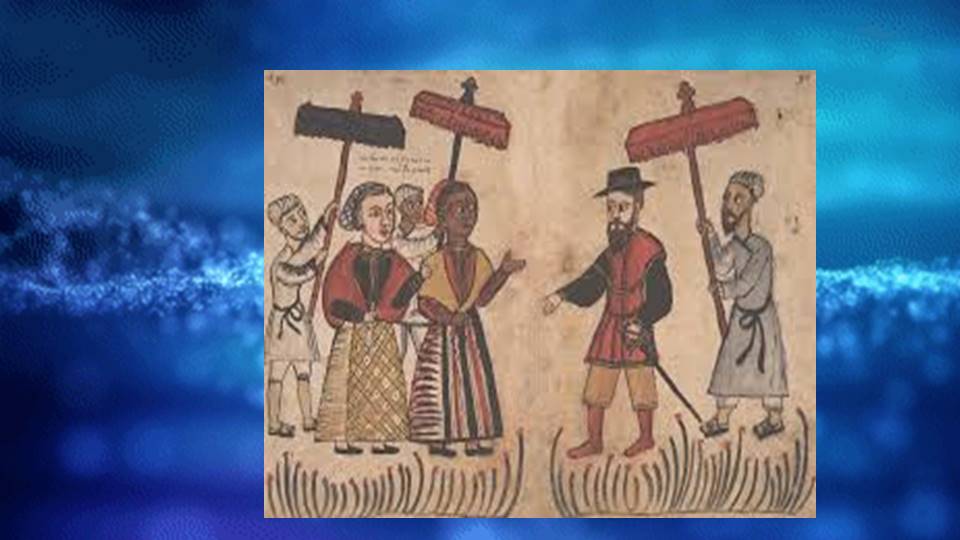
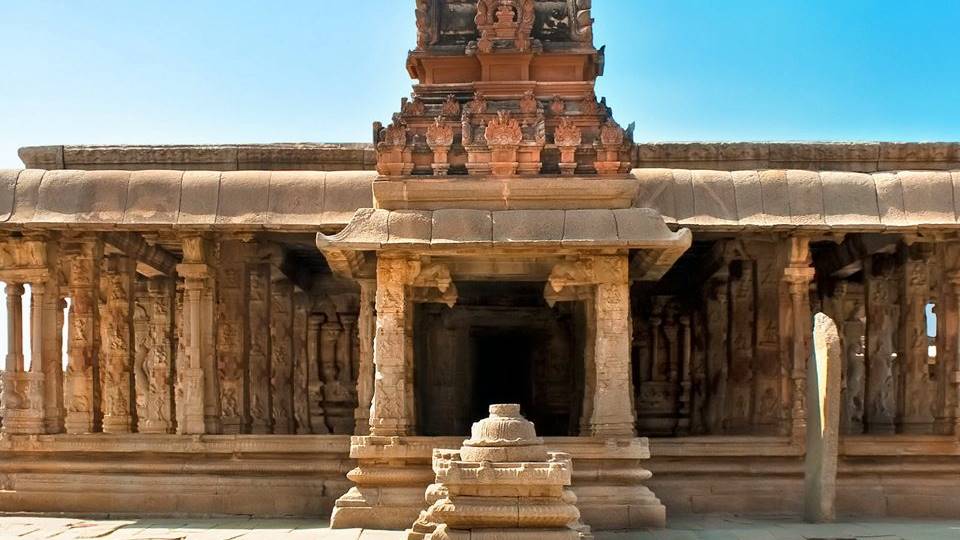
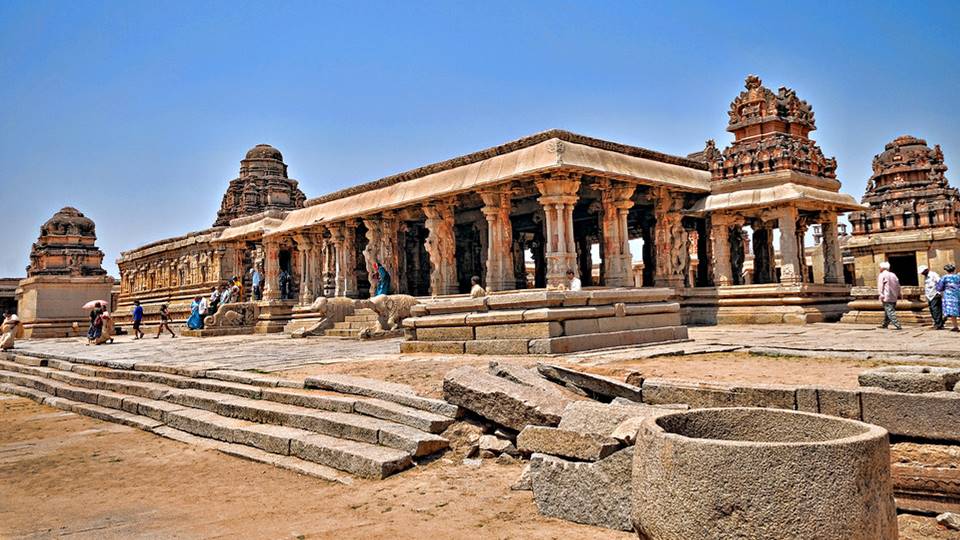
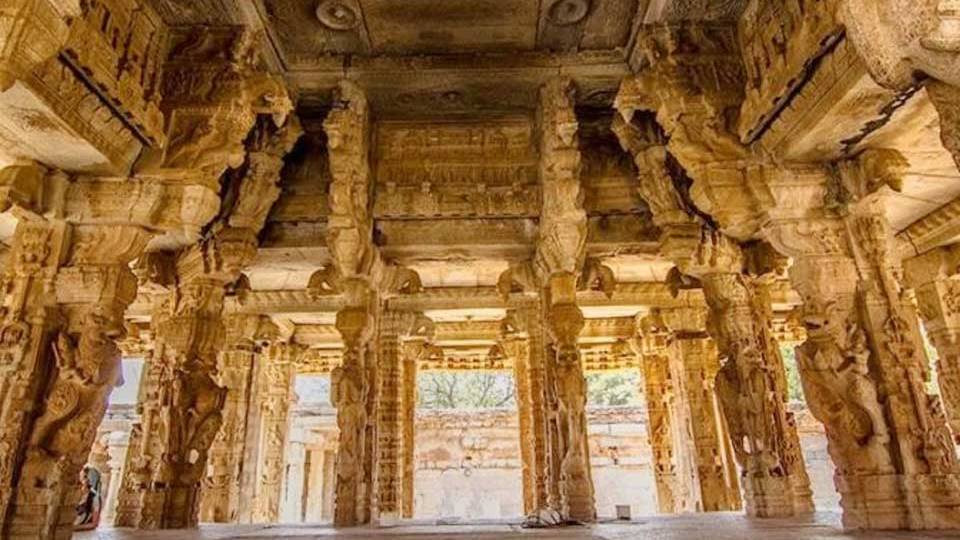
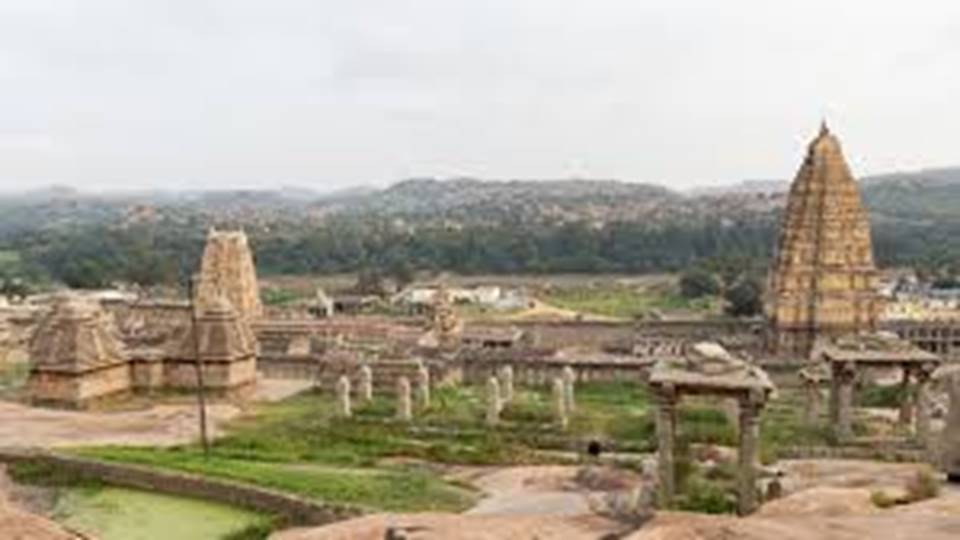
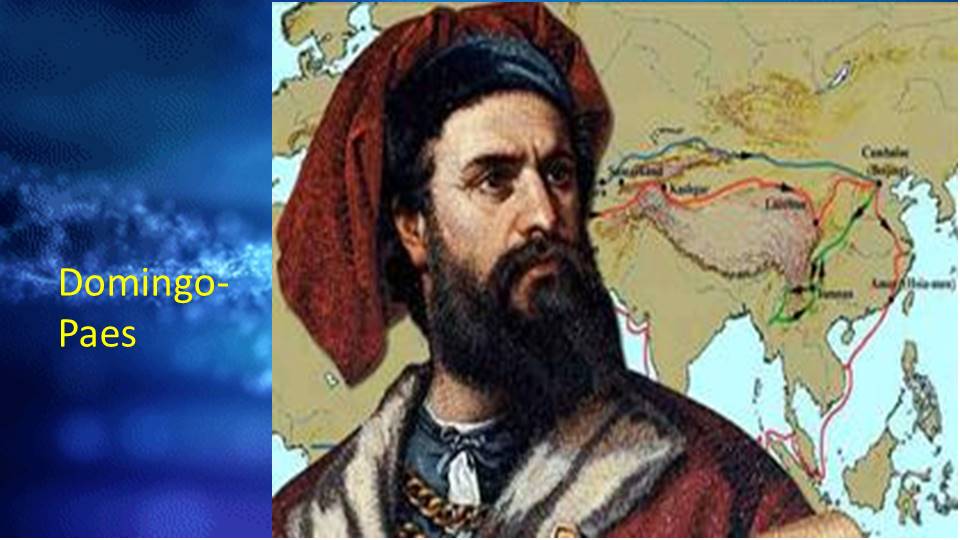
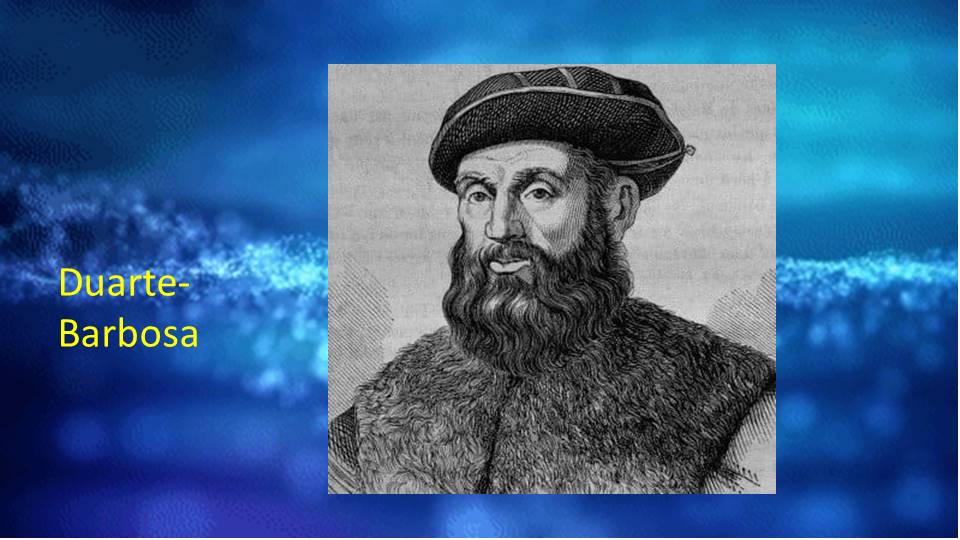
Krishnadevaraya constructed Krishna temple at Hampi.Along with many of the temples, he erected Maharangamantapain Virupaksha temple at Hampi and also many other temples. ThePortuguese travellers, Paes and Barbosa, have applauded the dignity and ability of Krishnadevaraya, during whose time people of allreligions enjoyed religious freedom.
Krishnadevaraya as mentioned by Robert Sewell,Krishnadevaraya was an unparalleled warrior, shrewd commander and political expert. He won all the wars and expanded his empire in the South. The title “Yavanarajya Pratisthapanacharya”
The Europeans founded their colonies after arriving via a new maritime route. In the south, the northern Moguls attempted to extend their empire. As strong Sultanates, the five Shahi kingdoms of the Bahamani dynasty engaged in conflict with Krishnadevaraya. In addition, there was always a threat from the rulers of Orissa and Ummatthur. Krishnadevaraya (1471-1529) was the third ruler of the Tuluva dynasty of the Vijayanagara Empire. He is widely regarded as one of the greatest emperors in Indian history.Krishnadevaraya was born in 1471 to Tuluva Narasa Nayaka, a nobleman in the Vijayanagara Empire. He succeeded his half-brother, Viranarasimha Raya, to the throne in 1509.
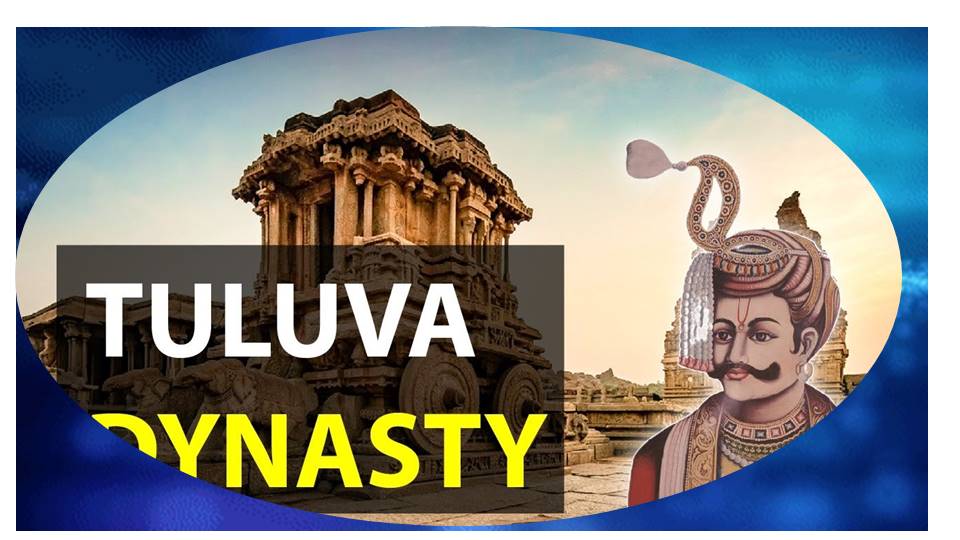
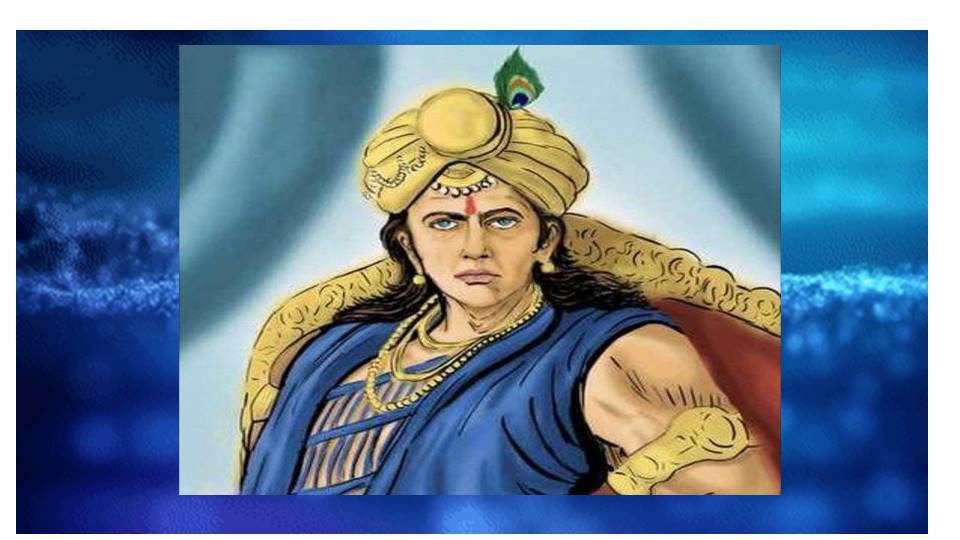

THE KRISHNA DEVARAYA (1509 – 1529)
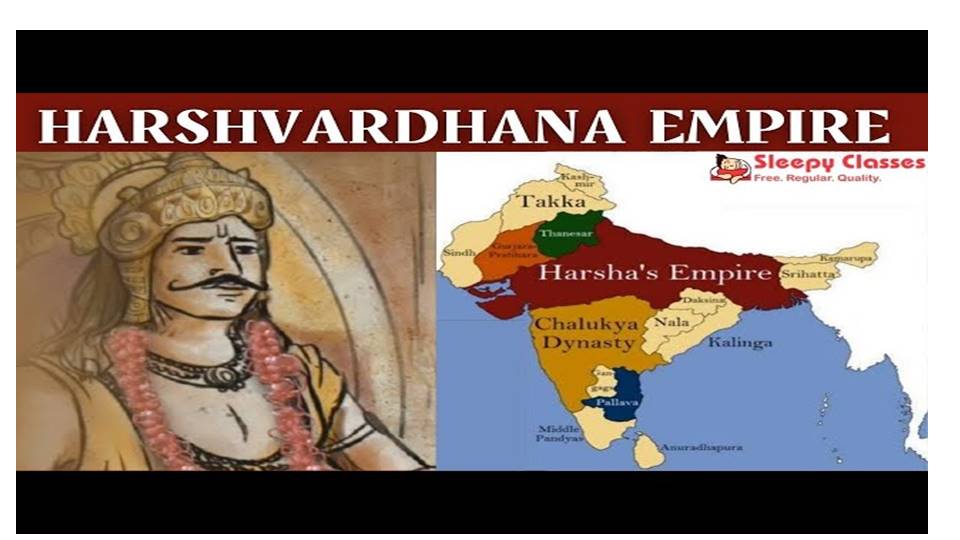
The most well-known king among the Vijayanagara Empire’s monarchs was Krishnadevaya, the son of Narasanayaka of the Tuluva Dynasty and his second wife,Nagalambika. Compared to Ashoka, Samudragupta, and Harshavardhana, the Vijayanagara Empire was at its height of power during his reign. He was in power for 20 years. The kingdom was dealing with a number of complex internal and foreign issues when he took control.

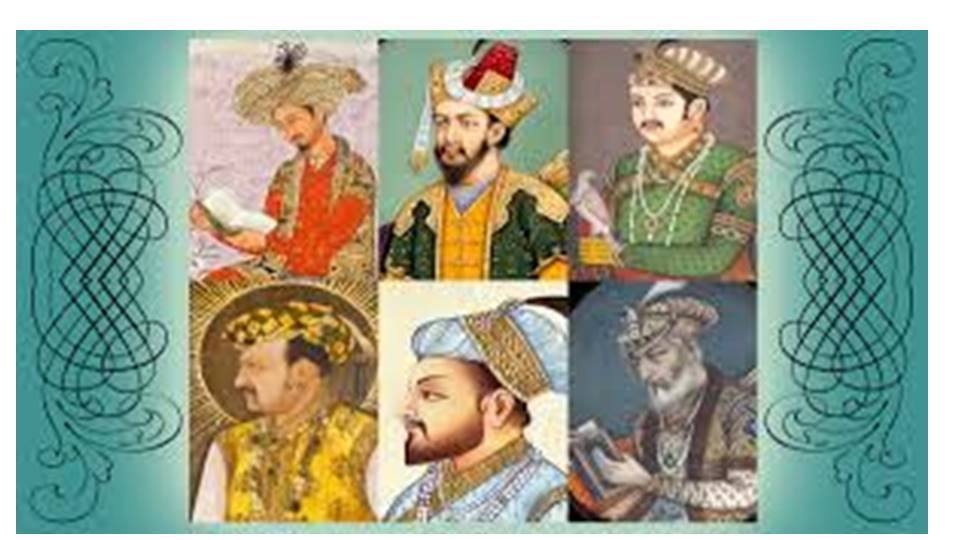
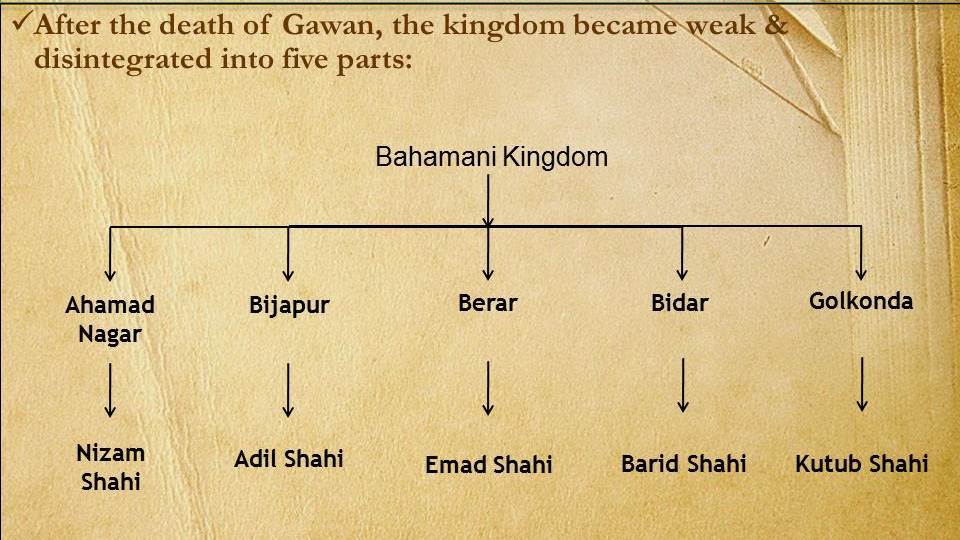
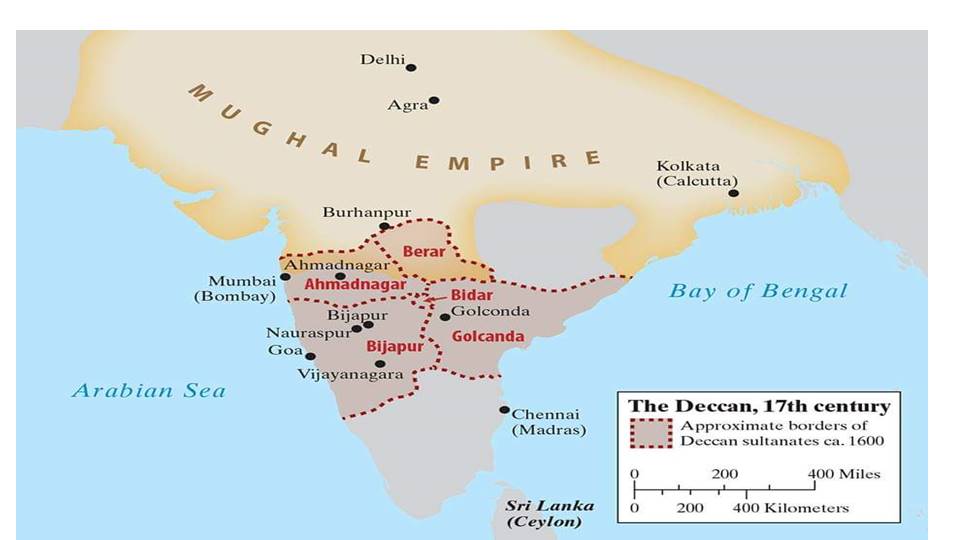
The Europeans founded their colonies after arriving via a new maritime route. In the south, the northern Moguls attempted to extend their empire. As strong Sultanates, the five Shahi kingdoms of the Bahamani dynasty engaged in conflict with Krishnadevaraya. In addition, there was always a threat from the rulers of Orissa and Ummatthur. Krishnadevaraya (1471-1529) was the third ruler of the Tuluva dynasty of the Vijayanagara Empire. He is widely regarded as one of the greatest emperors in Indian history.Krishnadevaraya was born in 1471 to Tuluva Narasa Nayaka, a nobleman in the Vijayanagara Empire. He succeeded his half-brother, Viranarasimha Raya, to the throne in 1509.
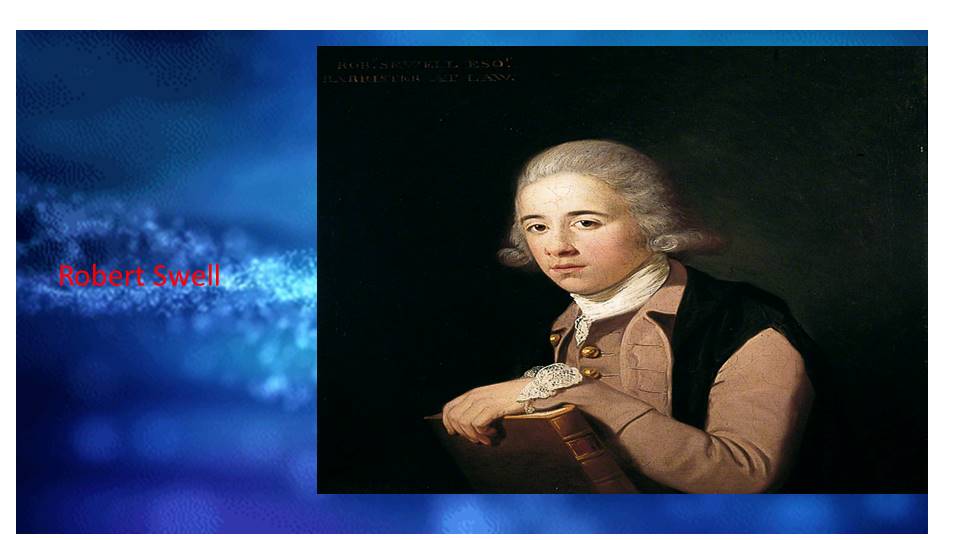
Krishnadevaraya as mentioned by Robert Sewell,Krishnadevaraya was an unparalleled warrior, shrewd commander and political expert. He won all the wars and expanded his empire in the South. The title “Yavanarajya Pratisthapanacharya”
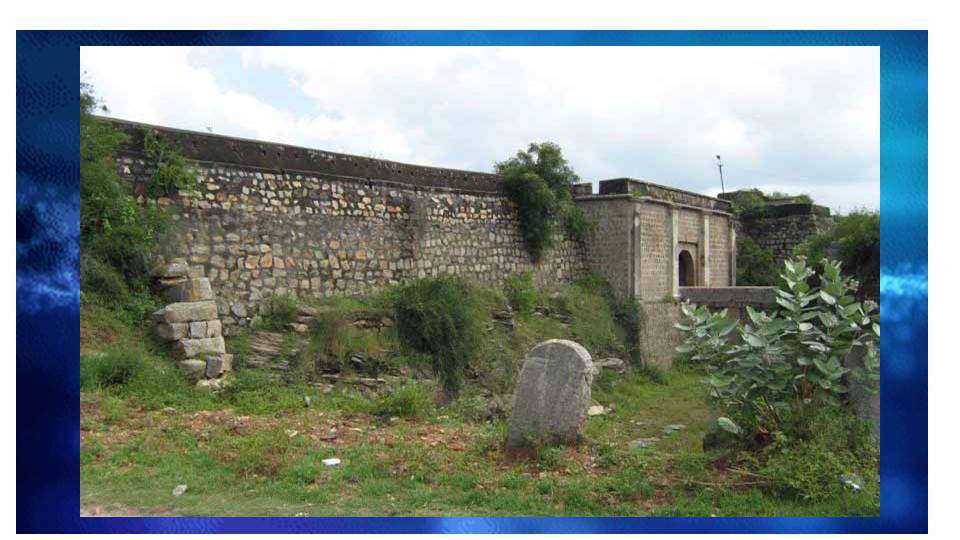
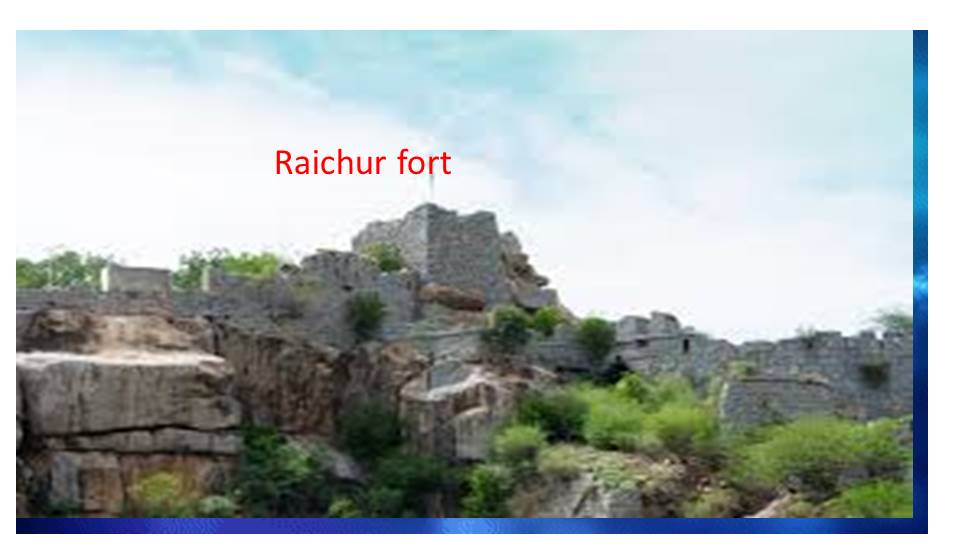
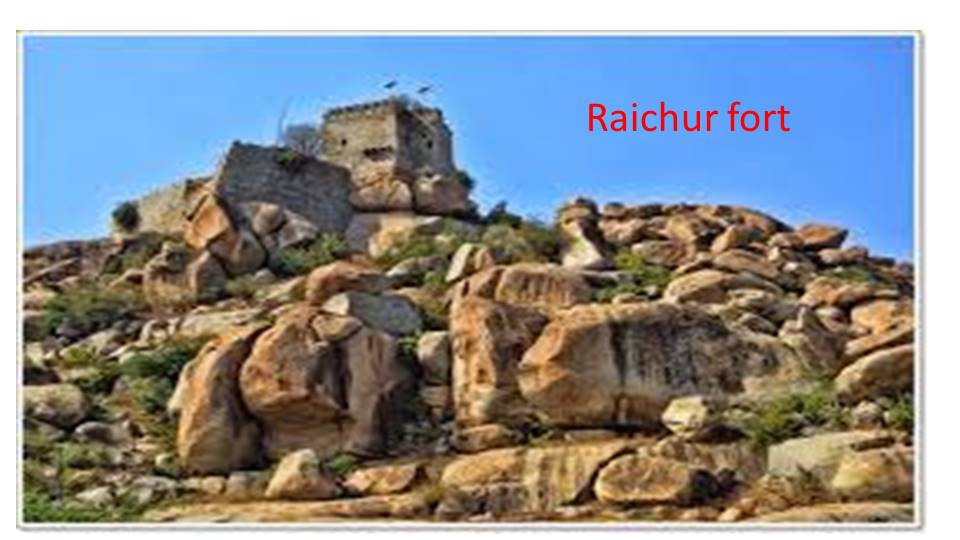
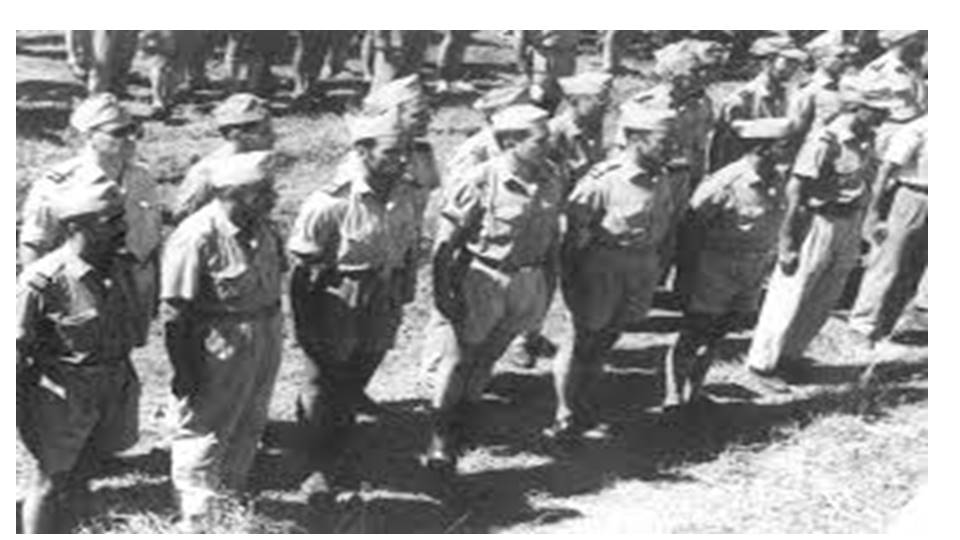
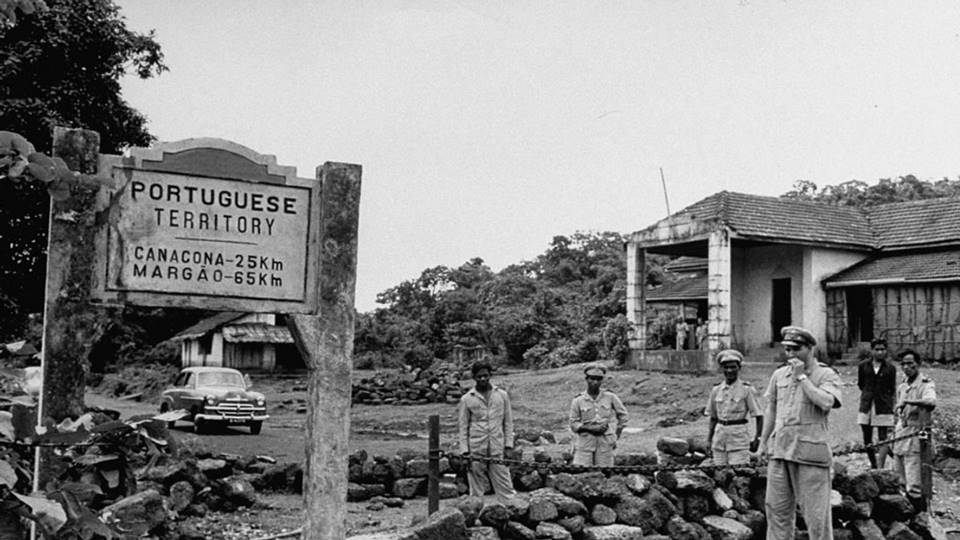

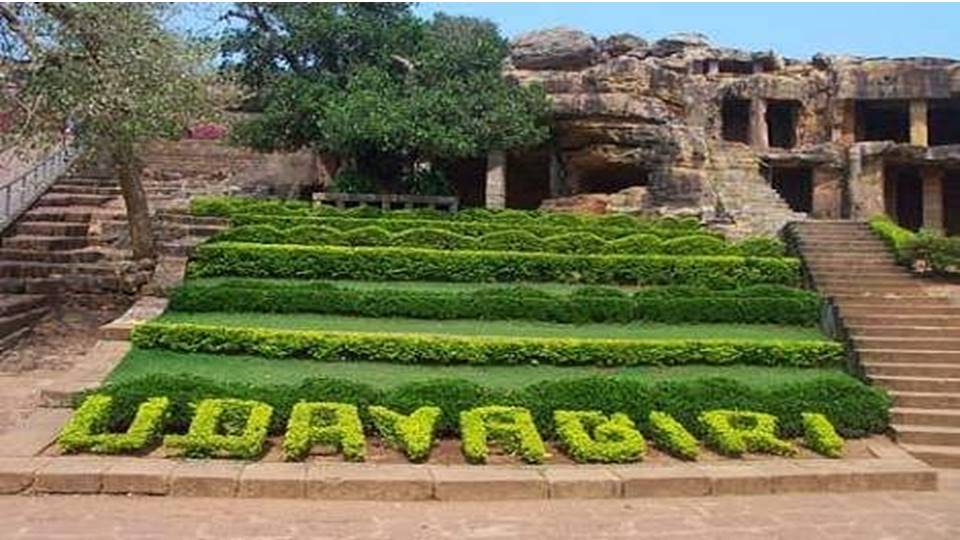
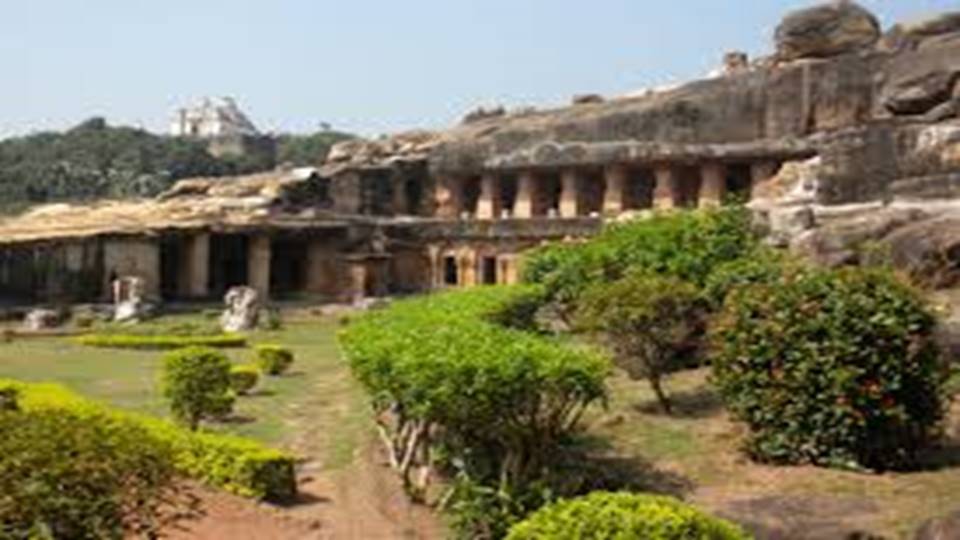
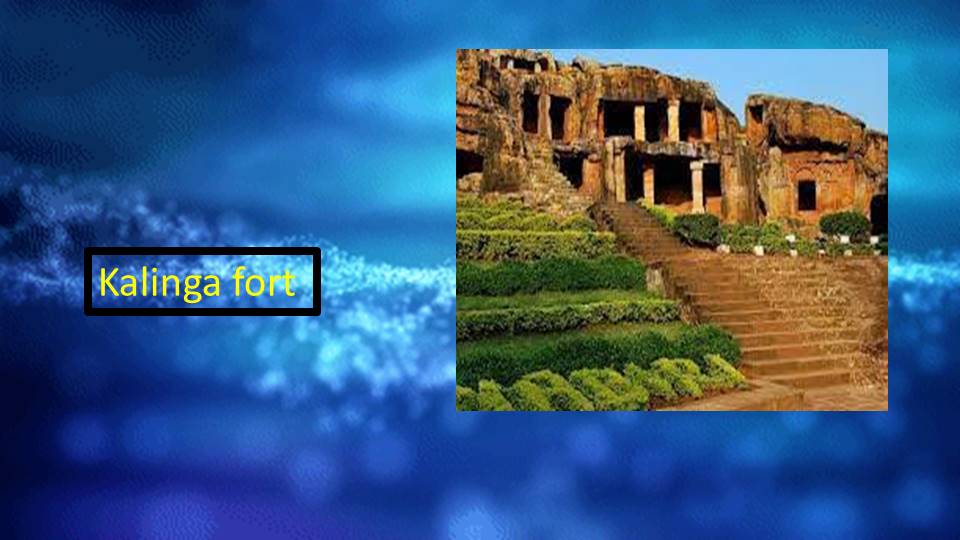
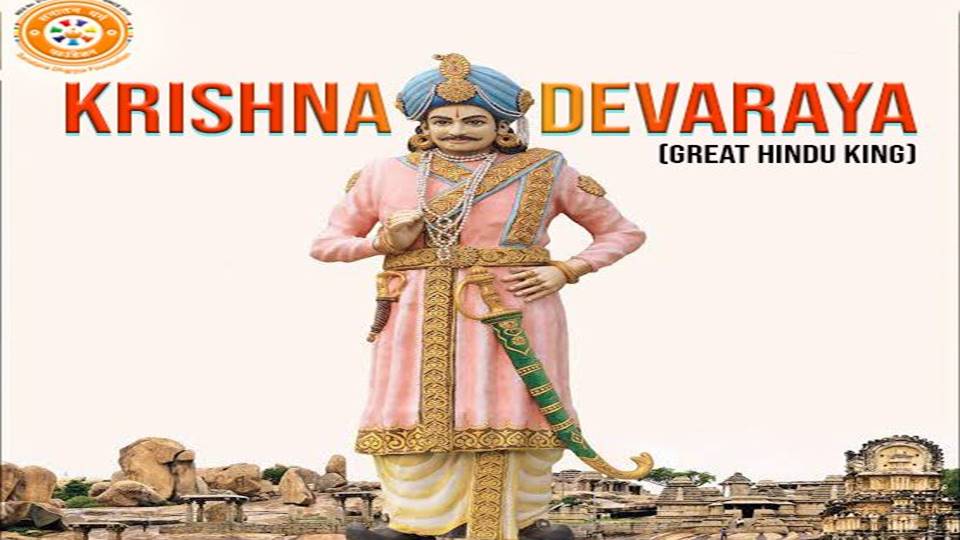
The military achievements of He defeated Ummatthur’sGangaraja and took overthe Shivanasamudra fort from him. Then he conquered the Raichur fort. He helped the Portuguese army to conquer Goa from the Bijapur Sultan and established traderelations with them. He attacked the Udayagiri fort. When he attacked it he thought that it was a very strong fort and very difficult to conquer it, but decided to conquer it in a day and conquered it.This shows his determination. He conquered Kalinga’s capital Cuttackand defeated GajapatiPrataparudra. He signedapeaceagreementwith him. By the time Krishnadevaraya died, the Vijayanagara empire had spread over in all directions and was very vast. Krishnadevaraya was not only a skilled warrior but also enable administrator.
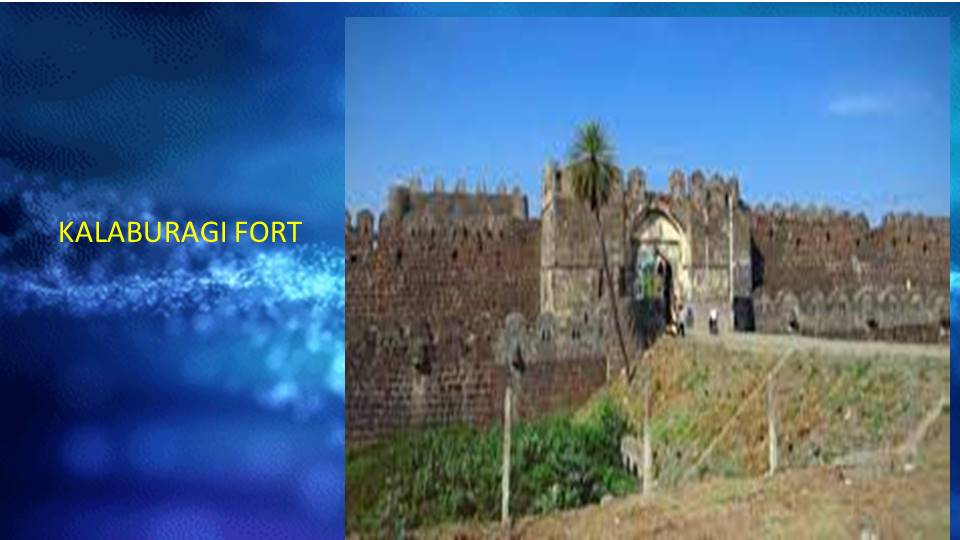
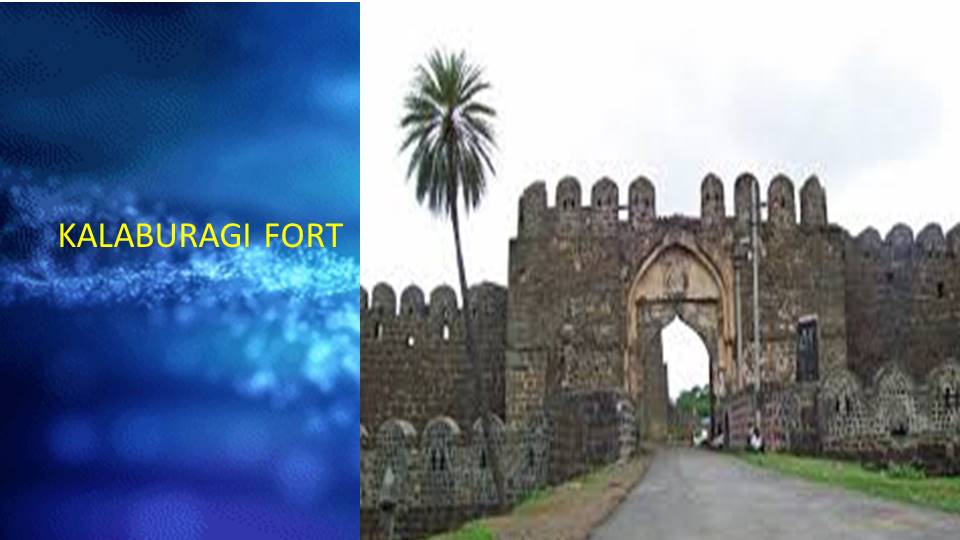
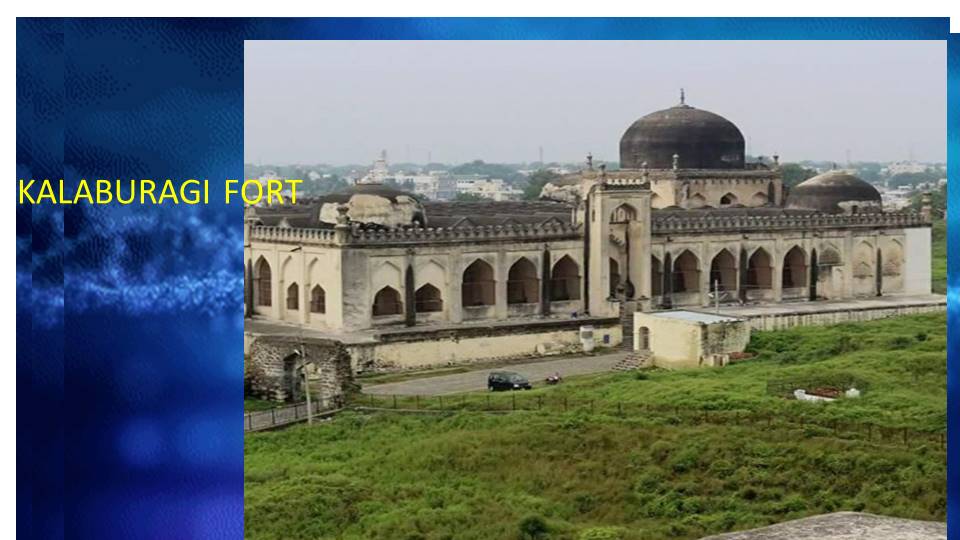
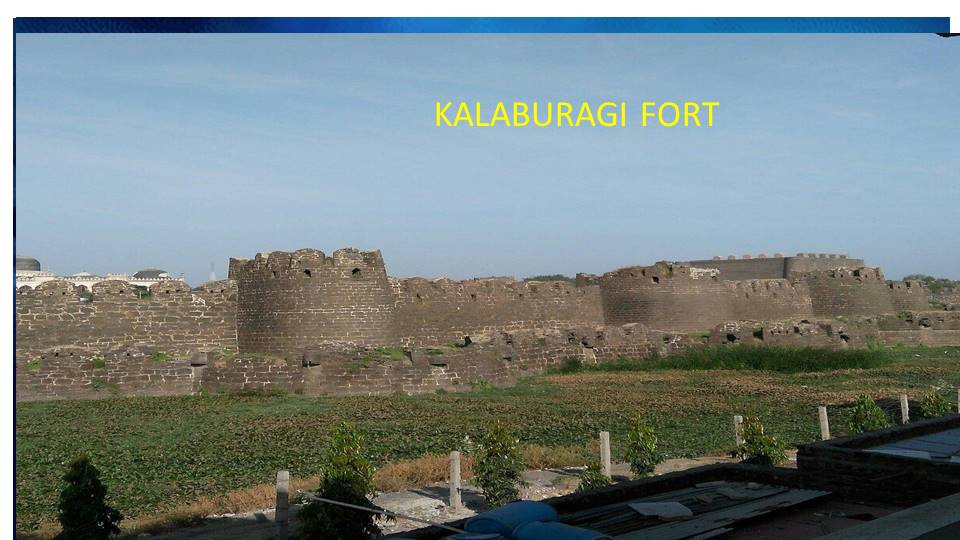
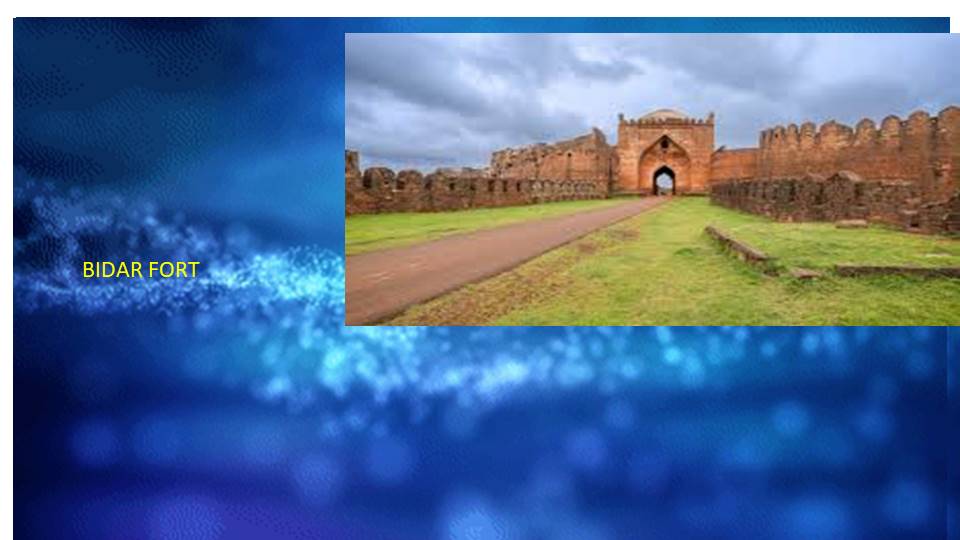
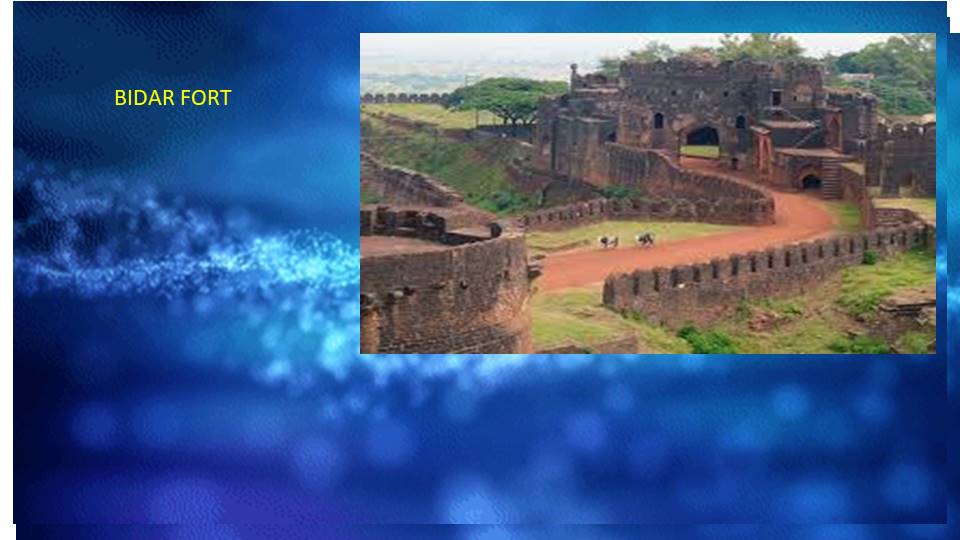
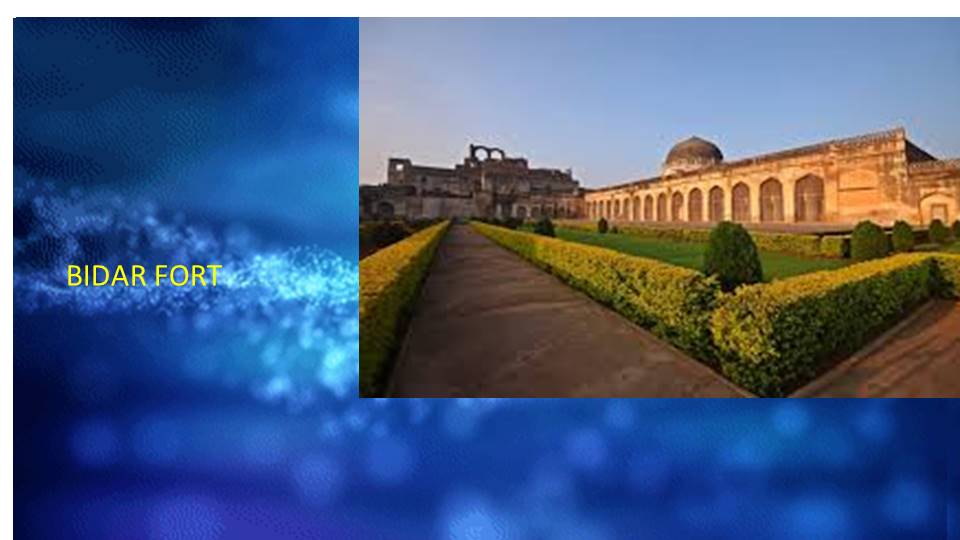
Krishnadevaraya is known for his military campaigns, which expanded the Vijayanagara Empire and consolidated its power. Some of his notable campaigns include. Conquest of Ummattur. Krishnadevaraya conquered the kingdom of Ummattur in present-day Karnataka.He defeated the Sultan of Bijapur, Yusuf Adil Khan, in the Battle of Raichur in 1520. Conquest of Orissa: Krishnadevaraya conquered the kingdom of Orissa (present-day Odisha) in 1519. Krishnadevaraya defeated Adil Shahi of Vijayapura(Bijapur) and won the Raichur fort. At the time of attacking the Raichur fort, he encouraged all the soldiers saying: “Everyone has to die one day. Ifyou die in the battlefield, you go to heaven. If you win, you will be blessed. Therefore, everyone of you come and fight with me; don’t be cowards.”After occupying Raichur fort, Krishnadevaraya seized Bidar and Kalaburagi (Gulbarga) forts. He defeated the Prime Minister of the Bahamani kingdom, Kasim areed and freed the Bahamani prince he had imprisoned and coronated the prince on the Bahamani throne at Bidar.
ADMINISTRATION AND REFORMS
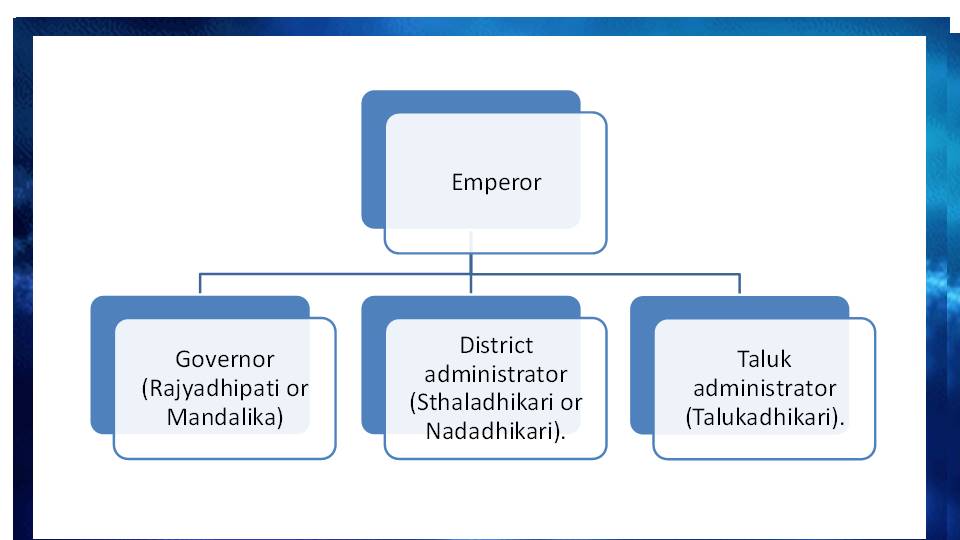
Krishnadevaraya’s administration is considered one of the most efficient and effective in Indian history. Here are some key features of his administrative system. Krishnadevaraya was the supreme authority and the head of the administration. The prime minister was the chief advisor to the emperor and was responsible for the overall administration of the empire. The council of ministers consisted of senior officials who advised the emperor on important matters. The empire was divided into several provinces, each governed by a governor (Rajyadhipati or Mandalika).Each province was further divided into districts, which were governed by a district administrator (Sthaladhikari or Nadadhikari). Each district was divided into taluks or sub-districts, which were governed by a taluk administrator (Talukadhikari).
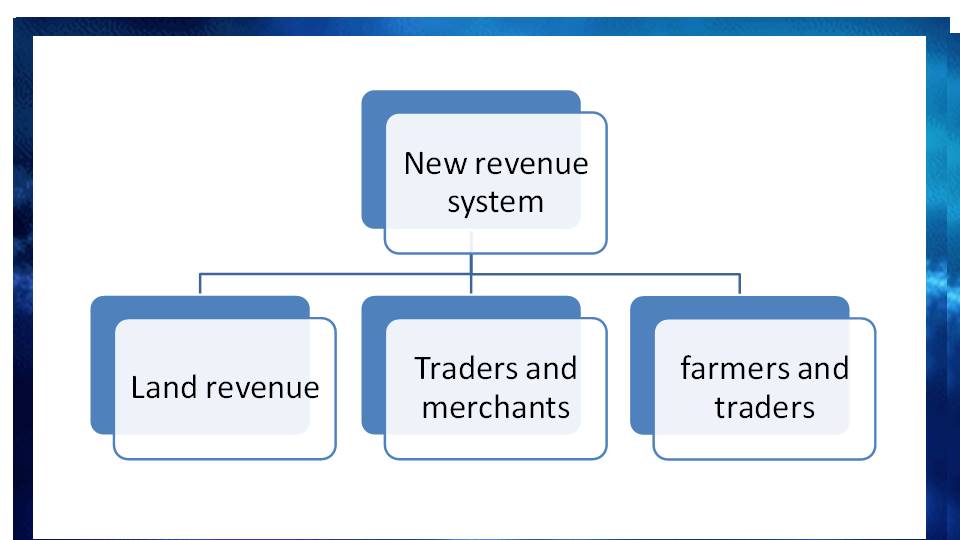
Krishnadevaraya introduced a new revenue system, which included the collection of taxes from farmers and traders. Land revenue was a significant source of income for the empire, with taxes collected from farmers and landlords. Taxes were also collected from traders and merchants on goods traded and sold. Krishnadevaraya established a fair and efficient judicial system, which ensured justice for all citizens. The empire had a hierarchical system of courts, with the emperor’s court being the highest authority. Judges were appointed to preside over courts and dispense justice. The empire had a well-organized military, with a hierarchical structure and clear lines of command. Commanders were appointed to lead the military campaigns and defend the empire’s borders.
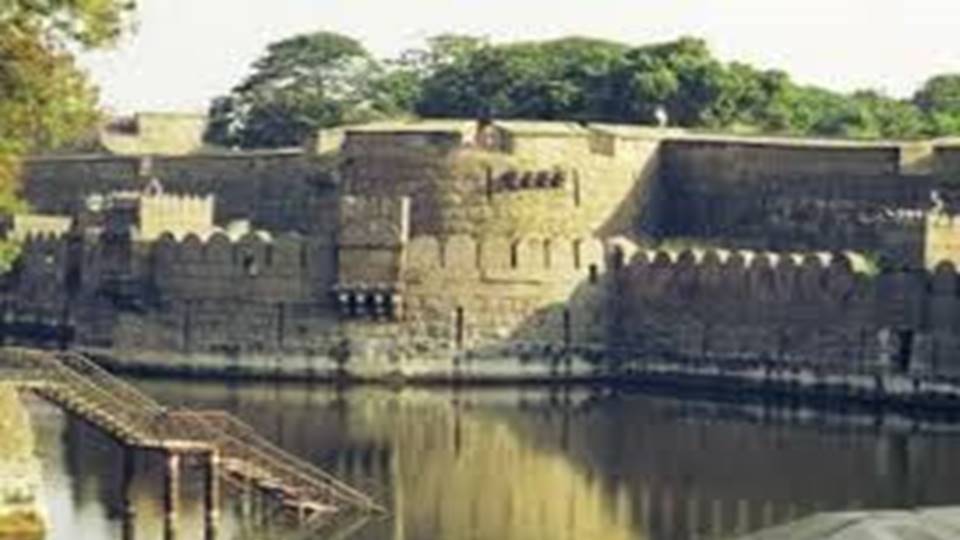
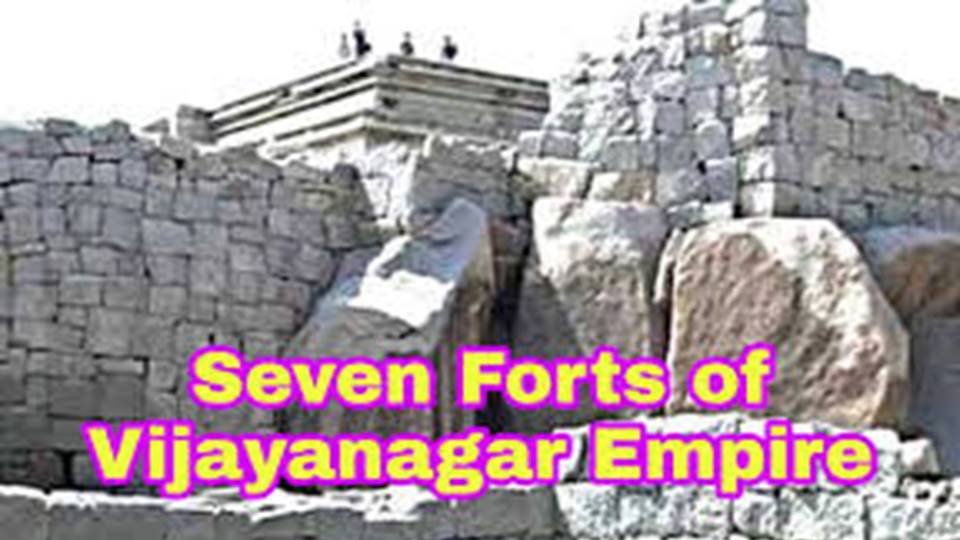
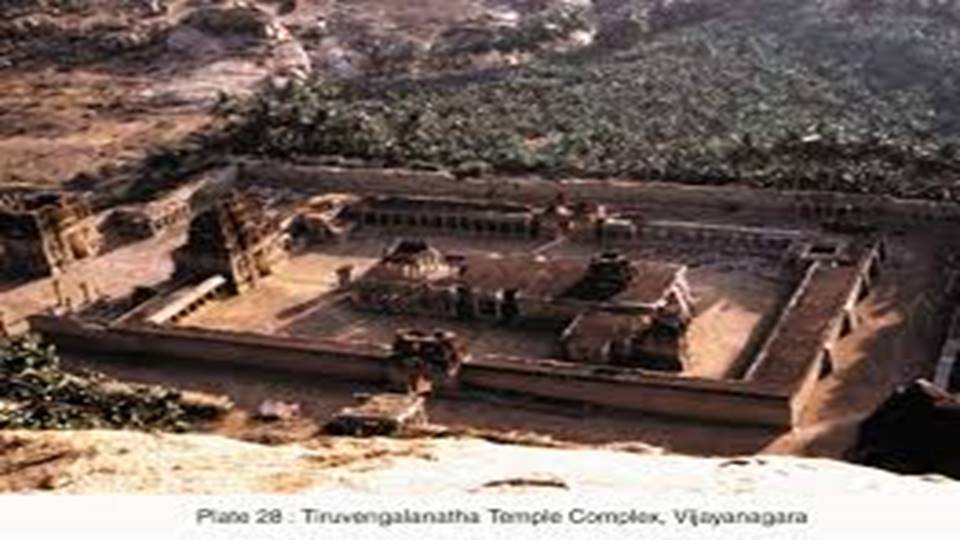
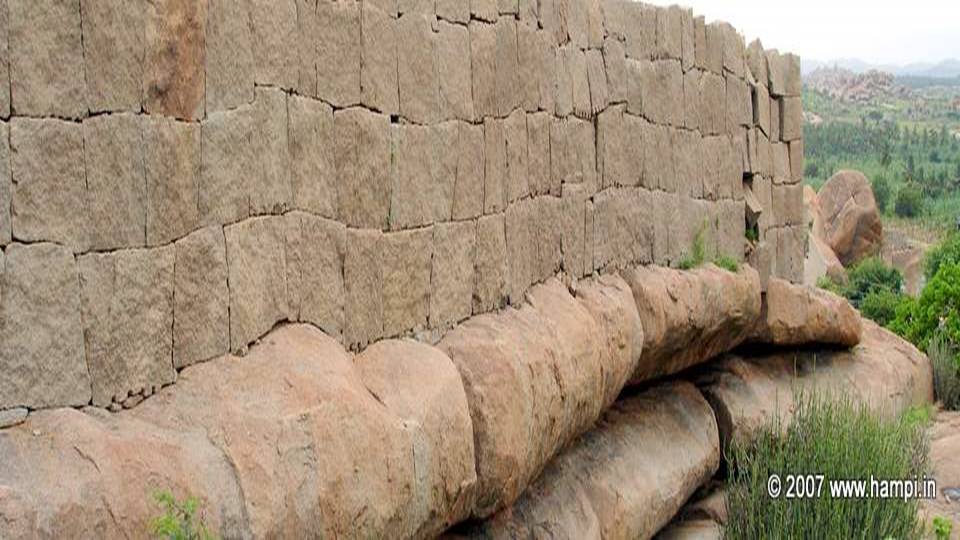
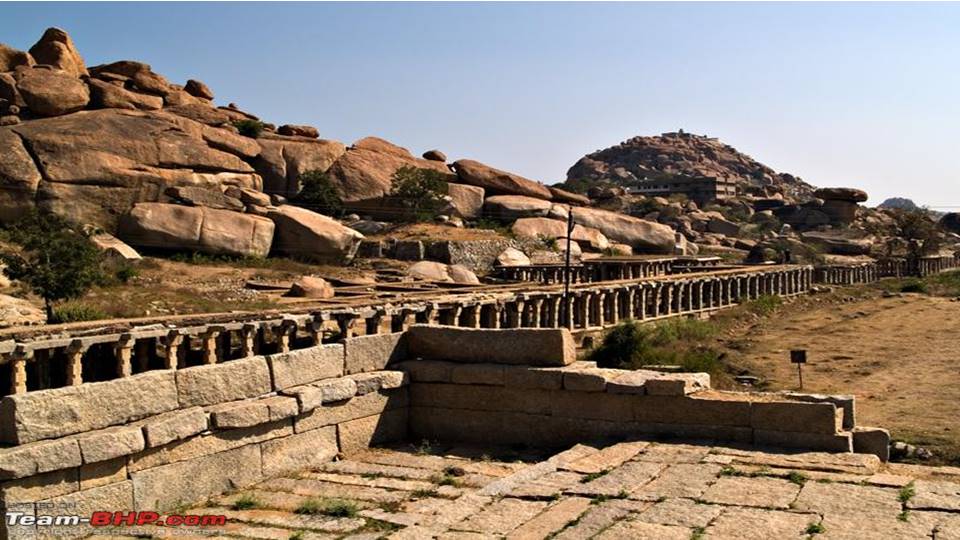
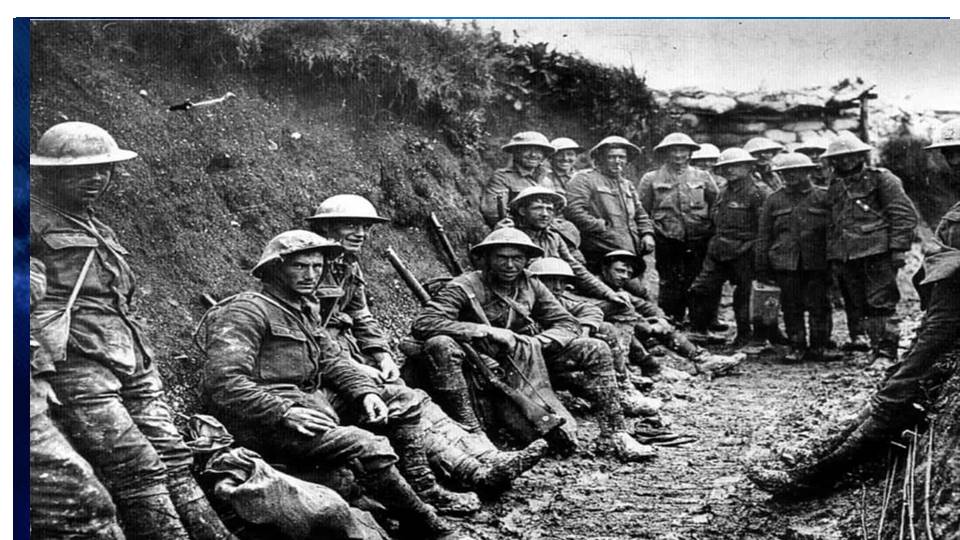
The empire had a network of fortifications, including forts, walls, and trenches, to defend its borders.Krishnadevaraya invested in infrastructure development, including the construction of roads, bridges, and temples. The empire had a system of public welfare, with provisions for the poor, the elderly, and the disabled. He invested in infrastructure development, including the construction of roads, bridges, and temples.
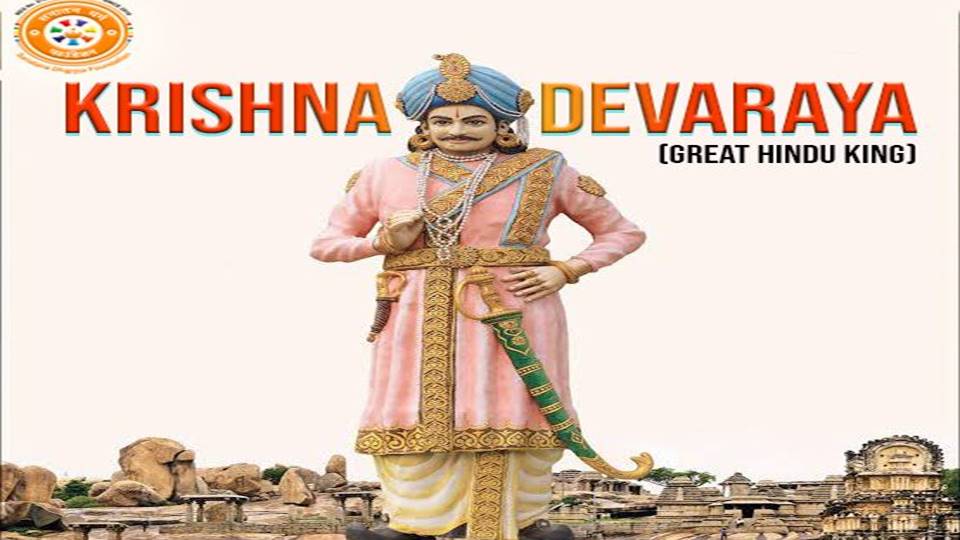
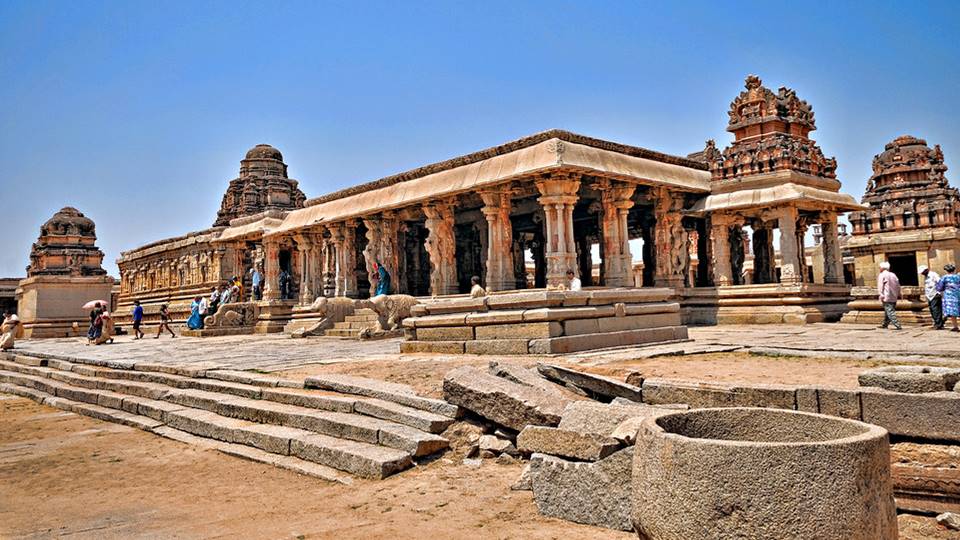
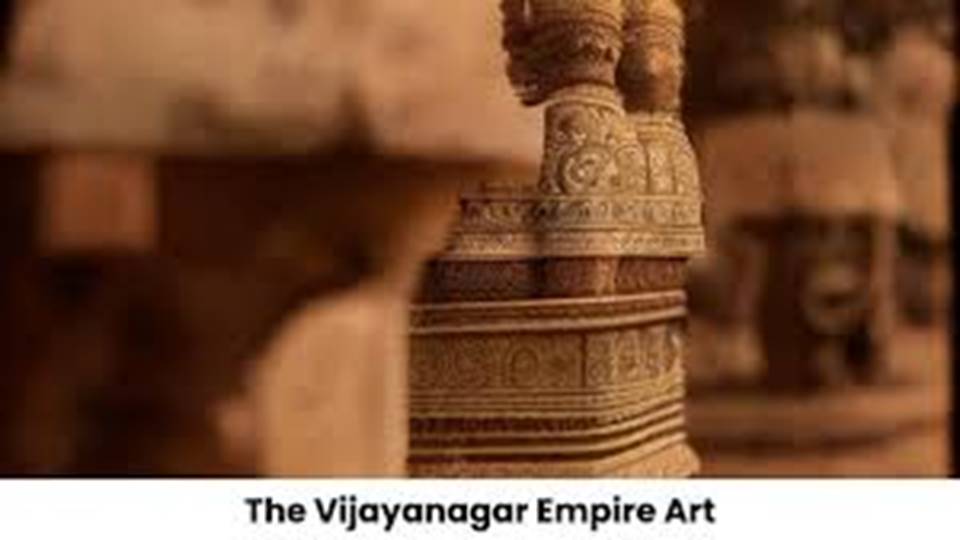
Krishnadevaraya was a patron of the arts and literature. HeEncouraged Telugu Literature, and the development of Telugu literature and was himself a poet and writer. He built several temples, including the famous Vittala Temple in Hampi. Krishnadevaraya supported music and dance, and his court was renowned for its cultural achievements. His Telugu work ‘AmuktaMaalyada’ reveals the shrewdness he possessed in matters of state.
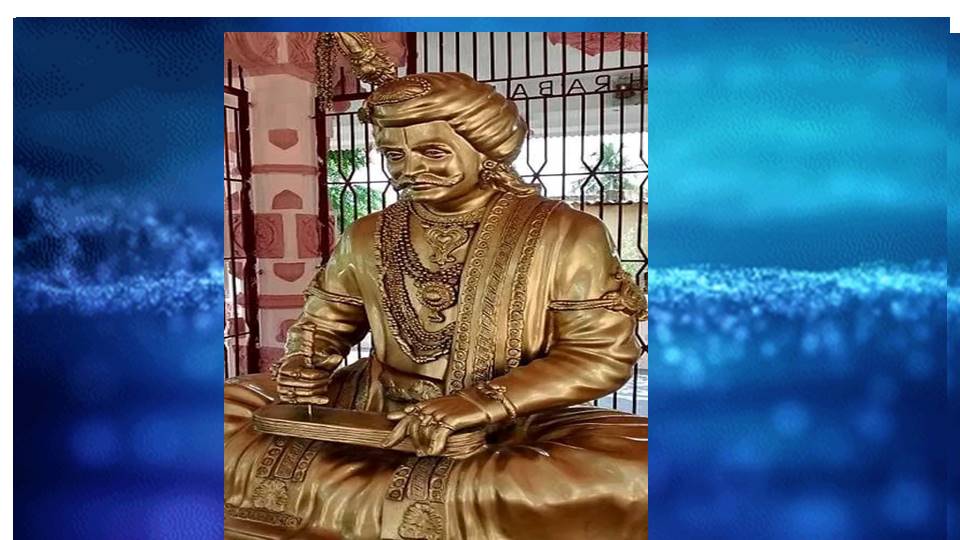
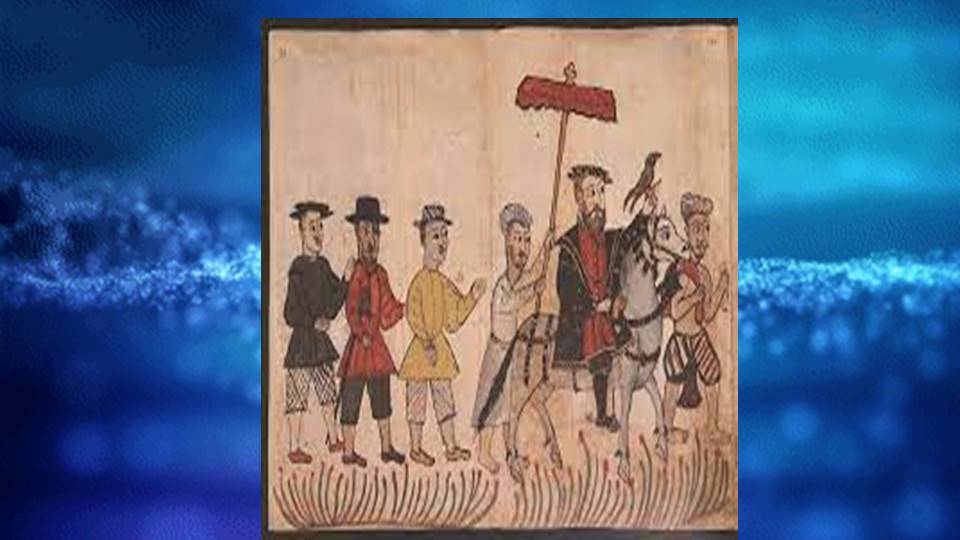
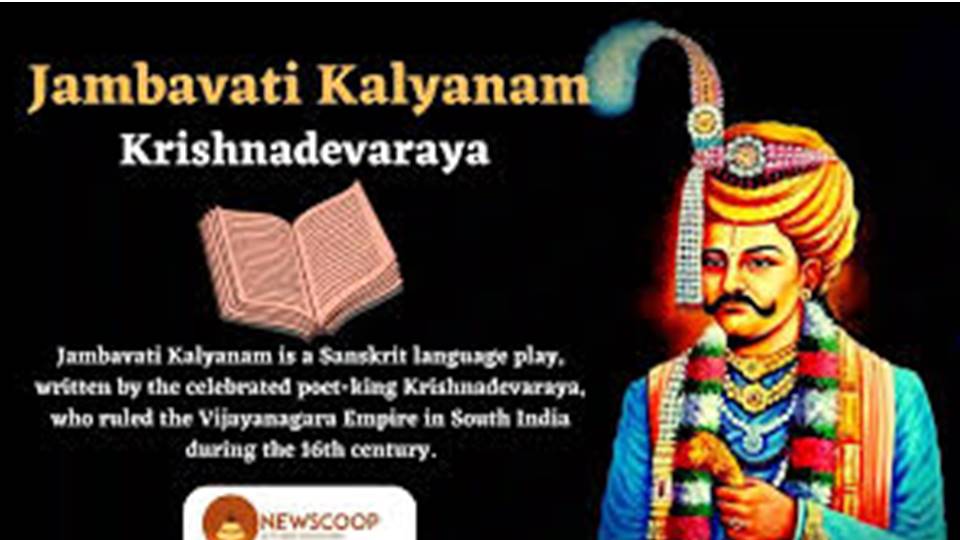
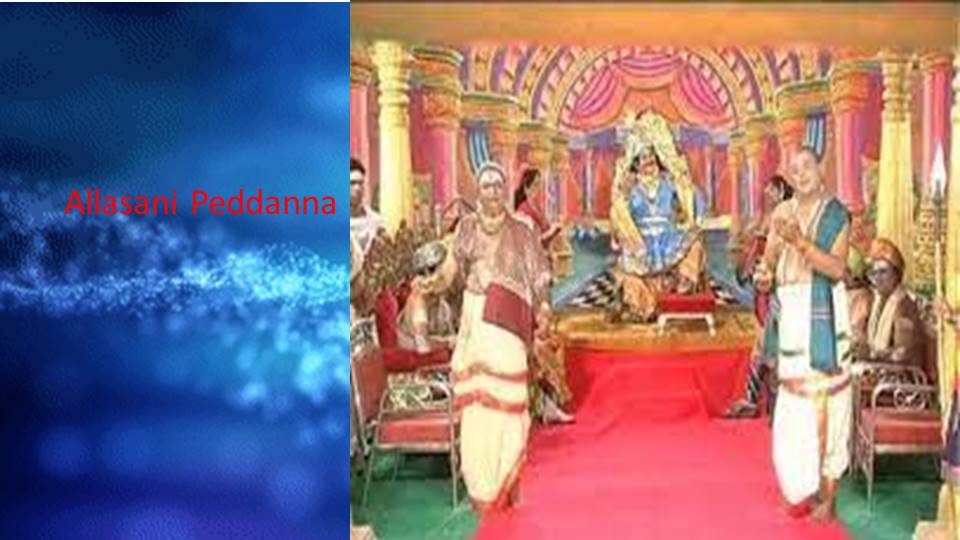
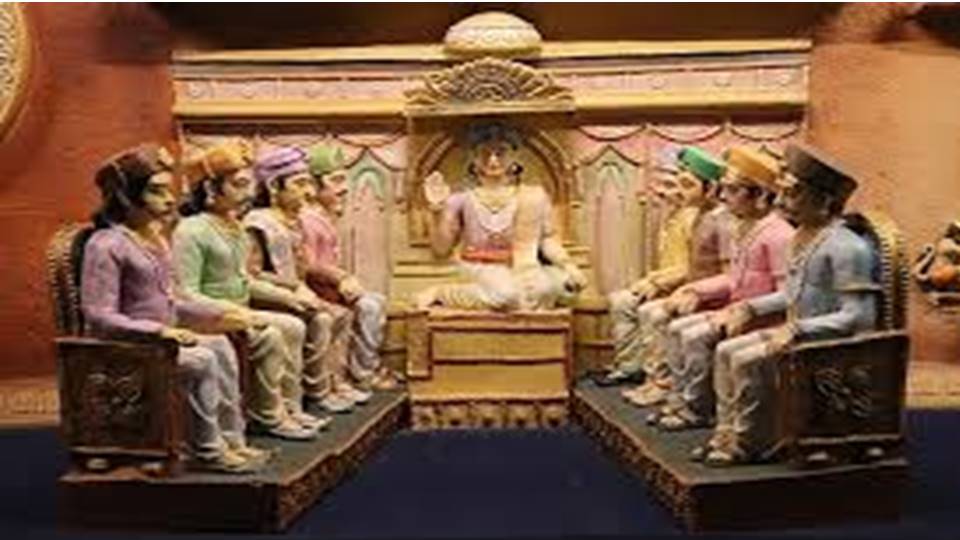
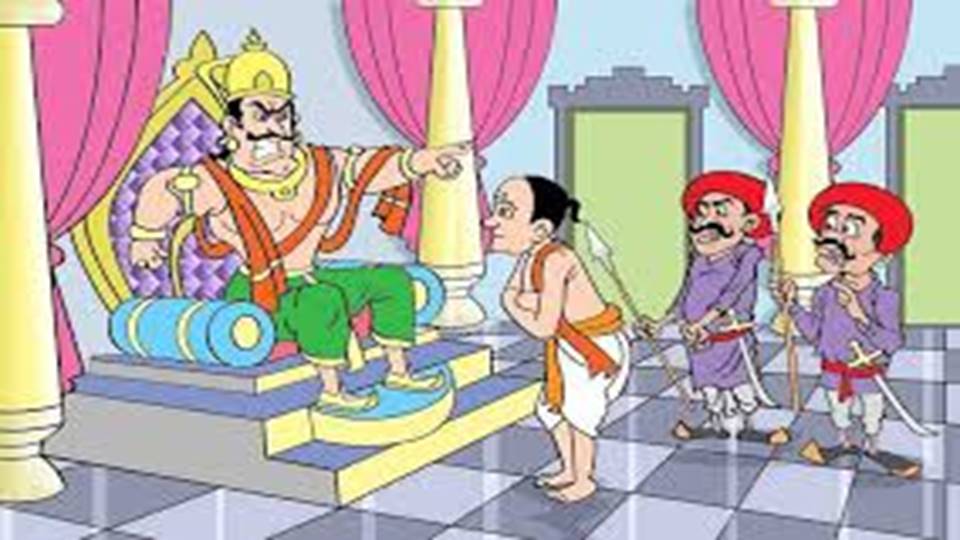
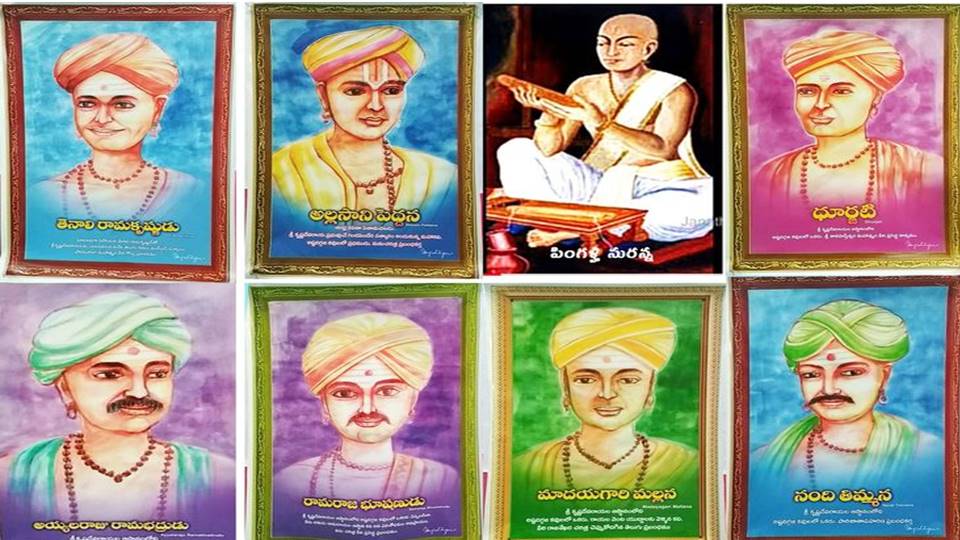
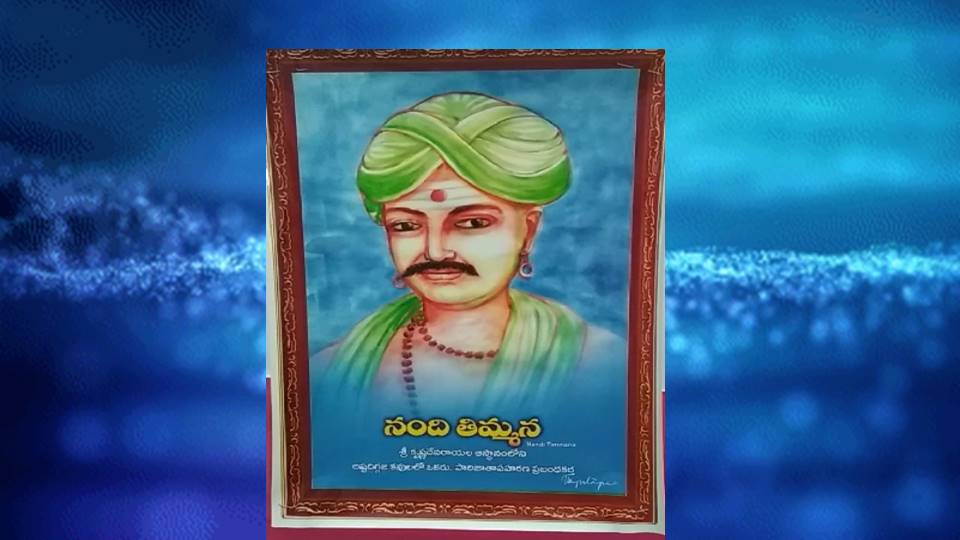
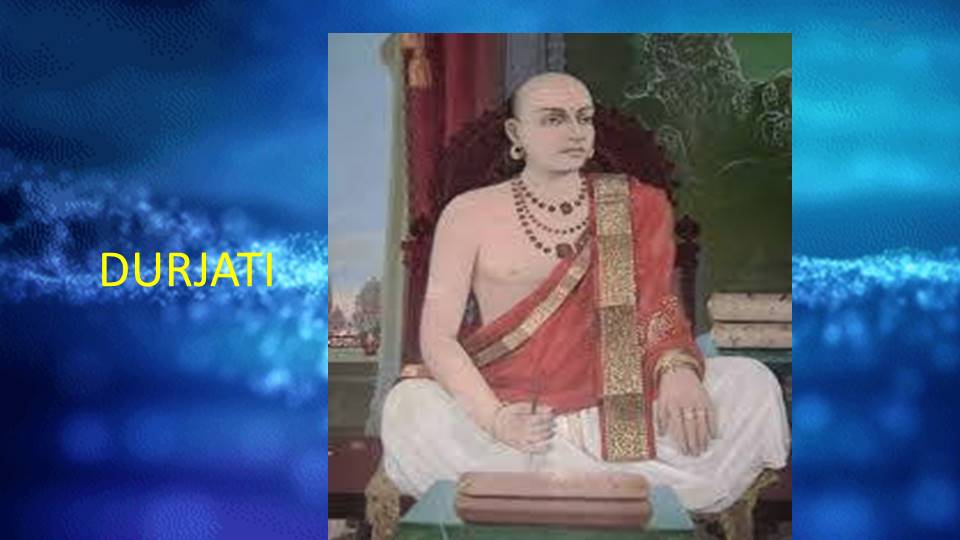
. He provided irrigation facilities for expansion of agriculture. With the friendship of the Portuguese, he increased foreign trade. He abolished tax on marriages.He was a great patron of art, literature and religions. There were eightTelugu poets known as AshthaDiggajas in his court. Krishnadevarayawas a poet himself and wrote the play ‘JambavatiKalyana’ in Sanskrit.AllasaniPeddanna, Nandi Timmanna, Durjuti, Tenali Ramakrishnaand others were the Telugu poets in his court
Krishnadevaraya’s legacy is that of a wise and just ruler who expanded the Vijayanagara Empire and promoted the arts and literature. He is remembered as one of the greatest emperors in Indian history, and his reign is often referred to as the “Golden Age” of the Vijayanagara Empire.
Krishnadevaraya built the Krishna temple in Hampi, as well as the Maharangamantapa in Virupaksha temple and many other temples. Portuguese travelers Paes and Barbosa praised Krishnadevaraya’s dignity and ability, stating that during his reign, people of all religions had religious freedom.
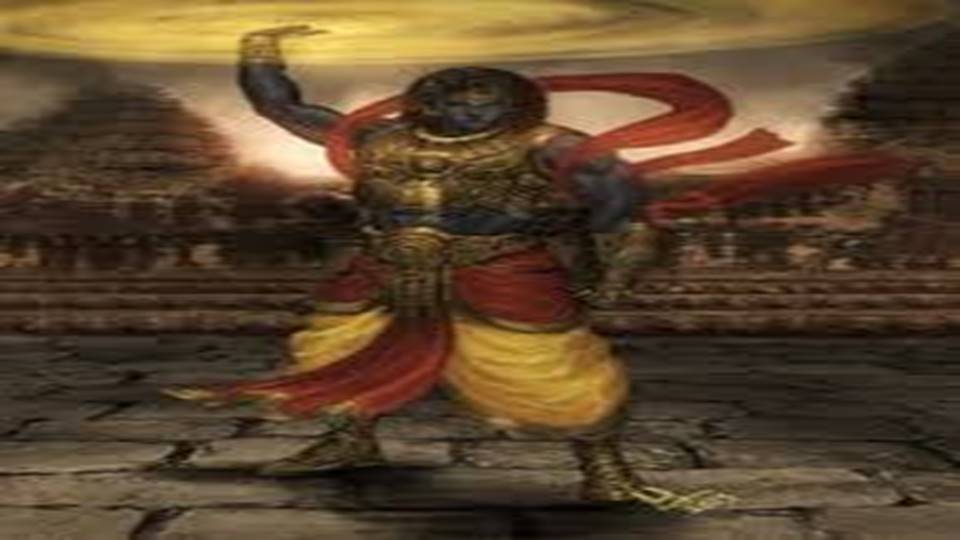
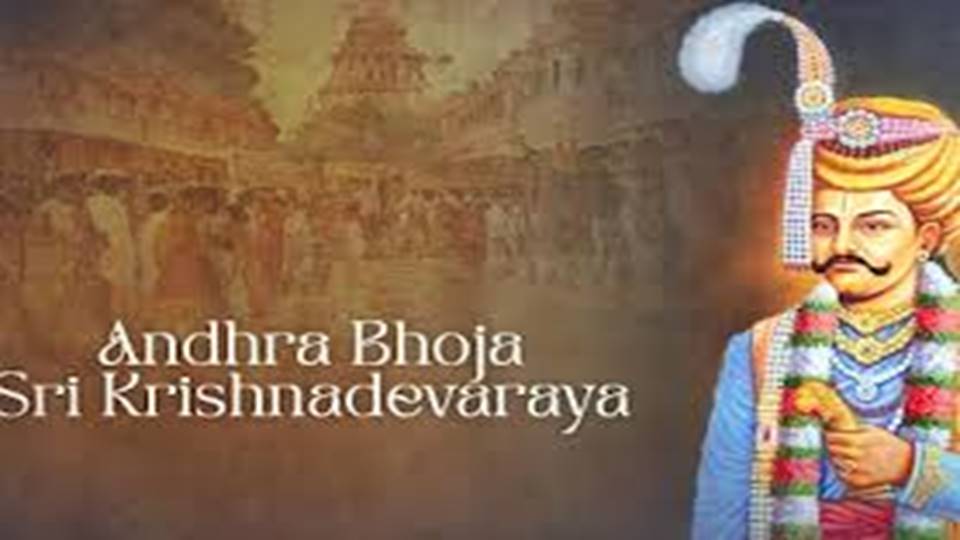
Krishnadevaraya was known for his bravery and courage on the battlefield. He led his armies from the front, inspiring his soldiers to fight with valor and determination. He was a skilled military strategist who understood the importance of terrain, tactics, and logistics. Krishnadevaraya’s military campaigns were carefully planned and executed, often resulting in decisive victories. Conquests and Victories: During his reign, Krishnadevaraya conquered several neighboring kingdoms and territories, including the Sultanates of Bijapur, Golconda, and Ahmadnagar. He also defeated the Portuguese and the Ottoman Empire’s forces in battle.
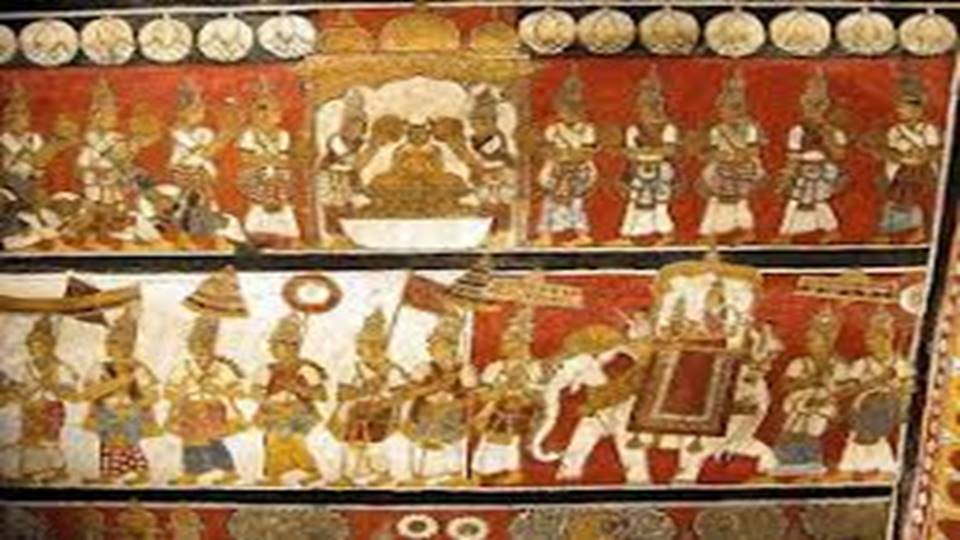
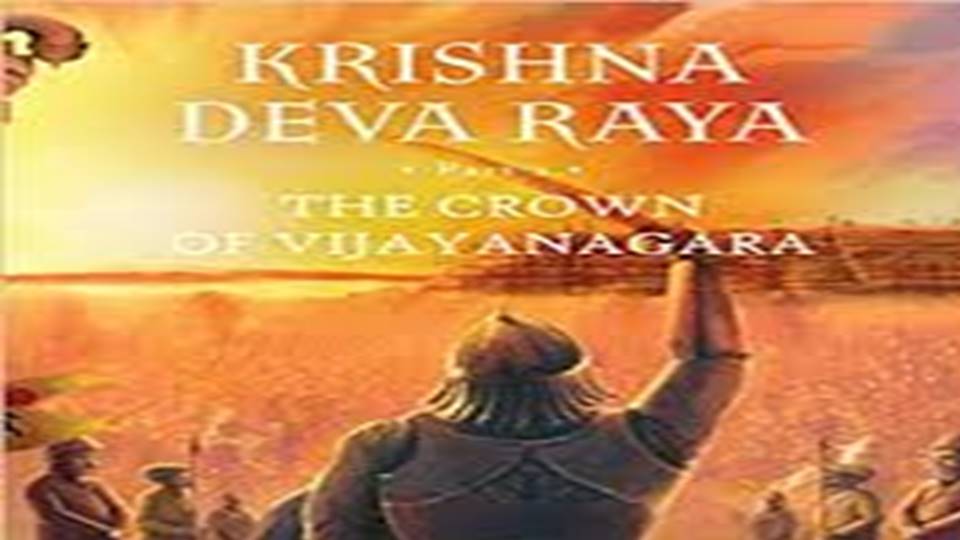

He was having Patriotic Spirit, Love for the Motherland, Krishnadevaraya was deeply devoted to his motherland and worked tirelessly to protect and expand its borders. He believed in the importance of a strong and unified India.As a devout Hindu, Krishnadevaraya saw himself as a protector of Hindu Dharma. He defended Hindu temples and institutions from Muslim invaders and worked to promote Hindu culture and traditions. Krishnadevaraya believed in the importance of national unity and worked to promote harmony among the different regions and communities of the Vijayanagara Empire.
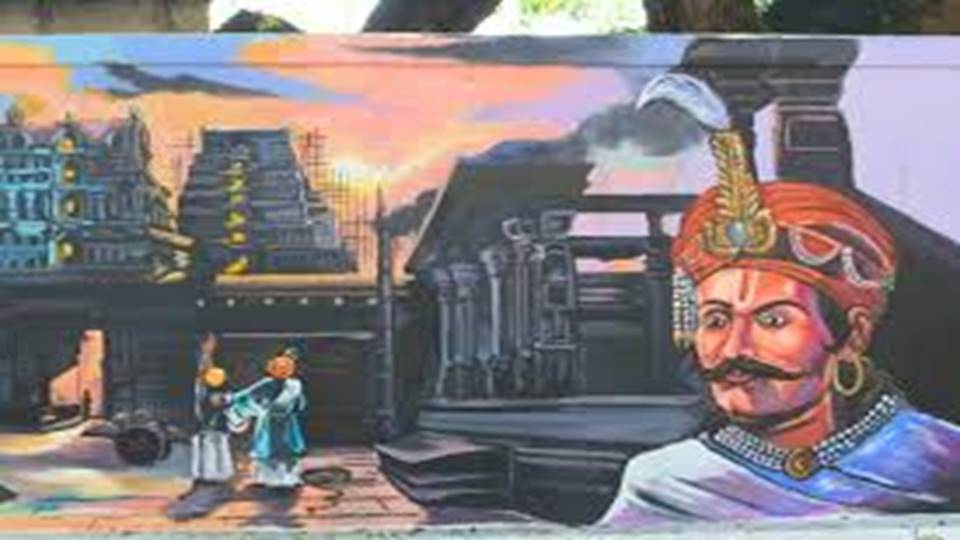
Krishnadevaraya’s reign is often referred to as the “Golden Age” of the Vijayanagara Empire.He was an inspiration to future rulers, including the Mughal emperor Akbar, who sought to emulate his administrative reforms. Krishnadevaraya is remembered as a hero and a great king in Indian history, celebrated for his military conquests, administrative reforms, and cultural achievements