Religious system & Litreture of Vijayanagara Empire

Sub unit-5

Religious system & Literature of Vijayanagara Empire


Religious system :

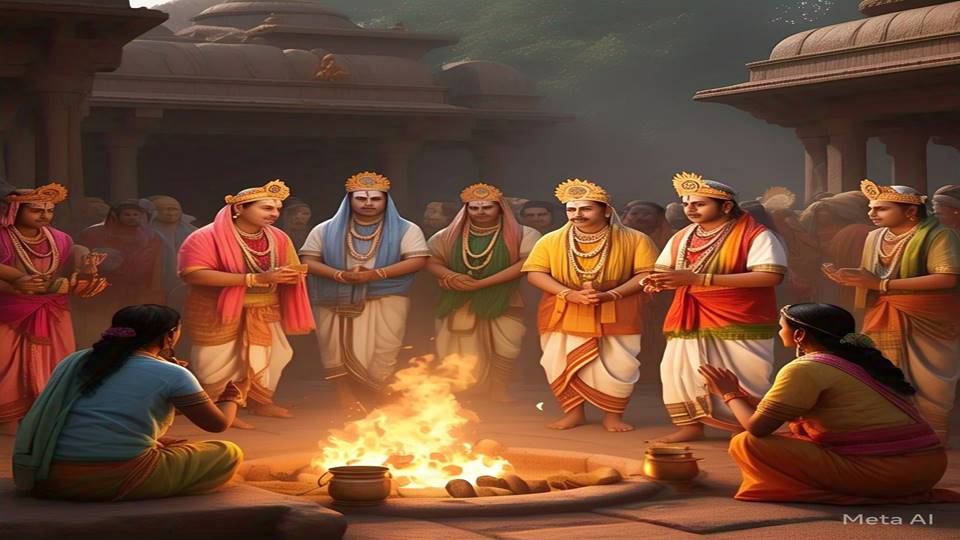
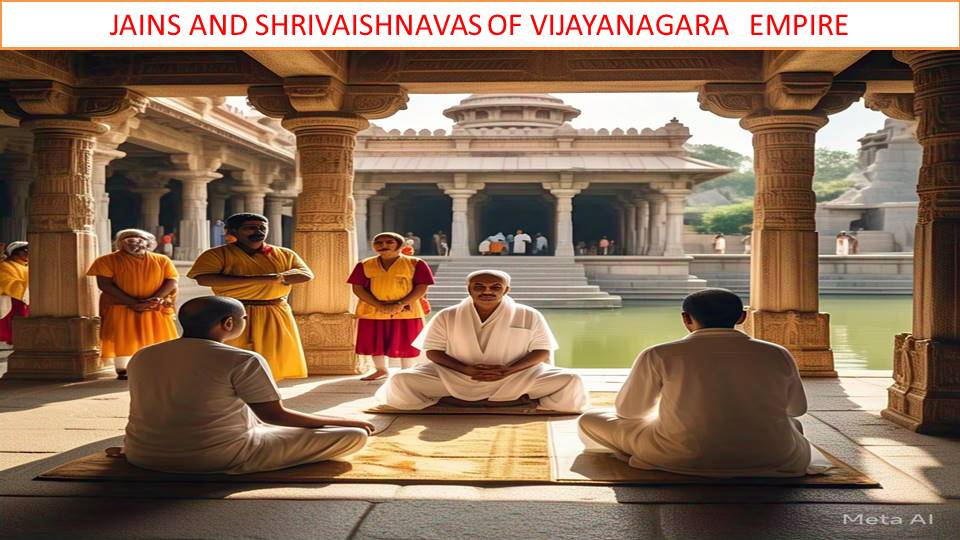
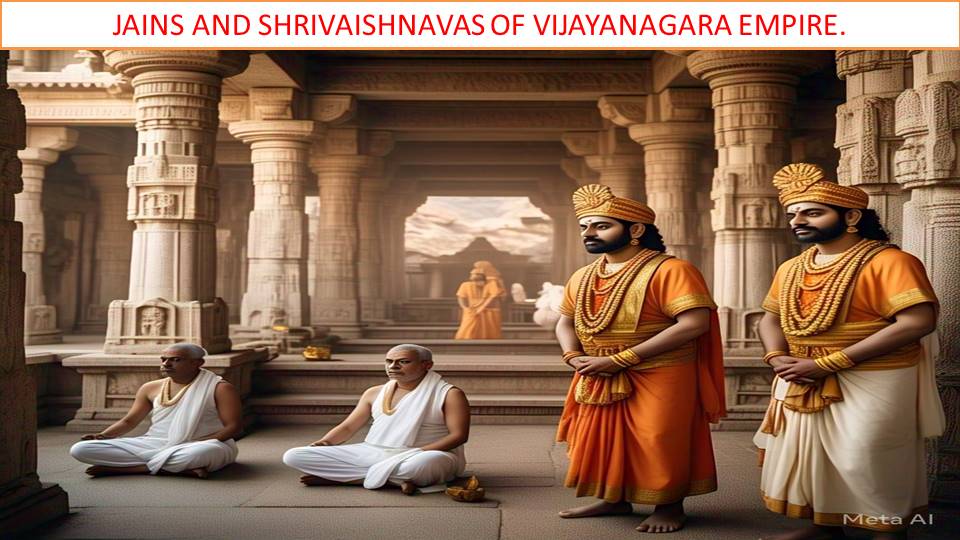
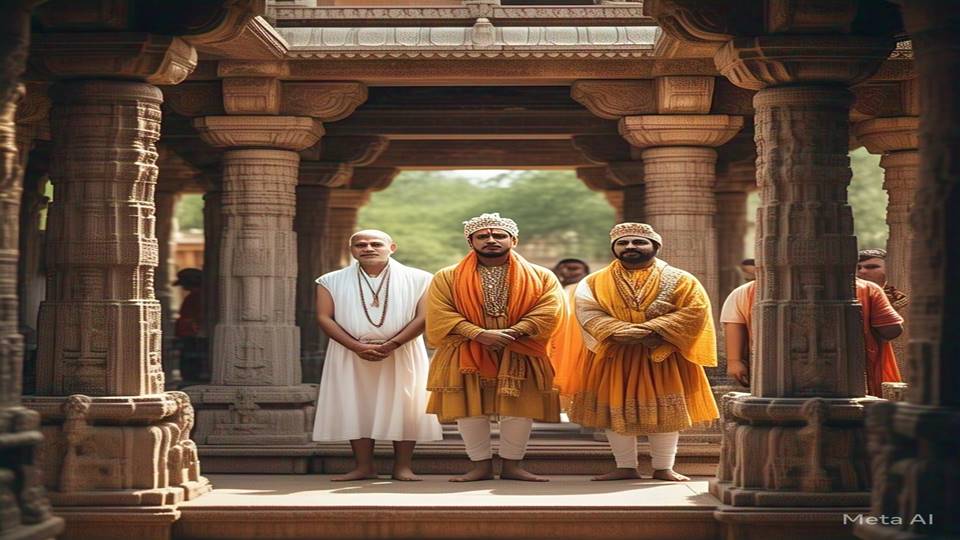
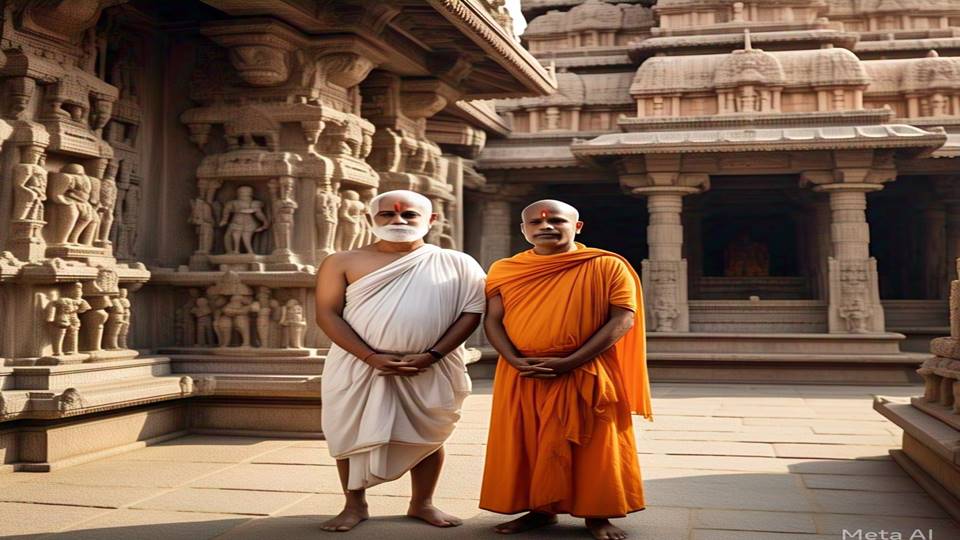
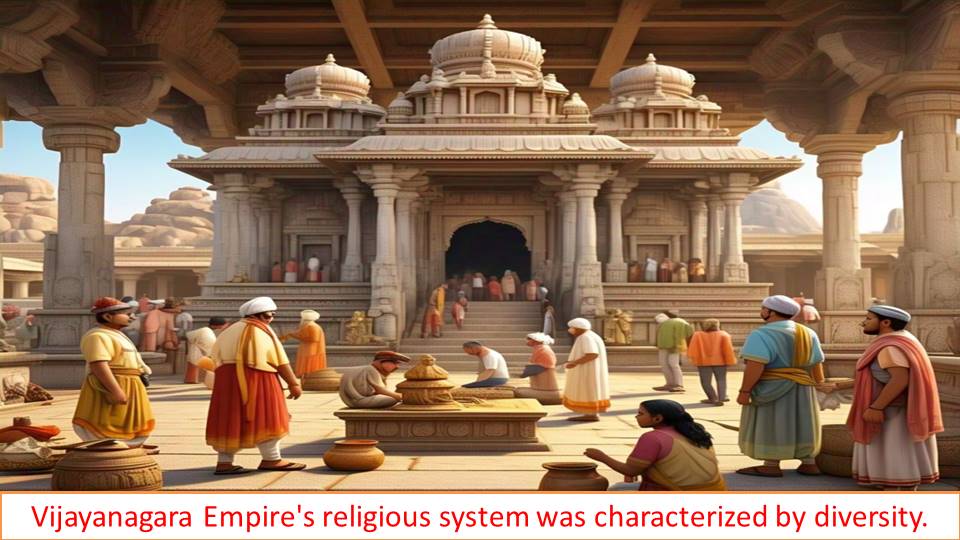
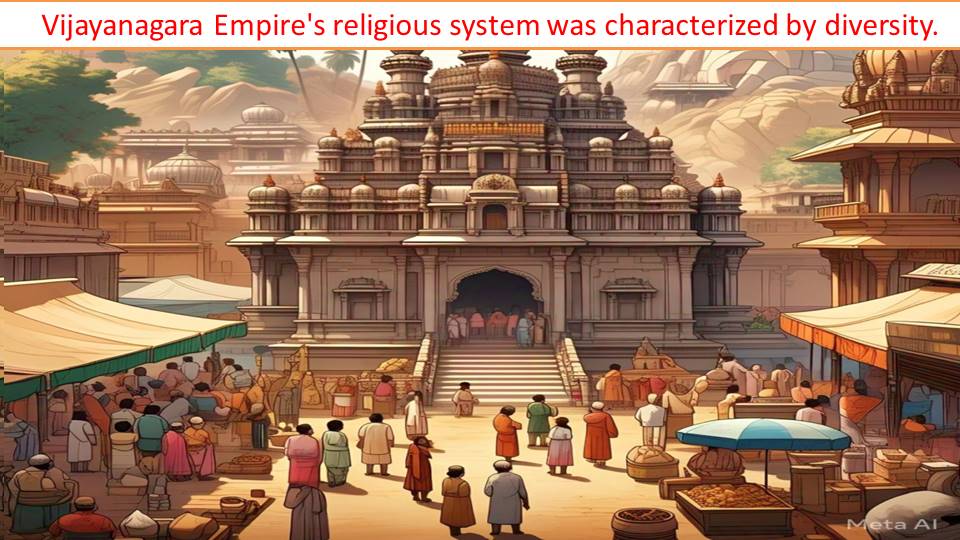
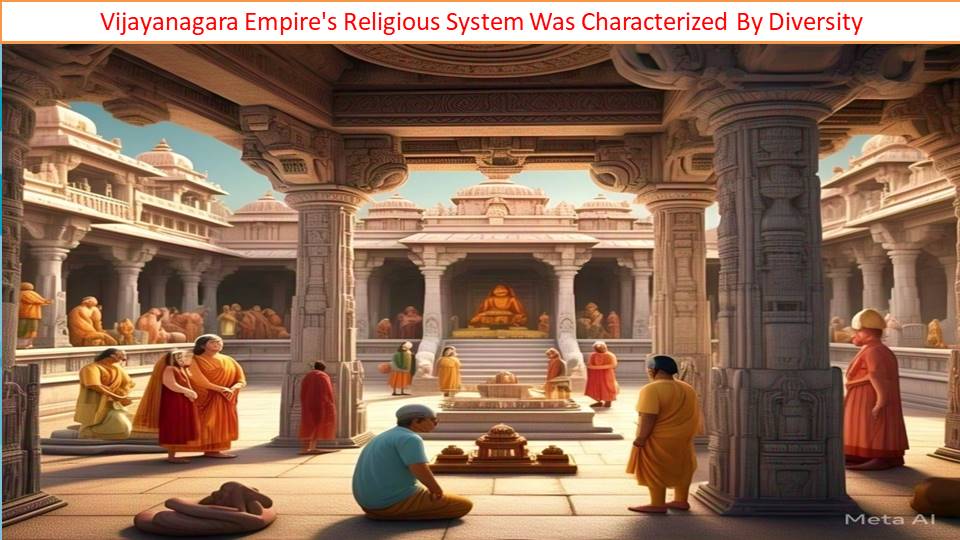
Vijayanagara empire enjoyed the distinction of having encouraged all religions equally. The atmosphere was such that Shrivaishnavites and Jains forgot their religious differences and lived in perfect harmony.

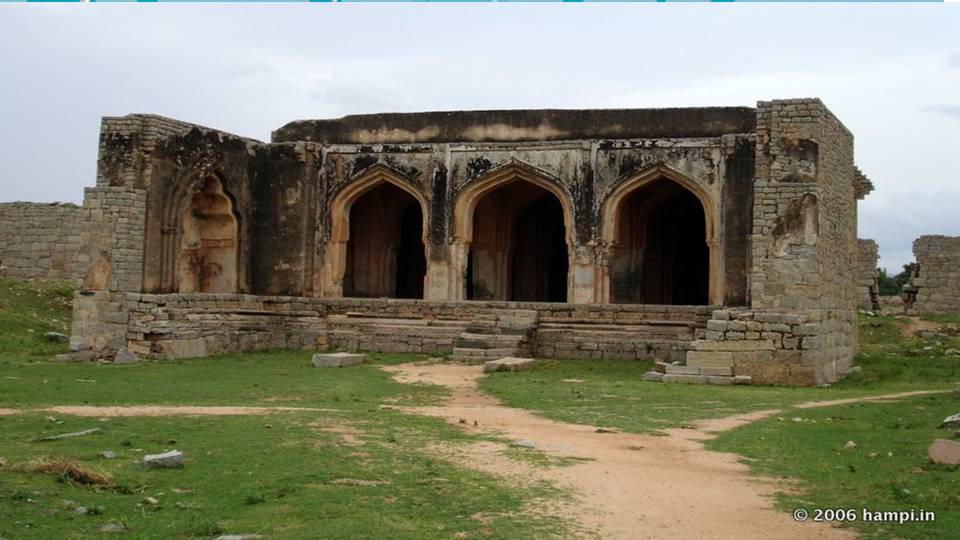
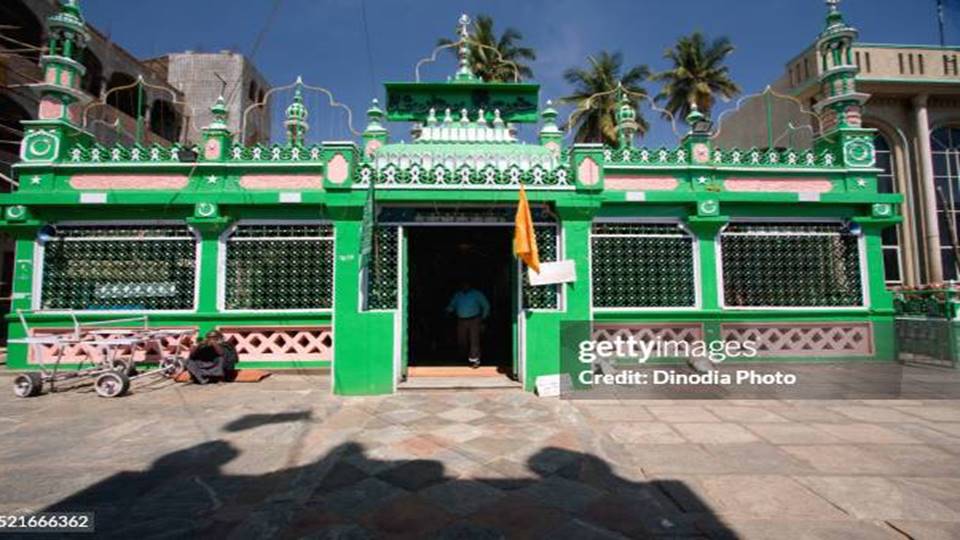
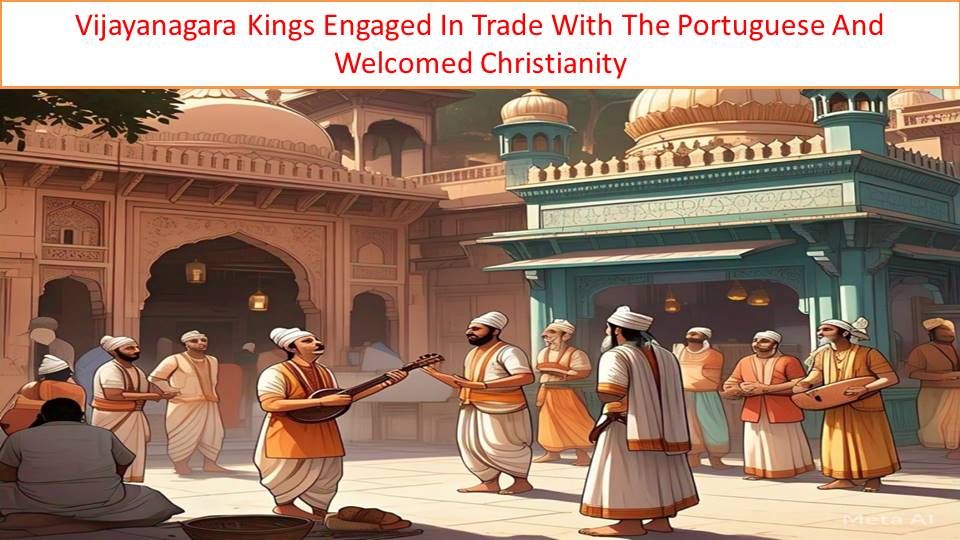
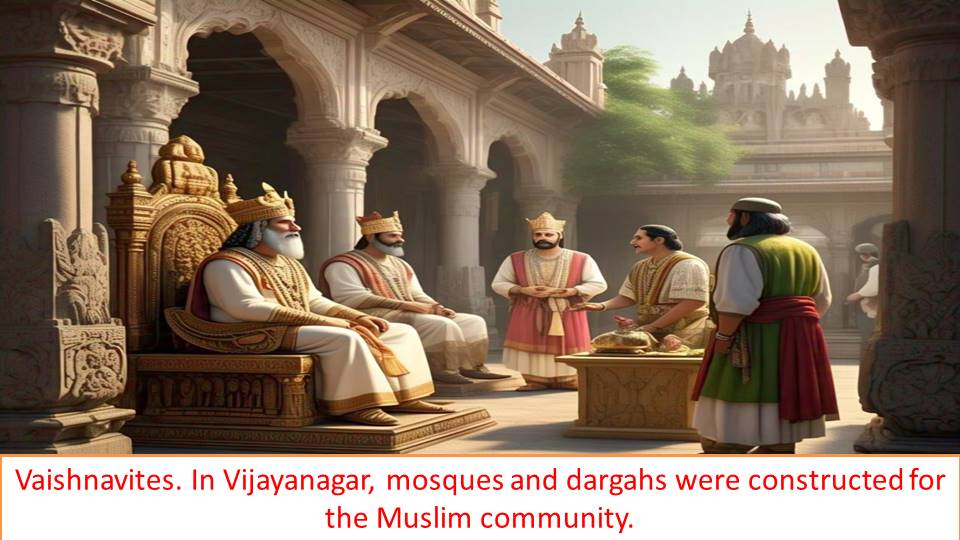
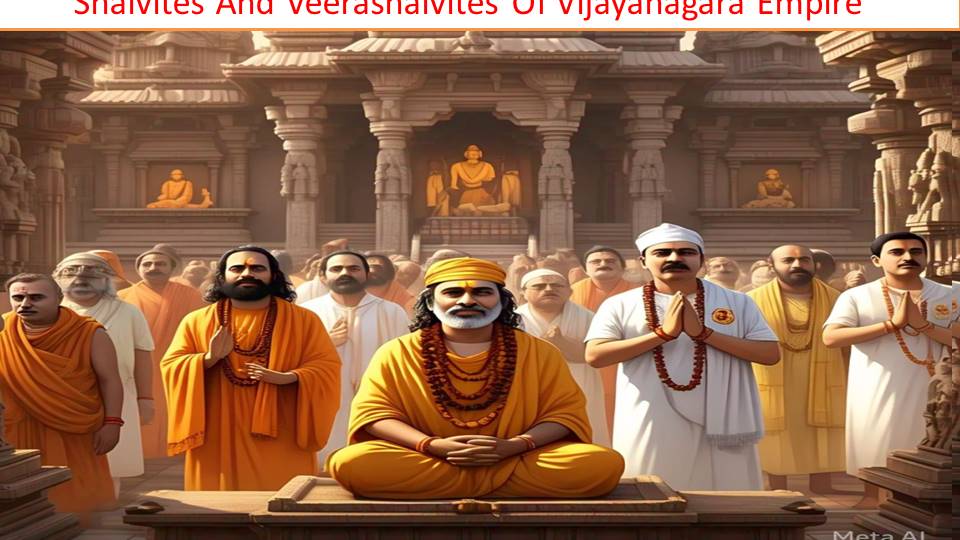
The early kings of Vijayanagara patronized Shaivites and Veerashaivites, whereas the later kings encouraged Vaishnavites. In Vijayanagar, masjids and dargas were built for Muslims. The kings of Vijayanagar developed business with Portuguese and encouraged Christianity by giving permission to construct churches.

Literature :

Due to the peace and order, economic progress, literature flourished. Various works were created in Kannada, Sanskrit, Telugu and Tamil languages.Ratnakaravarni’s ‘Bharateshavaibhava’, Chamarasa’s ‘Prabhulingaleele’, Kumaravyasa’s ‘Gaduginabharata’ are the important Kannada works of the time. Bheemakavi translated PalkurikeSomanatha’s Telugu work, ‘Basavapurana’, to Kannada language. The collection of Veerashaivavachanas called ‘Shunyasampadane’ was also published. Besides LakkannaDandesha’s ‘Shivatatvachintamani’, books in Kannada on human medical science, veterinary science, poetics, astrology and cookery were also published.

Saint Purandaradasa, Kanakadasa, Shripadaraya and Vyasaraya enriched dasasahitya. Among these, Kanakadasa’s ‘Mohanatarangini’, ‘Nalacharitre’, ‘Haribhaktisara’ and ‘Ramadhanyacharitre’ are important.

Vidyaranya wrote ‘Shankaravijaya’ and ‘Sarvadarshanasamgraha’ in Sanskrit. His brother, Sayanacharya, wrote commentaries on the Vedas called ‘Vedarthaprakasha’, ‘Ayurvedasudhanidhi’, ‘Purusharthasudhanidhi’ and other books. Kampannaraya’s wife, Gangadevi, wrote a book called ‘Maduravijayam’. This book deals with Kampanna’s invasion and a description of places of pilgrimage.

Art and Architecture:

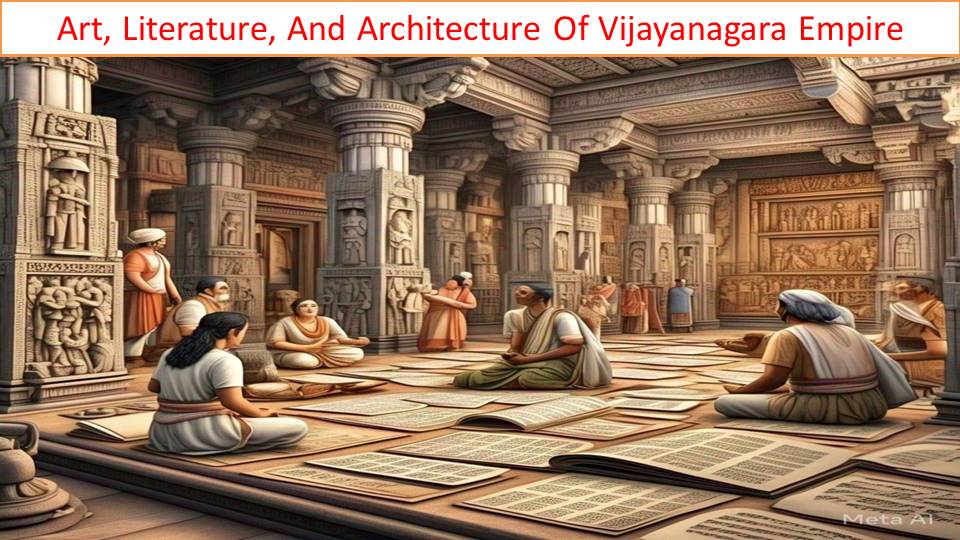
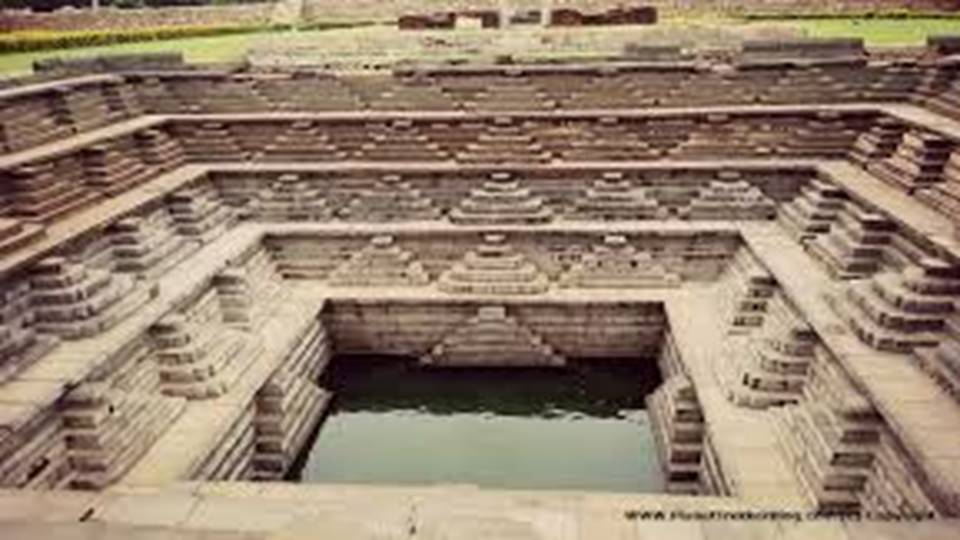
The excellent work done by Vijayanagar kings in the fields of art and architecture is memorable. The emperors were known as great patrons of architecture. During this period, temples, palaces, forts, towers, huge halls (mahamantapa), public buildings, tanks, bunds, canals and dams were constructed.

The unique features of Vijayanagarart :

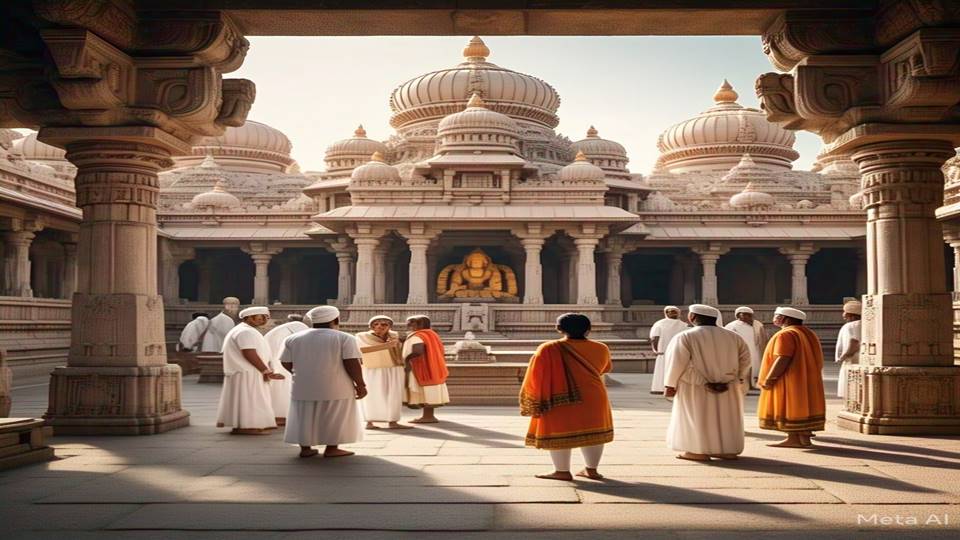
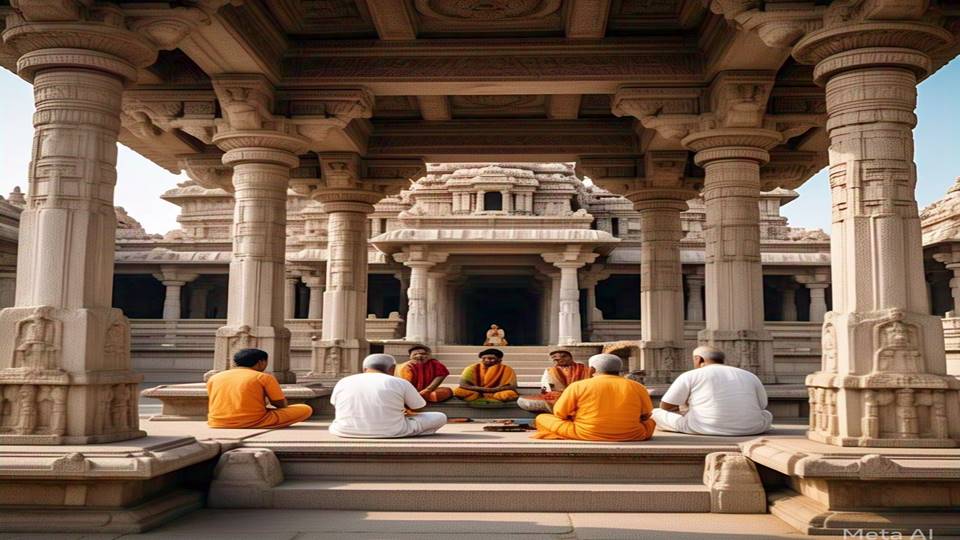
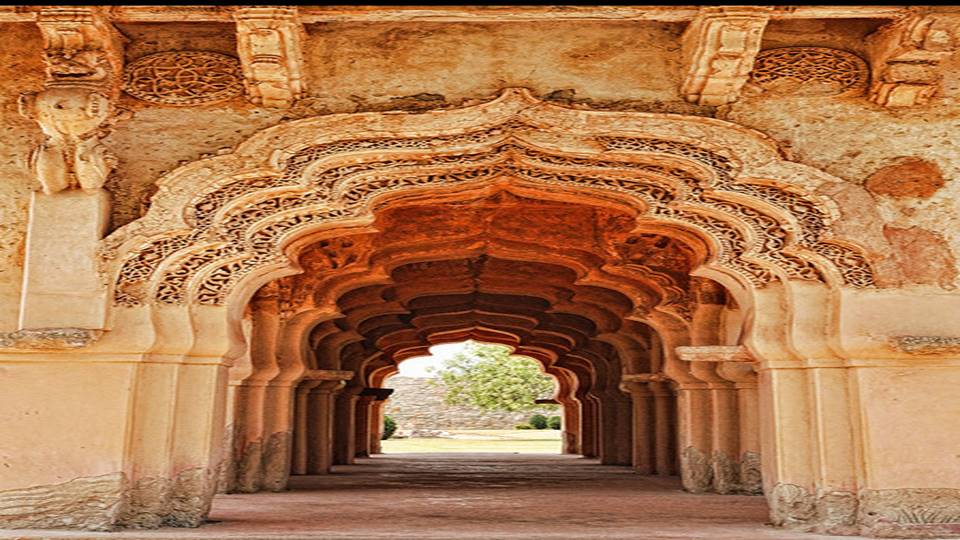
The Vijayanagar kings continued the architectural style of Chalukyas, Cholas and Hoysalas. The unique feature of their architecture was the construction of huge auditorium and marriage halls. Temples had huge towers (rayagopura), leaf-shaped arches and platforms. In this art, more than ornamentation, the qualities of grandeur, awe and elegance were given importance. Rough granite stone (kanashile) was used for construction of these structures.
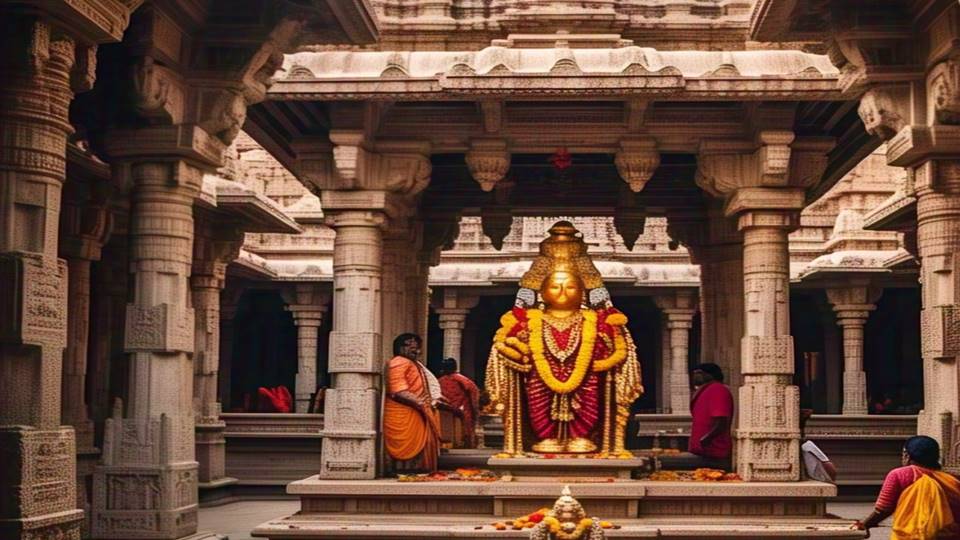
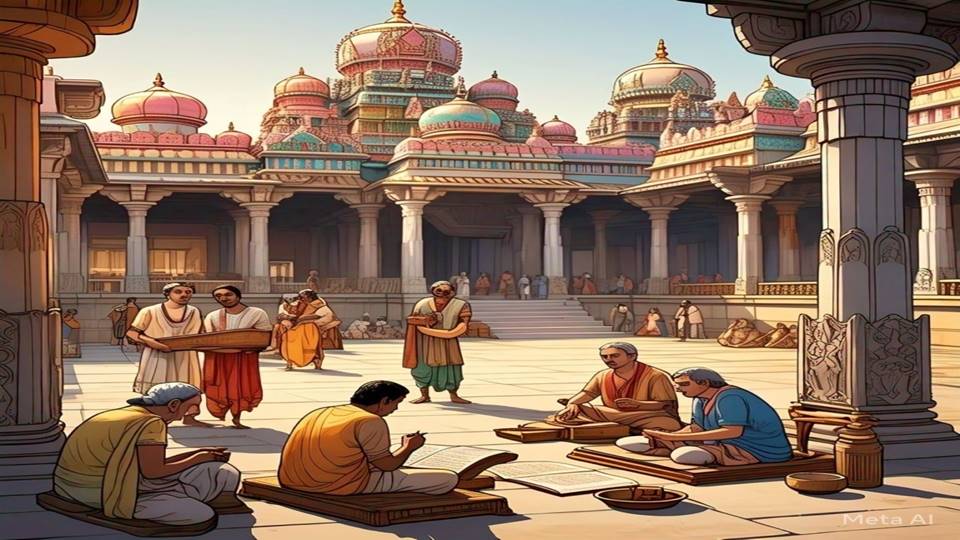
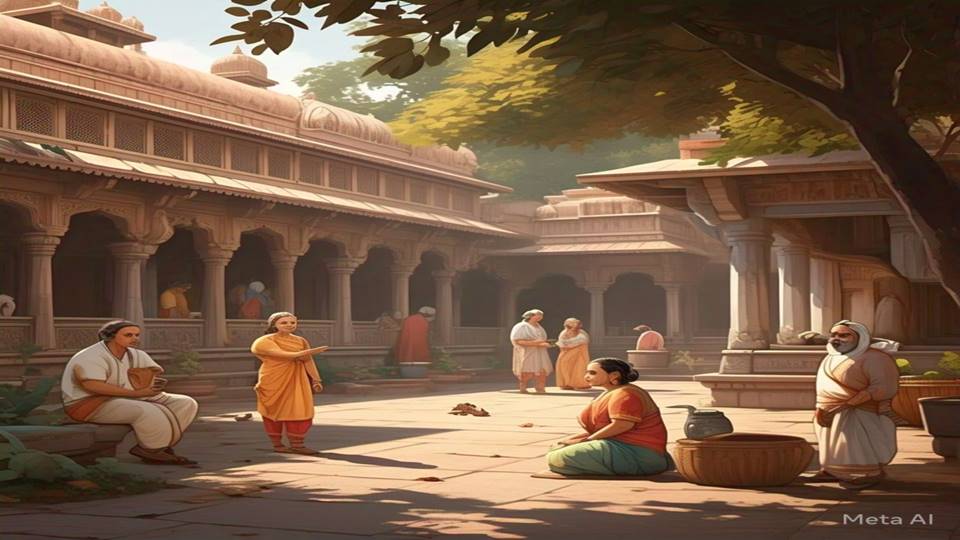
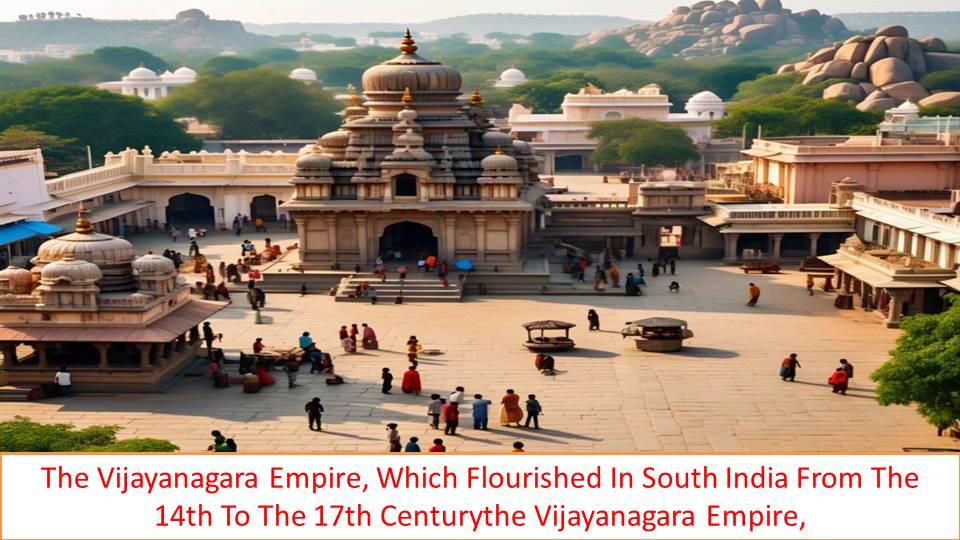
Religious system: The Vijayanagara Empire is notable for promoting all religions equally. The environment was such that Shrivaishnavites and Jains set aside their religious differences and coexisted in complete harmony.The Vijayanagara Empire, which flourished in South India from the 14th to the 17th century, had a complex and diverse religious system.

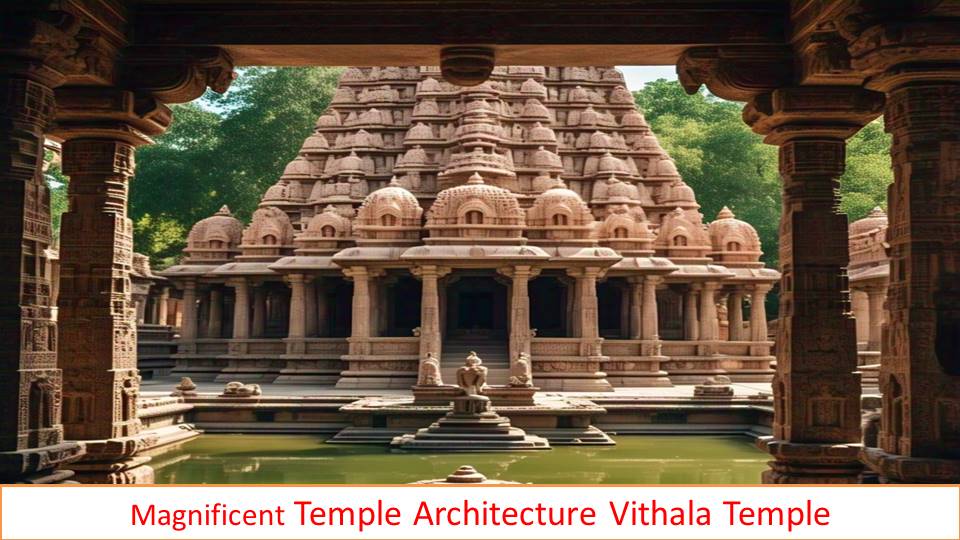
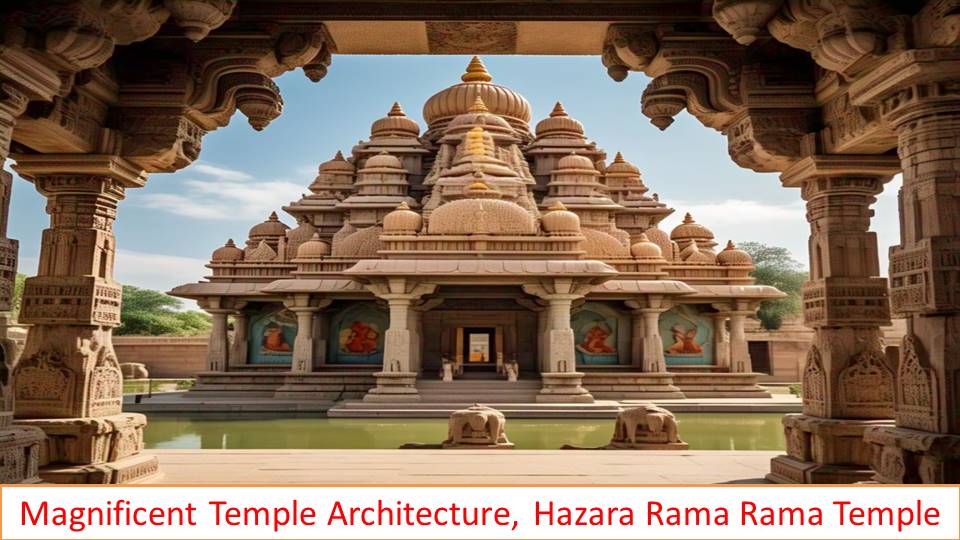
At the time Hinduism was the state religion of the Vijayanagara Empire.Both Vaishnavite and Shaivite traditions were prominent, with the rulers often patronizing both sects. The empire is famous for its magnificent temple architecture, including the Vitthala Temple and the Hazara Rama Temple.

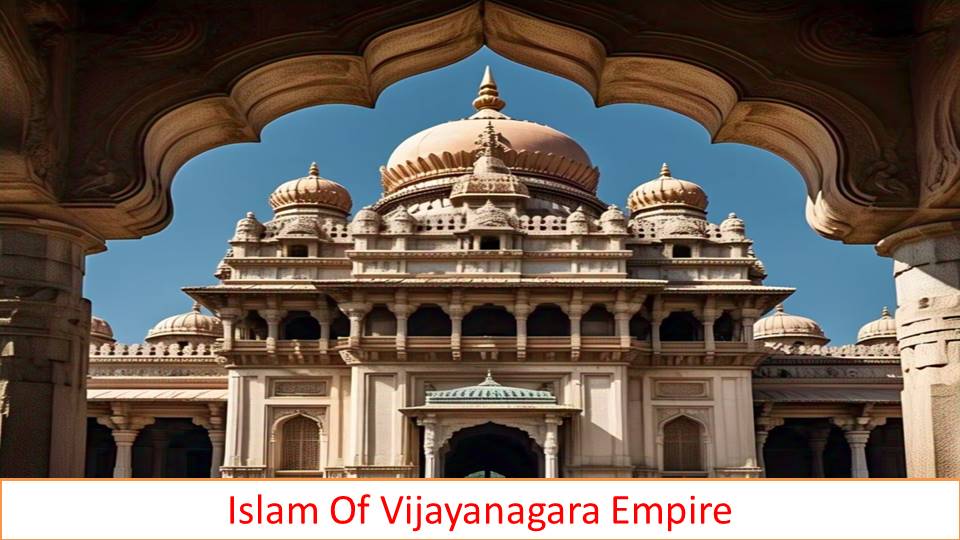
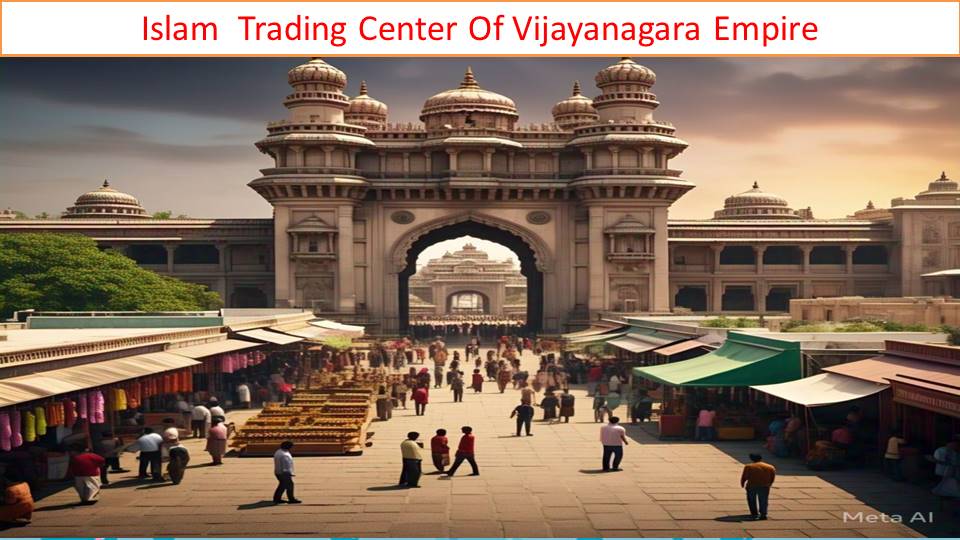
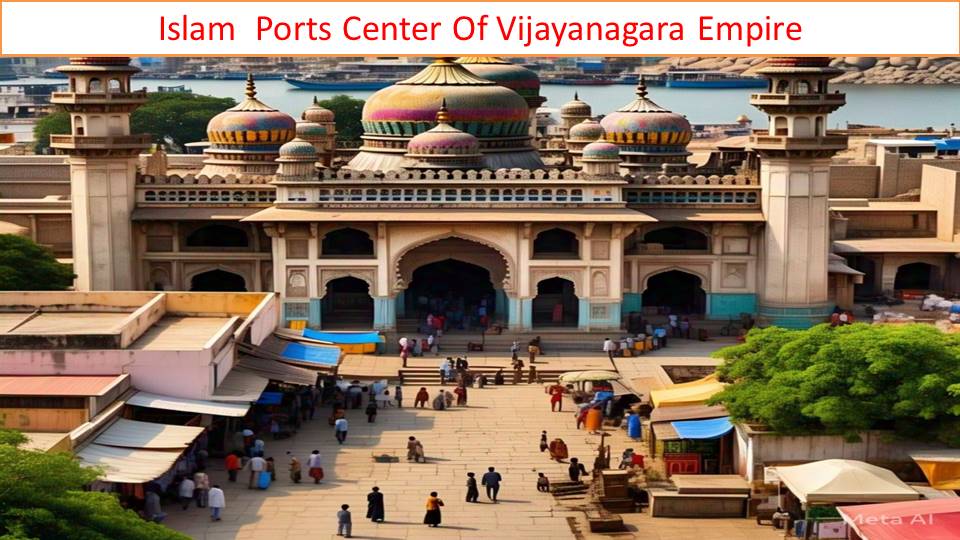
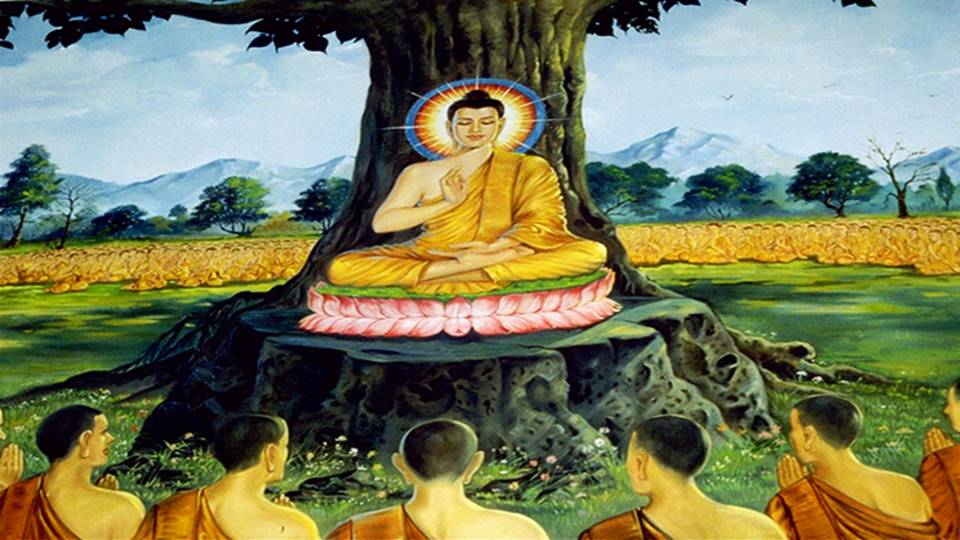
Islam was also present in the empire, particularly in the trading centers and ports. Jainism had a significant presence in the empire, especially in the early periods. Buddhism was also present, although its influence declined during the Vijayanagara period.

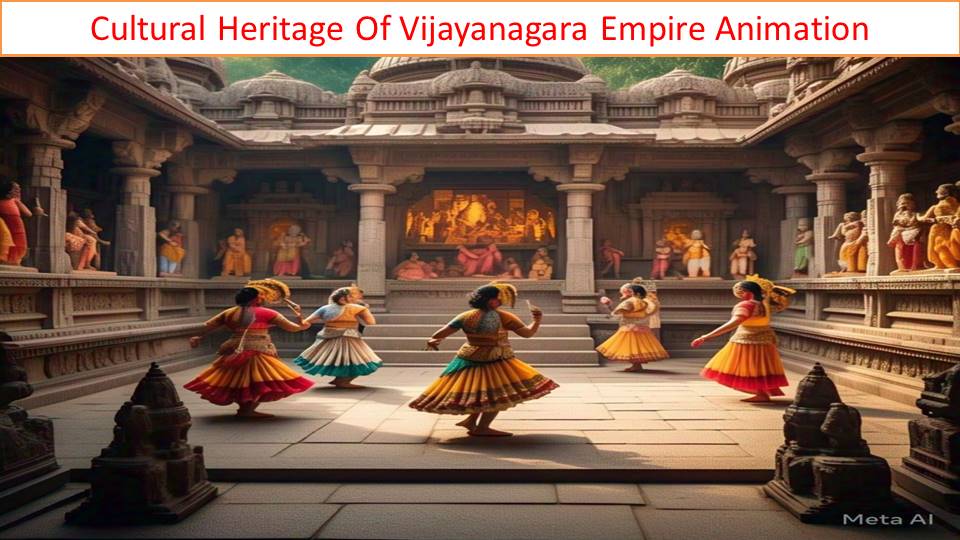
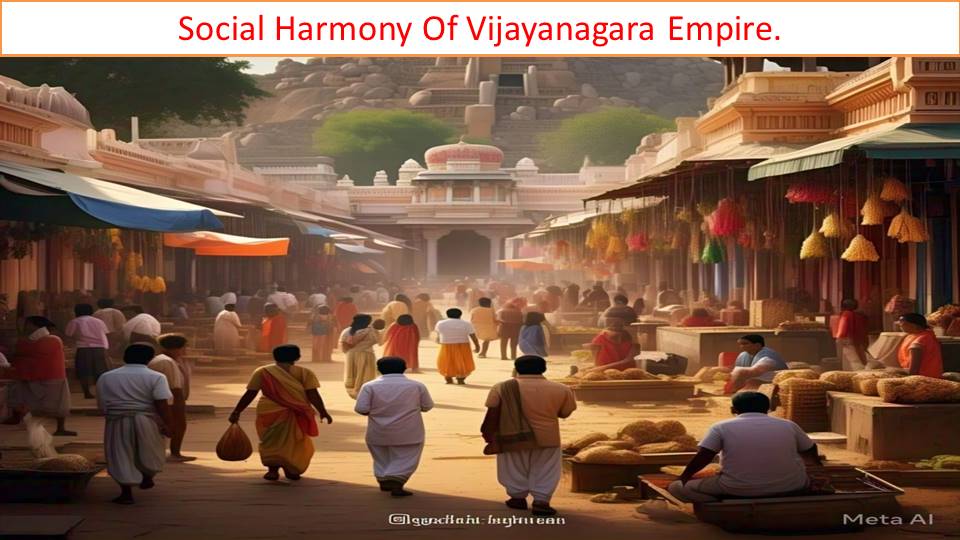
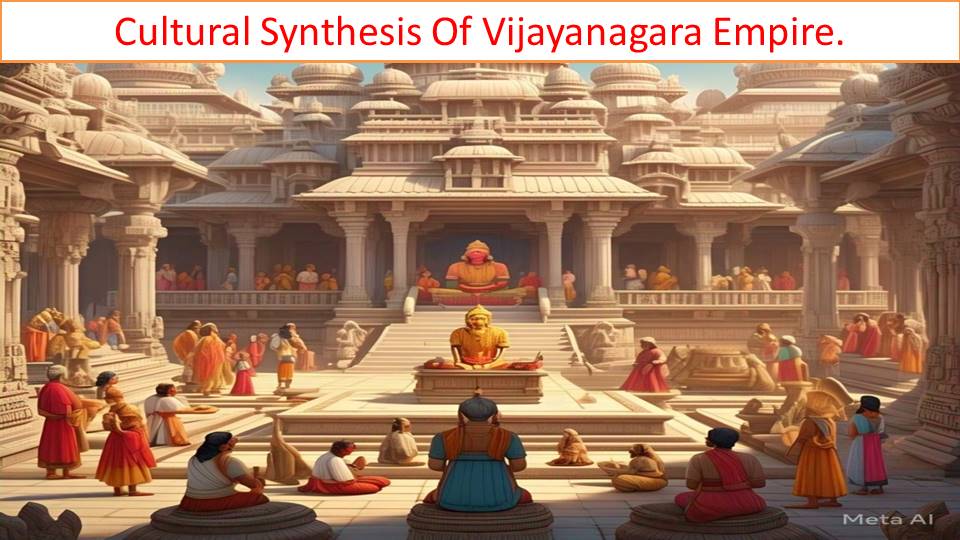
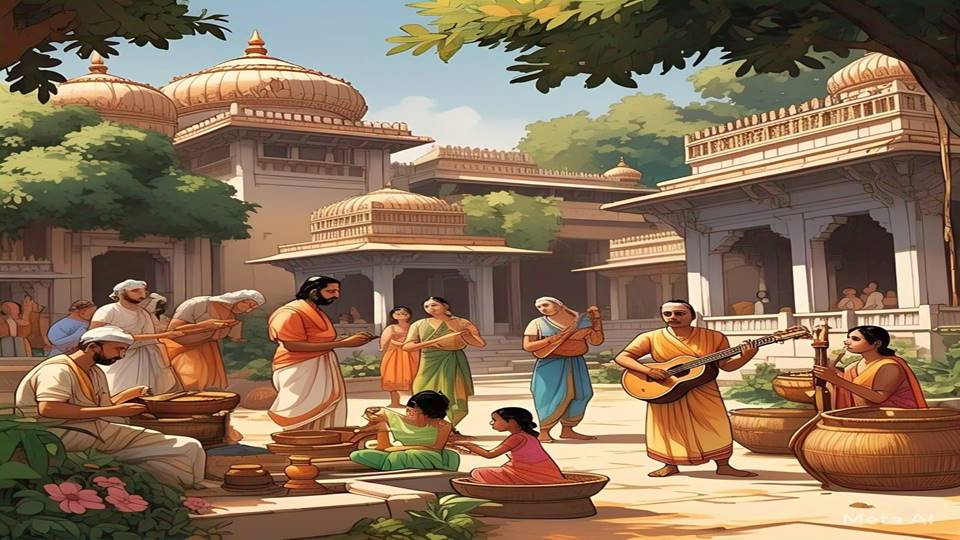
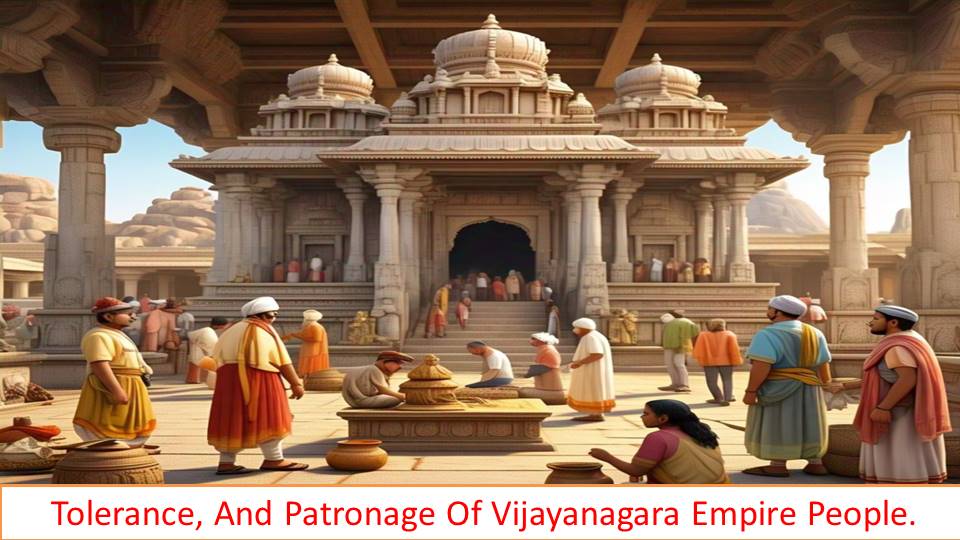
The Vijayanagara Empire was known for its religious tolerance, with different faiths coexisting peacefully.The rulers patronized various religious institutions and festivals, promoting a sense of unity and shared cultural heritage.TheVijayanagara Empire’s religious diversity contributed to a rich cultural synthesis, with different faiths influencing art, literature, and architecture. The empire’s religious tolerance helped maintain social harmony, allowing people of different faiths to live and work together peacefully.

The Vijayanagara Empire’s religious system was characterized by diversity, tolerance, and patronage, which contributed to its cultural and social achievements.The early rulers of Vijayanagara supported Shaivites and Veerashaivites, while the later rulers favored Vaishnavites. In Vijayanagar, mosques and dargahs were constructed for the Muslim community. The Vijayanagara kings engaged in trade with the Portuguese and welcomed Christianity by allowing the establishment of churches.
The Vijayanagara Empire, which flourished in South India from the 14th to the 17th century, was a significant center of literary activity.
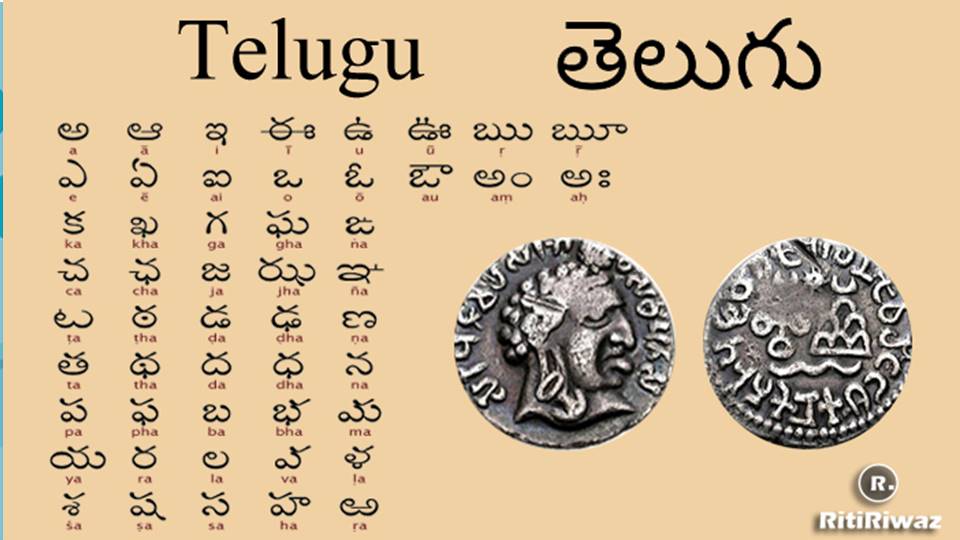
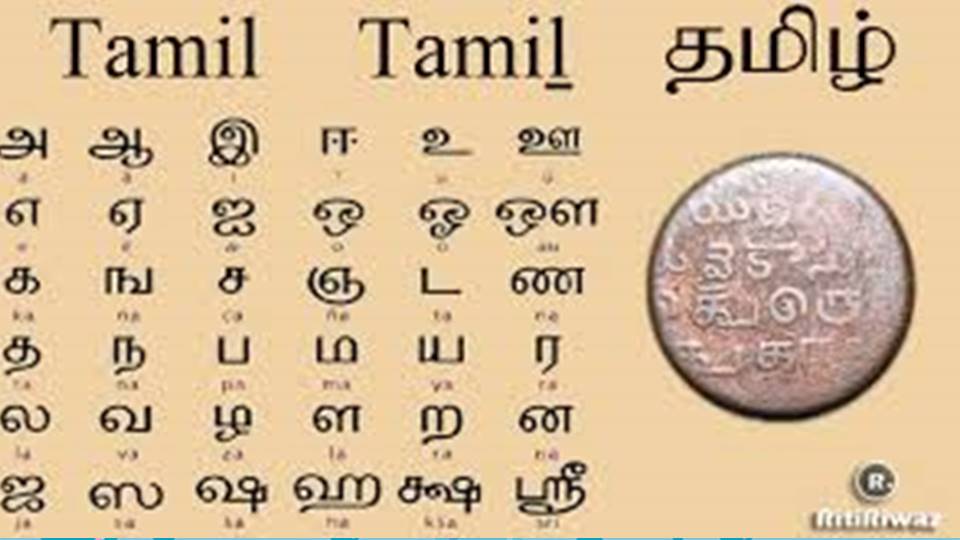
 Languages: Sanskrit was the language of royal court and literature, with many famous works written during this period.Kannada was the language of the common people and was used extensively in literature, including poetry and prose.Telugu was also an important language during this period, with many literary works written in it. Tamil was another language used in literature, particularly in the southern regions of the empire.

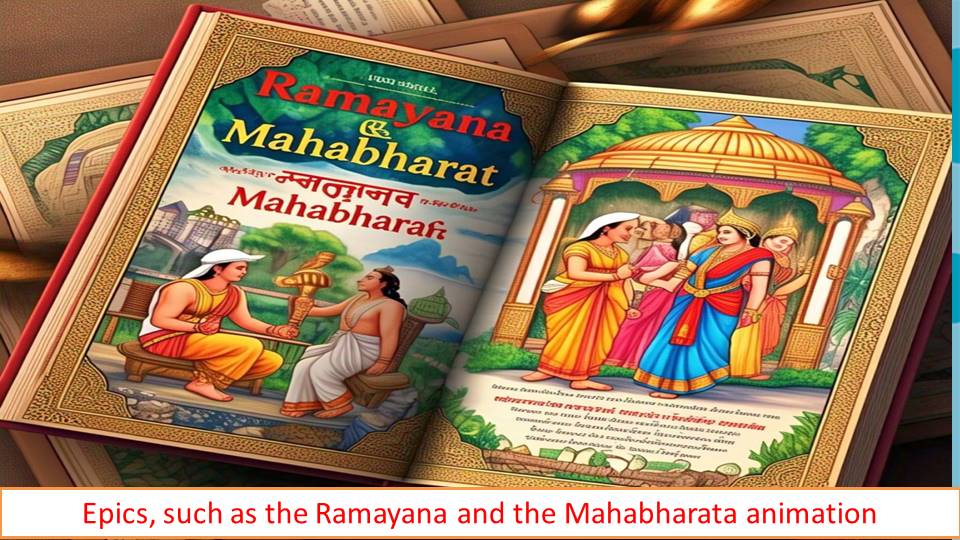
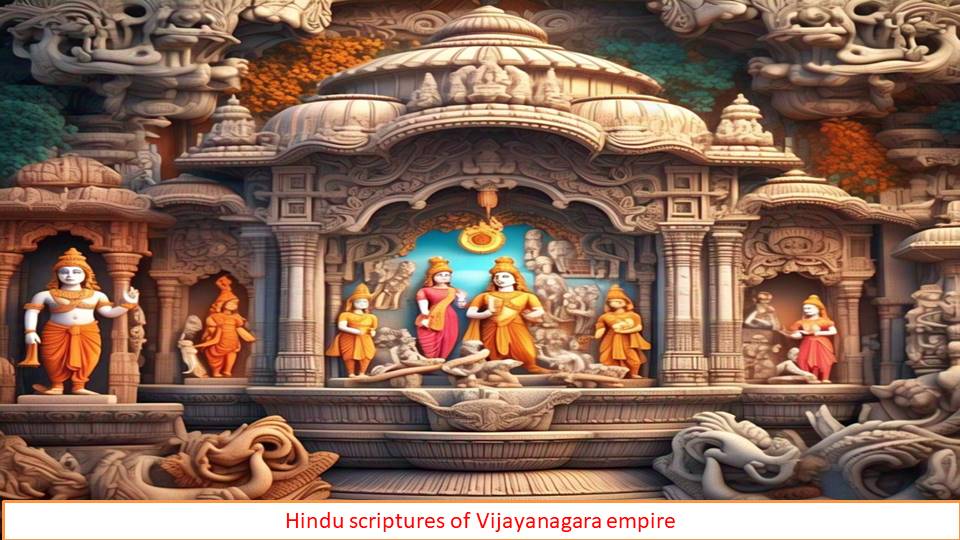
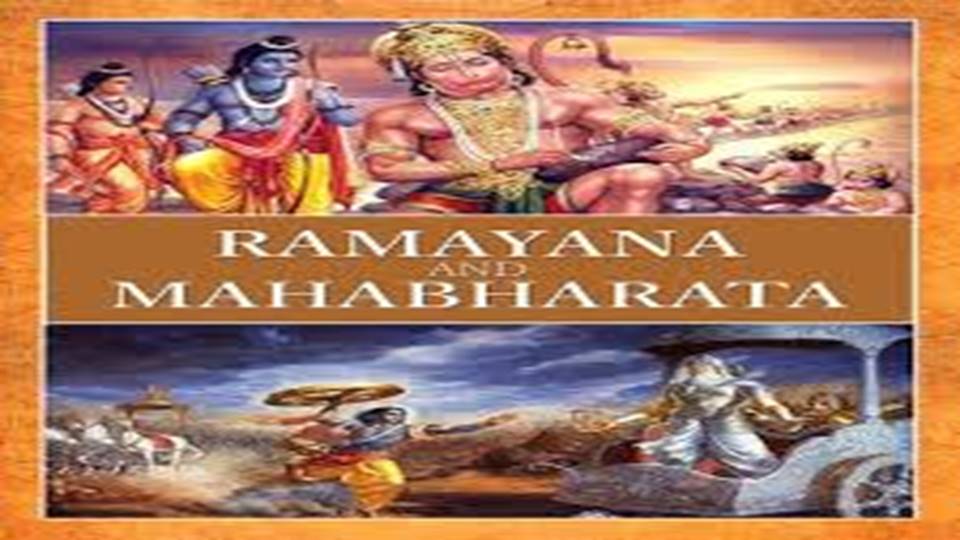
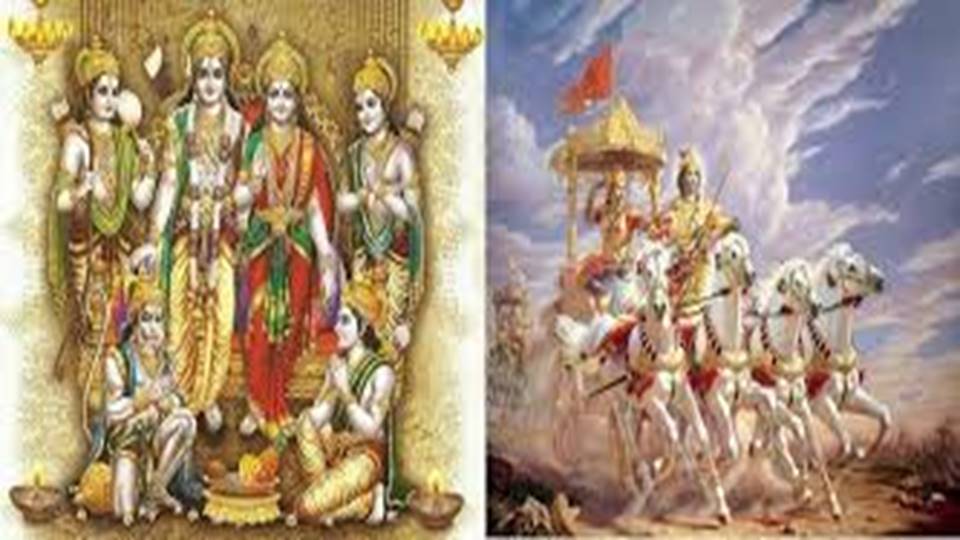
Poetry was a popular form of literature, with many famous poets writing during this period. Epics, such as the Ramayana and the Mahabharata, were also popular and were translated into various languages.Puranas, which are Hindu scriptures, were also written and translated during this period.Biographies of famous kings and saints were also written during this period.

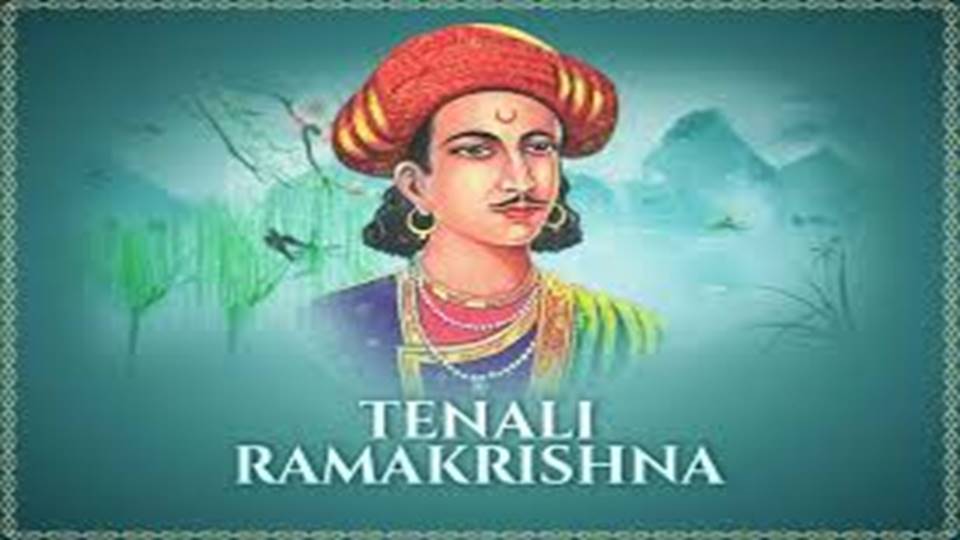
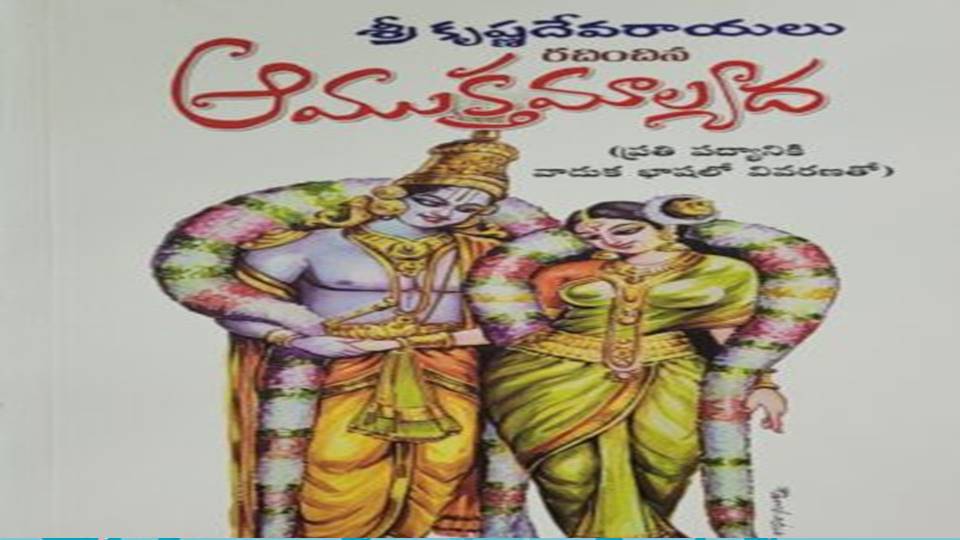
Tenali Ramakrishna was a famous Telugu poet and writer who was a part of the royal court.Krishnadevaraya, the emperor himself, was a patron of literature and wrote several works, including the Telugu classic “Amuktamalyada”.

Hinduism was a dominant theme in the literature of the Vijayanagara Empire, with many works written on Hindu mythology and philosophy.Patriotism was another important theme, with many works written on the glory of the empire and its rulers.

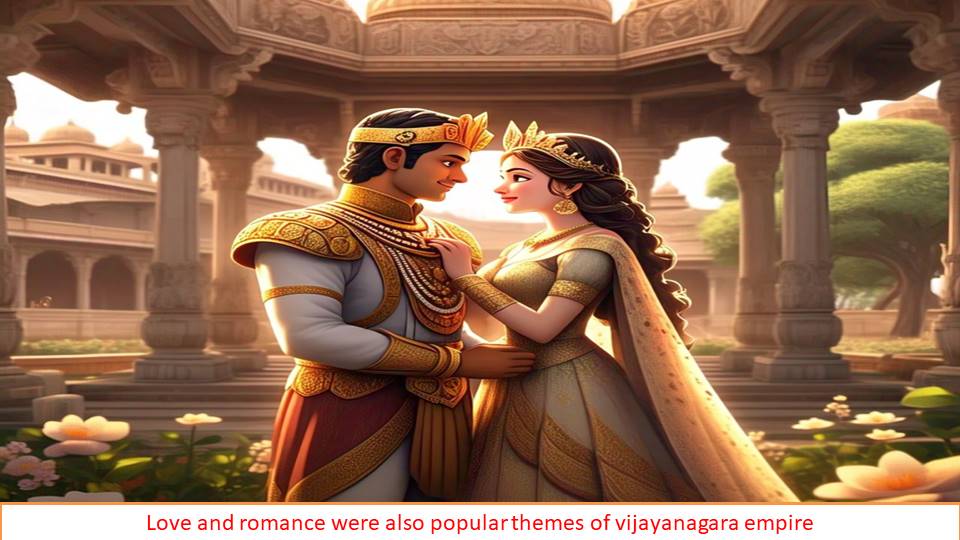
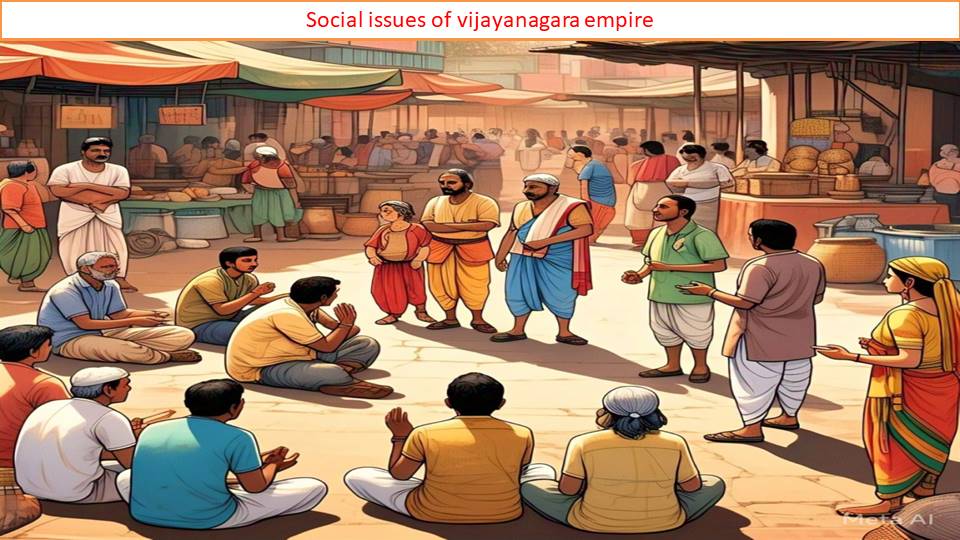
 Love and romance were also popular themes, with many works written on these topics. Social issues, such as caste and social inequality, were also addressed in the literature of the Vijayanagara Empire.
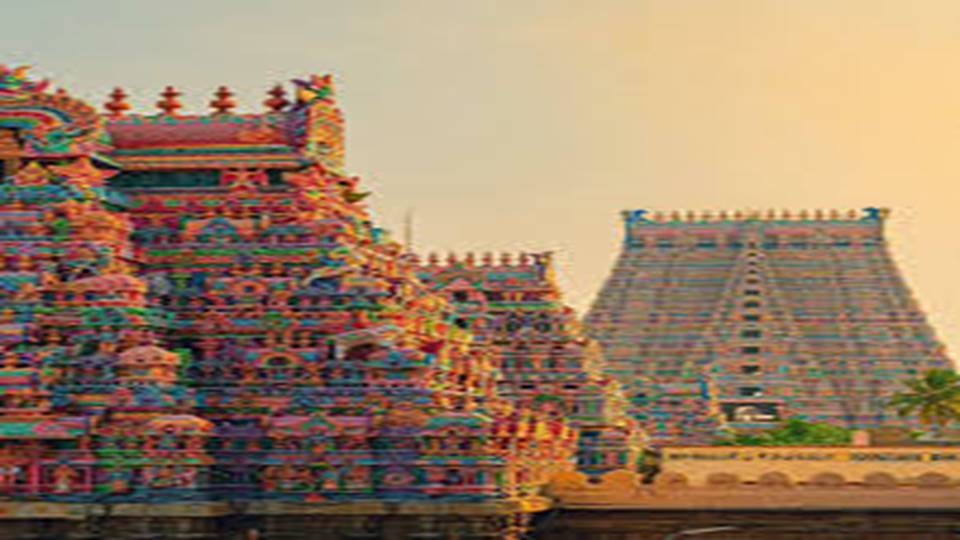
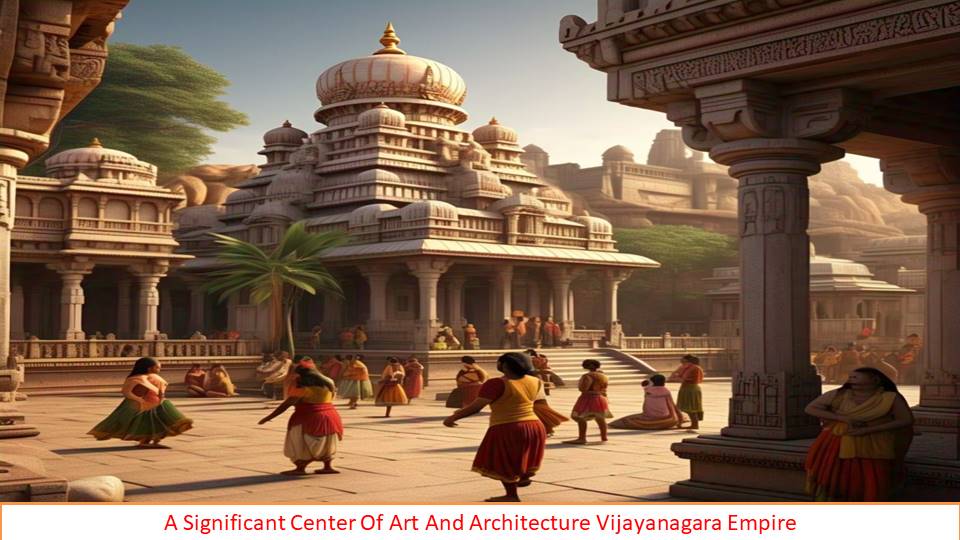
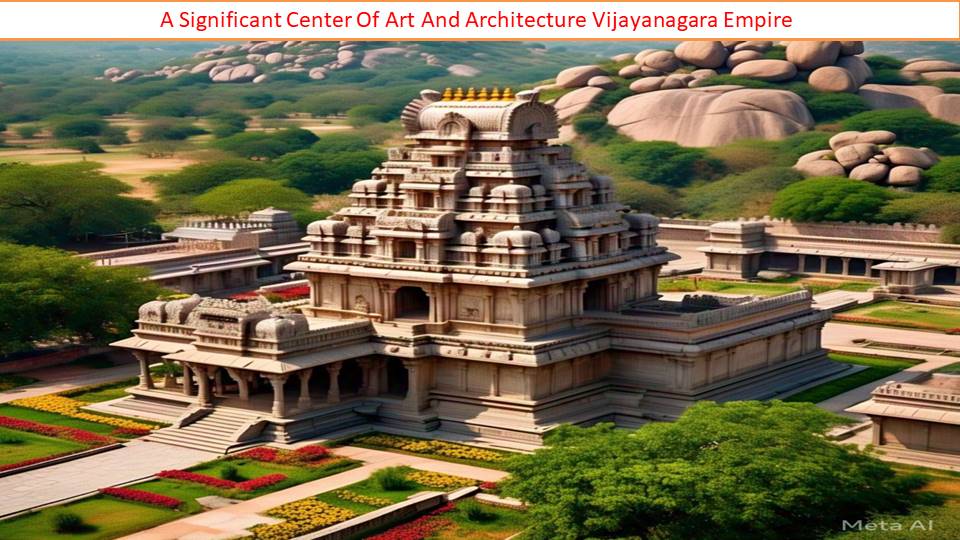
The Vijayanagara Empire, which flourished in South India from the 14th to the 17th century, was a significant center of art and architecture.

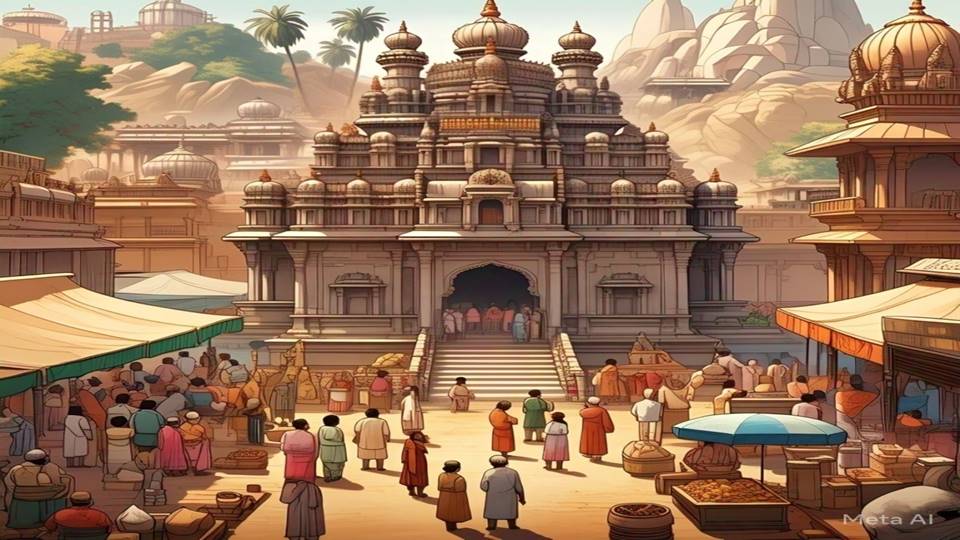
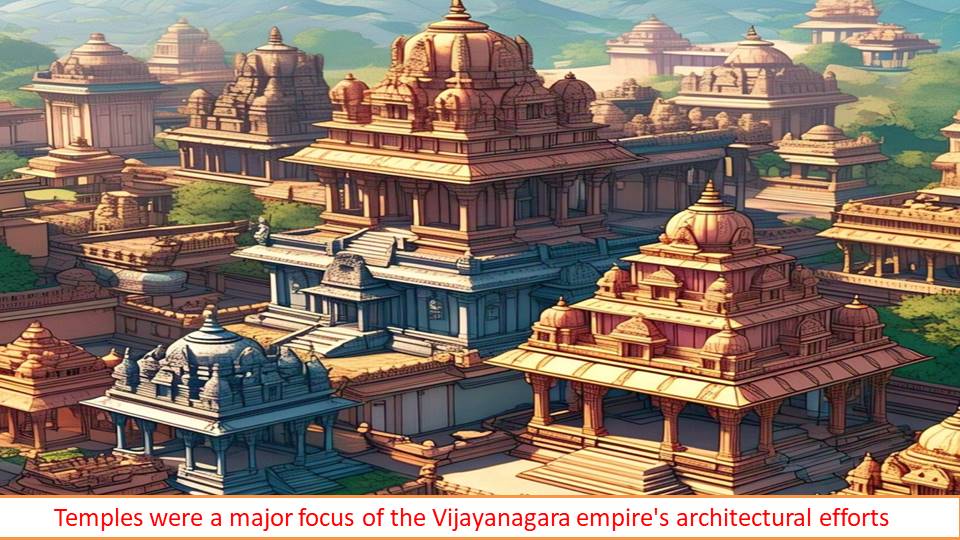
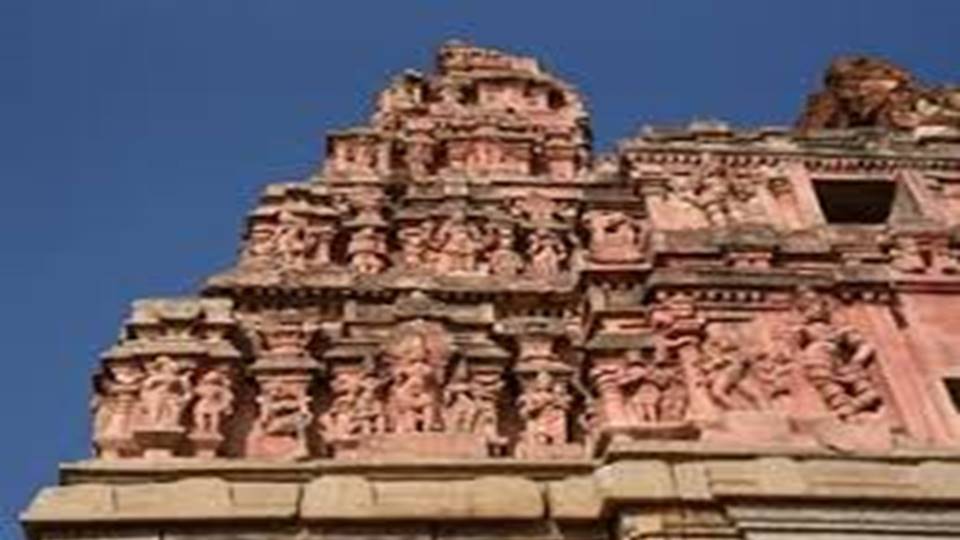
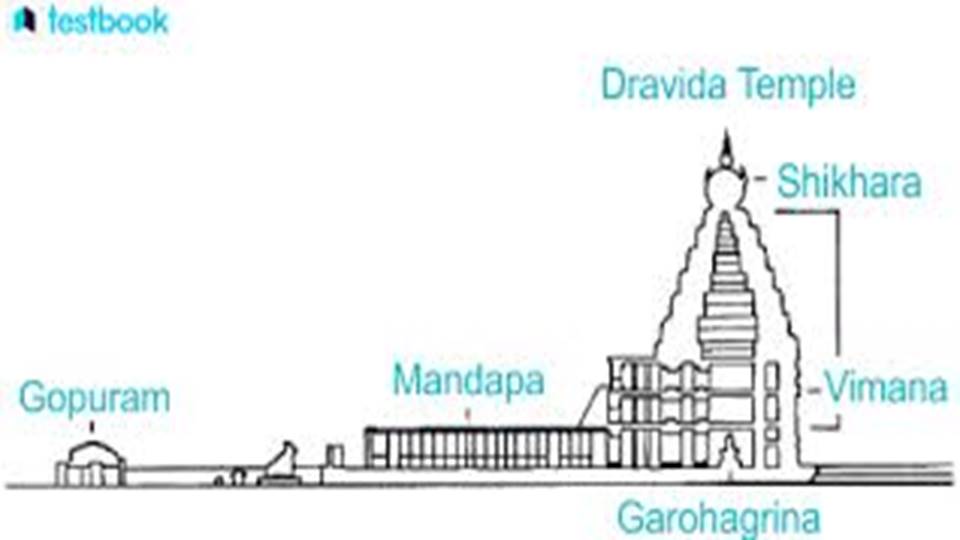
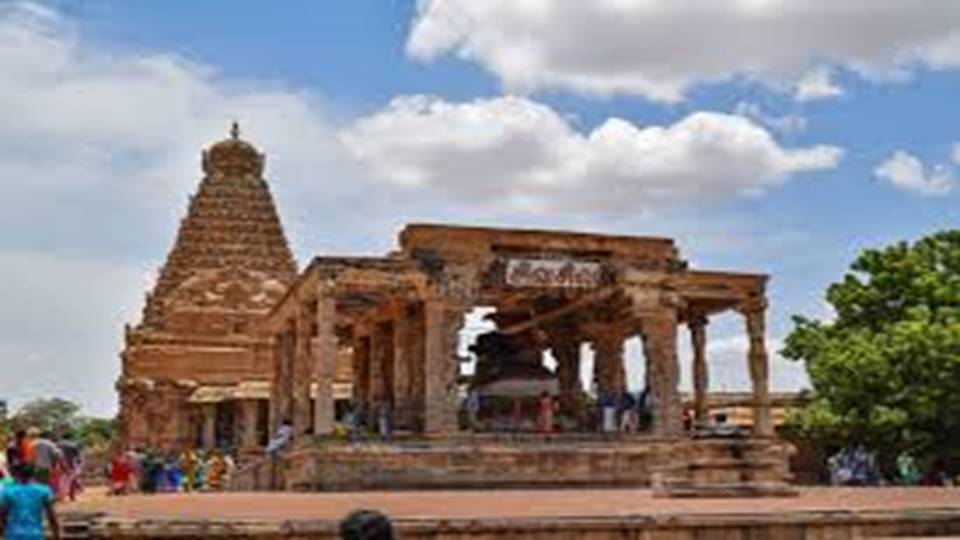
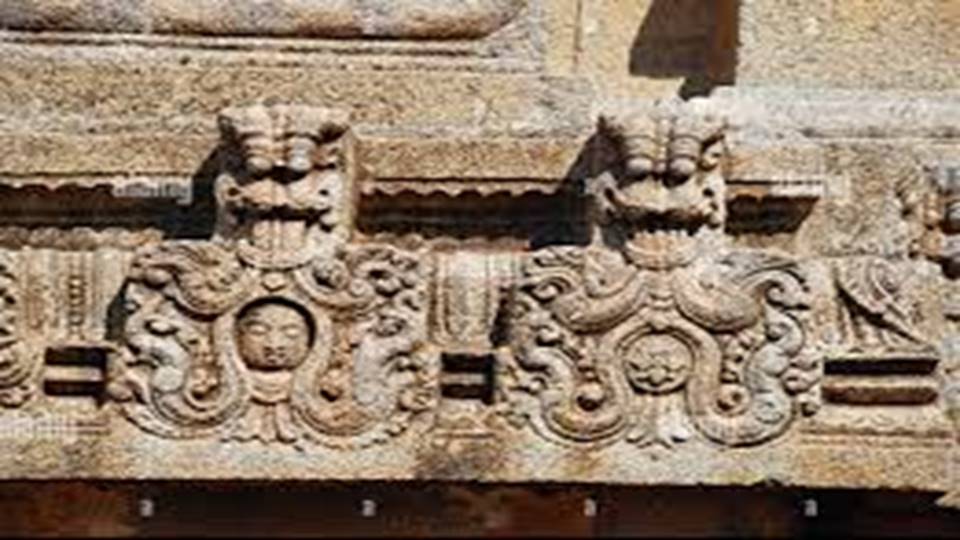
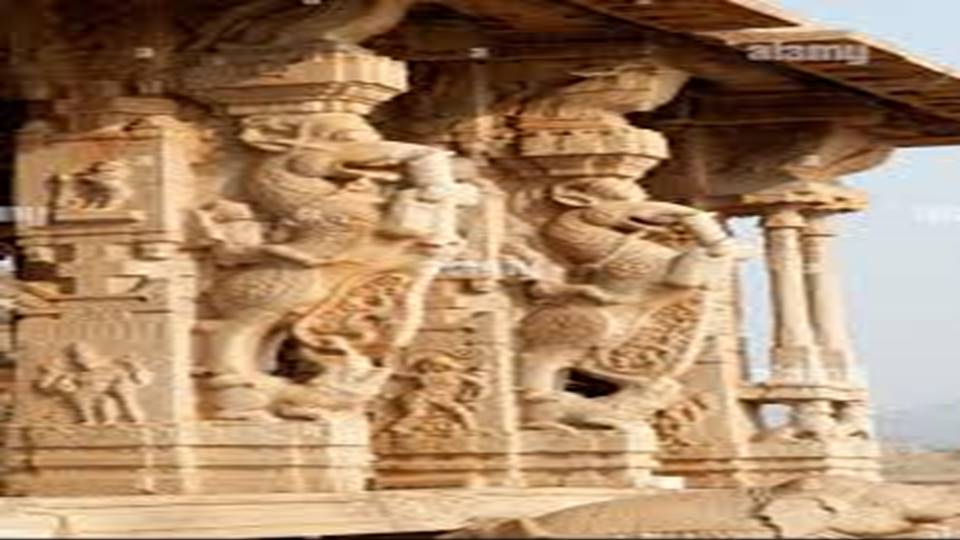
The Vijayanagara Empire’s architecture was characterized by the Dravidian style, which emphasized the use of granite and soapstone.Temples were a major focus of the empire’s architectural efforts, with many magnificent temples built during this period. Intricate carvings and sculptures were a hallmark of Vijayanagara art and architecture.Buildings and temples were adorned with ornate decorations, including intricate carvings, gopuramsand vimanas

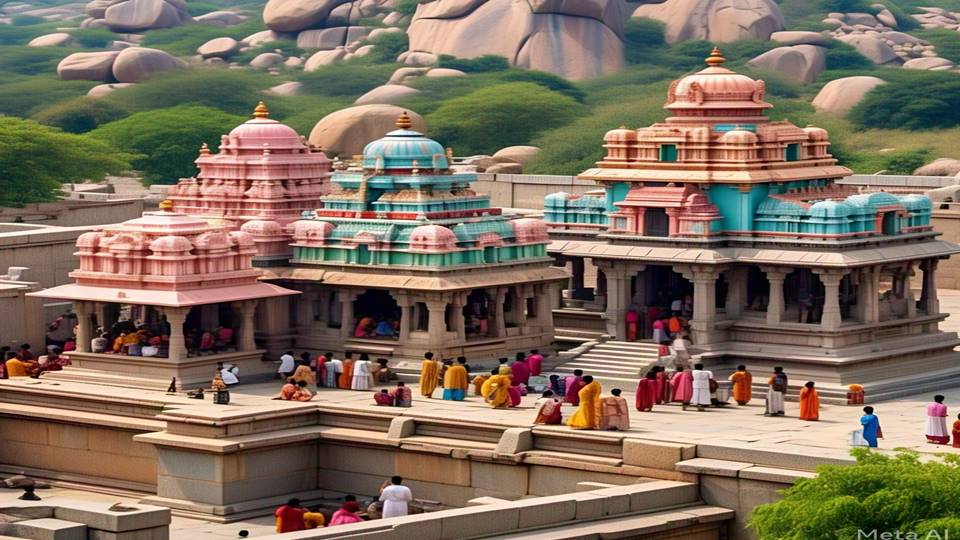
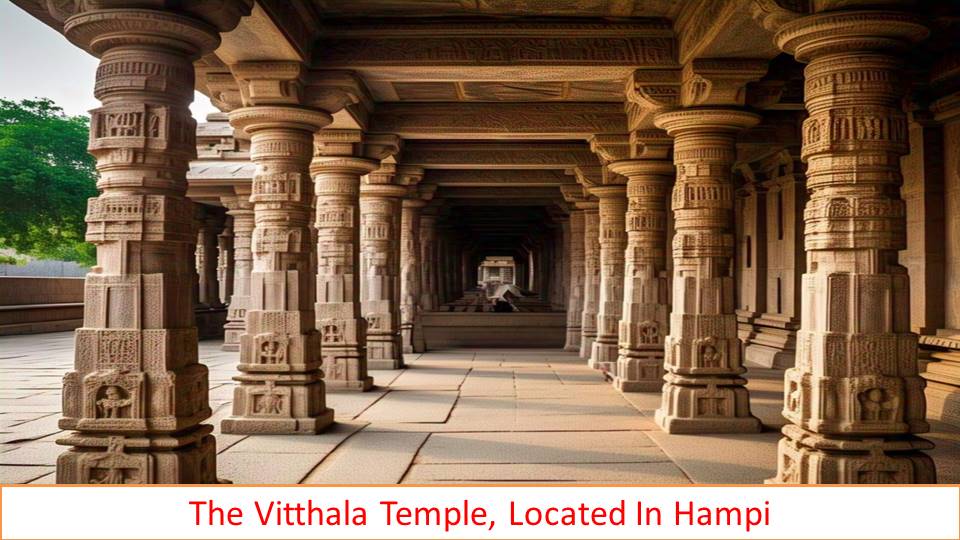
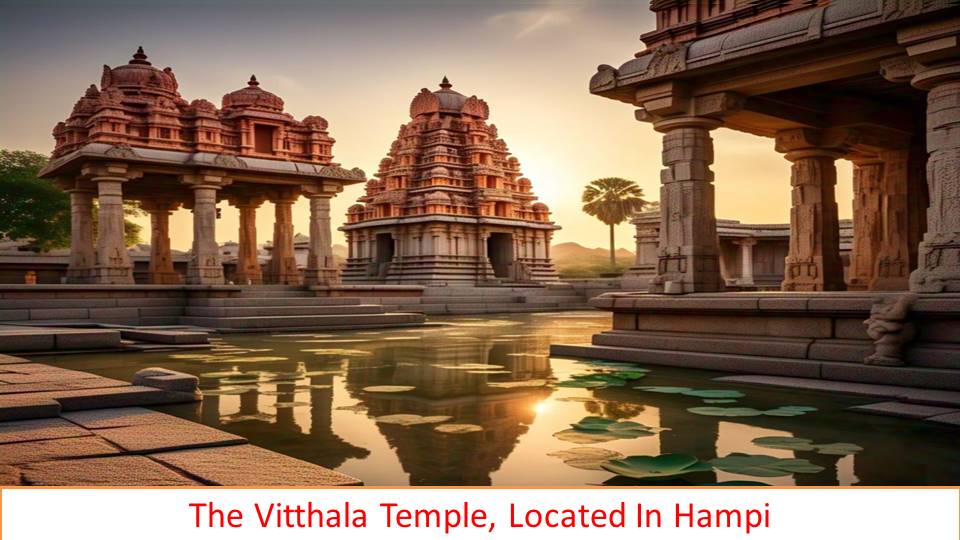
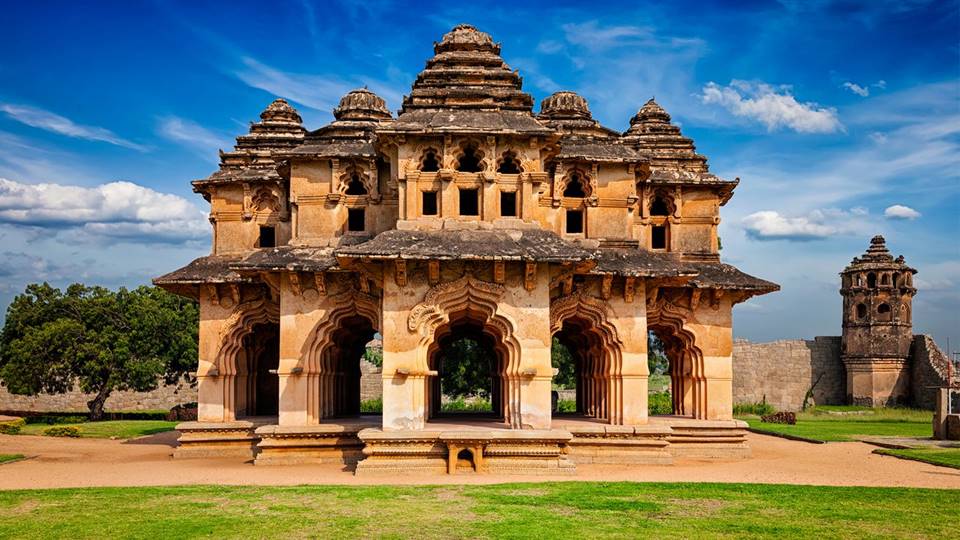
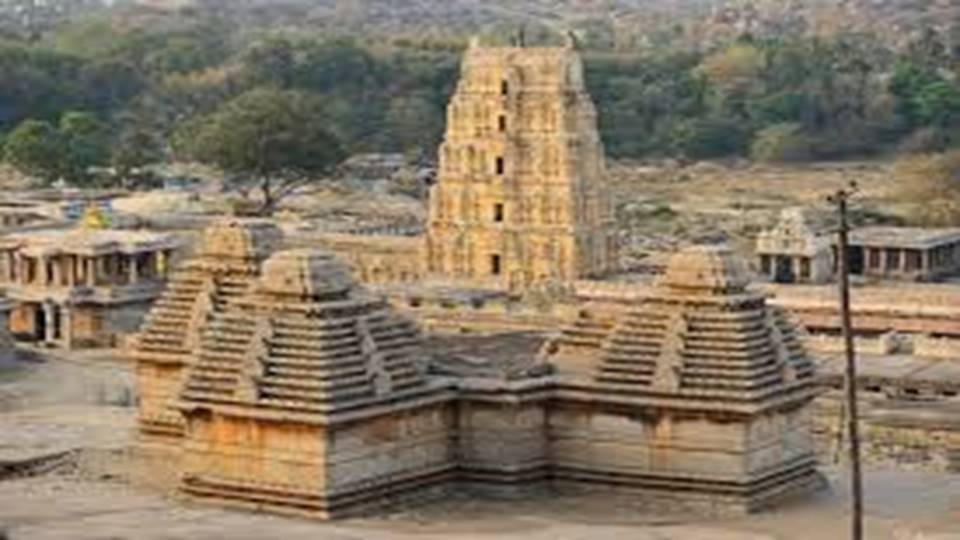
The Vitthala Temple, located in Hampi, is one of the most famous monuments of the Vijayanagara Empire. The Hazara Rama Temple, also located in Hampi, is another notable example of Vijayanagaraarchitecture.TheVirupaksha Temple, located in Hampi, is one of the oldest and most revered temples of the VijayanagaraEmpire.The Lotus Mahal, located in Hampi, is a beautiful example of Vijayanagara architecture, with its intricate carvings and ornate decorations.

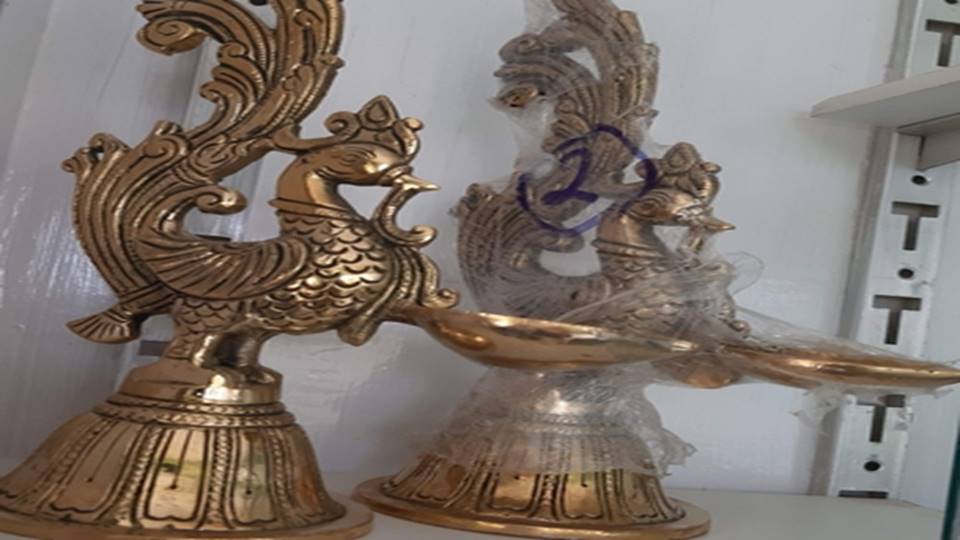
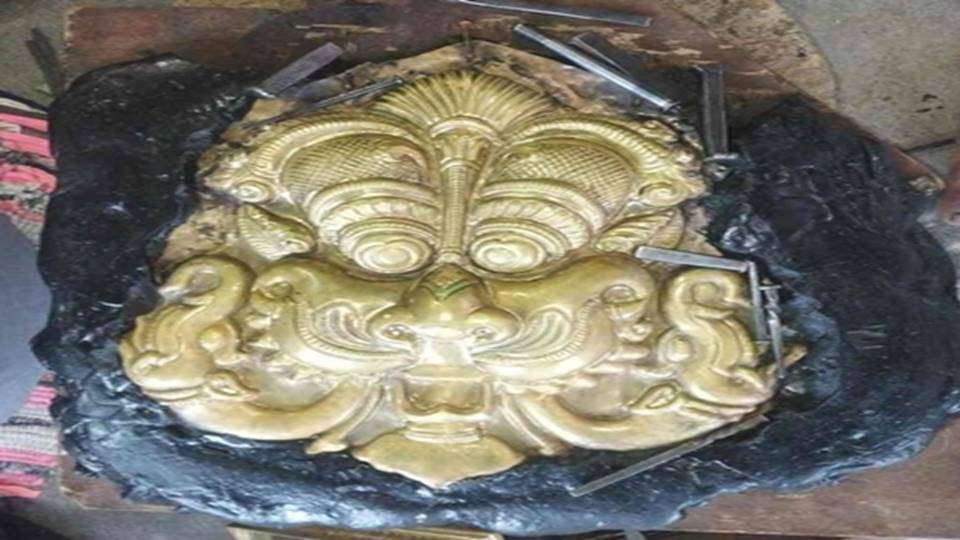
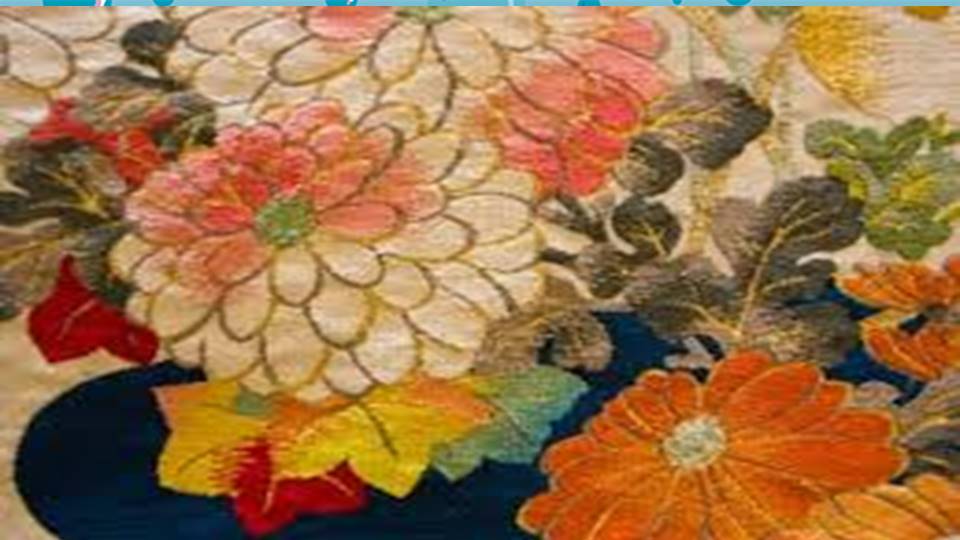
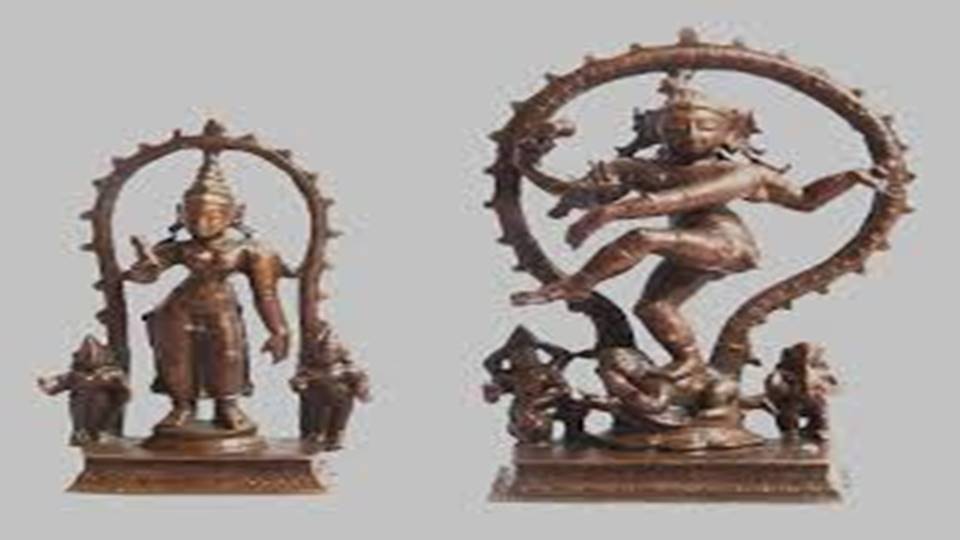
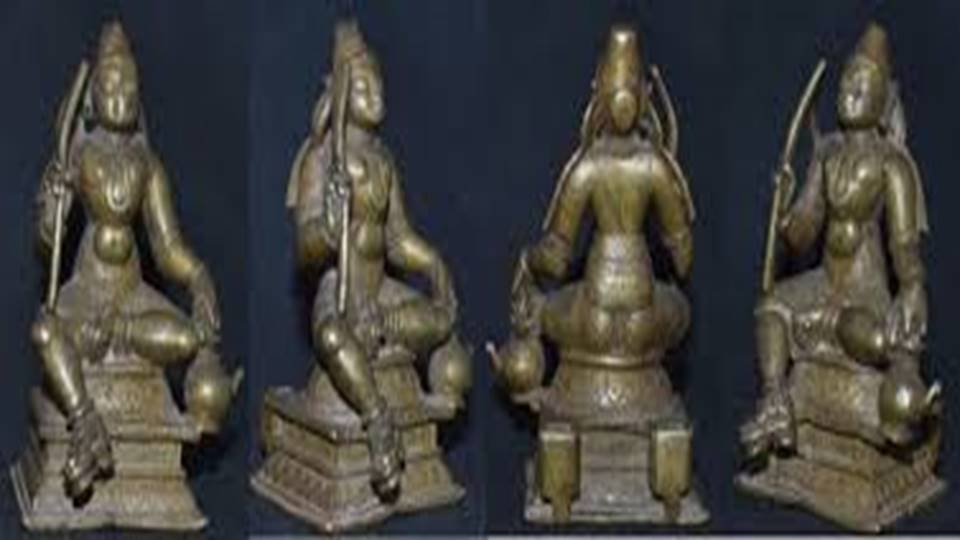
Sculptures were another important art form, with many magnificent sculptures created during this period.Metalwork was also an important art form, with many beautiful pieces created during this period. Textiles were another important art form, with many beautiful fabrics created during this period.

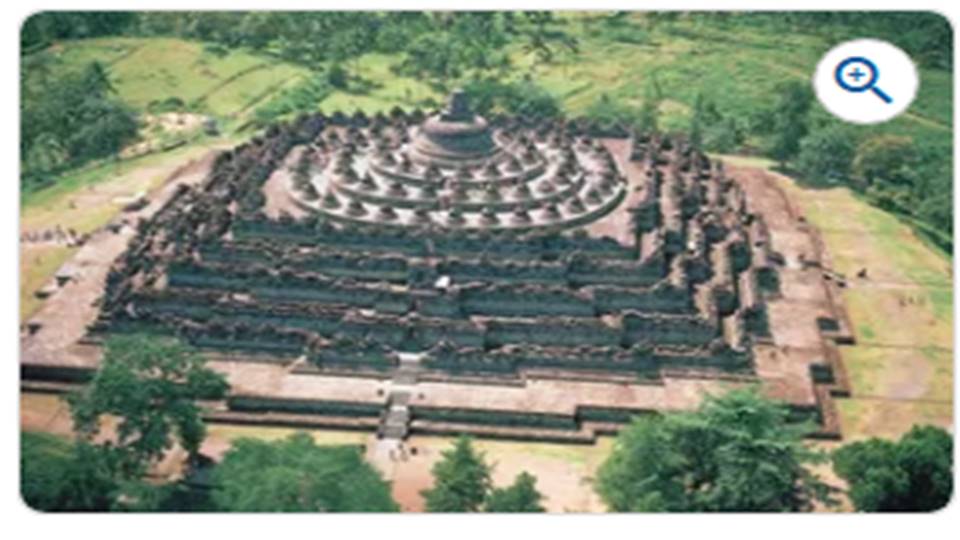
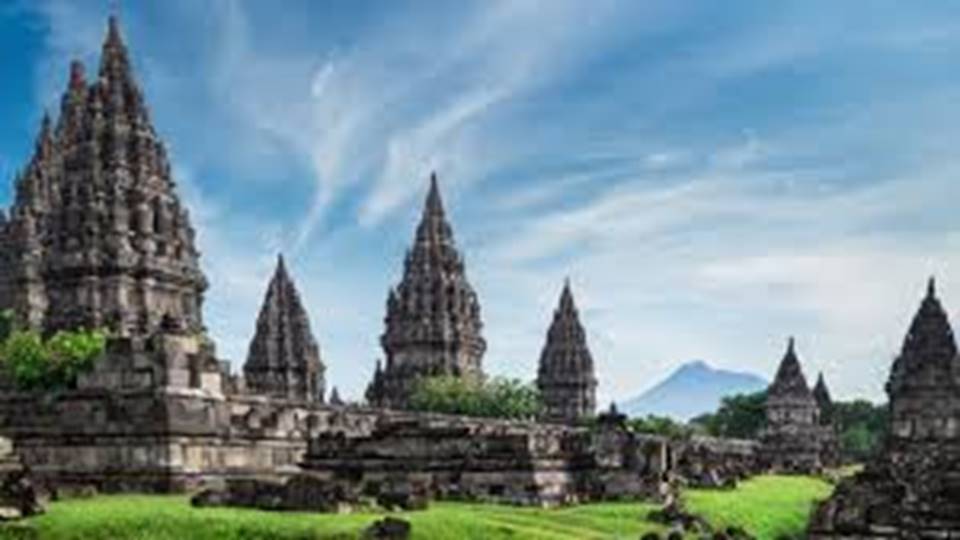
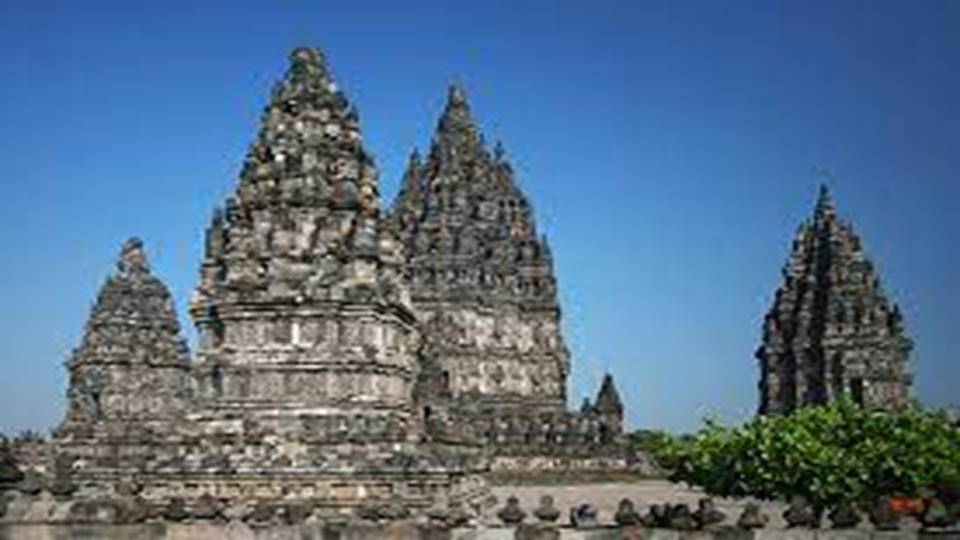
The Vijayanagara Empire’s architecture had a significant influence on South Indian architecture.The empire’s art and architecture had a significant influence on Indian art and architecture as a whole.The Vijayanagara Empire’s architecture also had an influence on Southeast Asian architecture, particularly in Indonesia and Malaysia.

Vijayanagara art is characterized by the Dravidian style of architecture, which emphasizes the use of granite and soapstone.: The empire’s temples are known for their impressive gopurams (gateways) that serve as entrances to the temple complex. The towering vimanas (temple towers) are another distinctive feature of Vijayanagara architecture.

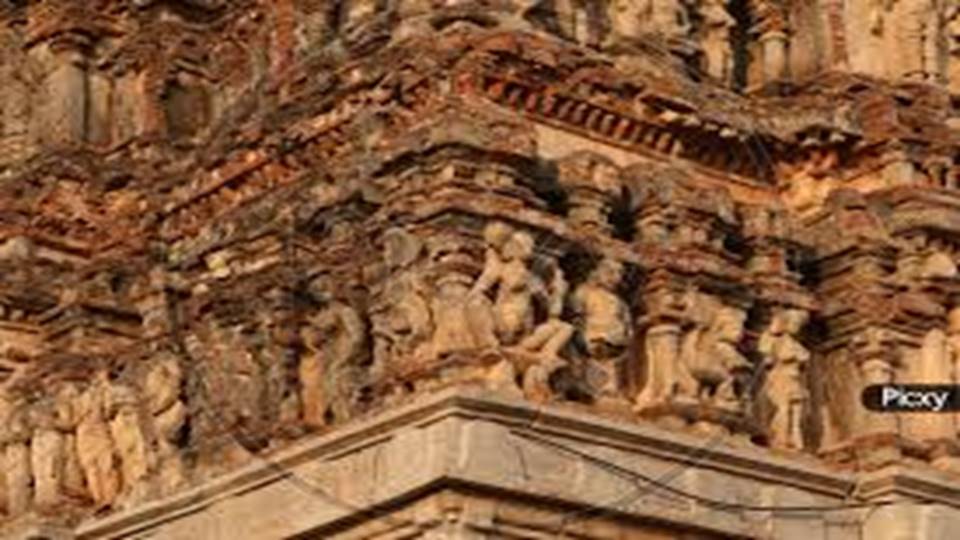
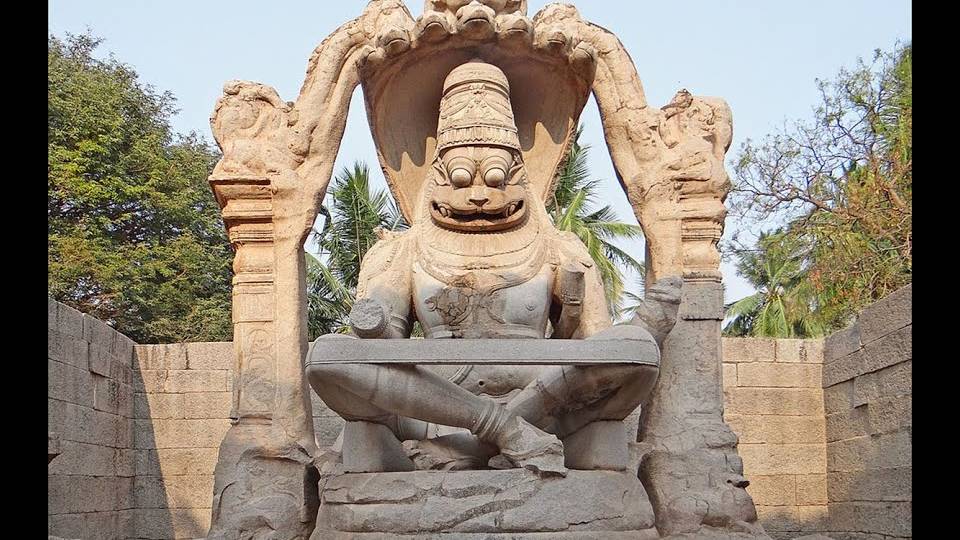
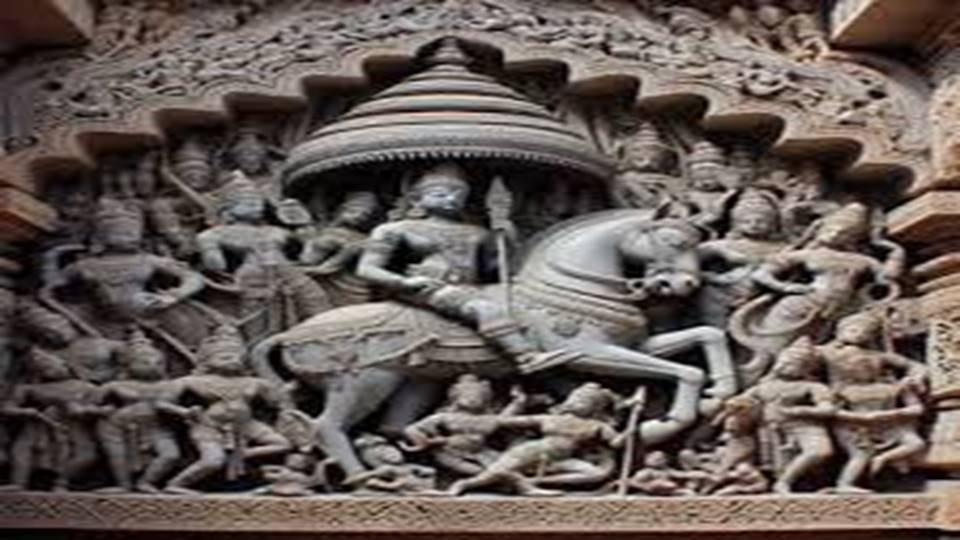
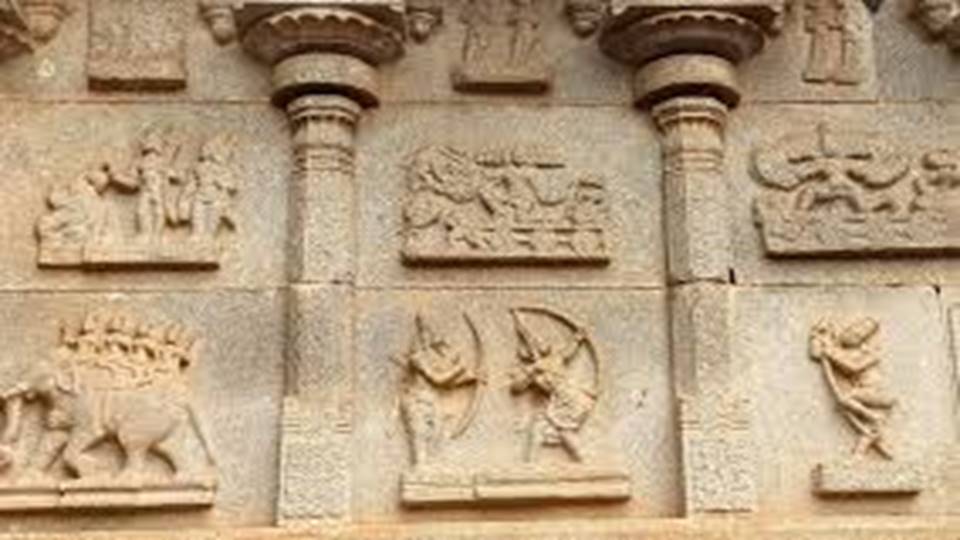
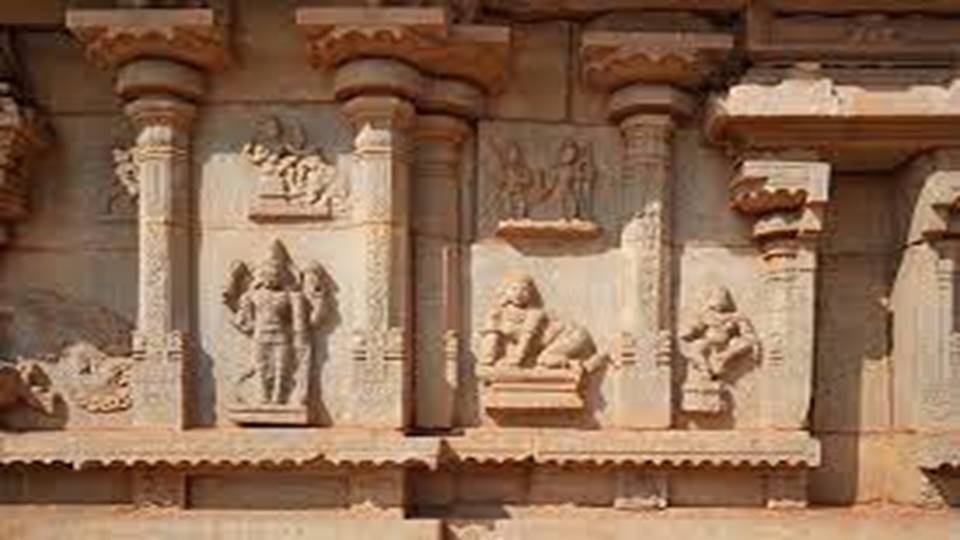
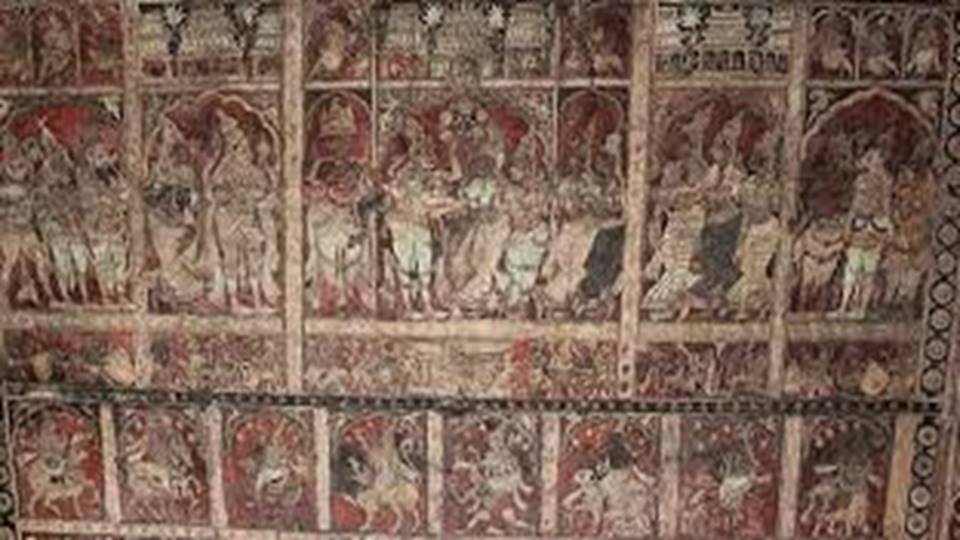
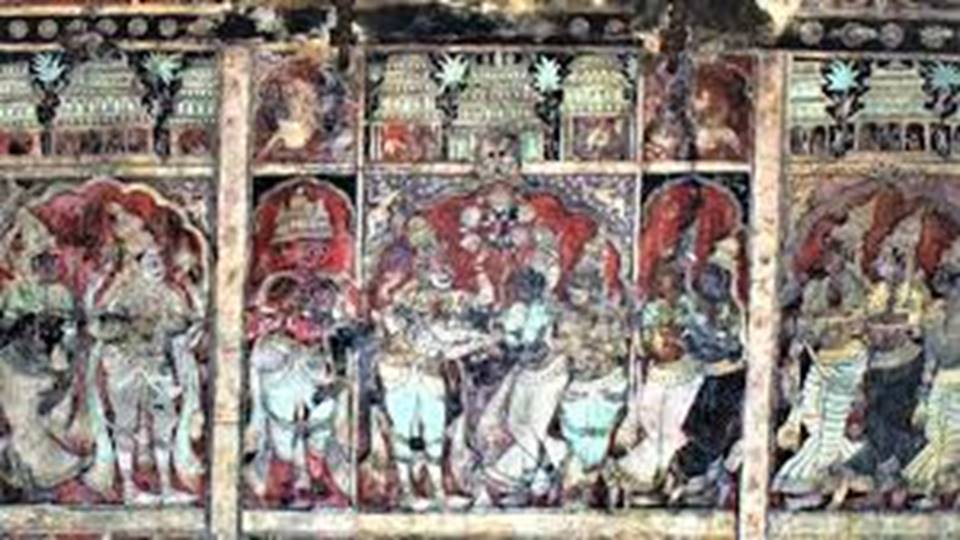
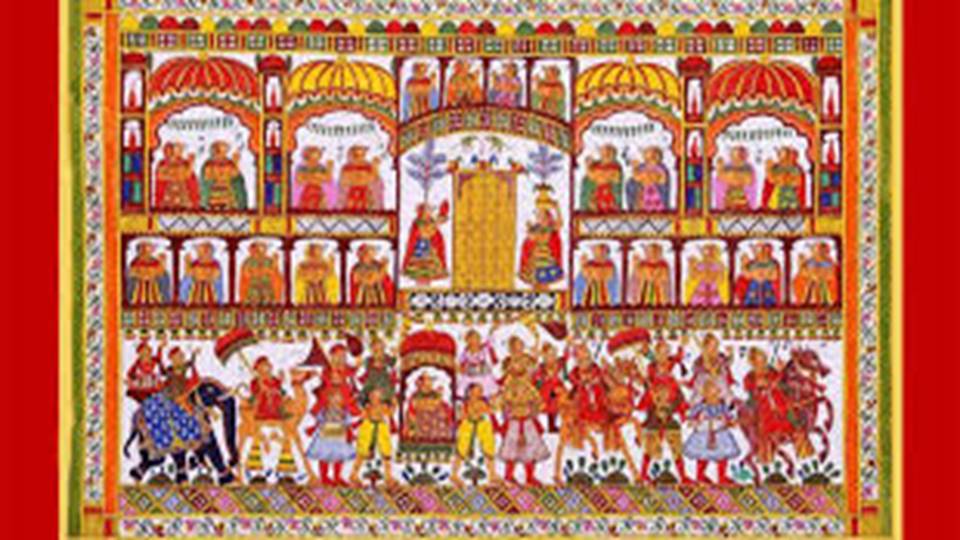
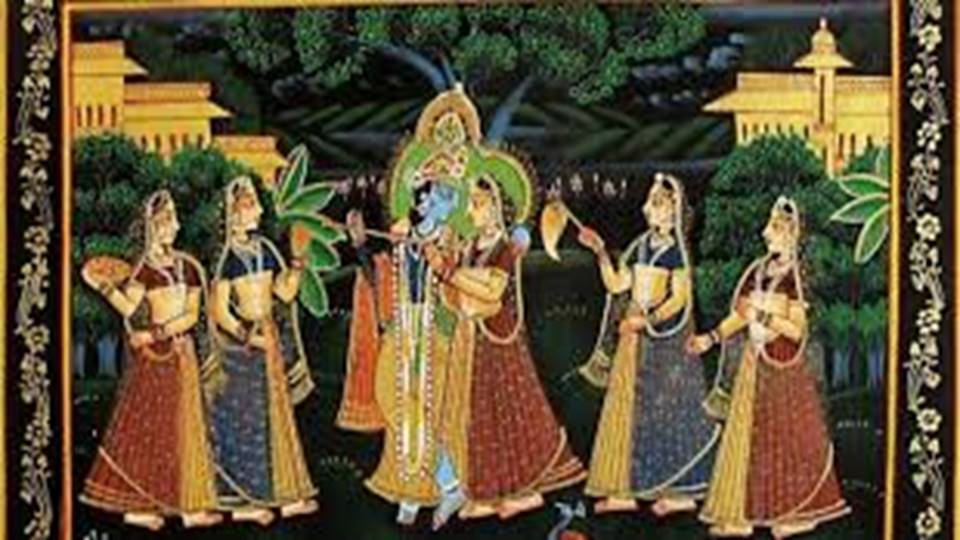
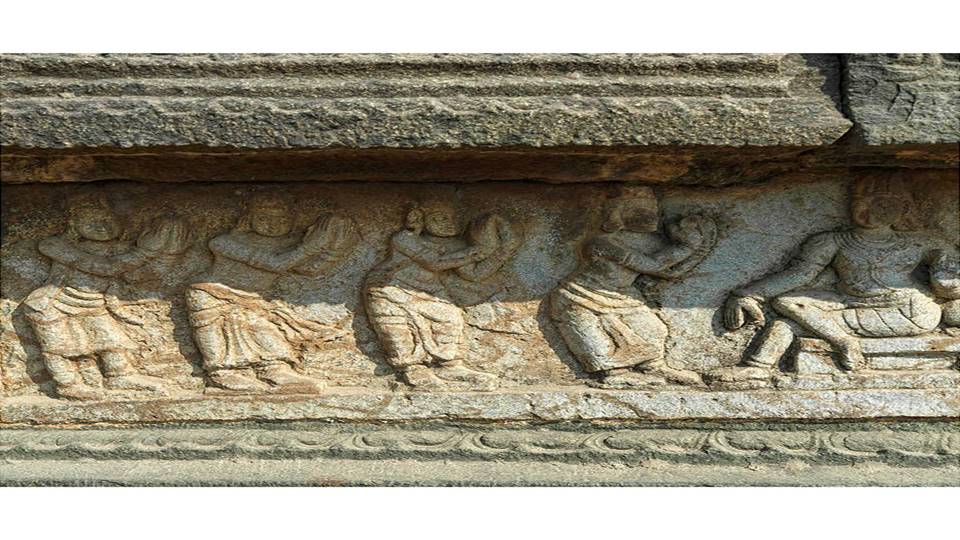
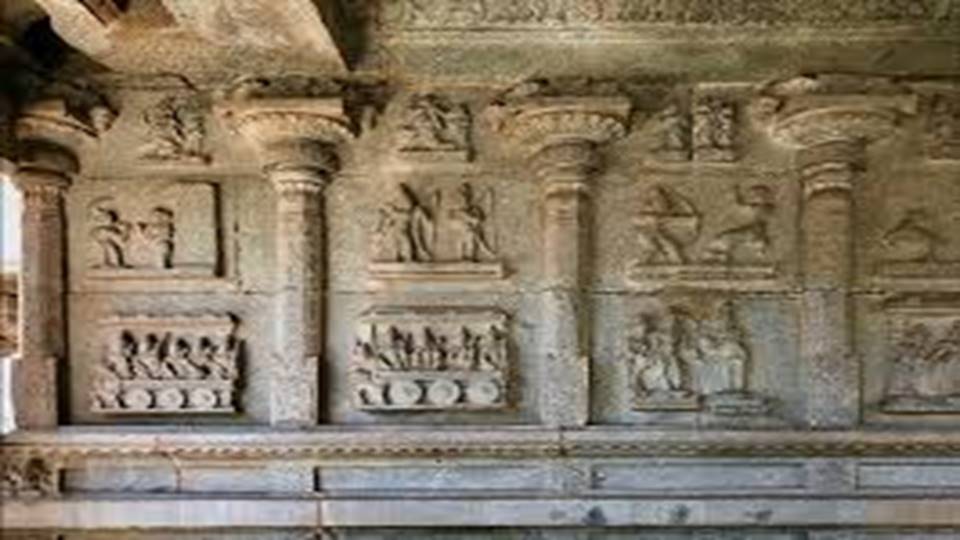
Vijayanagara sculptures are renowned for their intricate carvings and detailed ornamentation.: The sculptures often depict real-life scenes and figures, showcasing the empire’s mastery of realistic art.: Mythological themes and stories from Hindu epics like the Ramayana and Mahabharata are commonly depicted in Vijayanagarasculptures.Vijayanagara paintings often depict leisurely scenes of royal life, showcasing the empire’s love of luxury and opulence.: The paintings are characterized by vibrant colors and intricate details, reflecting the empire’s mastery of color and composition.

Influence of Regional Styles: Vijayanagara paintings show the influence of regional styles, such as the Deccani and Rajasthanistyles.Vijayanagara art is also known for its exquisite metalwork, including intricate bronze and copper sculptures.The empire’s textiles, such as silk and cotton fabrics, are renowned for their intricate designs and patterns.Vijayanagara art is characterized by ornate decorations, including intricate carvings, moldings, and other forms of ornamentation.