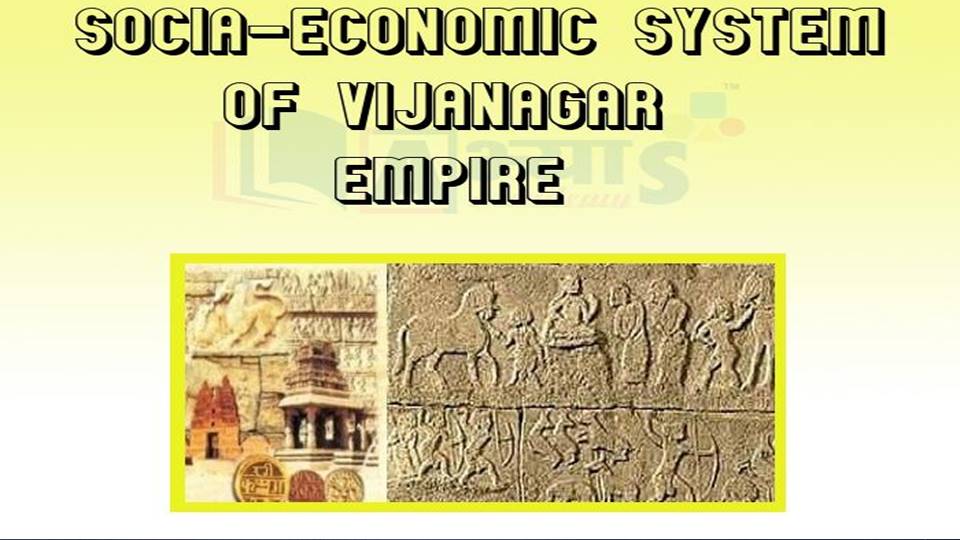
Social & Economic system of Vijayanagar Empire
SUBUNIT – IV
 Social & Economic system of Vijayanagar Empire
Â
The king enjoyed absolute power in judicial matters. The provincial of ficersused to dispense justice in the provinces. Punishment used to be severe. The villagewas the last level of administration andthe Grama Sabhas used to carry on the administration there. The Gowda, Karani and Talwar used to assist in the village administration.
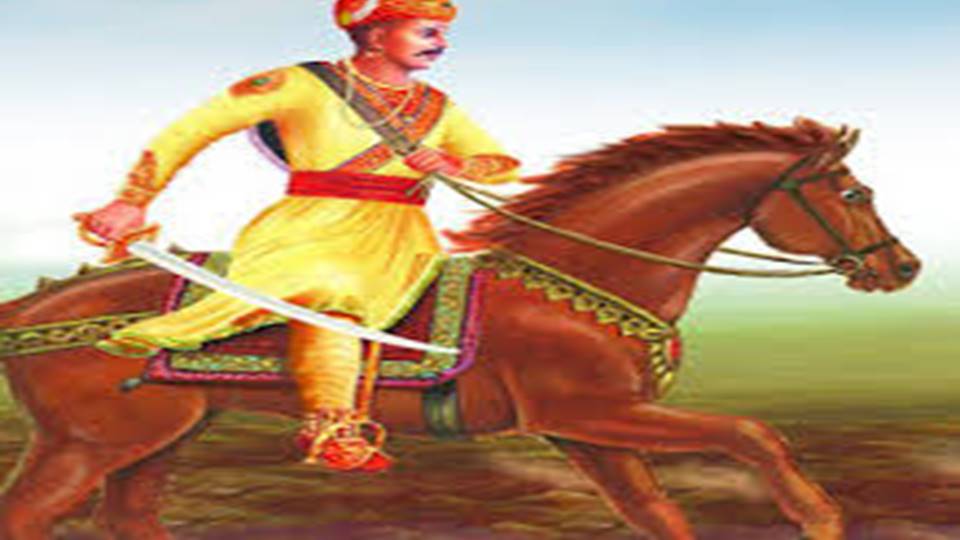
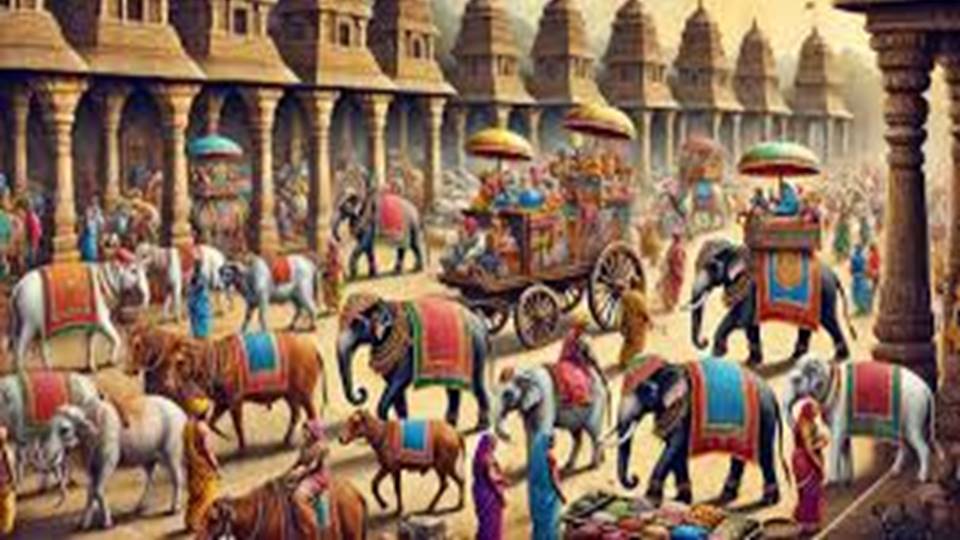
 In the Provinces the Nadagowdas and in the cities the Pattanaswami used to look after the administration. Vijayanagar had a mighty army. It consisted of three hierarchies of permanent troops, troops sent by vassal states and troops of royal guards (this looked after the king’s security). Infantry, cavalry, elephants and cannons were the main factions of the army.
There were mammoth elephants. Horses brought from Arabia were a major attraction at Vijayanagar. There was a naval squad in the army. People from all religions could occupy high positions in the army. Farmer sand hunters became chieftains. Forts and moats played an important role during the wars.Â
Social system :
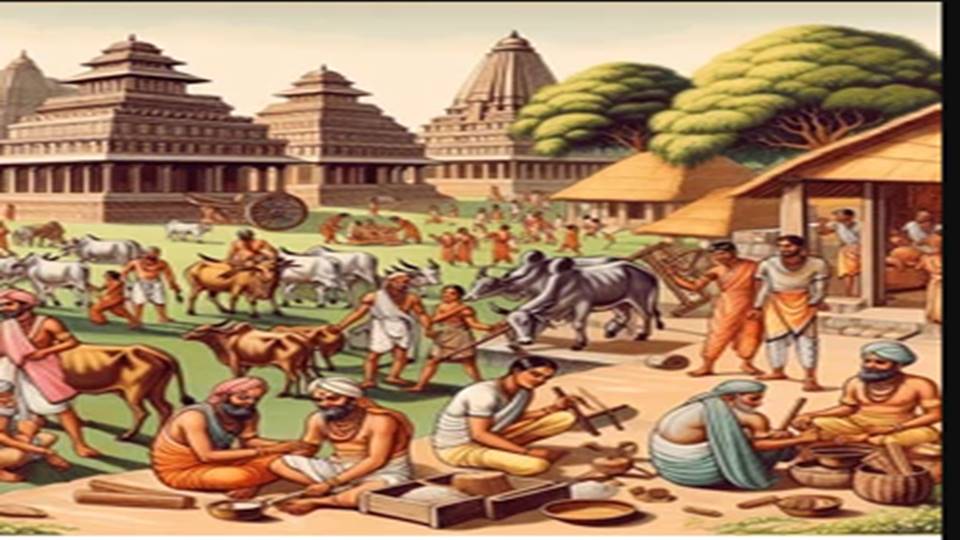
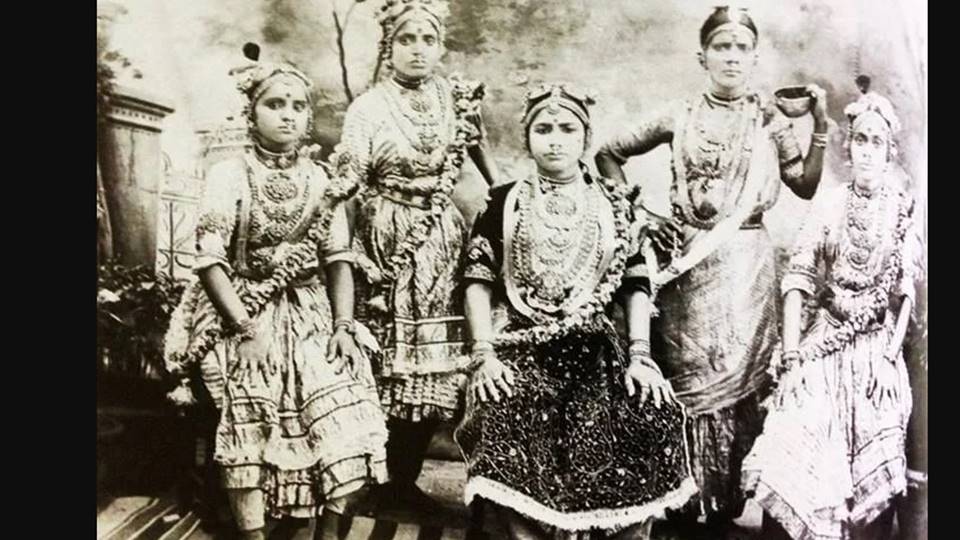
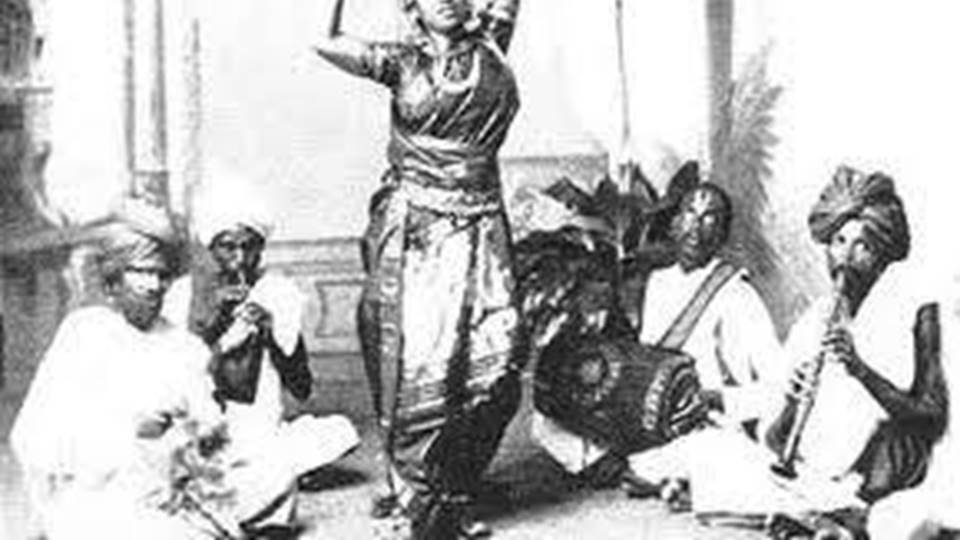
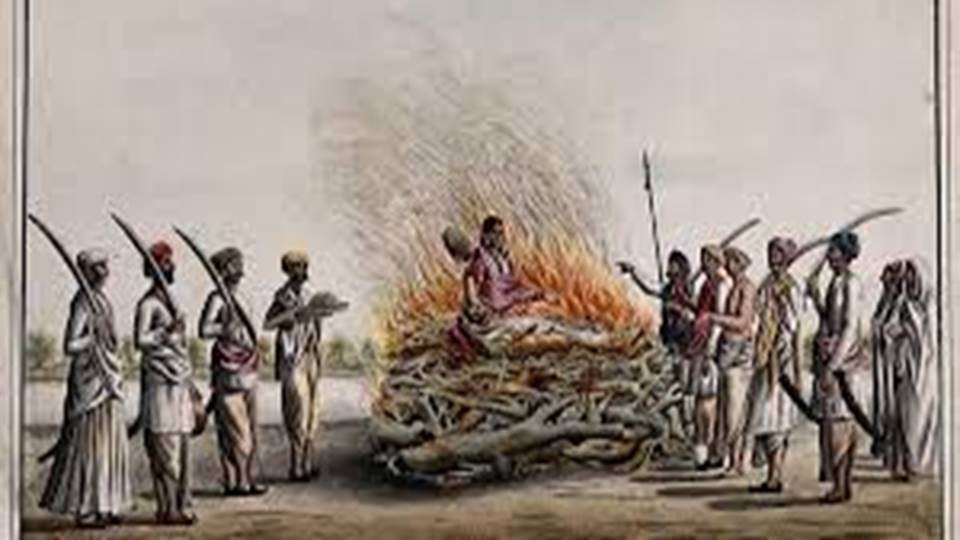
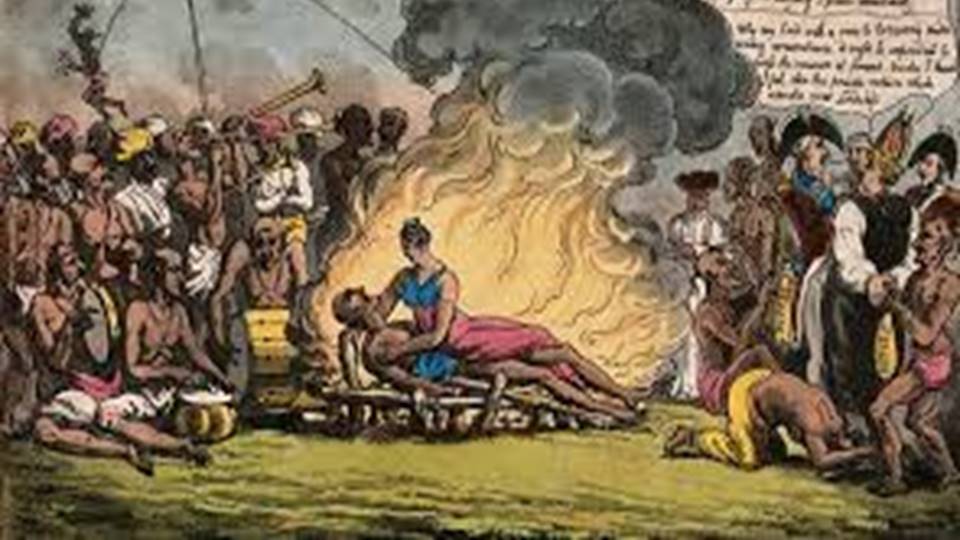
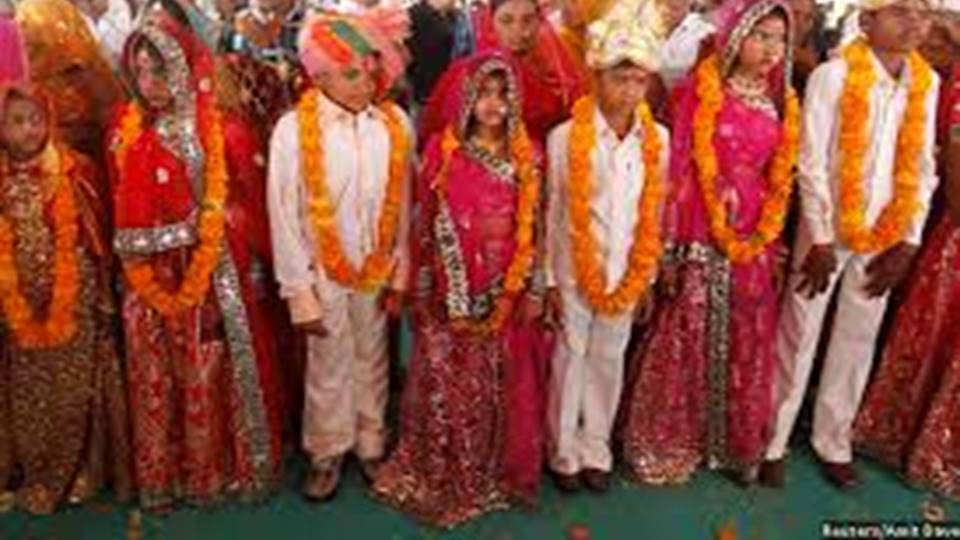
There was also occupation-based caste system. There were many skilled artisans, blacksmiths, goldsmiths, bell metal smiths, carpenters, weavers and cobblers in the society. The practices of child marriage, sati and devadasi systems were prevalent.
Though monogamy was the common practice, kings and rich people had many wives. Women enjoyed a dignified status in society. There were female wrestlers and female palace guards. Holi, Deepavali and Dasara festivals were celebrated publicly. Dasara festival used to be celebrated with pomp and glory at Hampi under royal patronage. Music and dance enjoyed great popularity
.Economic system :
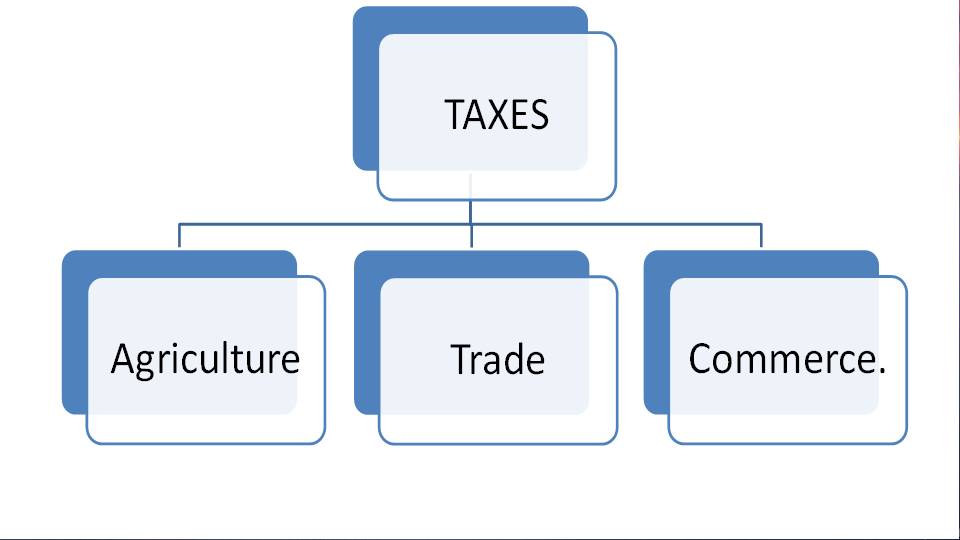
Vijayanagar was economically prosperous. Land tax was the main source of revenue for the kingdom. Farmers used to give of their income to the government in the form of tax. Professional tax, revenue tax, road tax, market tax, commercial tax, import and export taxes and tributes from the vassals were the other forms of revenue to the kingdom.
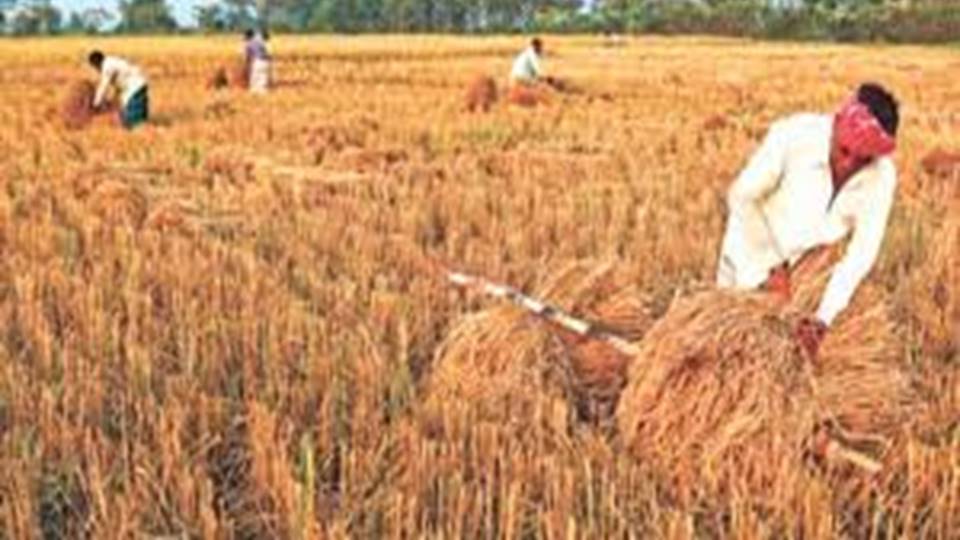
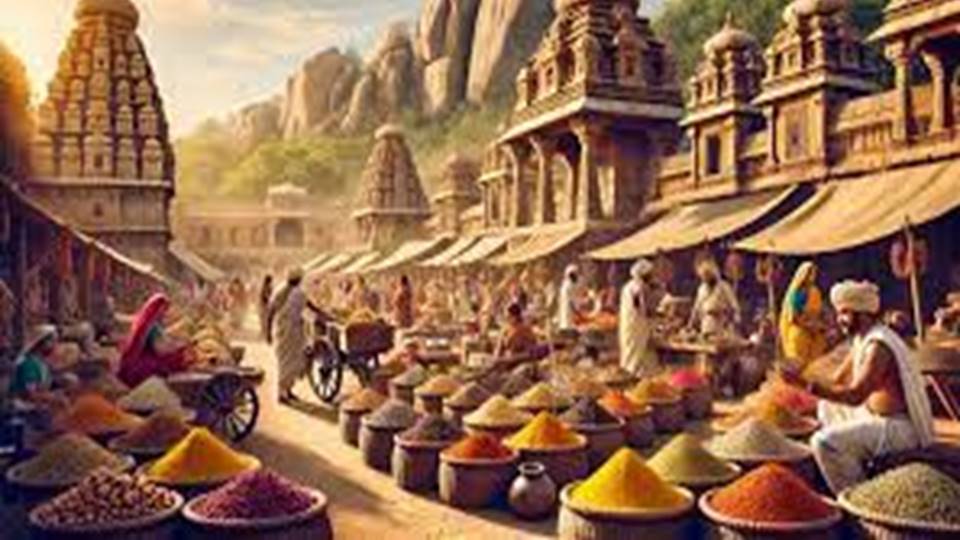
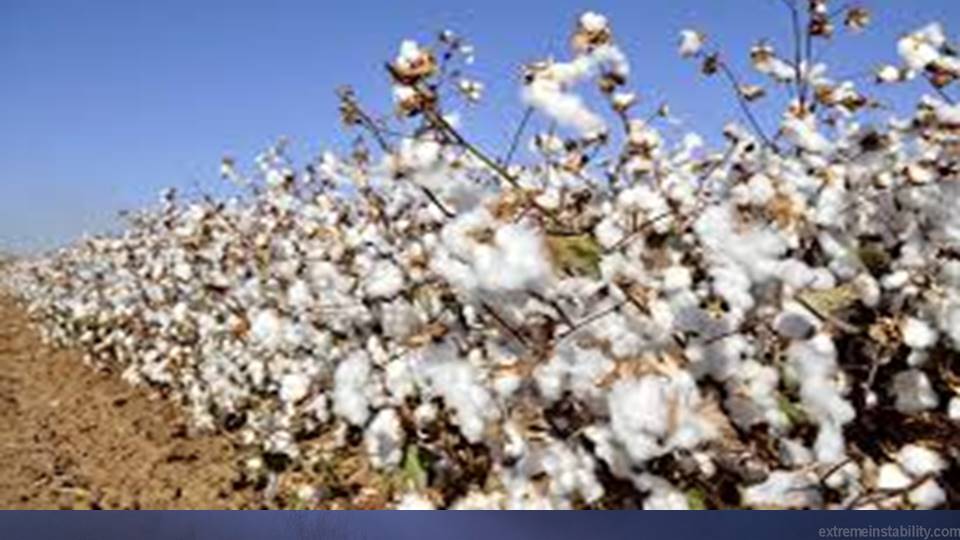
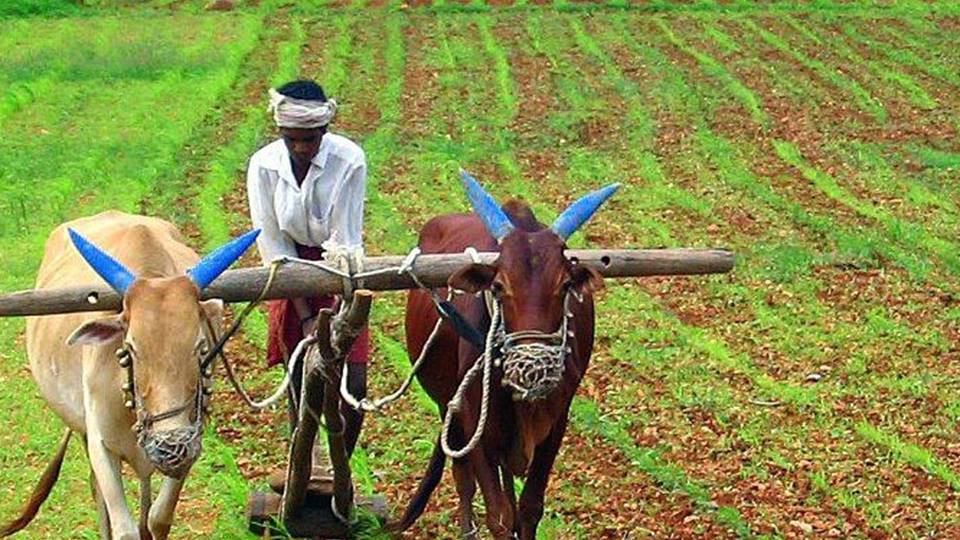
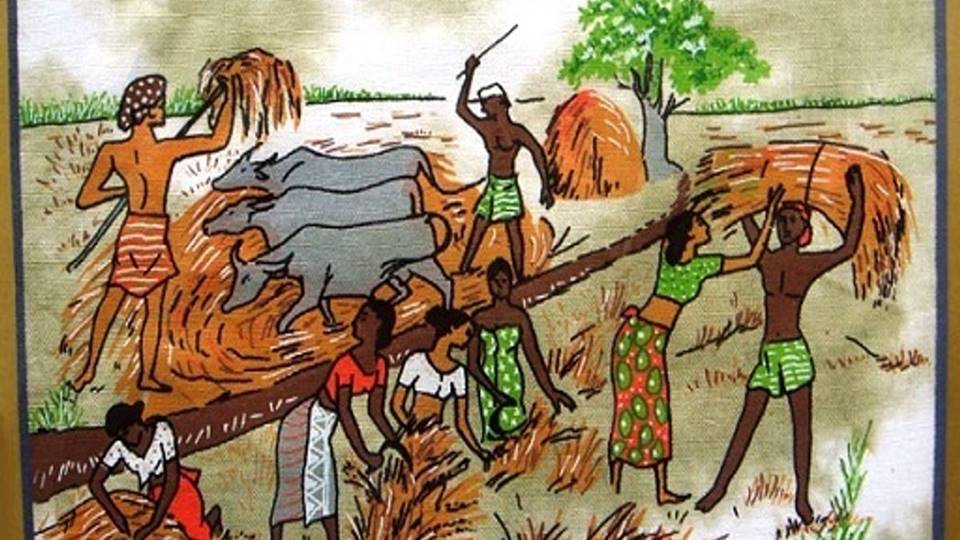
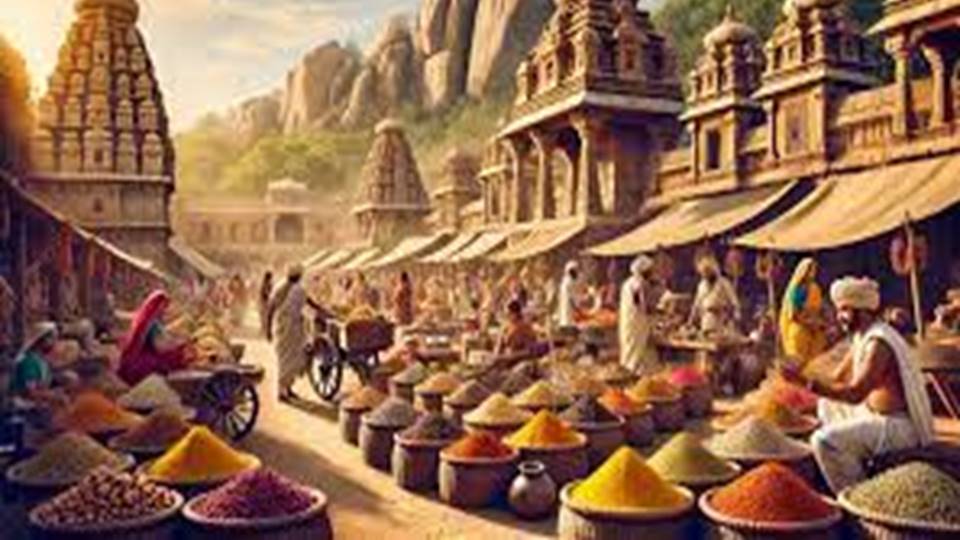
Agriculture was the backbone of the economy. People grew different kinds of crops throughout the year. Jowar, ragi, paddy, wheat, lentils, pulses like green gram, black gram and tuvar, sesame (til) seeds, groundnuts, cotton, sugarcane and coconut were the main crops. The Vijayanagar kings constructed wells, tanks and canals to encourage irrigation andagriculture. There were five kinds of practices of land holdings likesiddhaya, vara and gadi (tenancy, lease holdings andother kinds).The Vijayanagara empire achieved greatprogress in the field of industries and commerce. Spices like pepper, cloves and cardamom, salt petre, iron ore ,diamonds, granulated sugar, musk,sandal perfume etc.
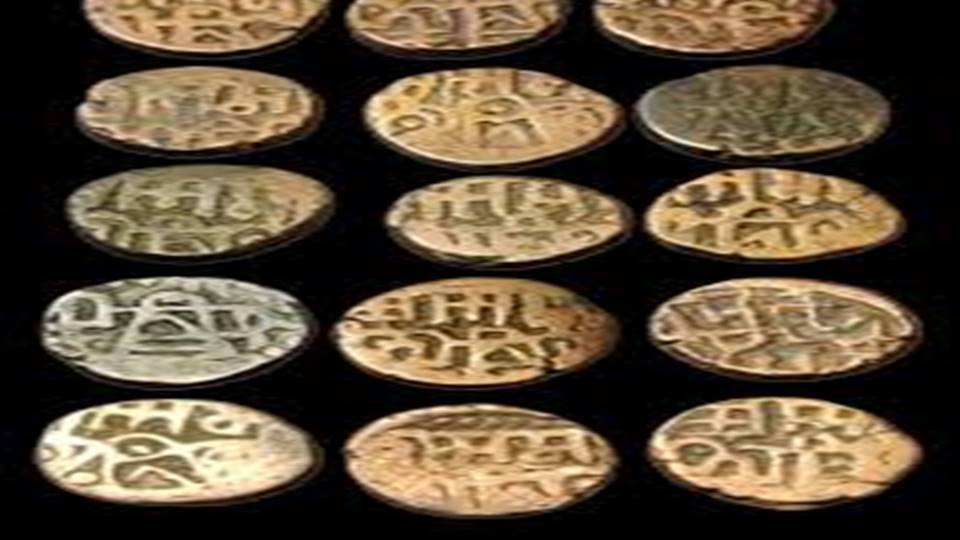
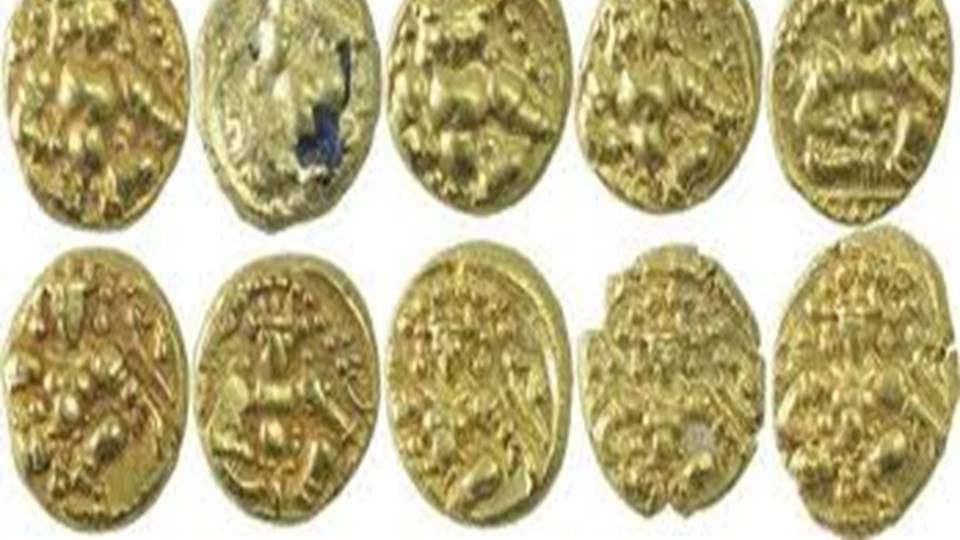
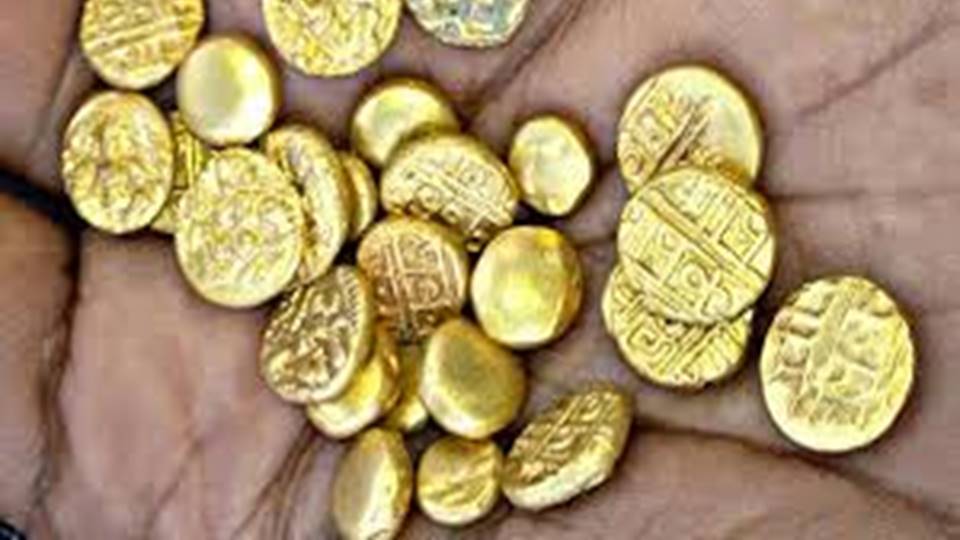
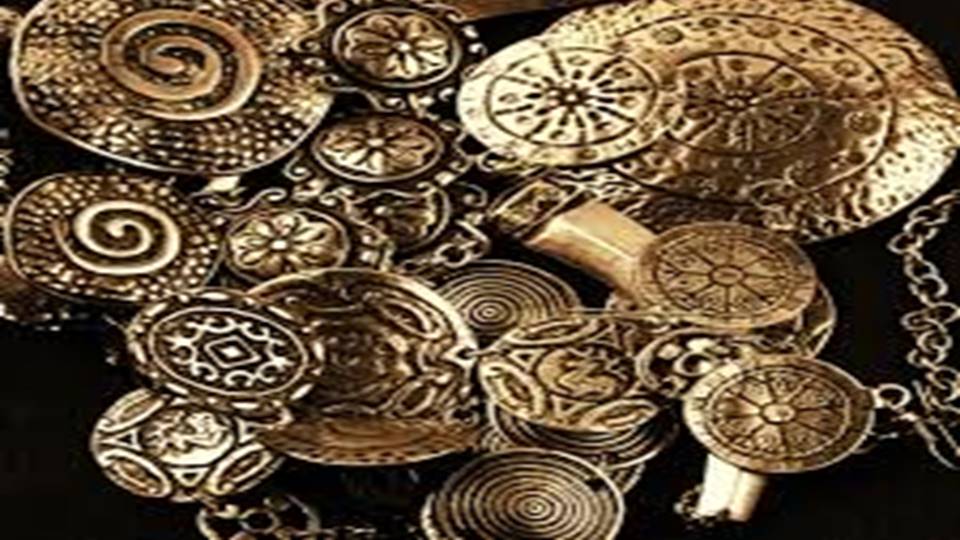
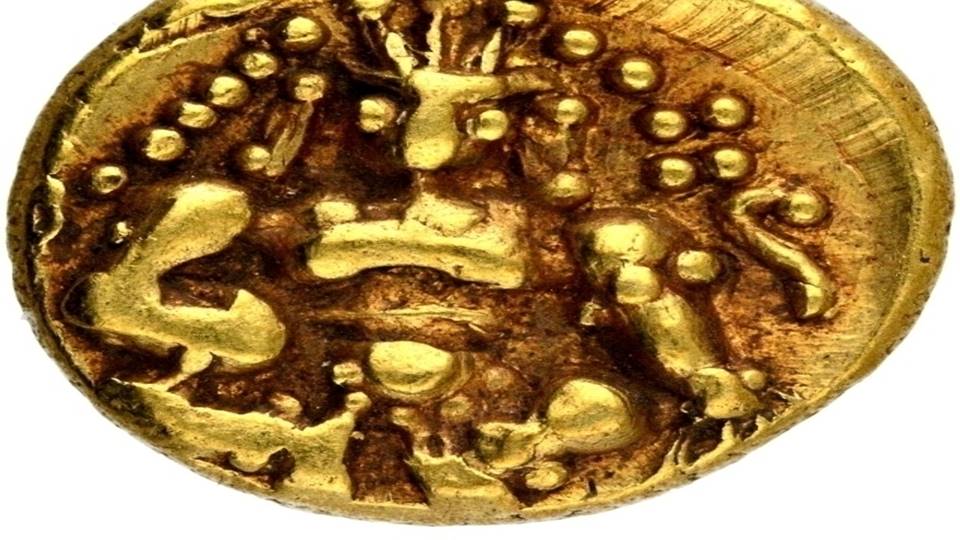
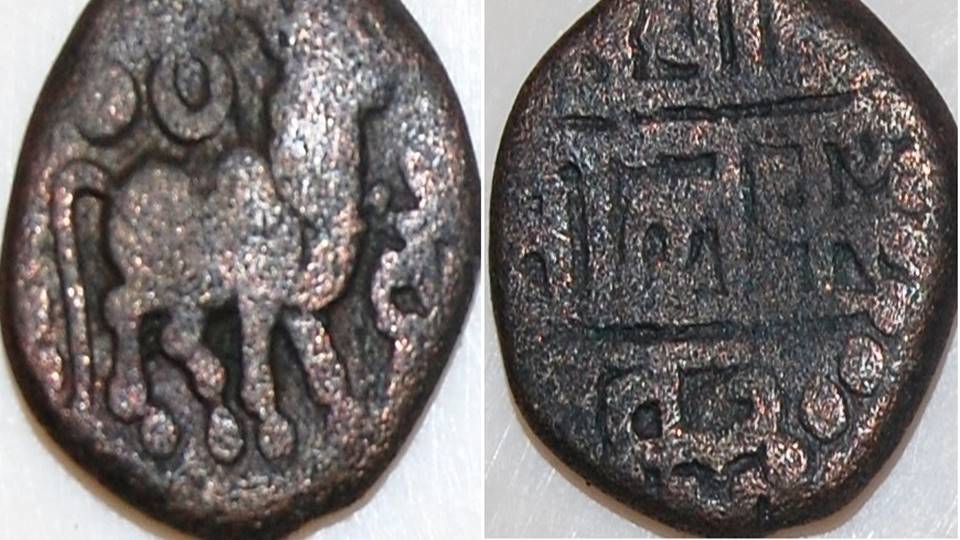
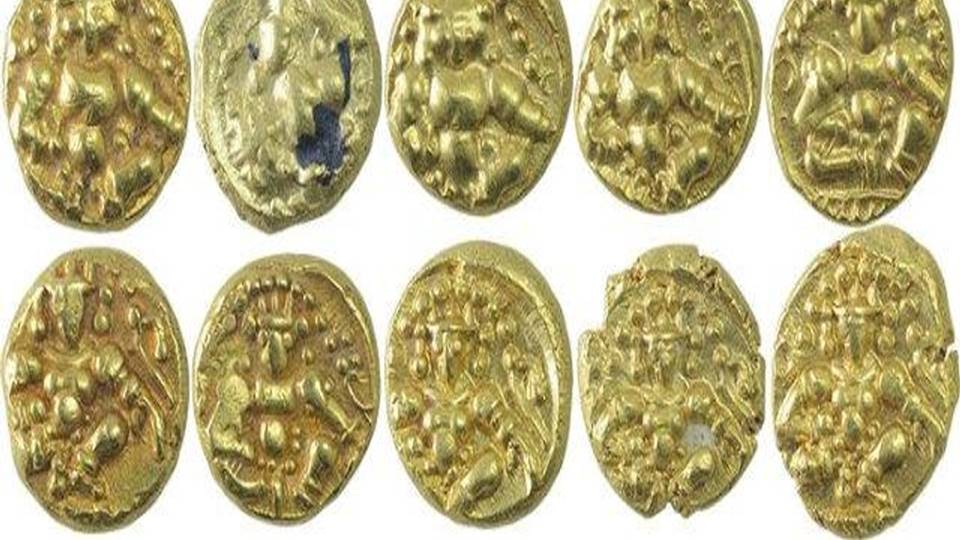
 were exported by them. There were important textile industries. Coins of dif ferent denominations like gold coins, gadyaana, pagoda, silver coins and copper coins were in use.
Bhatkal, Honnavara and Mangaluru were the important ports of Vijayanagara, and foreign traders from Arab, China and Portugal had trade relation with the Vijayanagara empire.
Â
Â
Â
Â
Subunit IV
Social & Economic system of Vijayanagar Empire
The Vijayanagara Empire, which existed from the 14th to the 17th century, had a complex social and economic system. Here are some key aspects of the social and economic system of the Vijayanagara Empire:
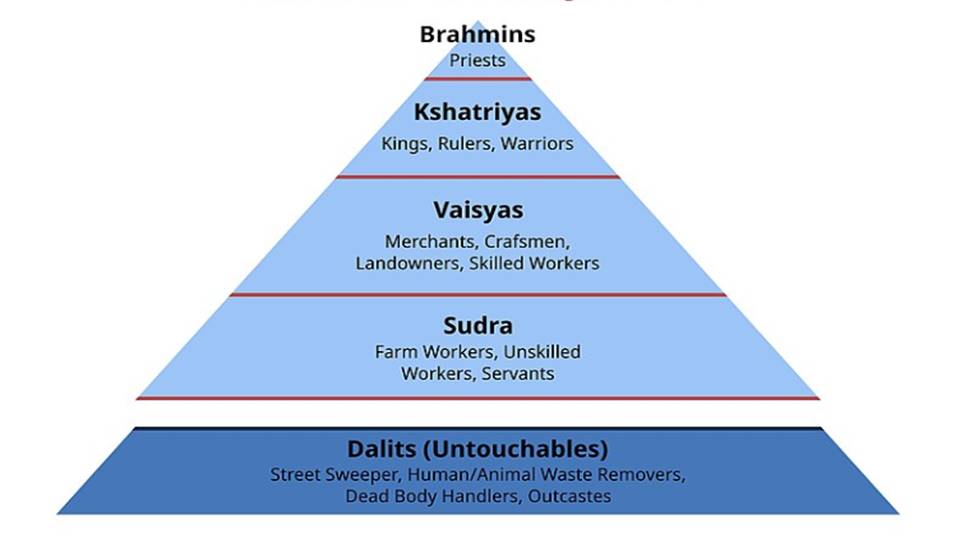
The Vijayanagara Empire, which existed from the 14th to the 17th century, followed the traditional Indian caste system. Here’s an overview of the caste system during the Vijayanagara Empire
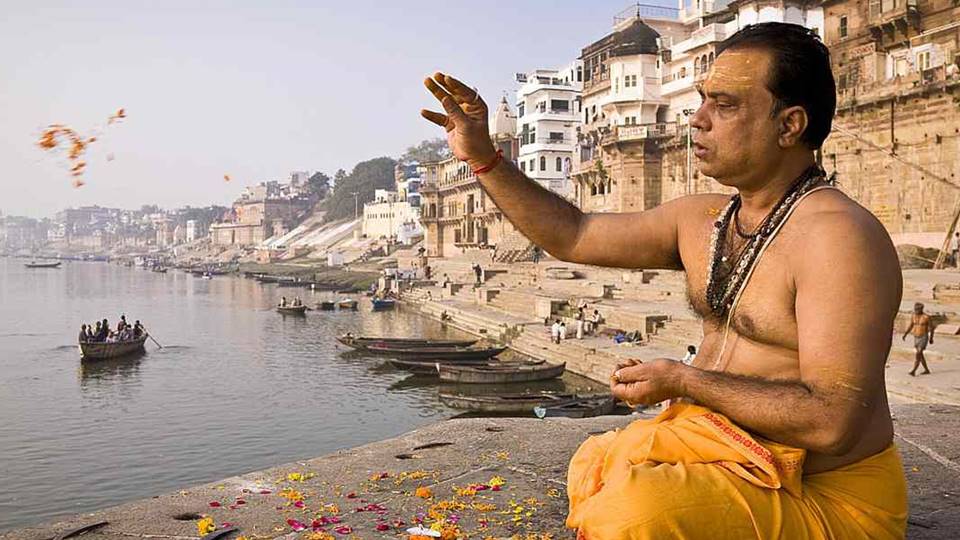
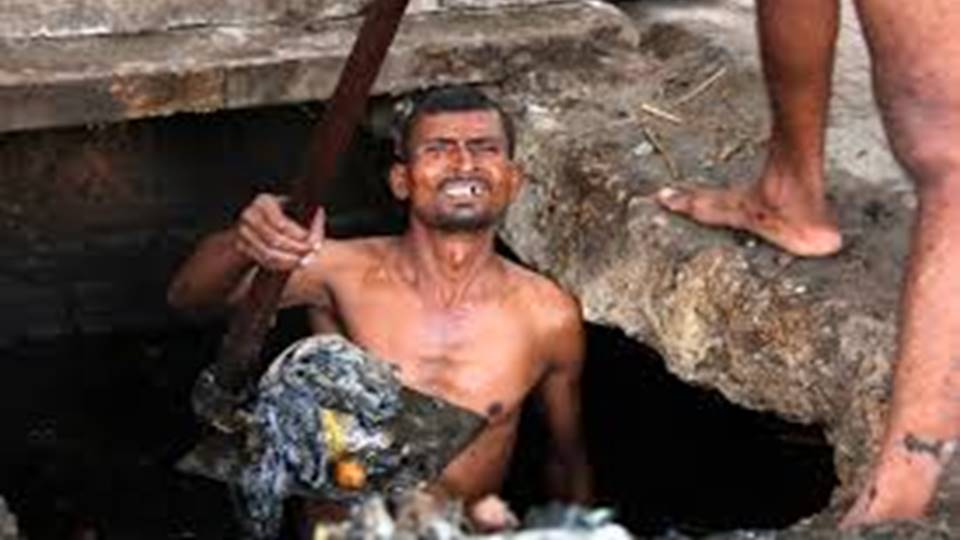
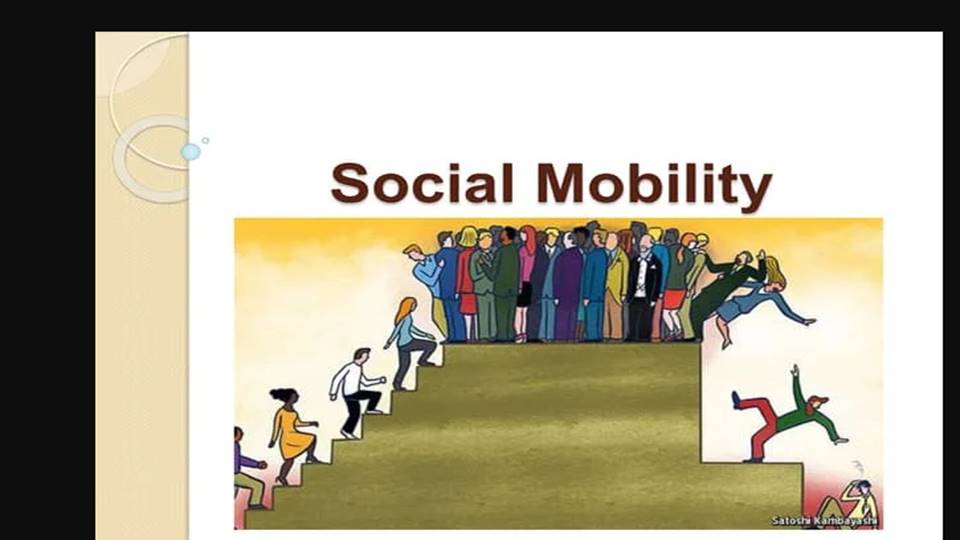
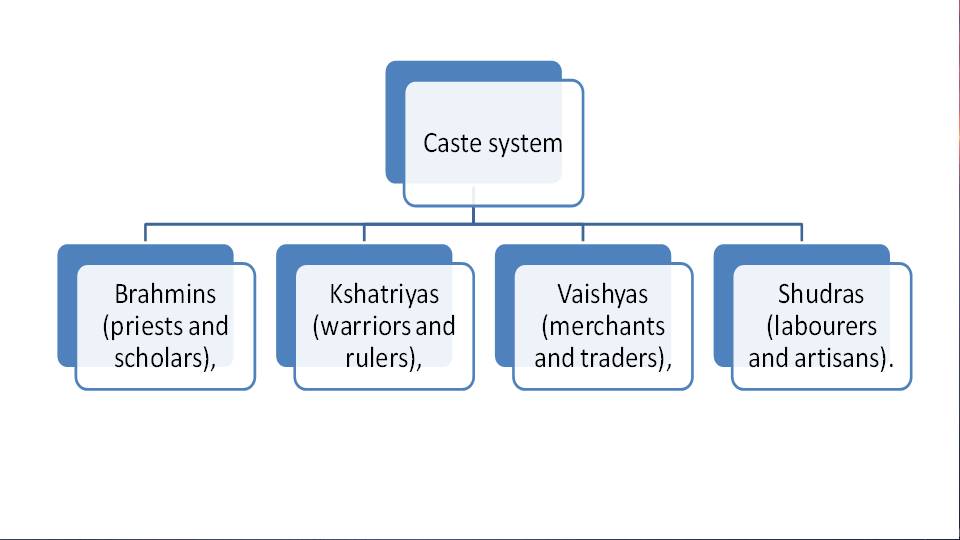
Brahmins were the highest caste, responsible for maintaining the empire’s spiritual and cultural heritage. They were the priests, scholars, and advisors to the rulers. Kshatriyas were the warrior caste, responsible for defending the empire. They were also the rulers and administrators of the empire. Vaishyas were the merchant caste, responsible for trade and commerce. They were also involved in agriculture and craftsmanship. Shudras were the laborer caste, responsible for manual labor and service. They were also involved in agriculture and craftsmanship. Untouchables were the lowest caste, responsible for tasks considered impure or polluting, such as handling human waste, dead animals, and leather. Social mobility was limited during the Vijayanagara Empire, with castes being relatively rigid. However, there were some exceptions Individuals with exceptional skills or abilities could be promoted to higher castes or positions. The rulers of the Vijayanagara Empire could grant favors or promotions to individuals from lower castes.

During the Vijayanagara Empire, castes had varying levels of privileges and restrictions: Enjoyed the highest privileges, including access to education, wealth, and power. Held significant power and influence, but were also expected to defend the empire.Had access to trade and commerce, but were also subject to taxation and regulations.Were expected to provide labor and service, but had limited access to education and wealth. Faced significant restrictions and were often marginalized and oppressed.
The caste system during the Vijayanagara Empire was complex and influenced various aspects of society, including occupation, education, and social mobility. The Vijayanagara Empire followed the traditional Indian caste system, with four main castes: Brahmins (priests and scholars), Kshatriyas (warriors and rulers), Vaishyas (merchants and traders), and Shudras (labourers and artisans).vijayanagar kings were abolished the Sati, Devadasi and Child marriage
ECONOMIC SYSTEM
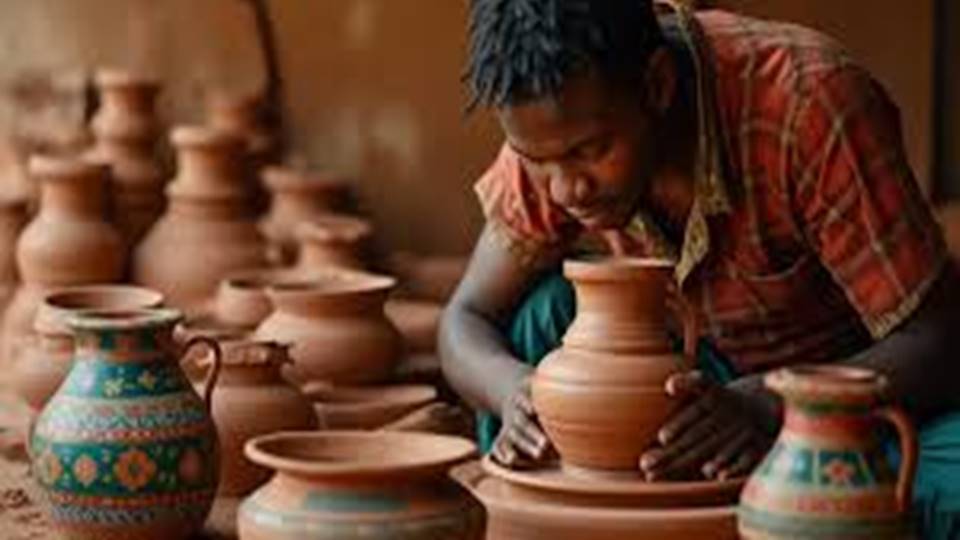
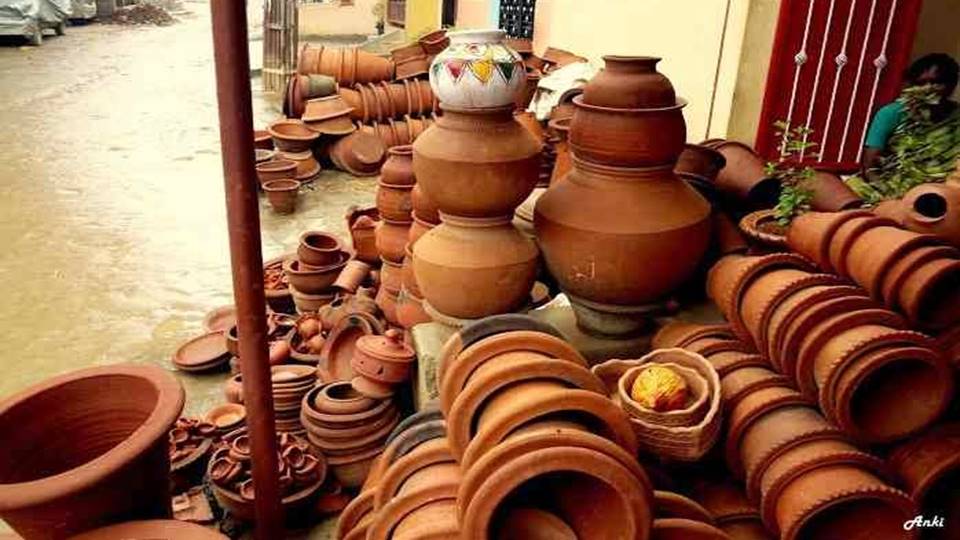
Agriculture was the backbone of the Vijayanagara Empire’s economy, with crops such as rice, wheat, and cotton being major contributors. The Vijayanagara Empire was a major trading power, with trade links to Southeast Asia, the Middle East, and Europe. The empire’s merchants traded in goods such as spices, textiles, and precious stones. The Vijayanagara Empire had a thriving industry, with artisans producing goods such as textiles, metalwork, and pottery. The Vijayanagara Empire had a complex taxation system, with taxes being levied on land, trade, and commerce. The empire’s tax collectors were responsible for collecting taxes from the empire’s subjects. The Vijayanagara Empire used a variety of currencies, including gold, silver, and copper coins. The Vijayanagara Empire’s economic achievements include. The empire developed sophisticated irrigation systems, which enabled the cultivation of crops in areas with limited rainfall. The empire established trade links with other regions of India and with foreign countries, which helped to stimulate economic growth. The empire’s industries, such as textiles and metalwork, experienced significant growth during this period.
Agriculture was the mainstay of the Vijayanagara economy, with crops like rice, wheat, and cotton being major contributors. The empire developed sophisticated irrigation systems, including canals, dams, and tanks, to support agriculture. Land revenue was a significant source of income for the empire, with taxes collected from farmers and landlords.

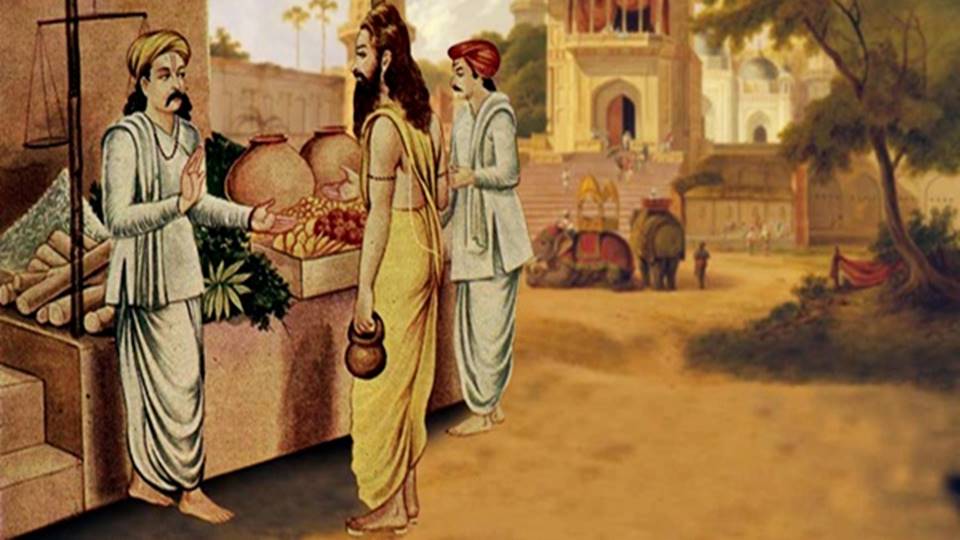
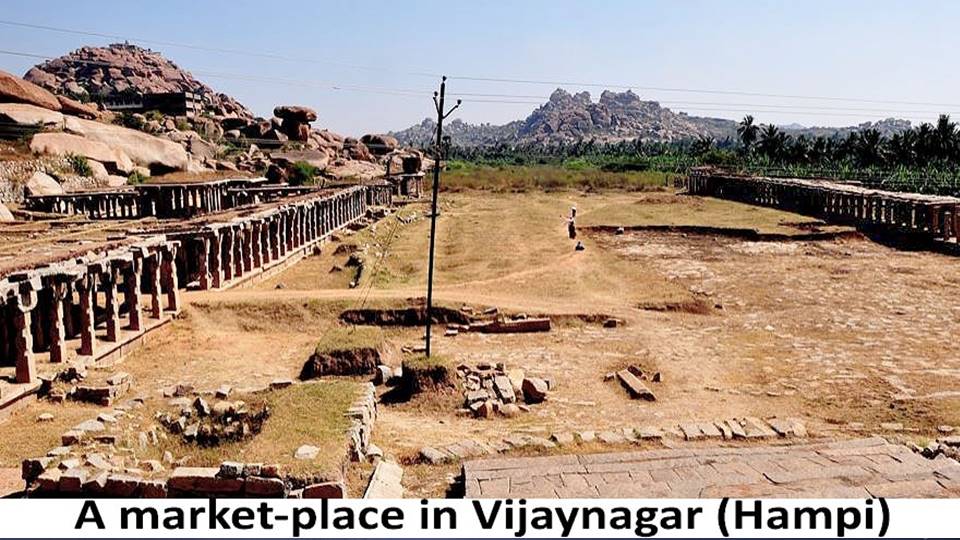
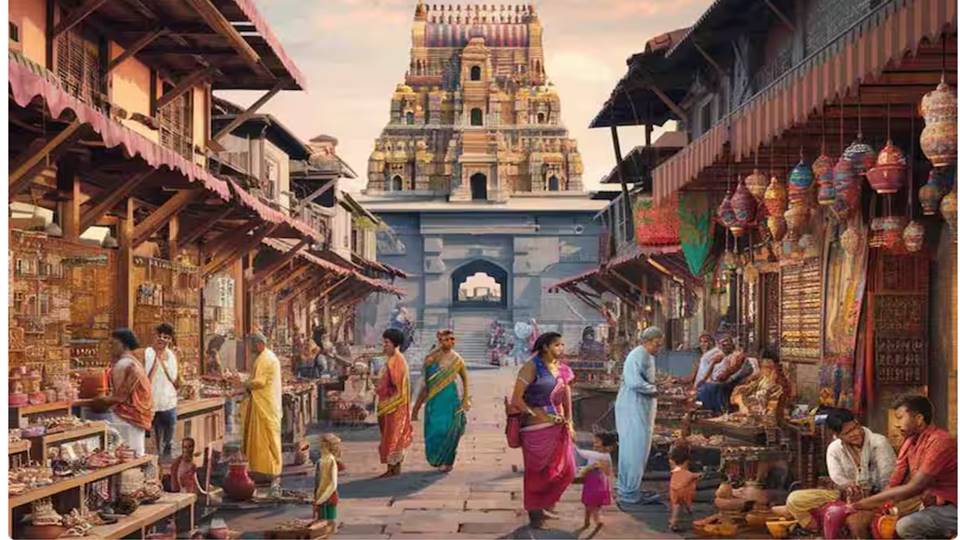
The Vijayanagara Empire had an extensive trade network that connected it to other regions of India, Southeast Asia, the Middle East, and Europe. The empire exported goods like textiles, spices, and precious stones, while importing goods like horses, elephants, and luxury goods. Merchant guilds played a significant role in the empire’s trade and commerce, with guilds like the “Komati” and “Shetty” communities dominating trade.


The Vijayanagara Empire was famous for its textile industry, with cities like Vijayanagara and Hampi being major centers of textile production. The empire was also known for its metalwork and crafts, including bronze, copper, and gold work. The Vijayanagara Empire used gold and silver coins as currency, with the “varaha” being the most common coin.The empire had a complex taxation system, with taxes collected from various sources, including agriculture, trade, and commerce.
The Vijayanagara Empire had a mixed economy, with both public and private sectors playing important roles.The state played a significant role in the economy, with the emperor and his officials intervening in trade and commerce to regulate prices and ensure fair trade practices.The empire also had a social welfare system, with the state providing support to the poor, the elderly, and the disabled.