Background Of Vijayanagara
The establishment of the Vijayanagara Empire is a landmark in Indian history. The South Indian dynasties – the Yadavas of Devagiri,the Kakatiyas of Warangal, the Pandyas of Madurai, Hoysalas ofDwarasamudra (Halebeedu), the Cholas of Tanjore attacks were allvictims of violent Allauddin Khilji.
As a result, political instability,lawlessness, fear and religious turmoil prevailed everywhere. In sucha situation, the establishment of Vijayanagara empire enabled theprotection of the Hindu religion and Indian culture.
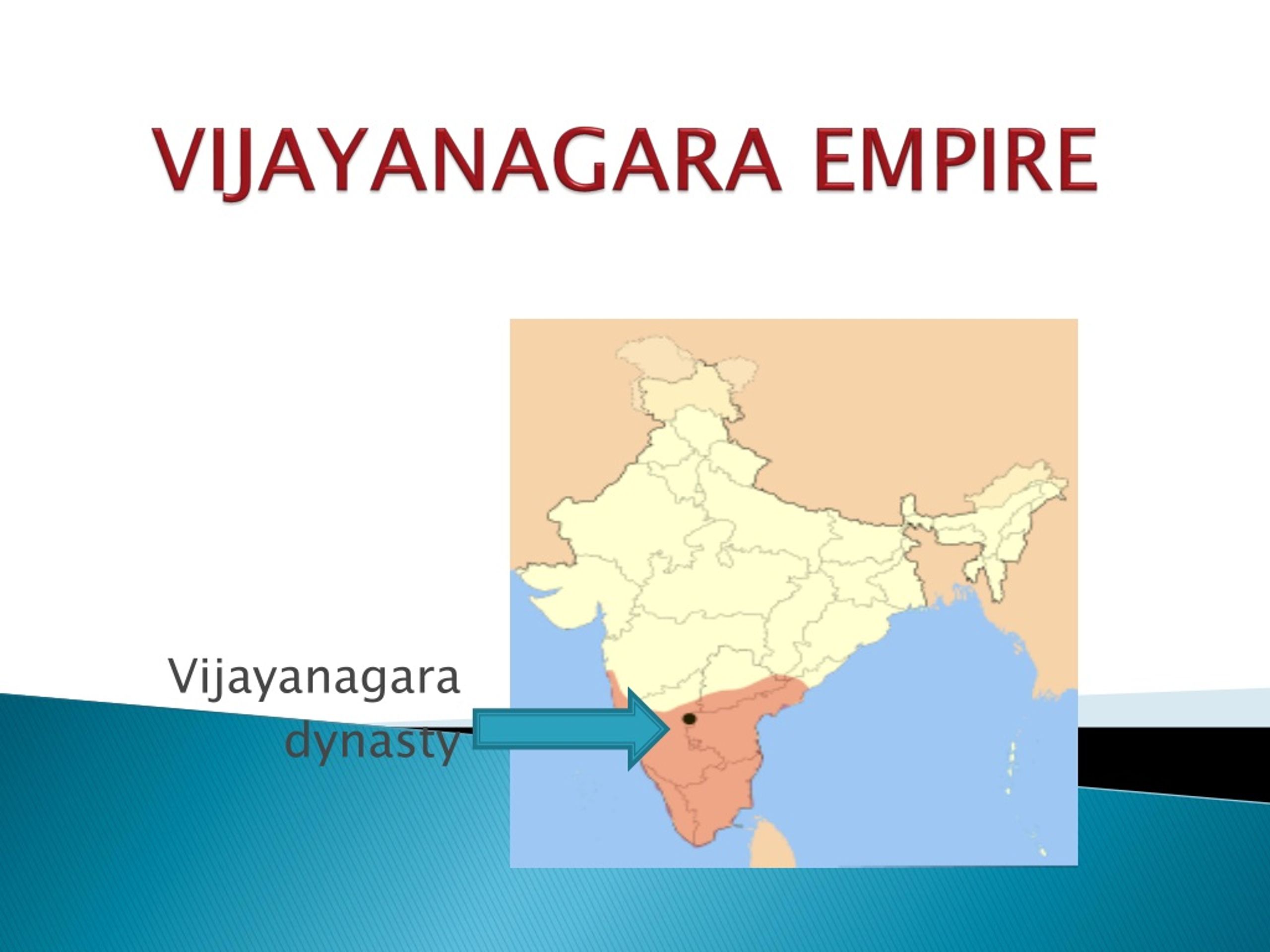
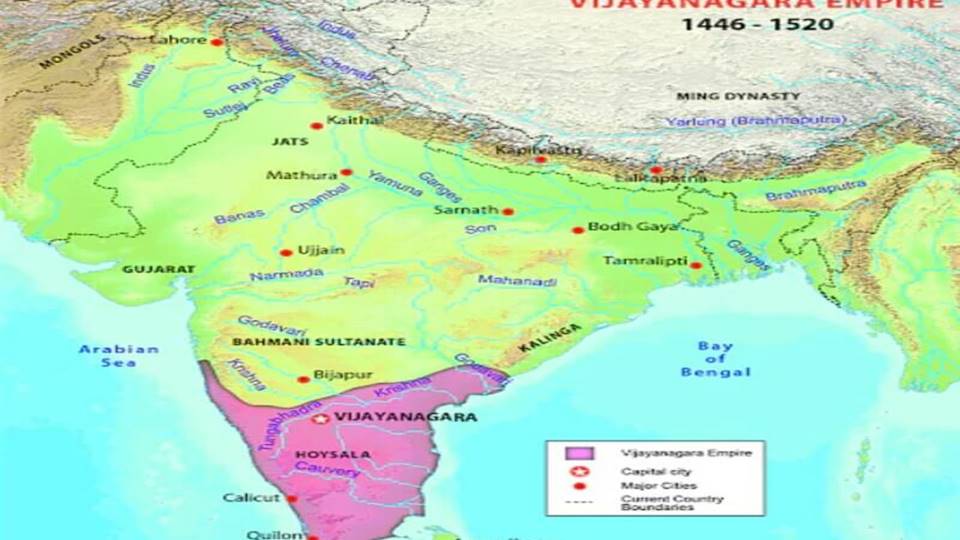
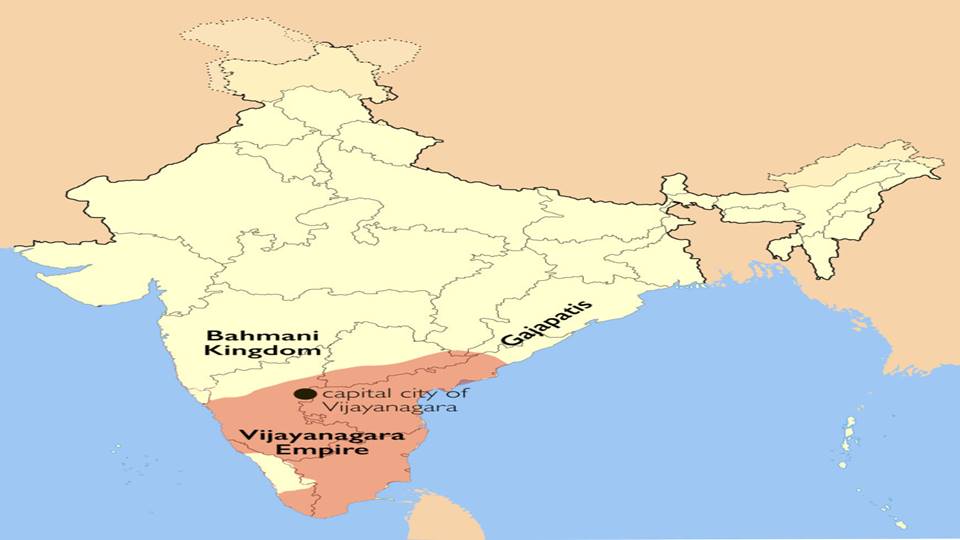
Harihara and Bukka established this empireon the banks of the Tungabhadra river in the year 1336. Later Hampi became the capital of Vijayanagara empire.
Sangama Saluva Tuluva Araveedu The famous kings of Sangama dynasty (1336 – 1486) wereHarihara I, Bukkaraya, Harihara II and Praudhadevaraya. Harihara laid the foundation for the Vijayanagara empire and developed acapital amidst of hillocks.
Bukkaraya
Bukkaraya defeated the Reddys of Kondaveedu and mergedPenukonda area with Vijayanagara. Bukka was successful insolving the differences between the Jains and the Srivaishnavas,thereby upheld religious harmony. This fact is revealed by one ofthe inscriptions in Shravana Belagola. He constructed a fort and afew temples in the capital and encouraged agricultural activities. Bukkaraya sent an ambassador to the court of a Chinese king belonging to the Ming dynasty.
Harihara II :
During the 27 years rule of Harihara II, the son of Bukkaraya, the Vijayanagara Empire comprised of vast area. He tookinto his control Kondaveedu,Kurnool and Nellore forts. Harihara II expanded hiskingdom from Goa to the north of the Konkan coast. He occupied the fort ofPangala lying to the north of Krishna river in the year 1398.
Devaraya II (Praudhadevaraya) :
The most famous king in the Sangama dynasty was Devaraya II. He had earned the title of ‘Elephant Hunter’. Devaraya II defeated the king Gajapati Kapilendra of Orissa and seized Kondaveedu. By suppressing the regional leaders across the border, he expanded the kingdom up to Krishna river in the north east. Later, he defeated the Kerala ruler and receive droyalties from Kerala and Sri Lanka.
This earned him the title “Dakshinapathada Chakravarthi” (the Emperor of the South). Through these conquests the Vijayanagara Empire extended from Sri Lanka to Gulbarga and Telangana to Malabar.
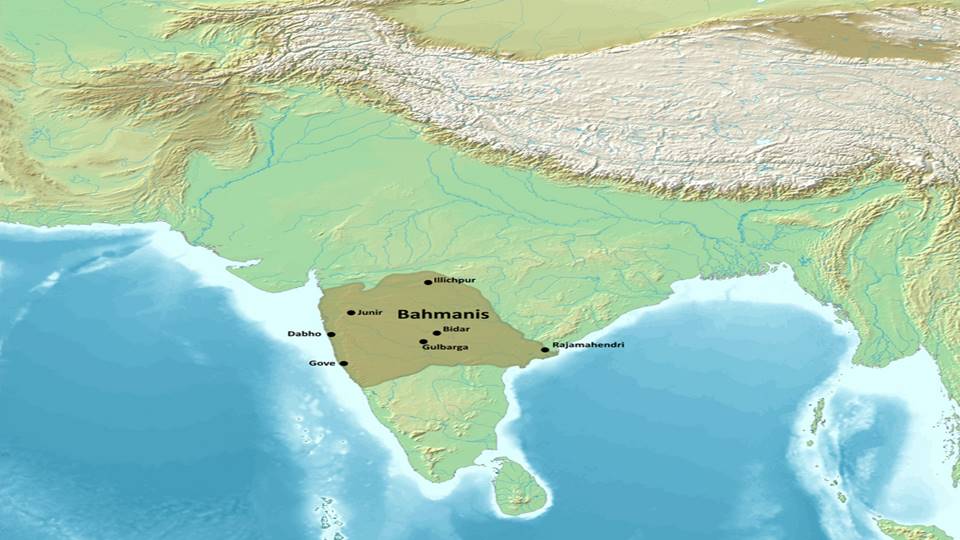
Devaraya II chased the traditional foe Ahmed Shah of Bahamani till Bijapur and
occupied Mudgal and Bankapura. His commander, Lakkanna Dandesha, took up a successful naval victory. Devaraya II was tolerant towards other religions. He constructed Mosques,Jain and Vaishnava temples in the capital. Being a poet himself, he had in his court the Sanskrit scholar, Dindima and the Kannada scholar, Lakkana Dandesha.
During his period, Veerashaiva tradition and literature saw a revival. After the death of Devaraya II in 1446, weak kings came to power, and the rule of the Sangama dynasty came to an end.
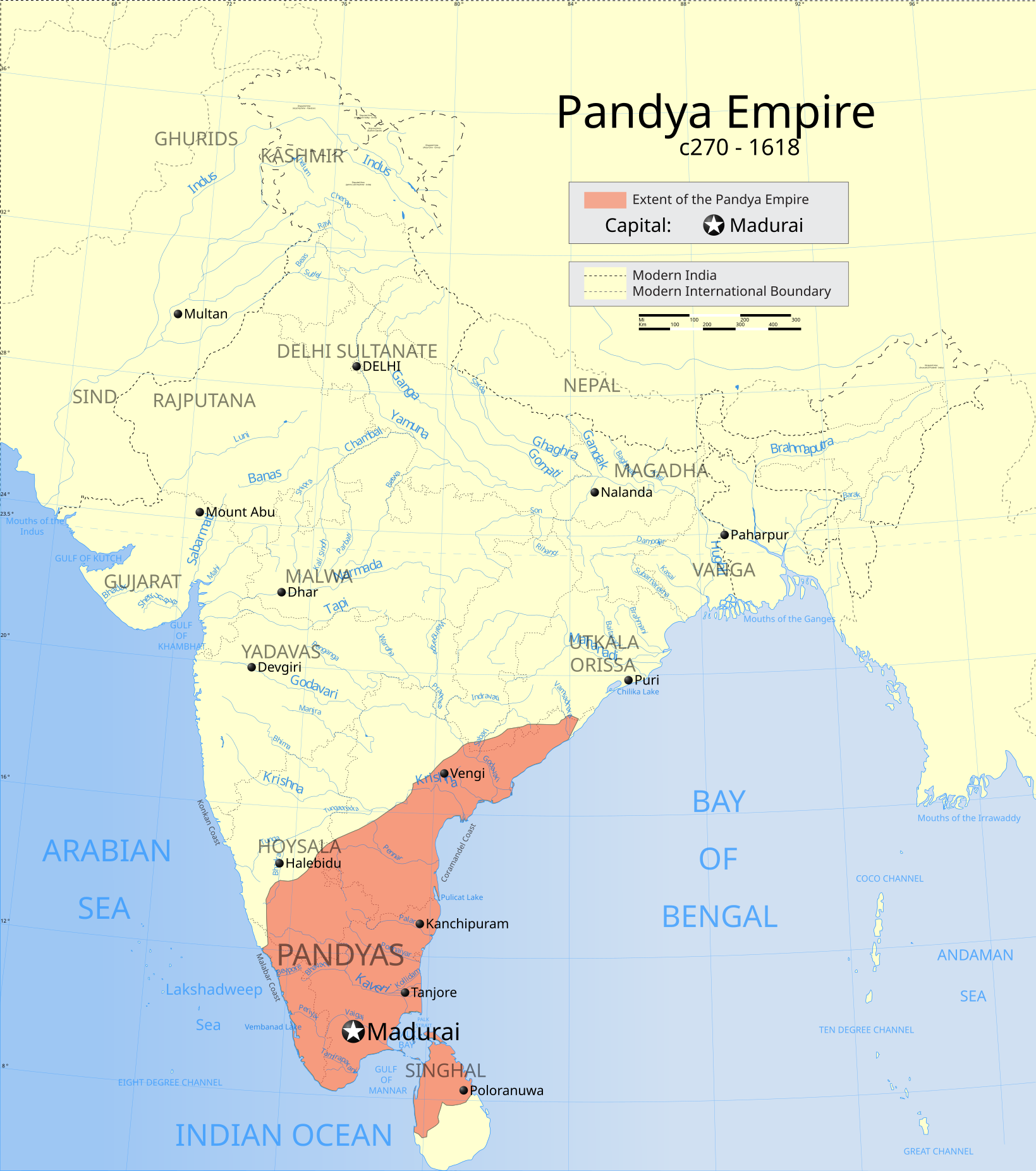
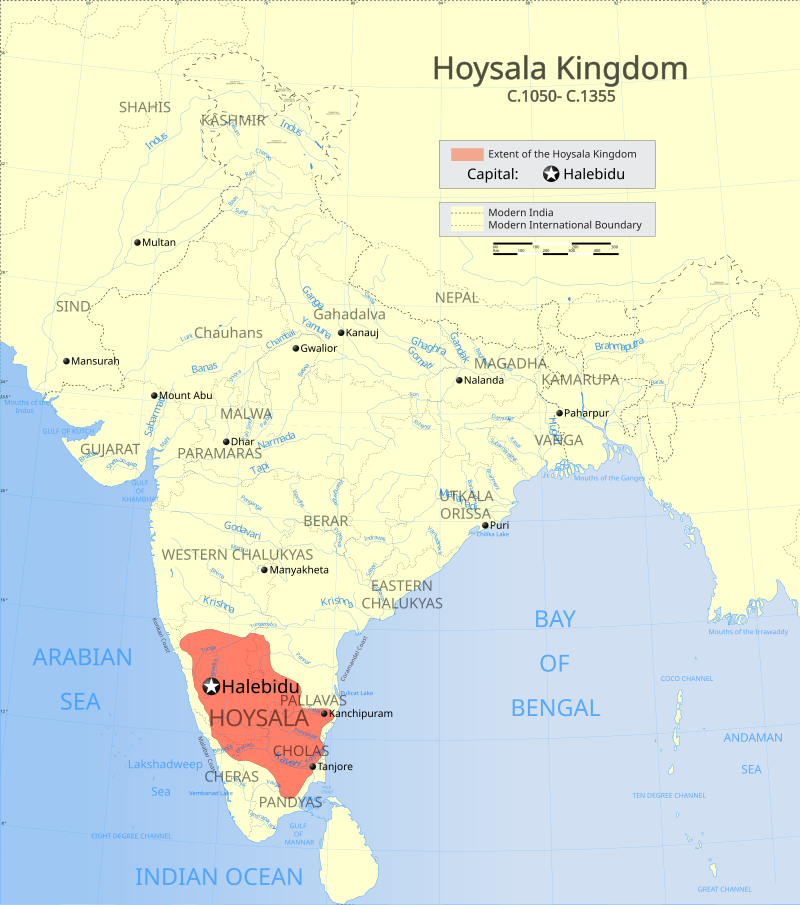
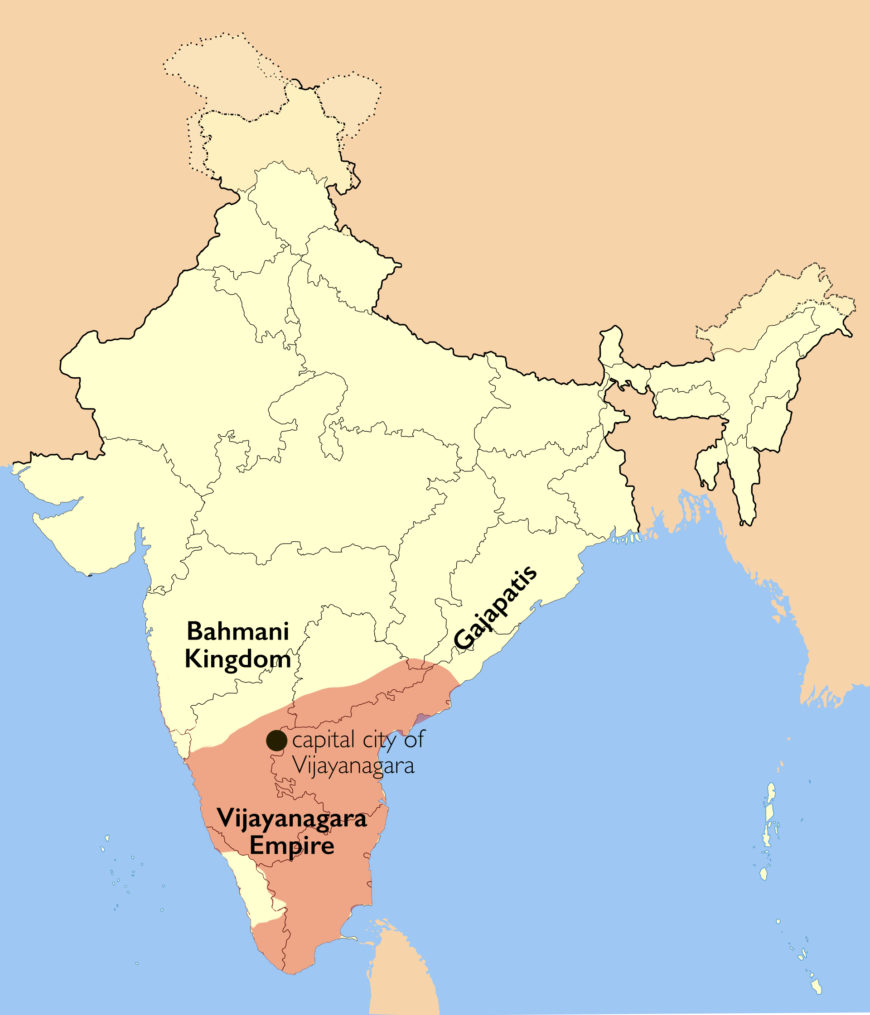
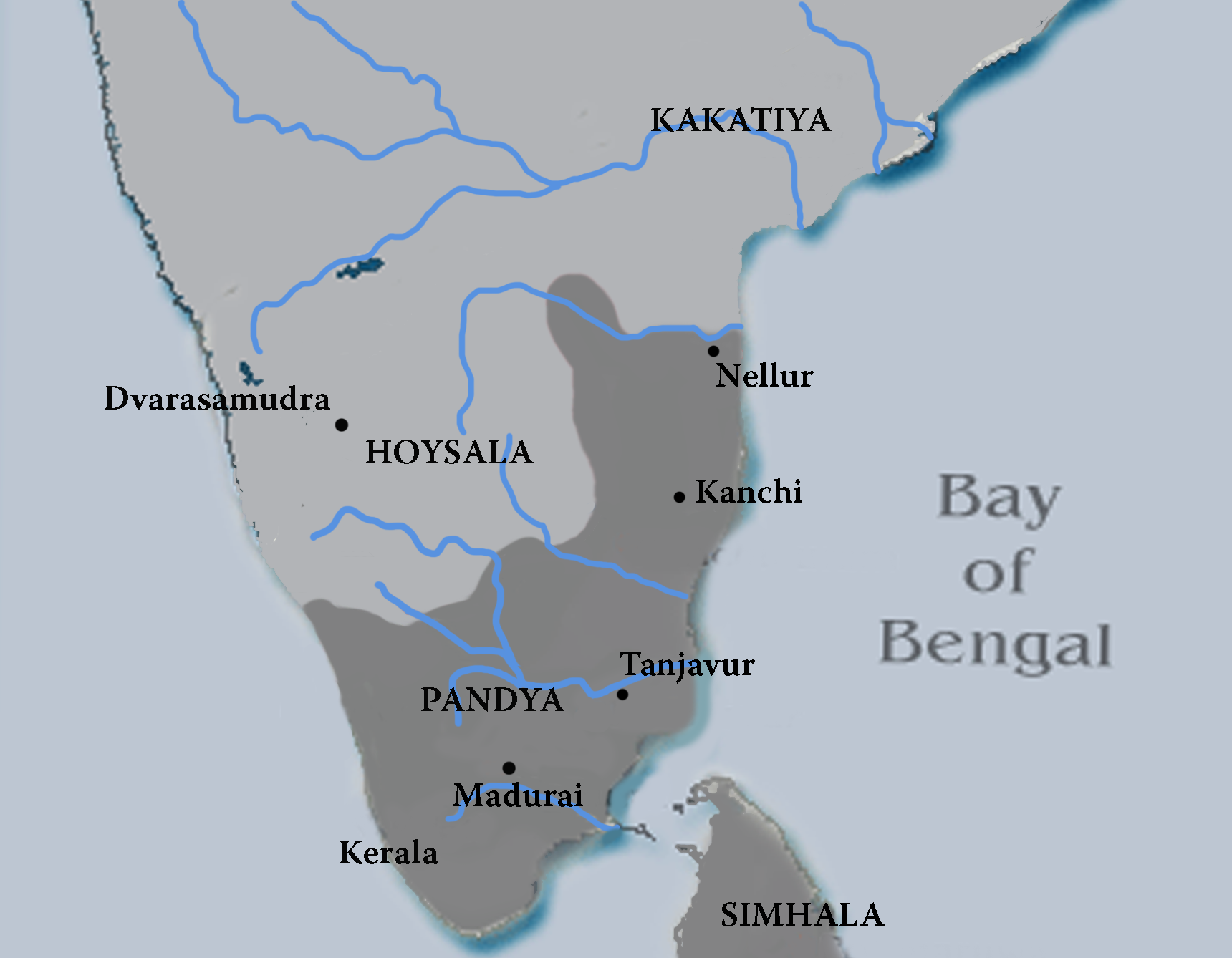
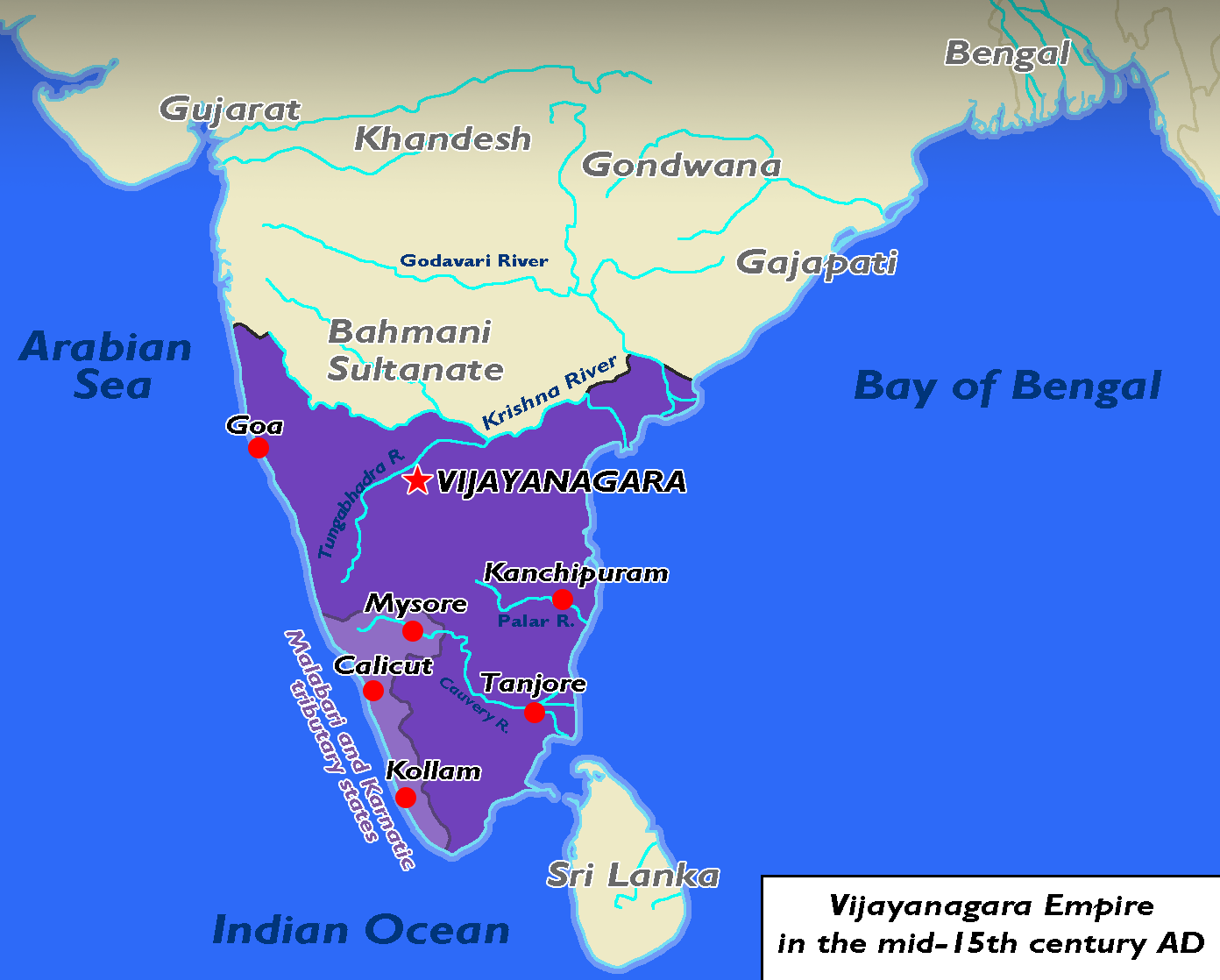
The Vijayanagara Empire was founded in 1336 by Harihara and Bukka, two brothers who were governors of the Hoysala Empire. The Hoysala Empire, which had dominated South India for centuries, was weakening due to internal conflicts and external threats. Founding of Vijayanagara In 1336, Harihara and Bukka, who were loyal governors of the Hoysala Empire, were sent to govern the northern territories of the empire. However, they soon realized that the Hoysala Empire was on the verge of collapse and decided to establish their own empire.


Harihara and Bukka, who were loyal governors of the Hoysala Empire, were sent to govern the northern territories of the empire. However, they soon realized that the Hoysala Empire was on the verge of collapse and decided to establish their own empire.
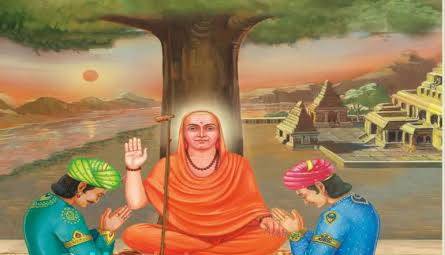
According to legend, Harihara and Bukka met with Vidyaranya, a wise and influential sage, who advised them to establish a new empire. Vidyaranya is said to have performed a ritual to ensure the success of the new empire. Harihara and Bukka established their new empire, which they called Vijayanagara, on the southern bank of the Tungabhadra River. They built a fortified city, which became the capital of the empire. The early years of the Vijayanagara Empire were marked by challenges, including conflicts with neighboring kingdoms and the need to establish a stable administration. However, Harihara and Bukka proved to be capable rulers, and the empire began to flourish under their leadership.
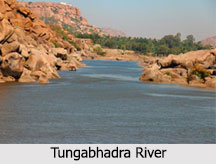
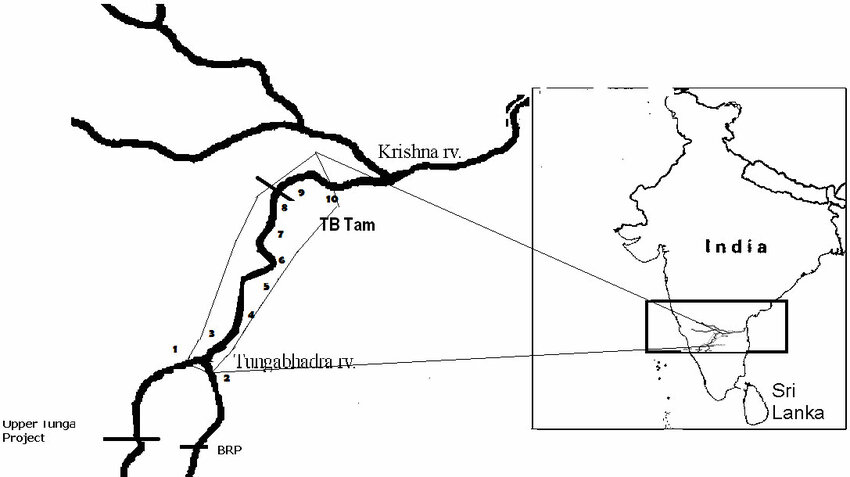

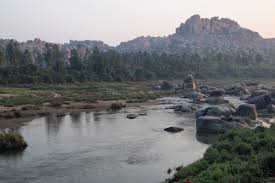
Harihara and Bukka established their new empire, which they called Vijayanagara, on the southern bank of the Tungabhadra River. They built a fortified city, which became the capital of the empire. The early years of the Vijayanagara Empire were marked by challenges, including conflicts with neighboring kingdoms and the need to establish a stable administration. However, Harihara and Bukka proved to be capable rulers, and the empire began to flourish under their leadership.
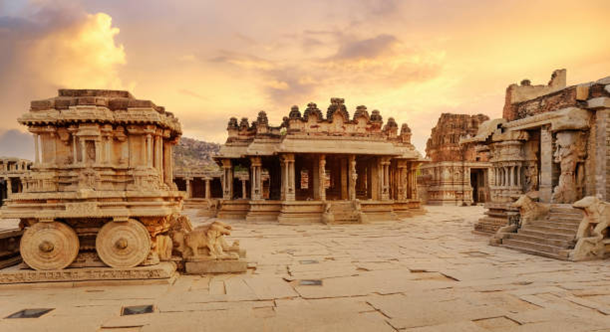
In 1336 Harihara and Bukka establish the Vijayanagara Empire and in the year 1343 Harihara becomes the first ruler of the Vijayanagara Empire. In 1346 Bukka becomes the second ruler of the Vijayanagara Empire
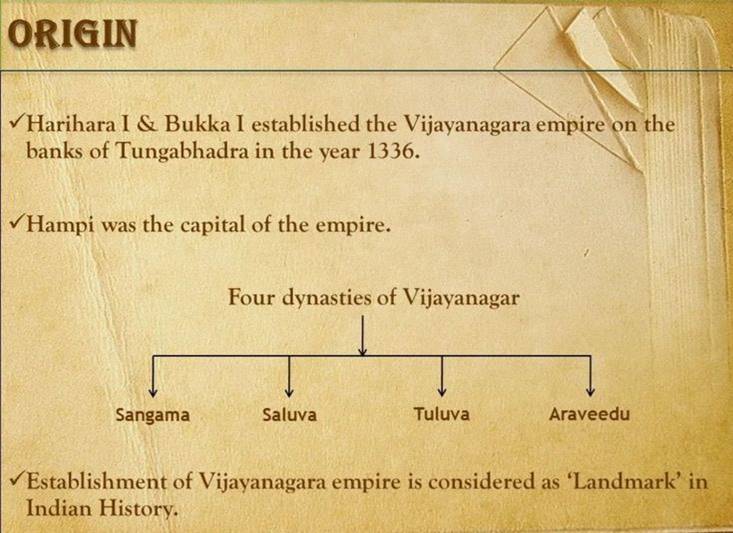
THE FOUR DYNASTIES THAT RULED THE VIJAYANAGARA EMPIRE
1.SANGAMA
2. SALUVA
3. TULUVA
4. ARAVIDU
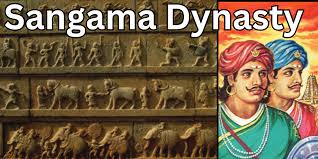
SANGAMA DYNASTY (1336-1485) already we know the about the founders I,e Harihara and Bukka 1. Founding: The Sangama Dynasty was founded by Harihara and Bukka in 1336. The Sangama Dynasty originated from the Sangama family, who were governors of the Hoysala Empire. Harihara and Bukka seized power after the collapse of the Hoysala Empire.

Harihara (also known as Hakka) was a founder of the Vijayanagara Empire, which was a powerful empire that existed in southern India from the 14th to the 17th century. Here are some key facts about Harihara.Harihara was born in 1336 CE in the kingdom of Kampili, which was a small kingdom in southern India. Harihara was a member of the Sangama family, which was a powerful family in the kingdom of Kampili.
Harihara ruled the Vijayanagara Empire from 1336 CE to 1357 CE.Harihara led several military campaigns against neighboring kingdoms, including the Hoysala Kingdom and the Sultanate of Madurai. Harihara implemented several administrative reforms, including the creation of a new system of taxation and administration.He played a key role in the founding of the Vijayanagara Empire, which became one of the most powerful empires in southern India. Harihara established a new kingdom, which marked the beginning of a new era in southern Indian history. His reign saw significant cultural achievements, including the construction of several temples and the patronage of arts and literature.
Bukka Raya (also known as Bukka) was a founder of the Vijayanagara Empire, which was a powerful empire that existed in southern India from the 14th to the 17th century. Here are some key facts about Bukka Raya. Bukka Raya was born in 1308 CE in the kingdom of Kampili, which was a small kingdom in southern India. Bukka Raya was a member of the Sangama family, which was a powerful family in the kingdom of Kampili. Bukka Raya met with Vidyaranya, a wise and influential sage, who advised him to establish a new kingdom. Bukka Raya, along with his brother Harihara, established the Vijayanagara Empire in 1336 CE. The capital city of the empire was established at Vijayanagara, which is now known as Hampi.
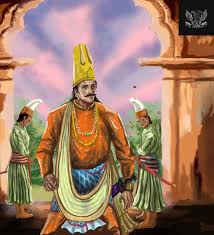
Harihara II(1377 CE -1404 CE)
Harihara II was born in 1377 CE. He ruled the Vijayanagara Empire from.Conquest of the Reddy Kingdom: Harihara II led a successful military campaign against the Reddy Kingdom, which was a powerful kingdom in southern India. Harihara II’s military campaigns and administrative reforms helped to consolidate the Vijayanagara Empire, which became one of the most powerful empires in southern India.His reign saw significant cultural achievements, including the development of Kannada literature and the construction of several temples. During the 27 years rule of Harihara II, the son of Bukkaraya, the Vijayanagara Empire comprised of vast area. He tookinto his control Kondaveedu,Kurnool and Nellore forts. Harihara II expanded hiskingdom from Goa to the north of the Konkan coast. He occupied the fort of Pangala lying to the north of Krishna river in the year 1398. He expanded the Vijayanagara Empire by conquering several neighboring kingdoms, including the Velama Kingdom and the Kondavidu Kingdom. Harihara II reorganized the administrative structure of the Vijayanagara Empire, creating new provinces and appointing governors to rule them.He introduced a new revenue system, which included the collection of taxes from farmers and merchants.Harihara II was a patron of arts and literature, and his court attracted scholars, poets, and musicians from all over India. He built several temples, including the famous Vitthala Temple in Hampi.
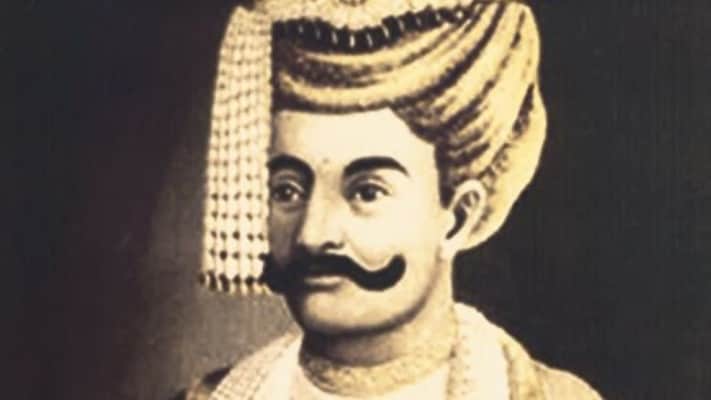
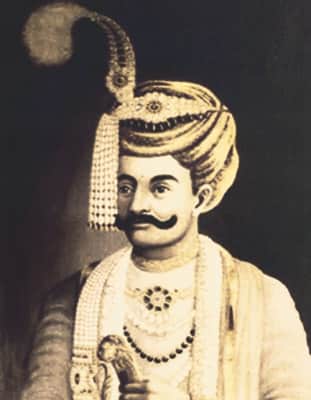
Devaraya II (Praudhadevaraya) (1424 to 1446)
Was the most famous king in the Sangama dynasty was Devaraya II. He had earned the title of ‘Elephant Hunter’. Devaraya II defeated the king Gajapati Kapilendra of Orissa and seized Kondaveedu. By suppressing the regional leaders across the border, he expanded the kingdom up to Krishna river in the north east. Later, he defeated the Kerala ruler and receive droyalties from Kerala and Sri Lanka. This earned him the title “Dakshinapathada Chakravarthi” (the Emperor of the South). Through these conquests the Vijayanagara Empire extended from Sri Lanka to Gulbarga and Telangana to Malabar. Devaraya II chased the traditional foe Ahmed Shah of Bahamani till Bijapur and occupied Mudgal and Bankapura. His commander, Lakkanna Dandesha, took up a successful naval victory. Devaraya II was tolerant towards other religions. He constructed Mosques,Jain and Vaishnava temples in the capital. Being a poet himself, he had in his court the Sanskrit scholar, Dindima and the Kannada scholar, Lakkana Dandesha.
SALUVA DYNASTY (1485-1505)
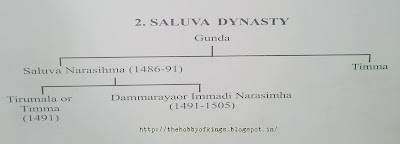
The Saluva Dynasty was founded by Saluva Narasimha Deva Raya in 1485. Saluva Narasimha Deva Raya was a powerful military commander who seized power after the death of the previous ruler, Praudha Raya. The Saluva Dynasty ruled the Vijayanagara Empire for approximately 20 years.
Notable Rulers of Saluva Dynasty
1.Saluva Narasimha Deva Raya (1485-1491): Founder of the Saluva Dynasty, known for his military campaigns and administrative reforms.
- Immadi Narasimha Raya (1491-1505): Son of Saluva Narasimha Deva Raya, known for his military campaigns against neighboring kingdoms.
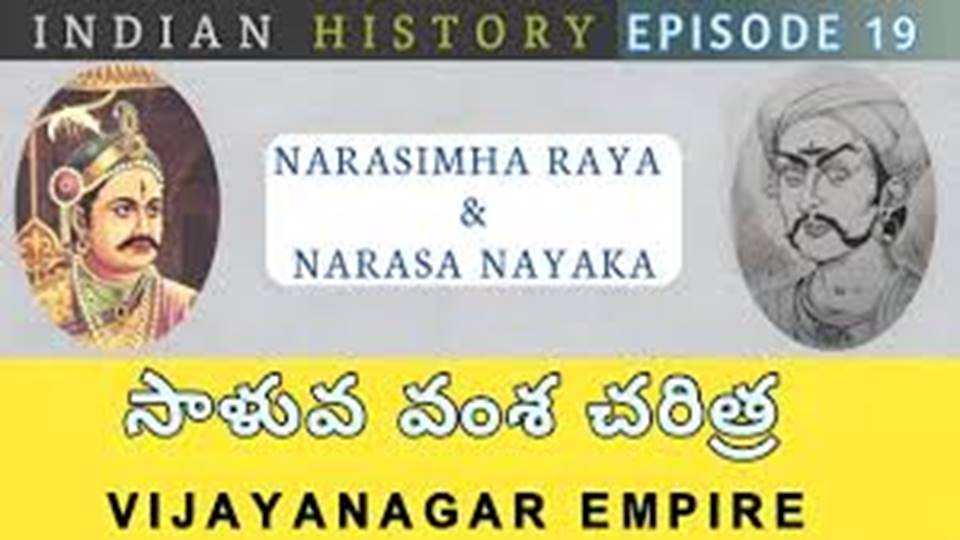
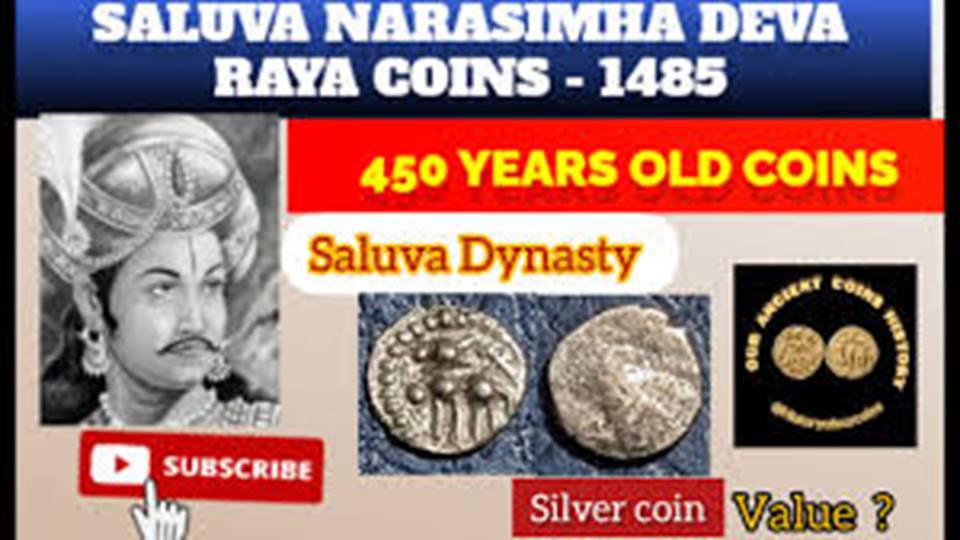
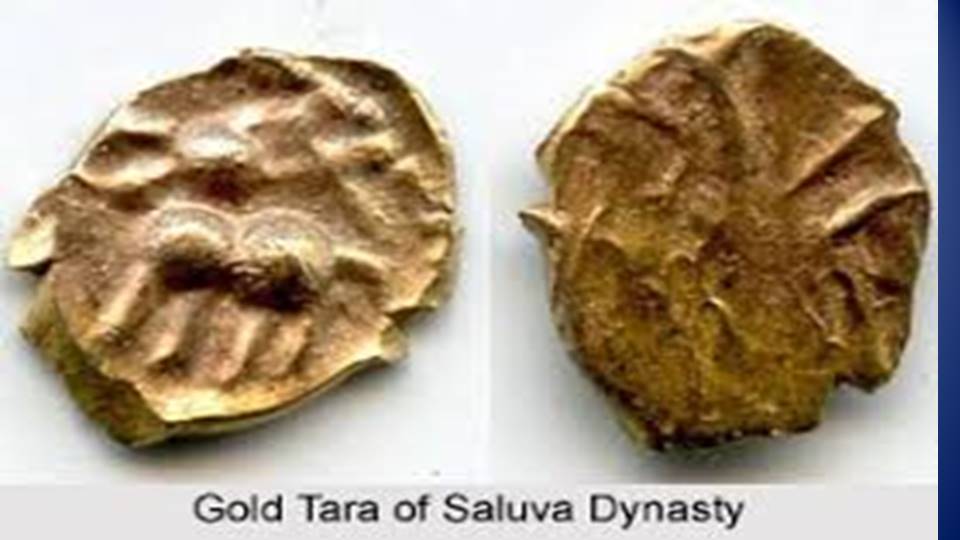
Military Campaigns: The Saluva Dynasty was known for its military campaigns against neighboring kingdoms, including the Odisha kingdom and the Bahmani Sultanate. Administrative Reforms: Saluva Narasimha Deva Raya implemented administrative reforms, including the creation of a new system of taxation and administration. Cultural Patronage: The Saluva Dynasty was known for its patronage of arts and culture, including music, dance, and literature.
The Saluva Dynasty declined and fell in 1505, when Immadi Narasimha Raya was defeated by the Tuluva Dynasty, which went on to rule the Vijayanagara Empire.3 Tuluva Dynasty (1505-1542) The Founded by Vira Narasimha Raya Rulers: Vira Narasimha Raya, Krishnadeva Raya, and others Notable achievements: Military campaigns against neighboring kingdoms, expansion of the empire, and patronage of arts and culture
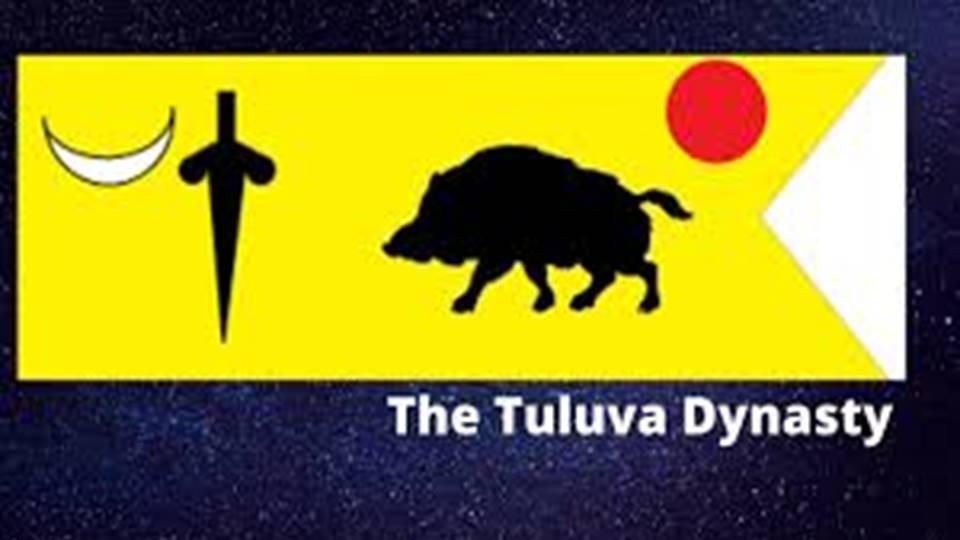
TULUVA DYNASTY (1505-1542)
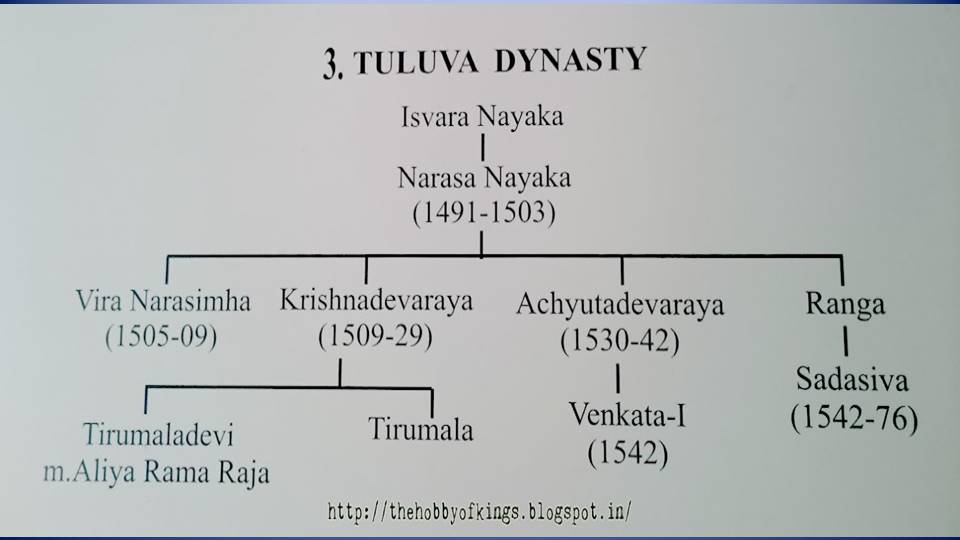
Dynasty was founded by Vira Narasimha Raya in 1505. The Tuluva Dynasty originated from the Tuluva family, who were feudatories of the Saluva Dynasty. Vira Narasimha Raya seized power after defeating the Saluva Dynasty.
Notable rulers the Tuluva dynasty
- Vira Narasimha Raya (1505-1509): Founder of the Tuluva Dynasty, known for his military campaigns and administrative reforms.
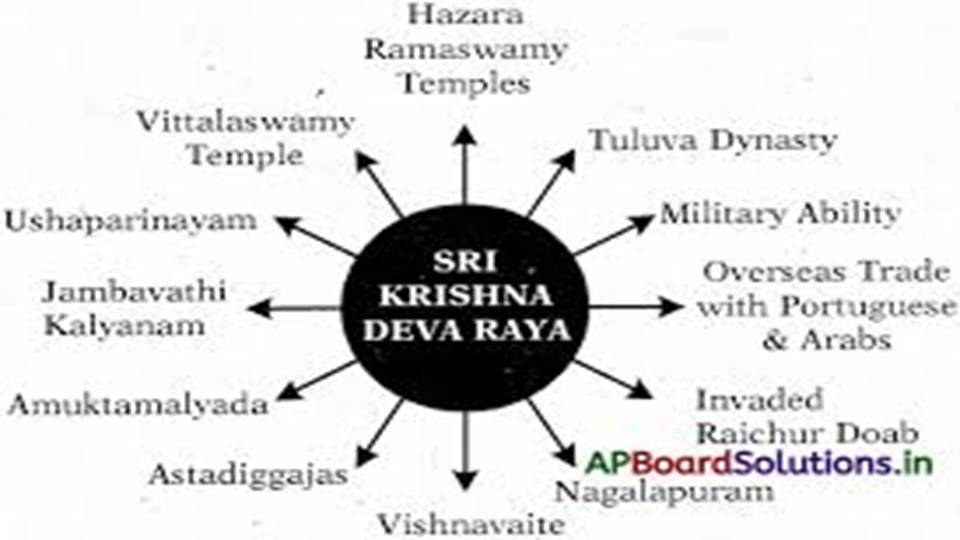
- Krishnadeva Raya (1509-1529): Son of Vira Narasimha Raya, considered one of the greatest rulers of the Vijayanagara Empire.
- Achyuta Deva Raya (1529-1542): Son of Krishnadeva Raya, known for his military campaigns and cultural patronage.
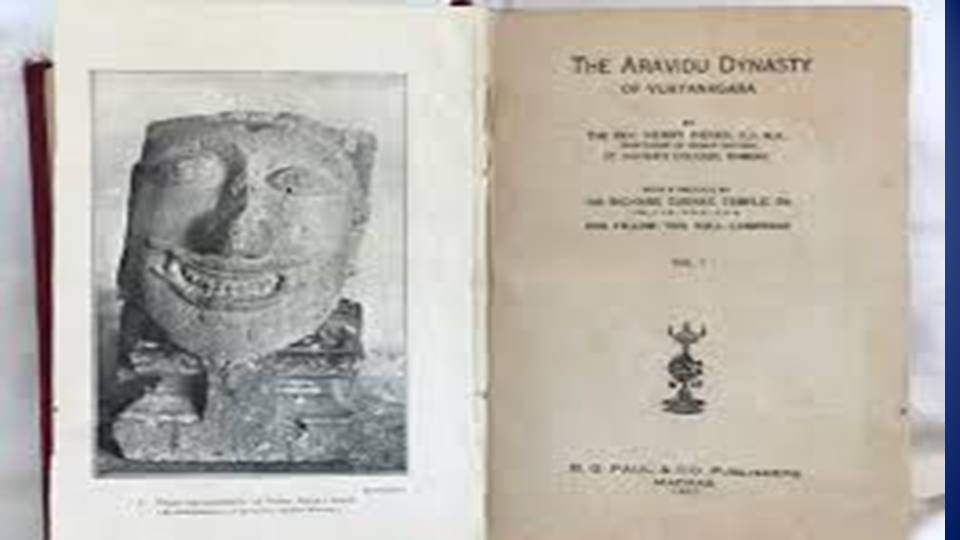
The Tuluva Dynasty was known for its military campaigns against neighboring kingdoms, including the Odisha kingdom and the Bahmani Sultanate. Krishnadeva Raya implemented administrative reforms, including the creation of a new system of taxation and administration. The Tuluva Dynasty was known for its patronage of arts and culture, including music, dance, and literature.
. The Tuluva Dynasty saw significant economic prosperity, with the empire becoming a major center of trade and commerce. The Tuluva Dynasty declined and fell due to a succession crisis after the death of Achyuta Deva Raya. It allowed to Rise of the Aravidu Dynasty:
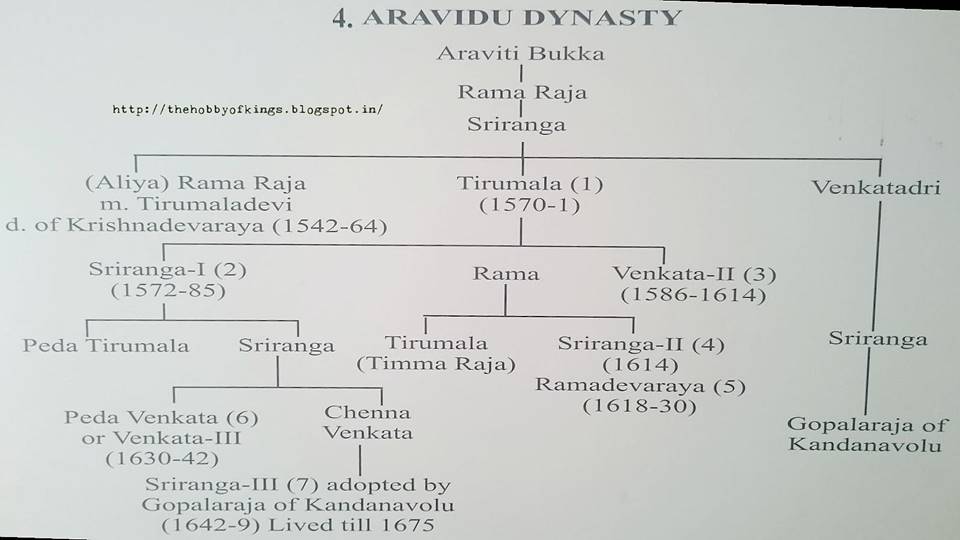
ARAVIDU DYNASTY (1542-1646)
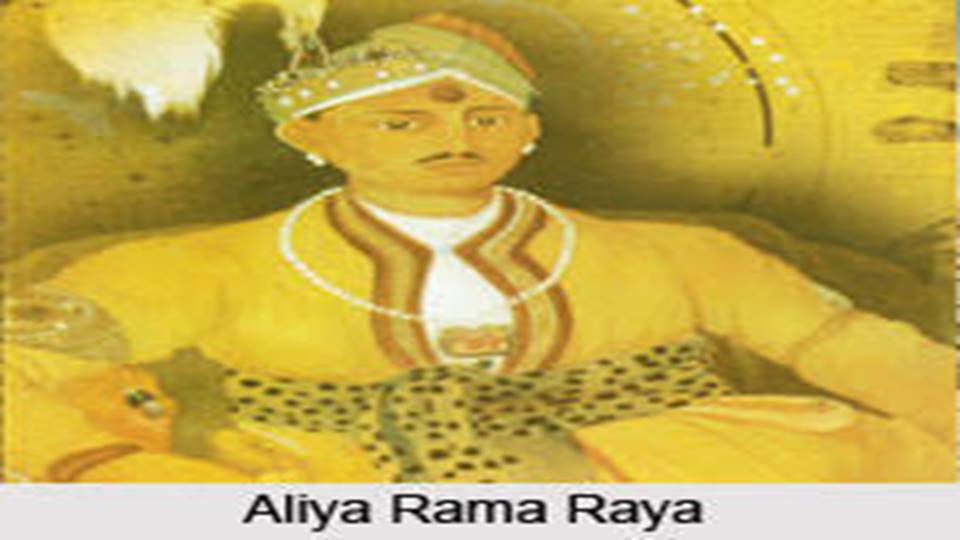
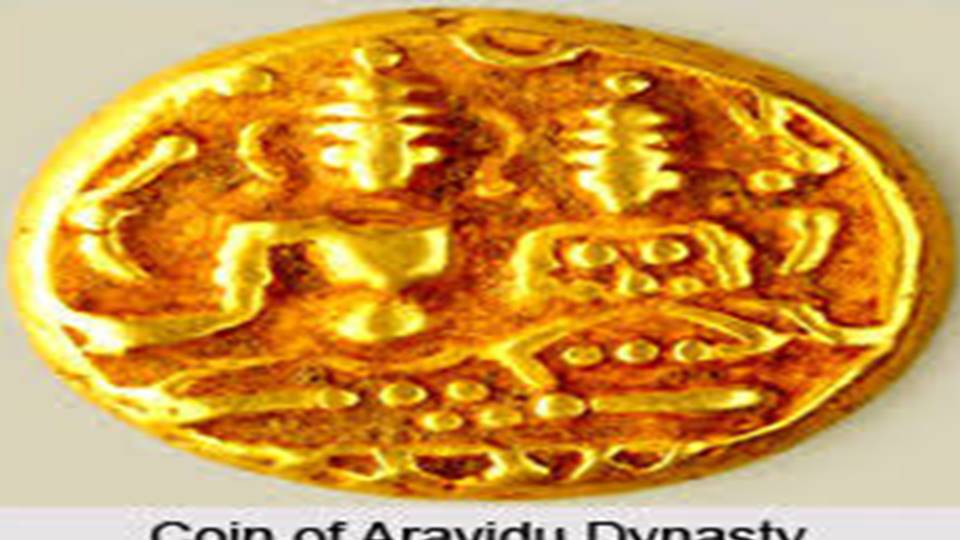
ARAVIDU DYNASTY was founded by Aliya Rama Raya in 1542 who belongs to the Aravidu family, who were relatives of the Tuluva Dynasty. Aliya Rama Raya seized power after the death of Achyuta Deva Raya, the last ruler of the Tuluva Dynasty.
Notable Rulers Aravidu Dynasty
- Aliya Rama Raya (1542-1565): Founder of the Aravidu Dynasty, known for his military campaigns and administrative reforms.
- Tirumala Deva Raya (1565-1572): Son of Aliya Rama Raya, known for his military campaigns and cultural patronage.
- Sriranga Deva Raya (1572-1586): Son of Tirumala Deva Raya, known for his military campaigns and administrative reforms.
The Aravidu Dynasty was known for its military campaigns against neighboring kingdoms, including the Deccan Sultanates. Aliya Rama Raya implemented administrative reforms, including the creation of a new system of taxation and administration. Cultural Patronage: The Aravidu Dynasty was known for its patronage of arts and culture, including music, dance, and literature.The Aravidu Dynasty saw significant economic prosperity, with the empire becoming a major center of trade and commerce.
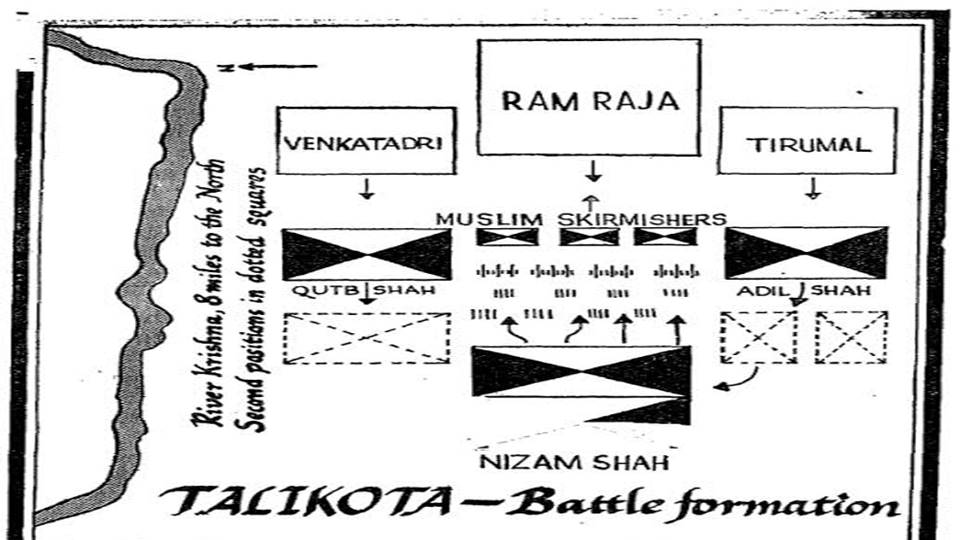
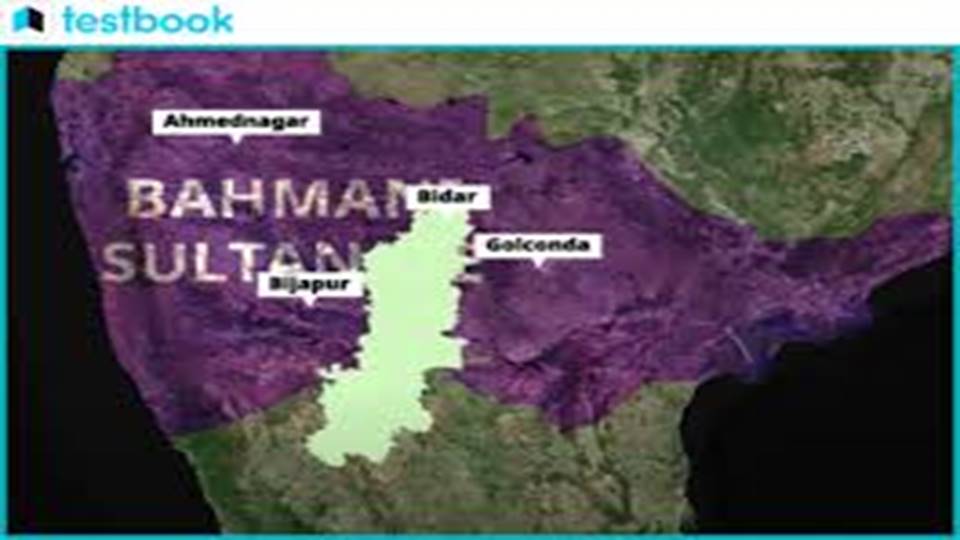
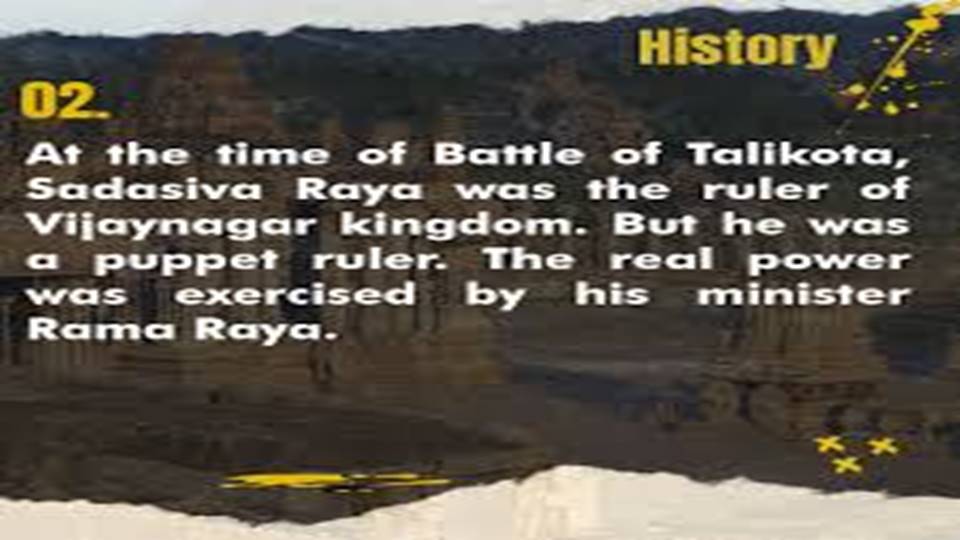
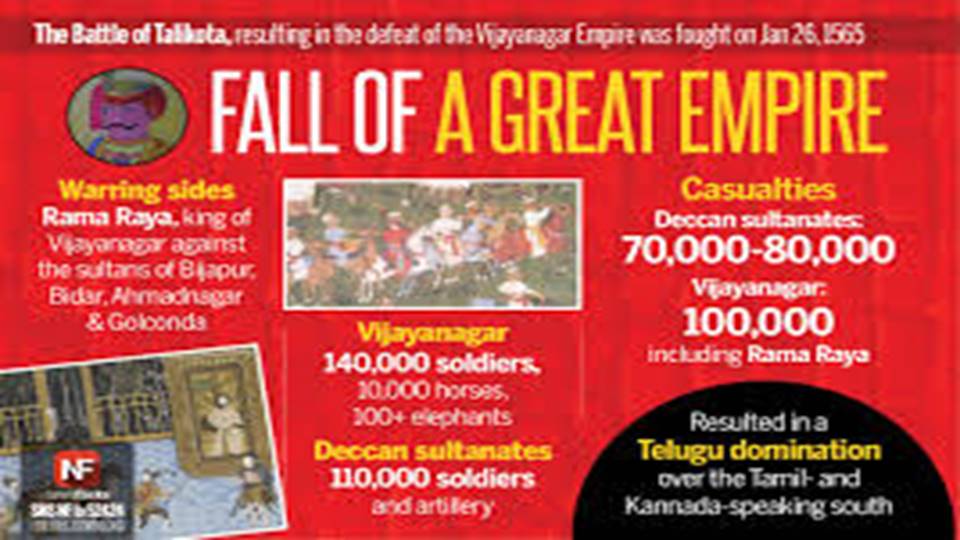
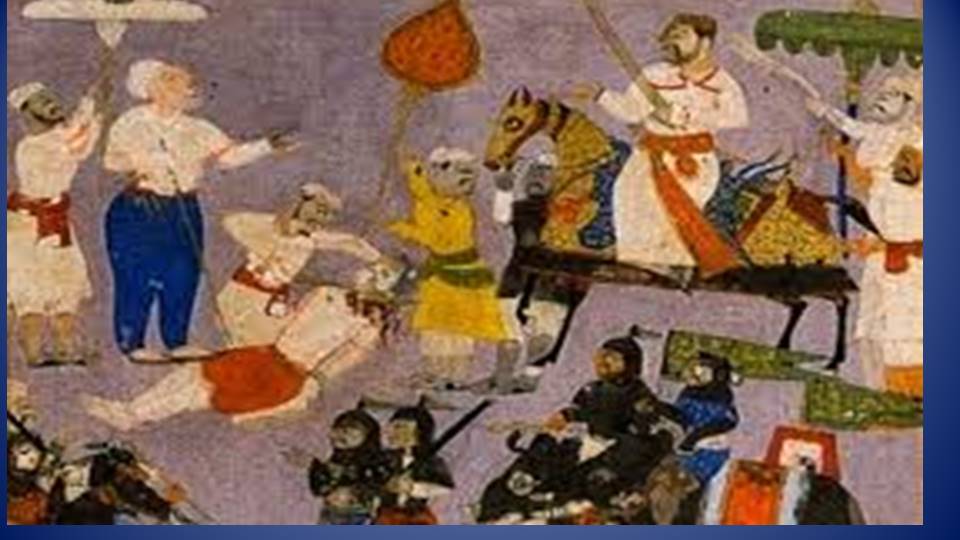
The Aravidu Dynasty declined and fell after the Battle of Talikota in 1565, where Aliya Rama Raya was defeated and killed by the Deccan Sultanates. The Aravidu Dynasty faced a succession crisis after the death of Aliya Rama Raya, which led to a decline in the empire’s power and influence. The Aravidu Dynasty eventually declined and fell in 1646, marking the end of the Vijayanagara Empire.
Dear students this was the brief intriduction about Vijayanagara Empire, in next class we will discuss about Sri Krishnadevaraya who was the famous king Of Vijayanagara Empire