Important Temples, Music and Dance of Vijayanagara Empire.

Sub unit-6

Important Temples & Music and Dance of Vijayanagara Empire.


Important temples:

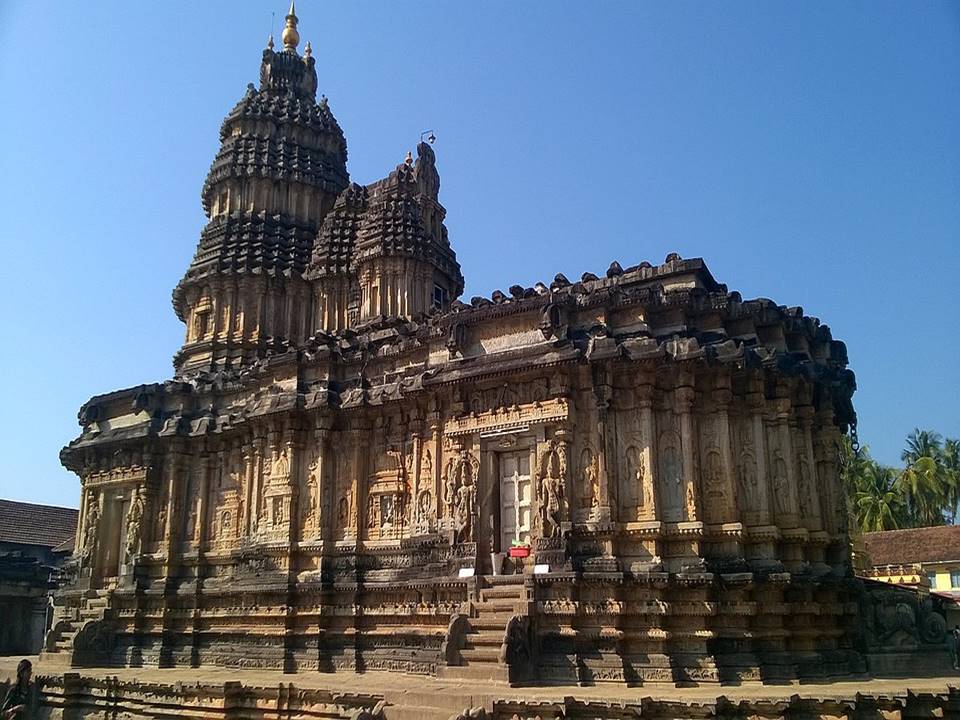
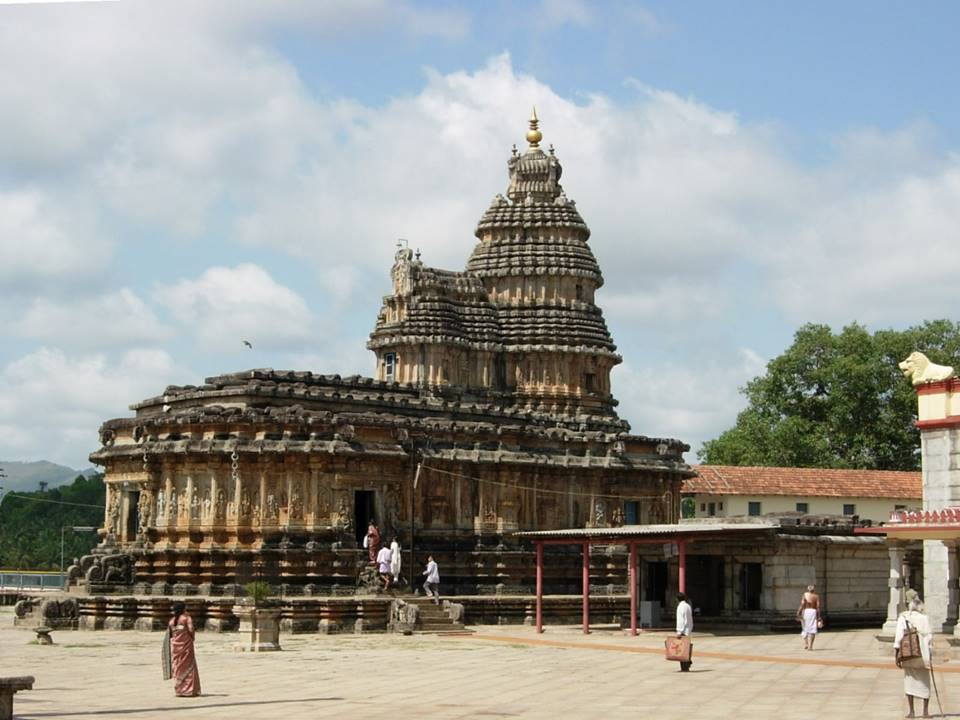
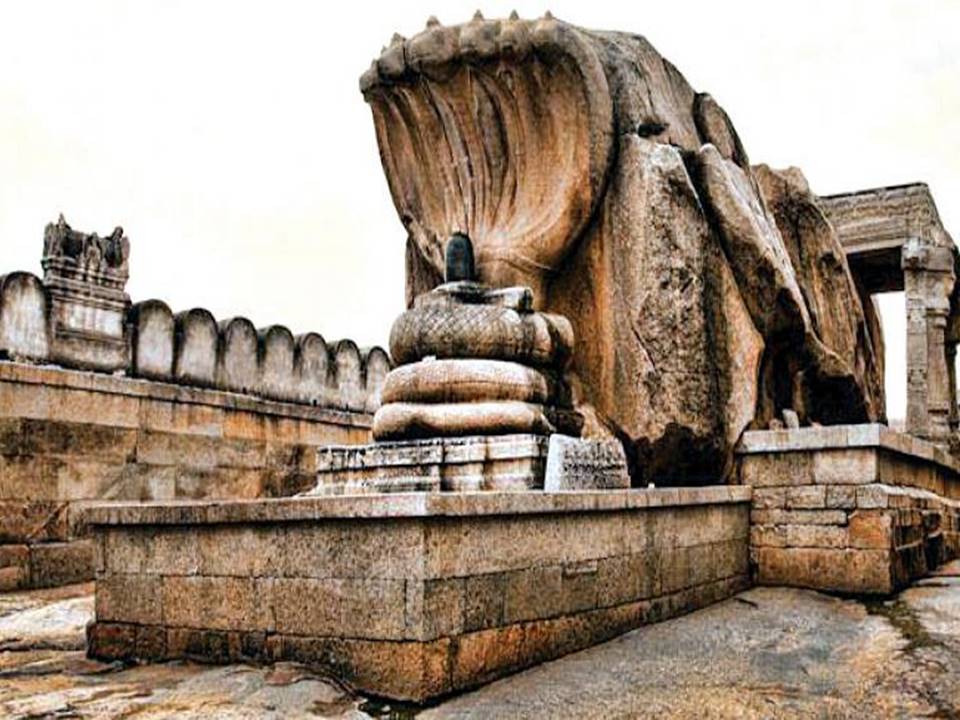
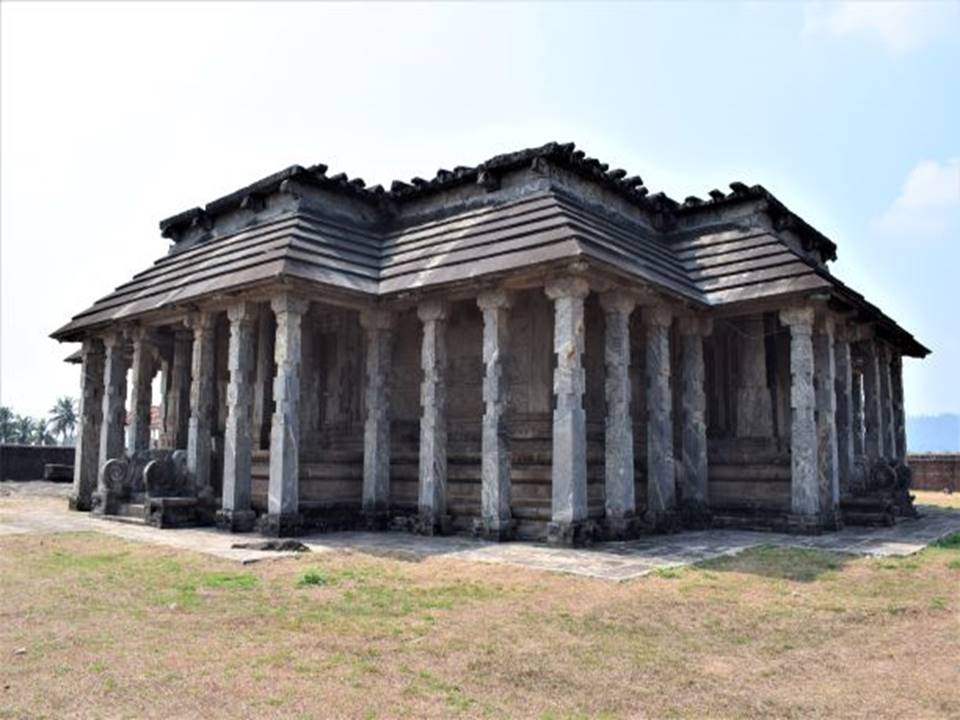
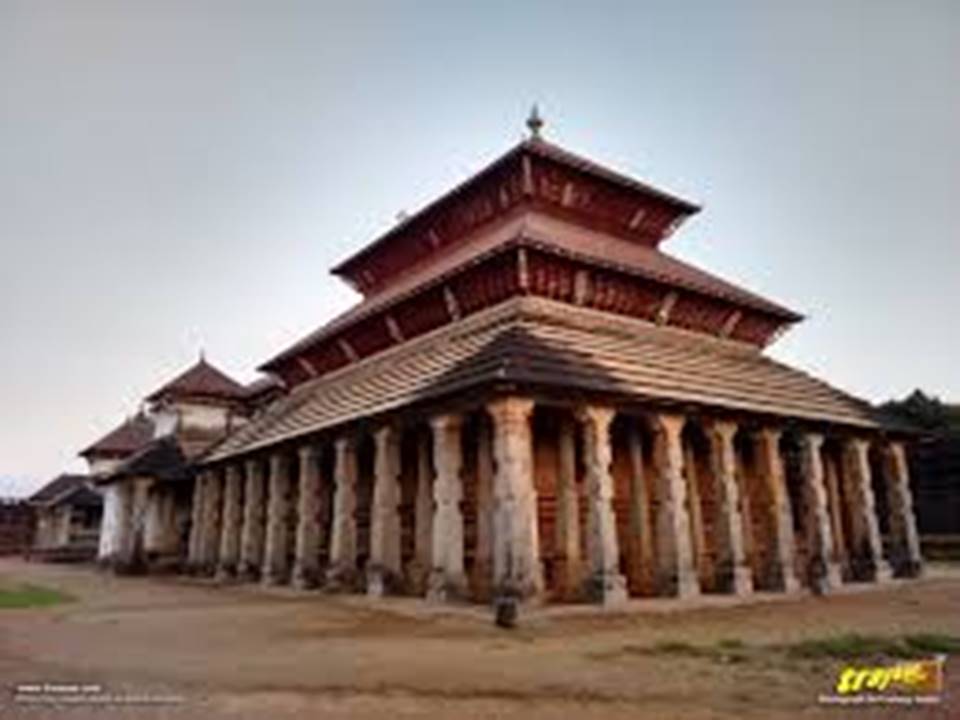
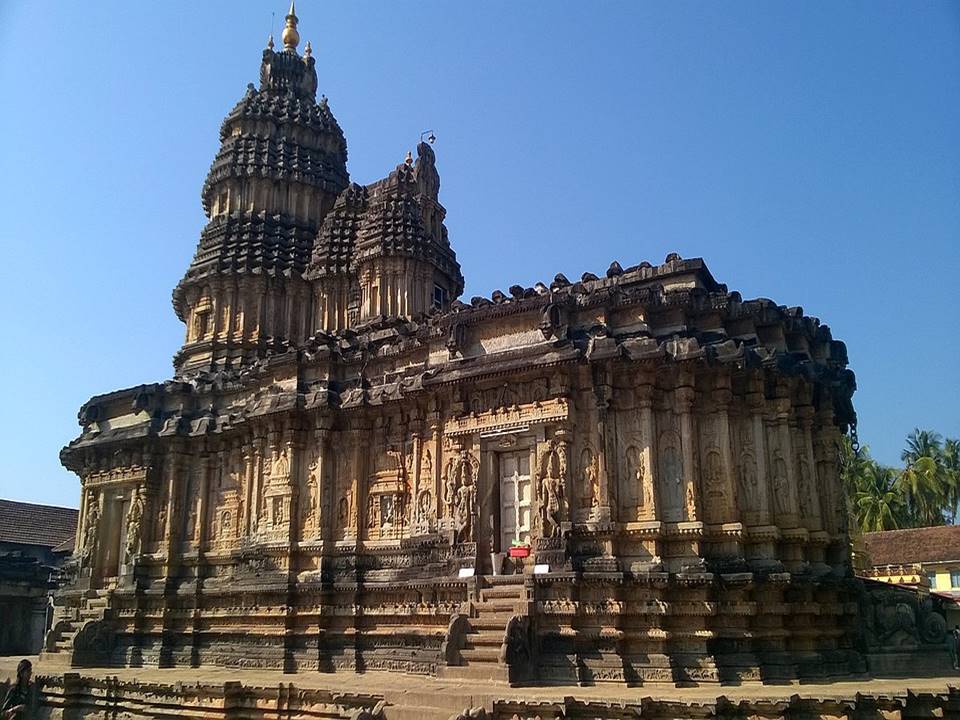
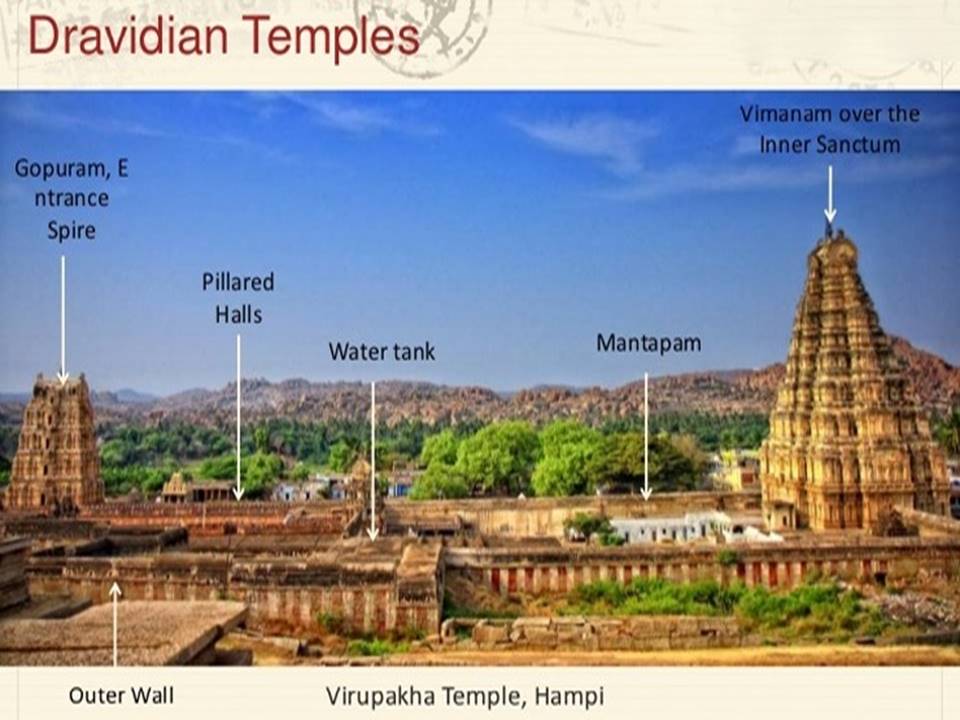
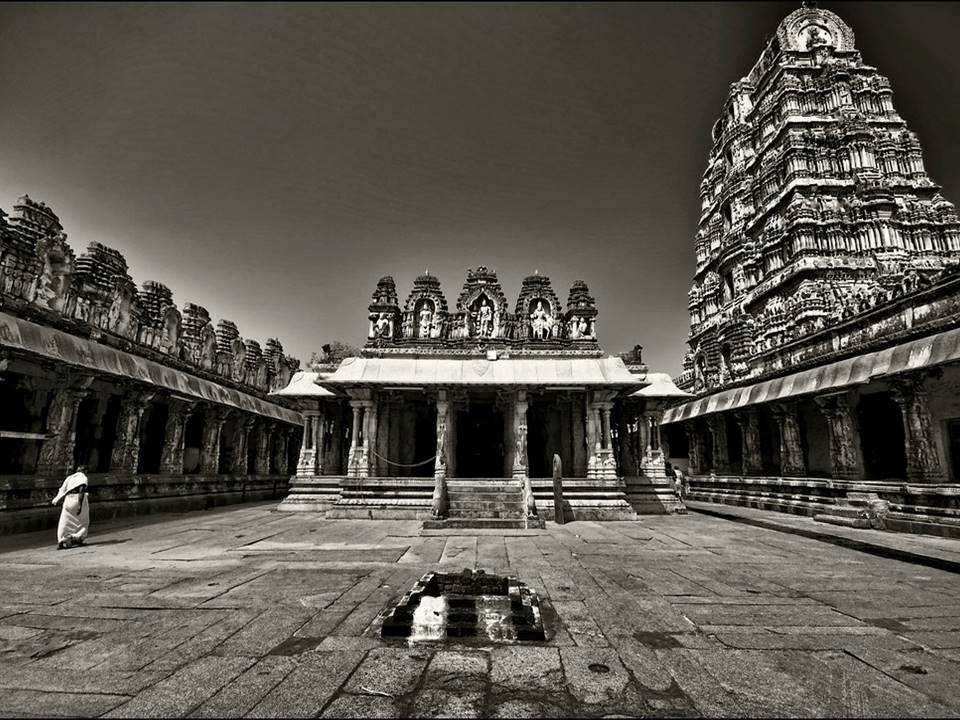
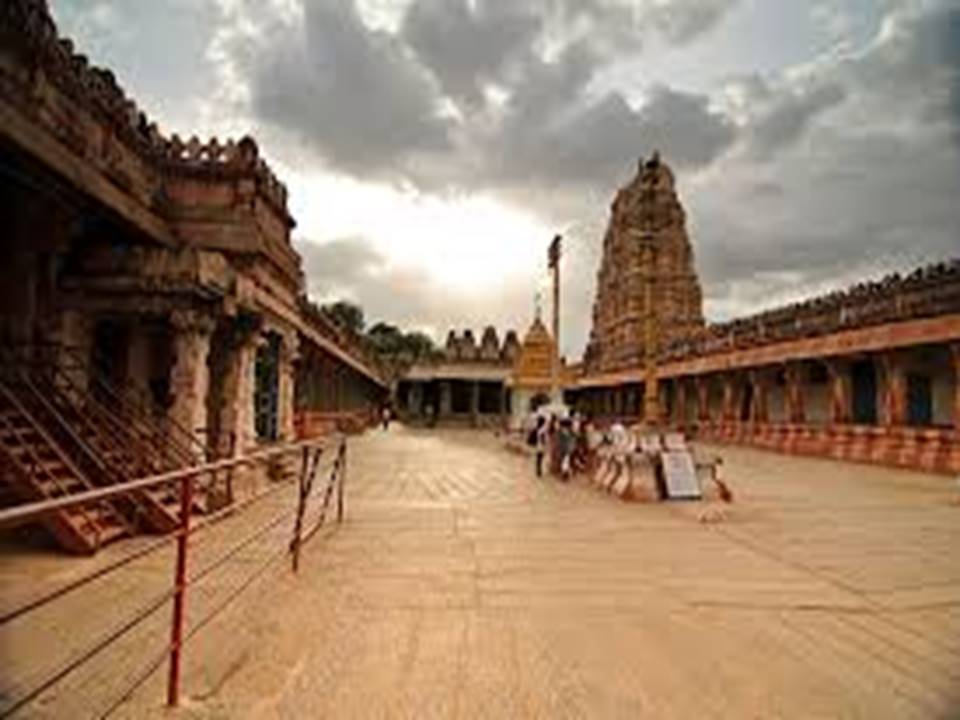
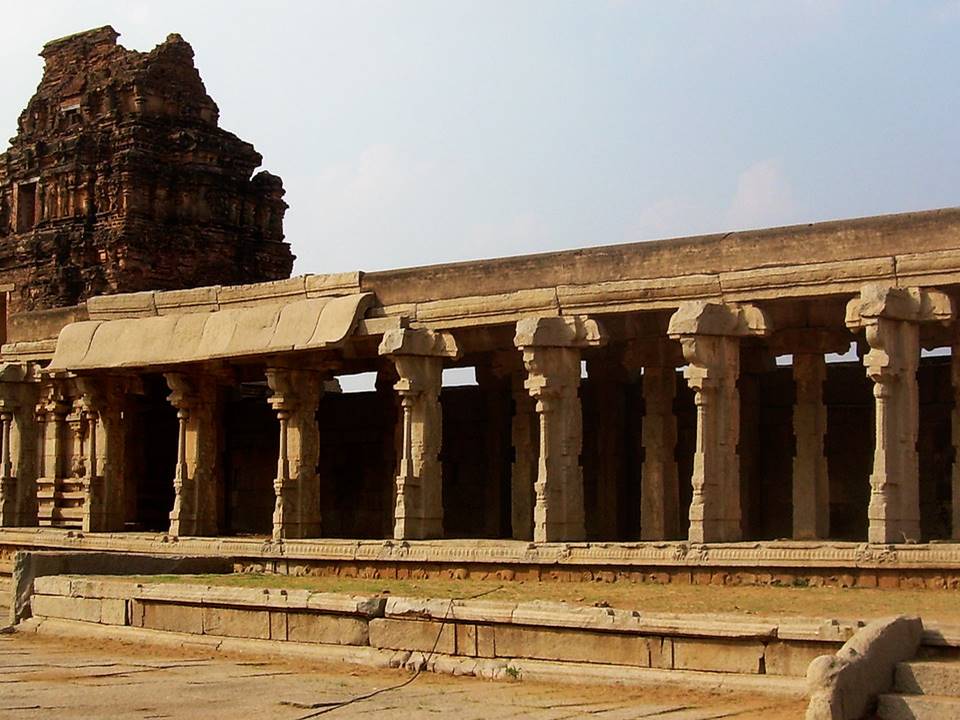
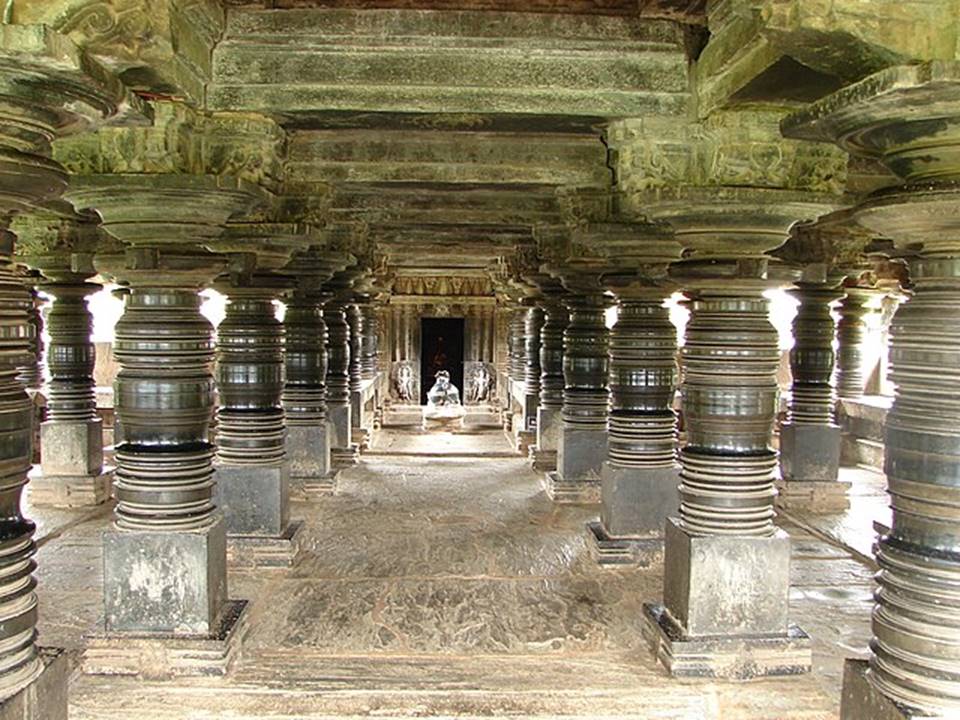
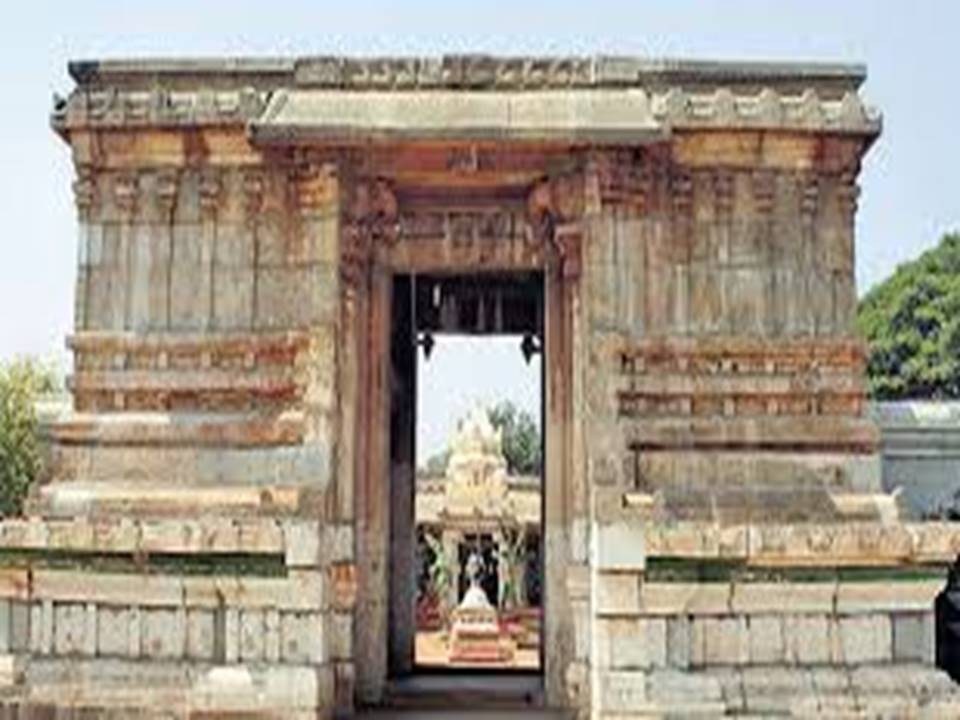
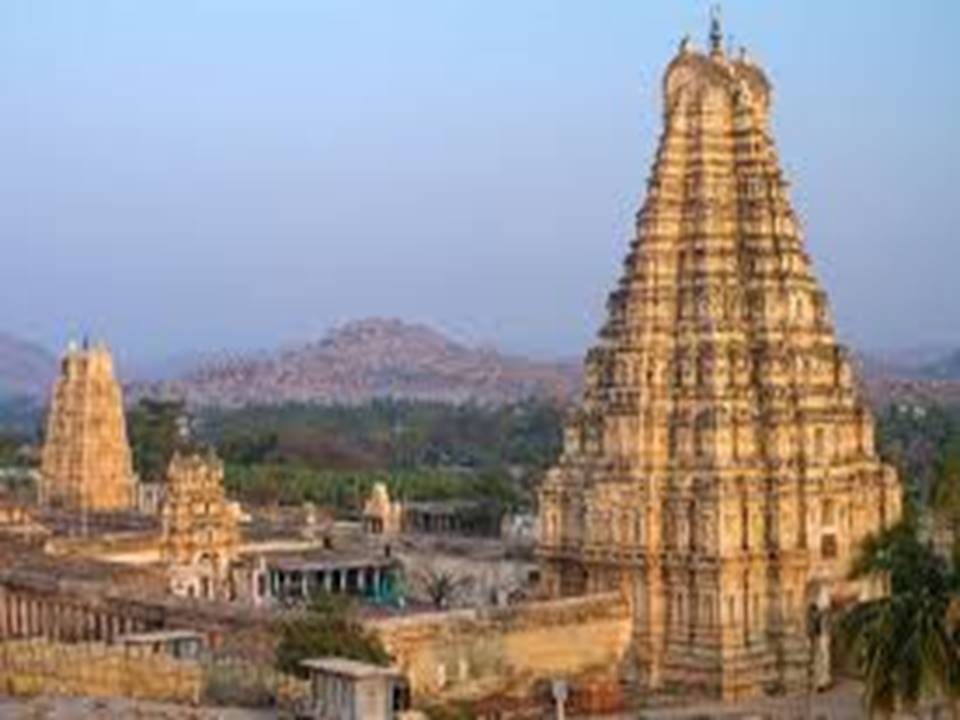
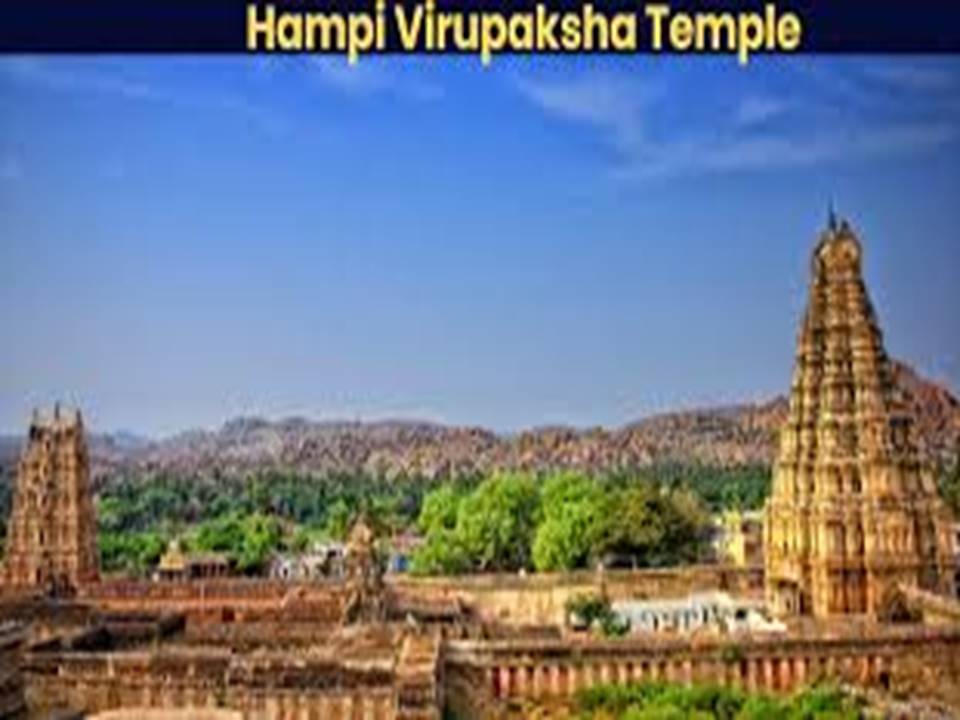
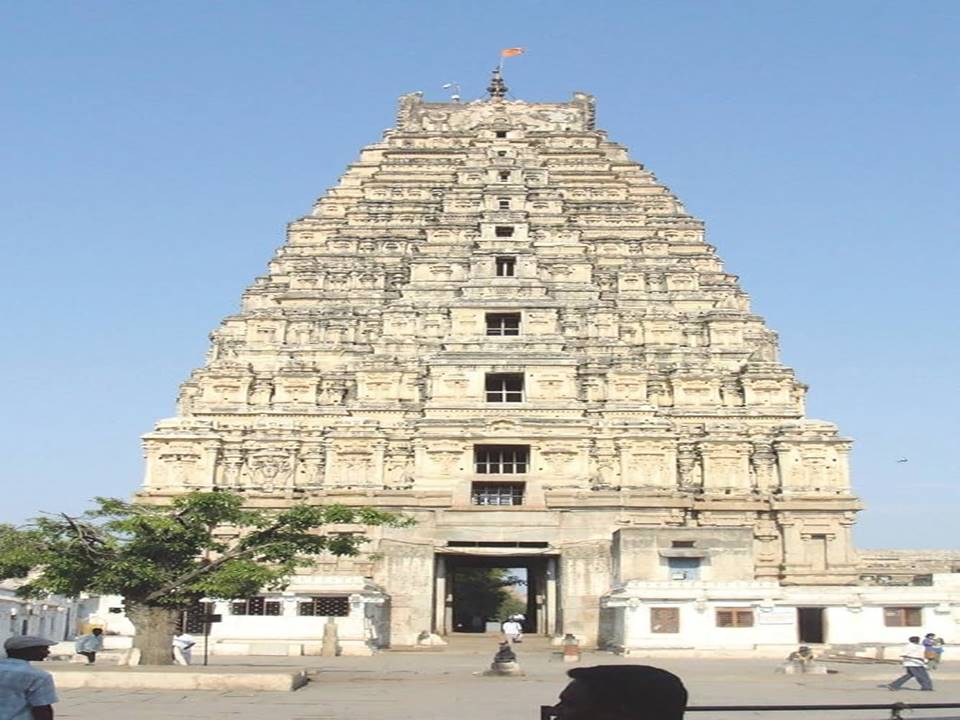
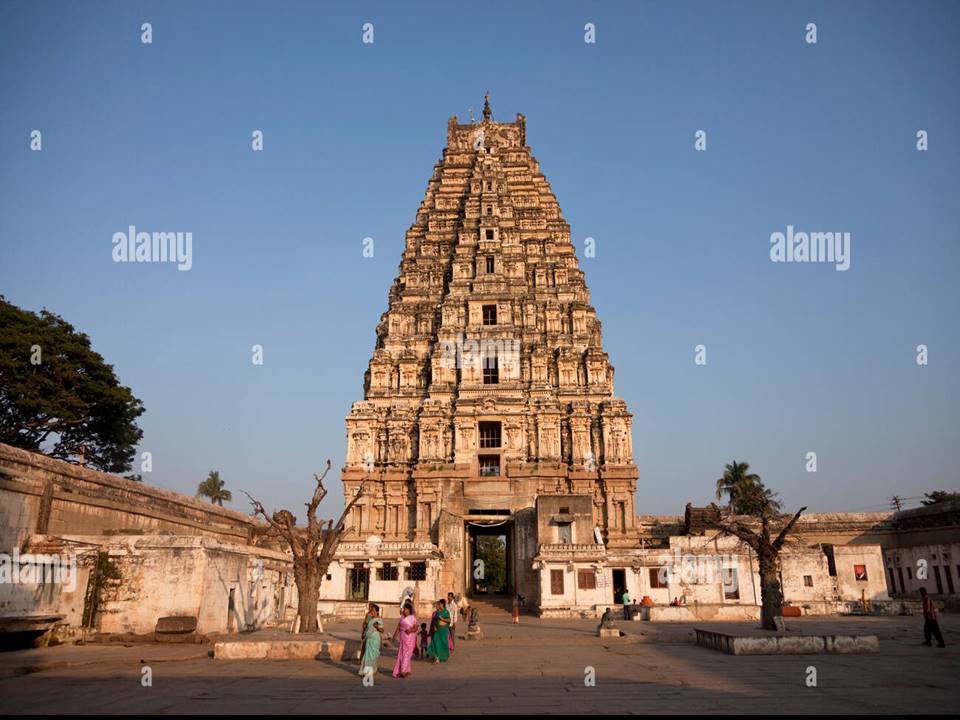
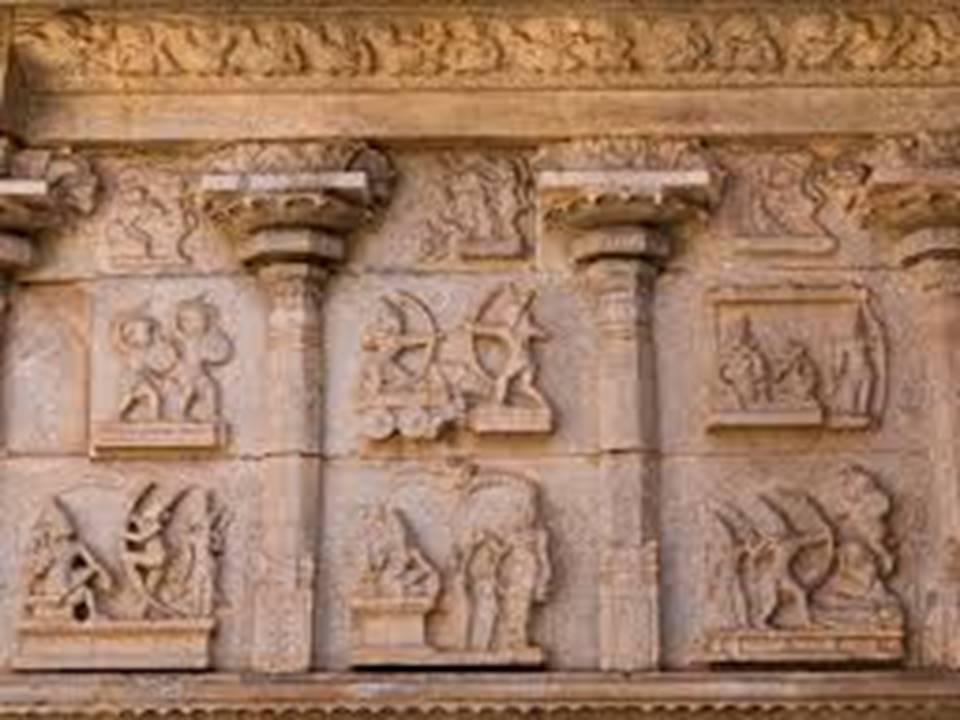
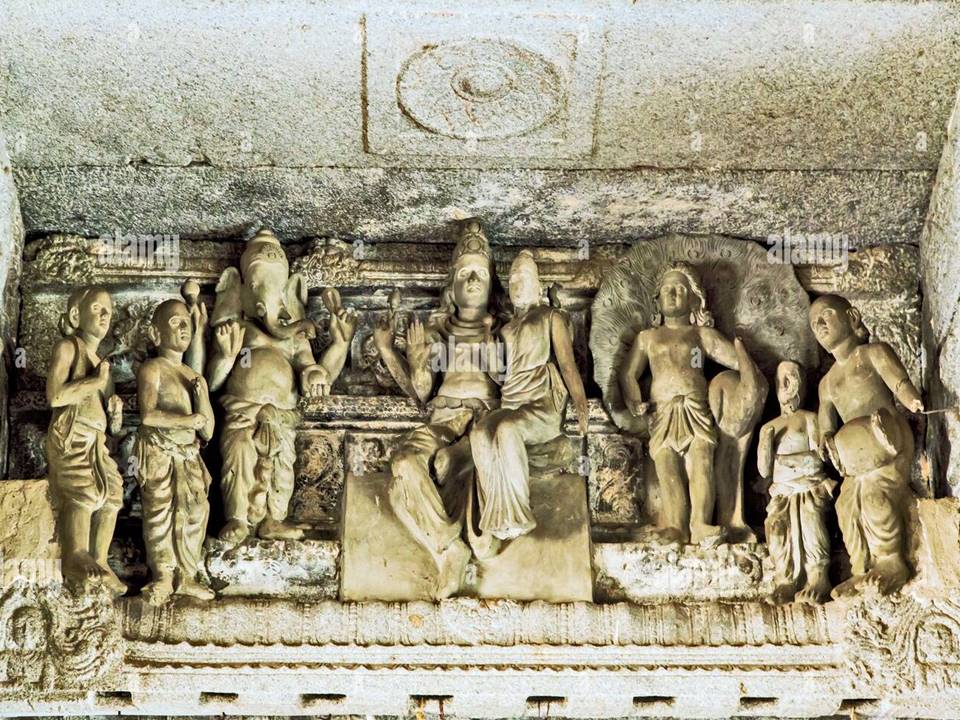
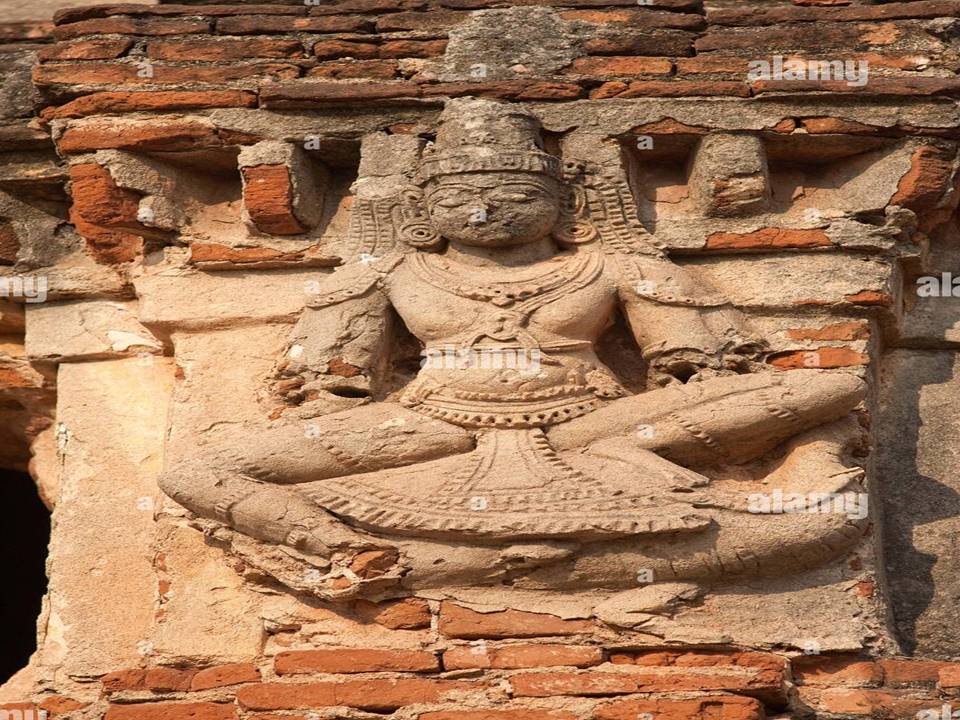
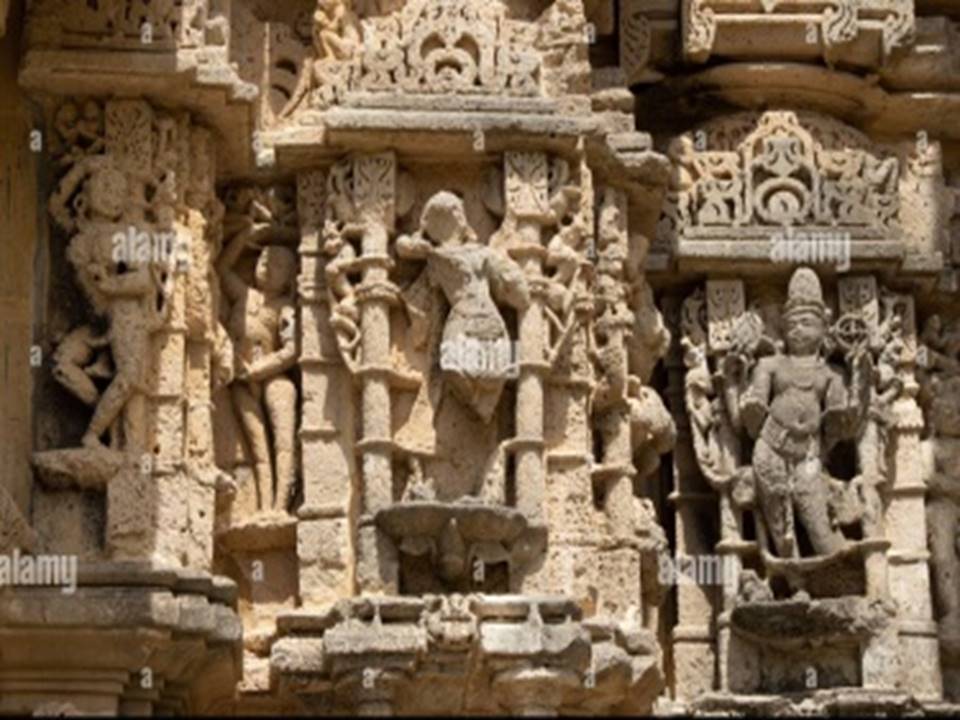
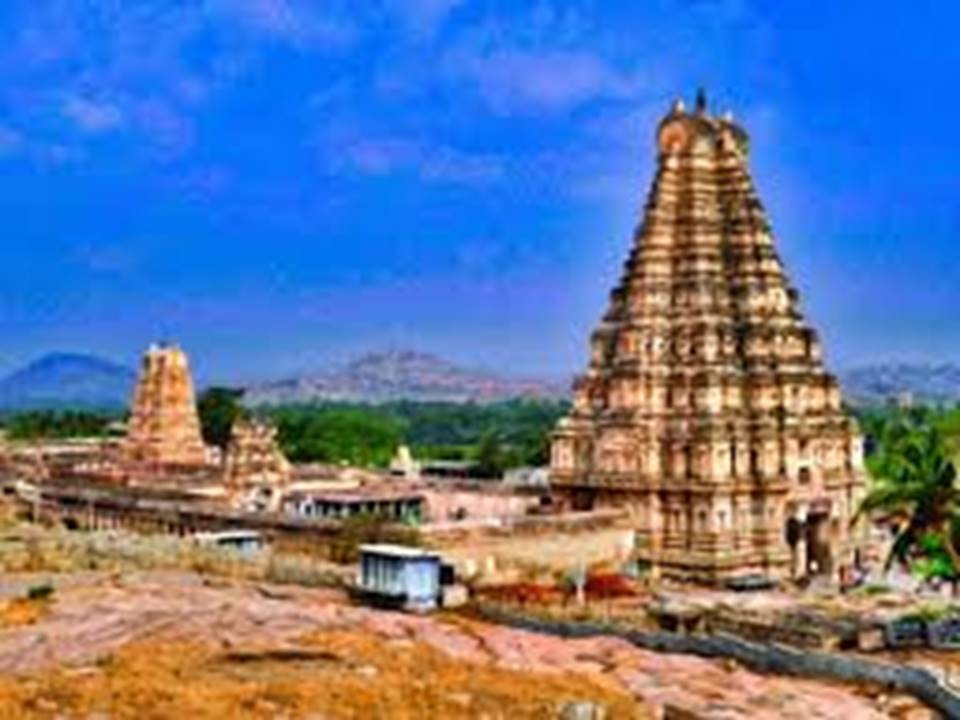
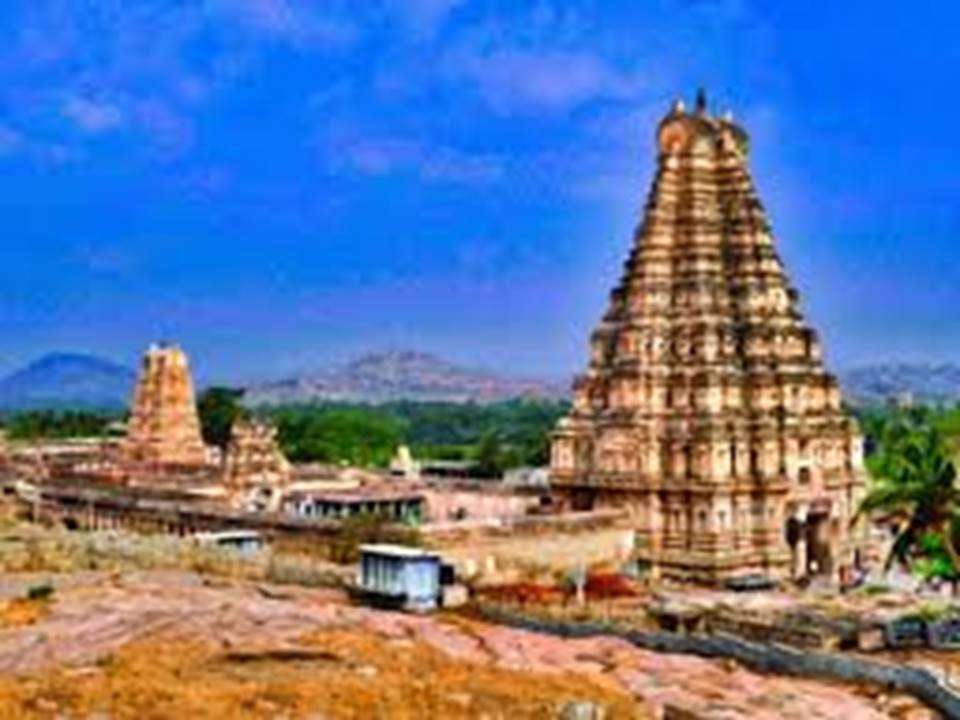
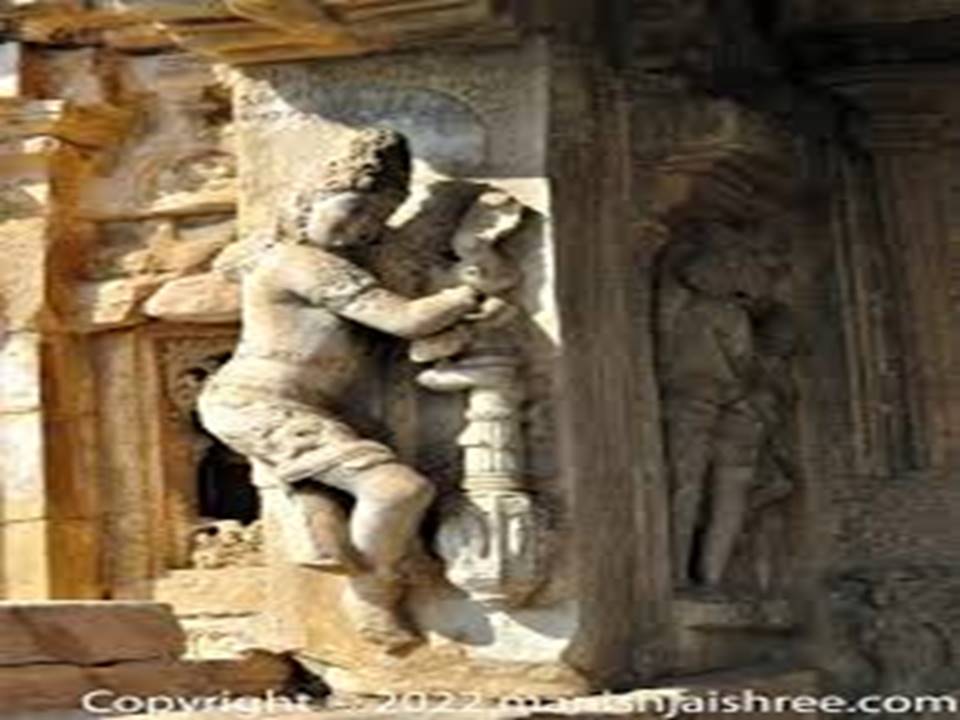
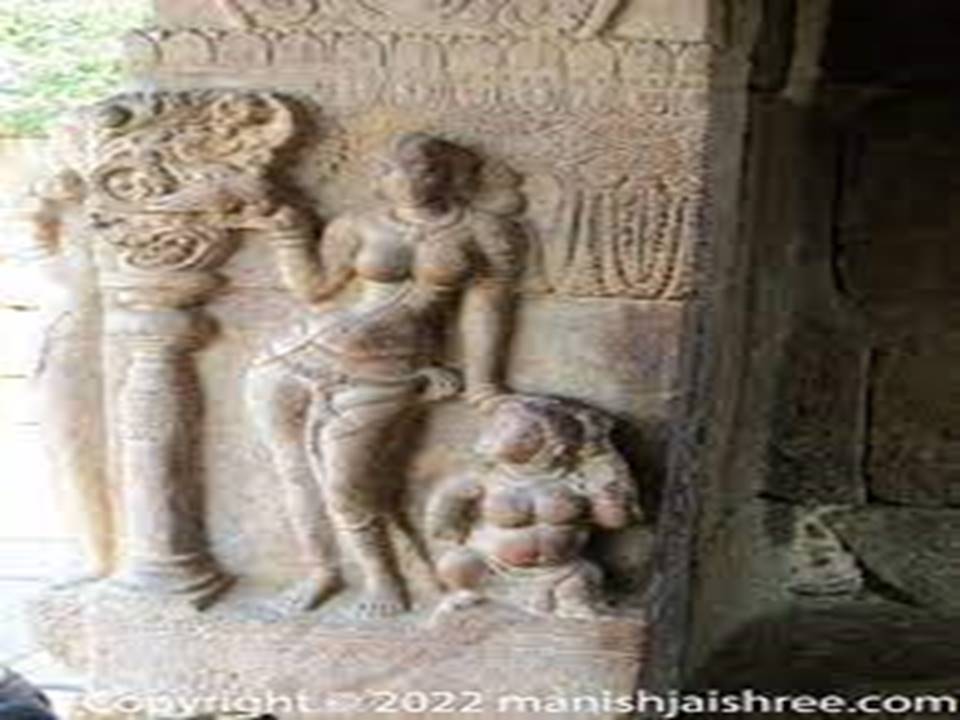
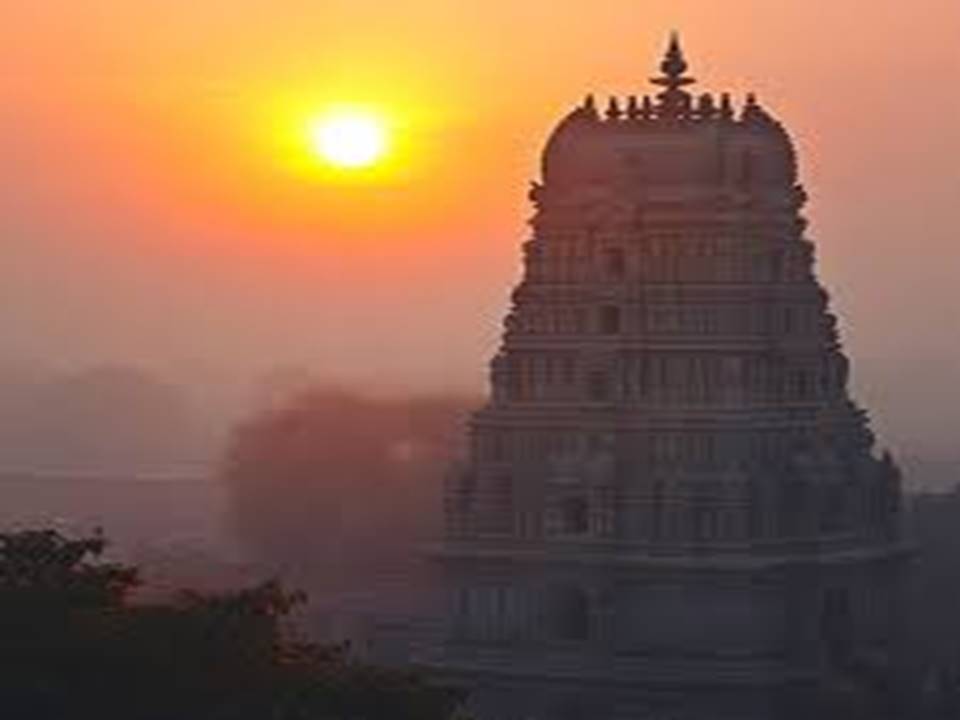
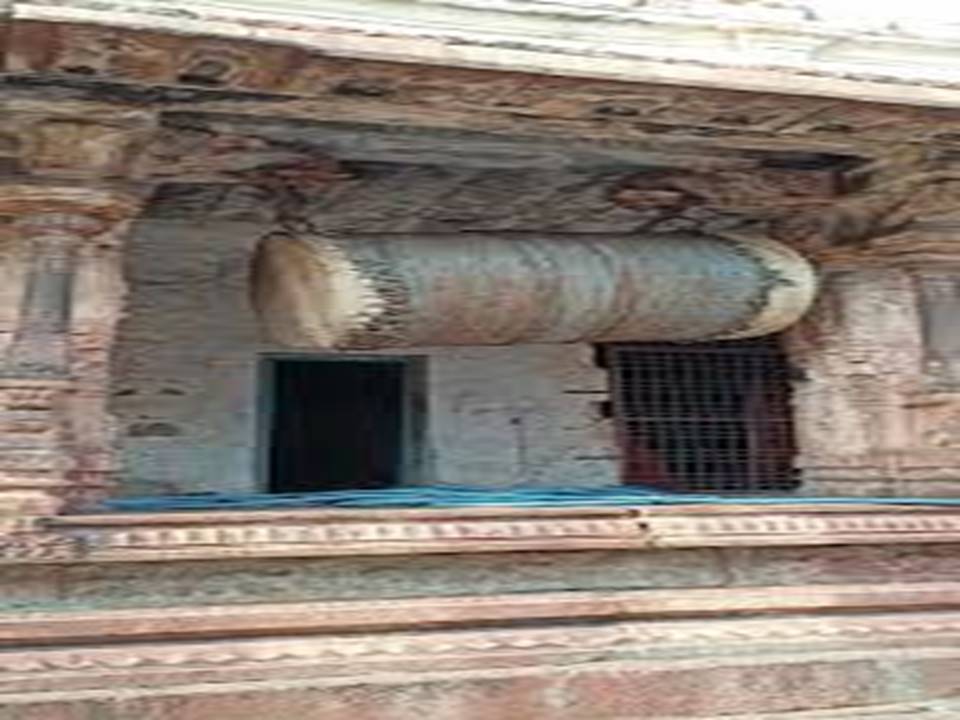
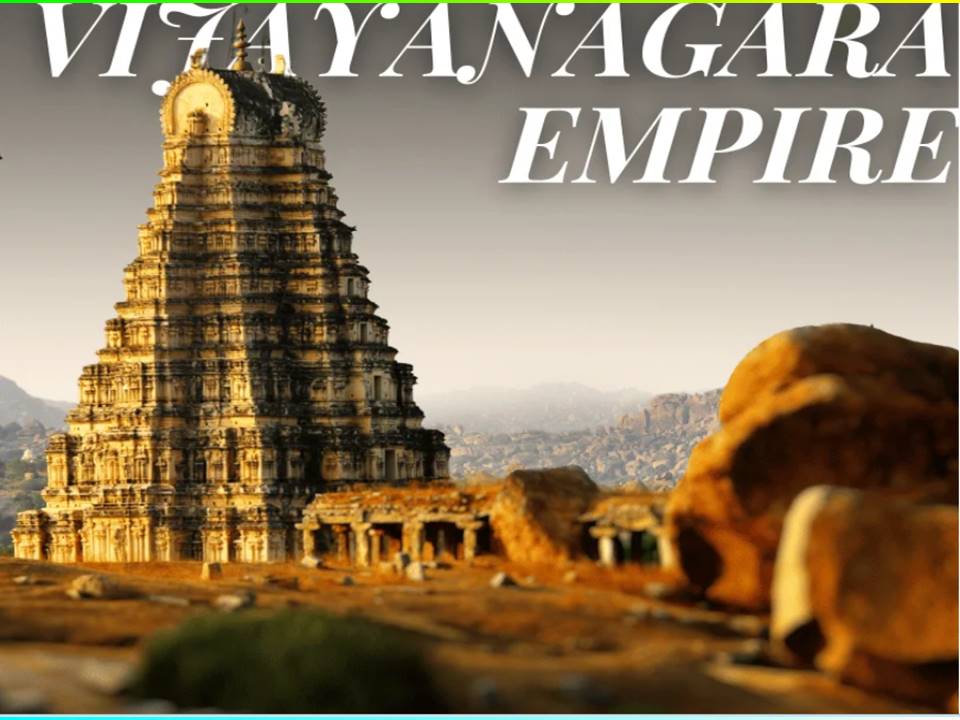
During the period of the Vijayanagar kings, temples were built in Hampi, Shringeri, Tirupati, Lepakshi, Karkala, Moodabidri, Bhatkal, Chidambaram, Kanchi, Kalahasti, Nandi, Srishaila, Kolar and other places. The most important temple constructed in the beginning of the Vijayanagar dynastic rule was Vidyashankara temple at Shringeri. The structure of this temple is unique in India. The most ancient temple of Vijayanagar is Virupaksha temple at Hampi. Having a vast courtyard/hall, this temple has many pillars with sculptures and decorative ceilings.

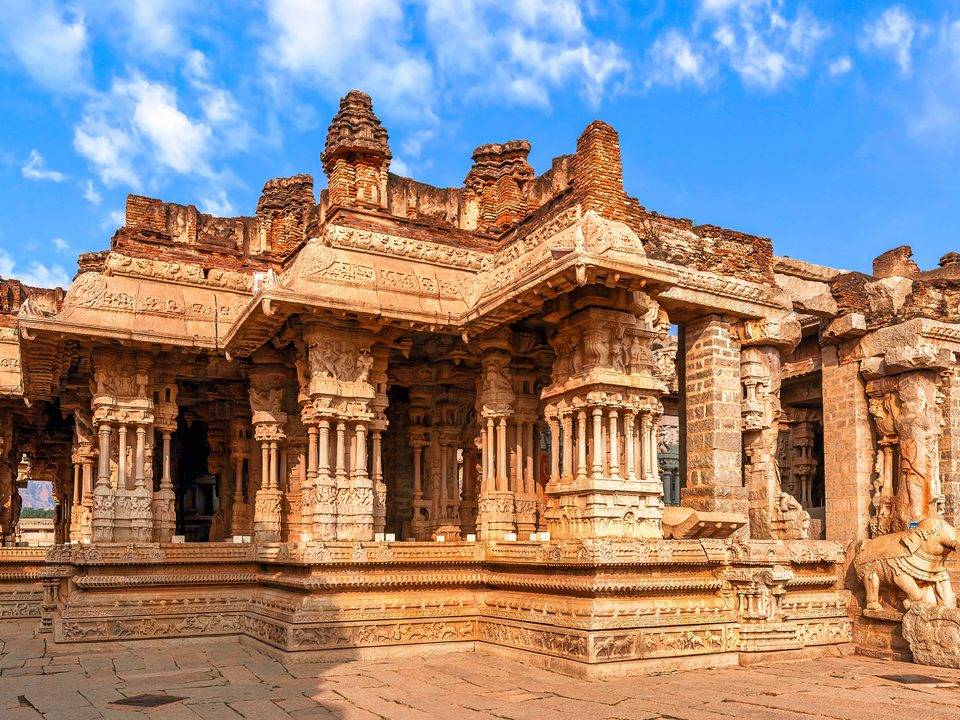
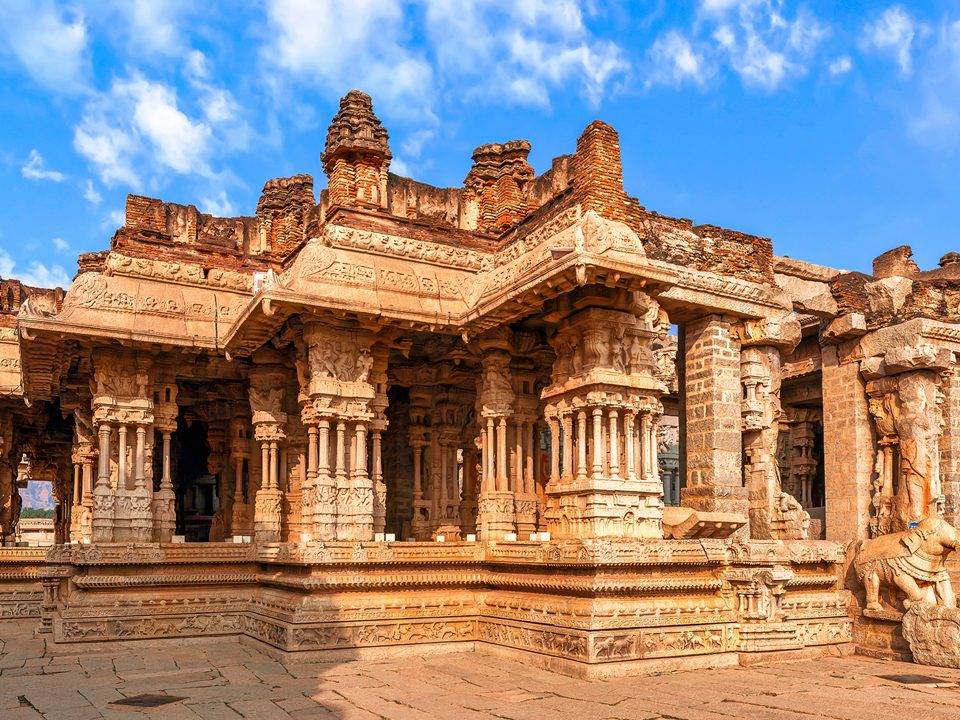
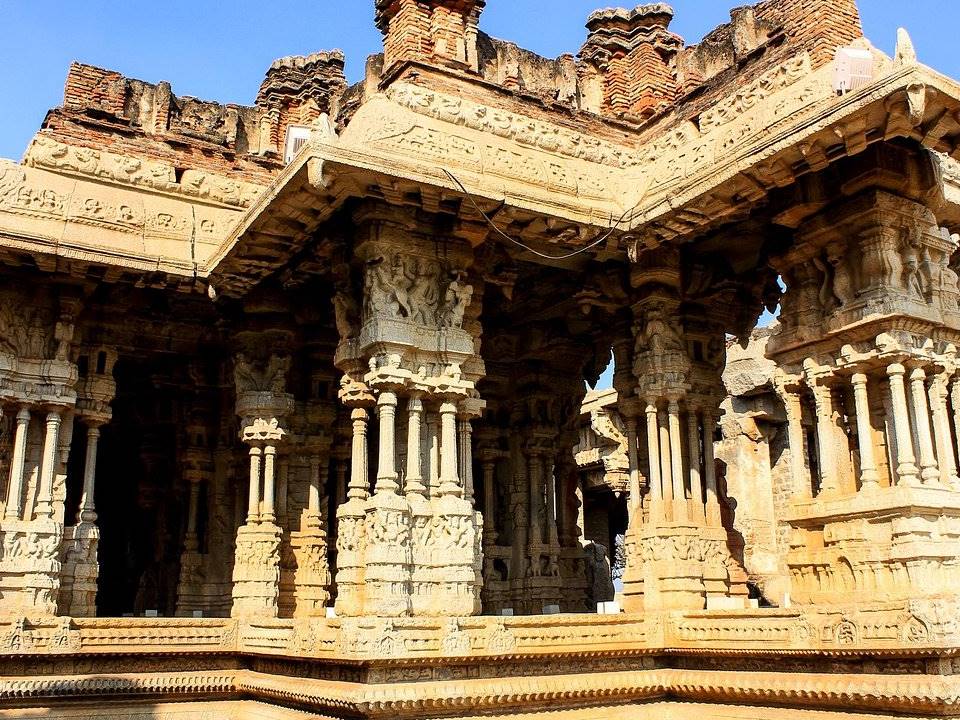
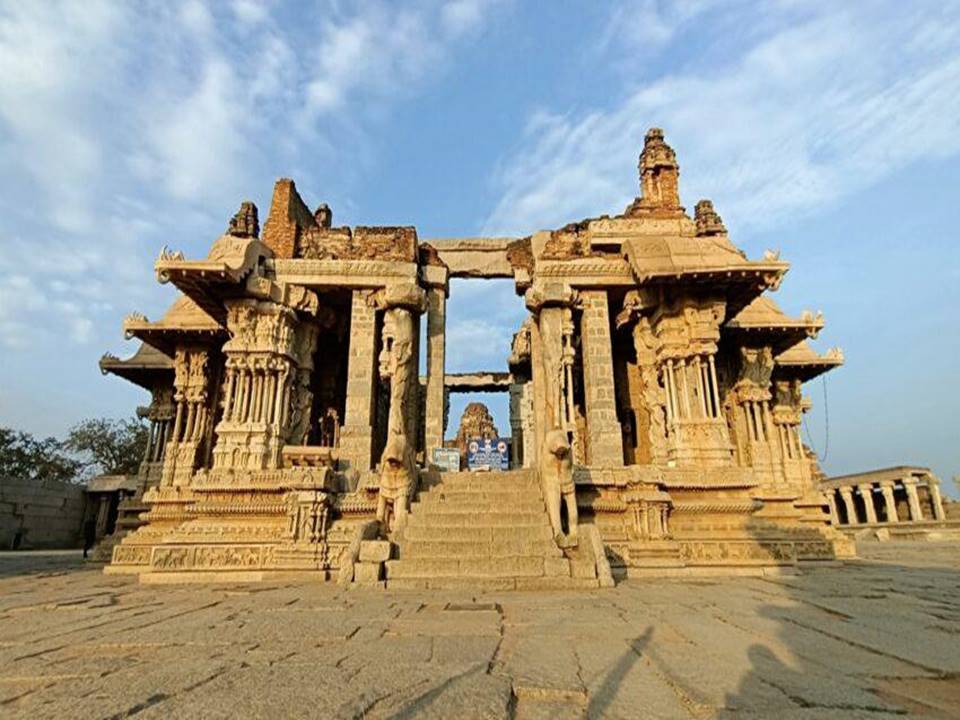
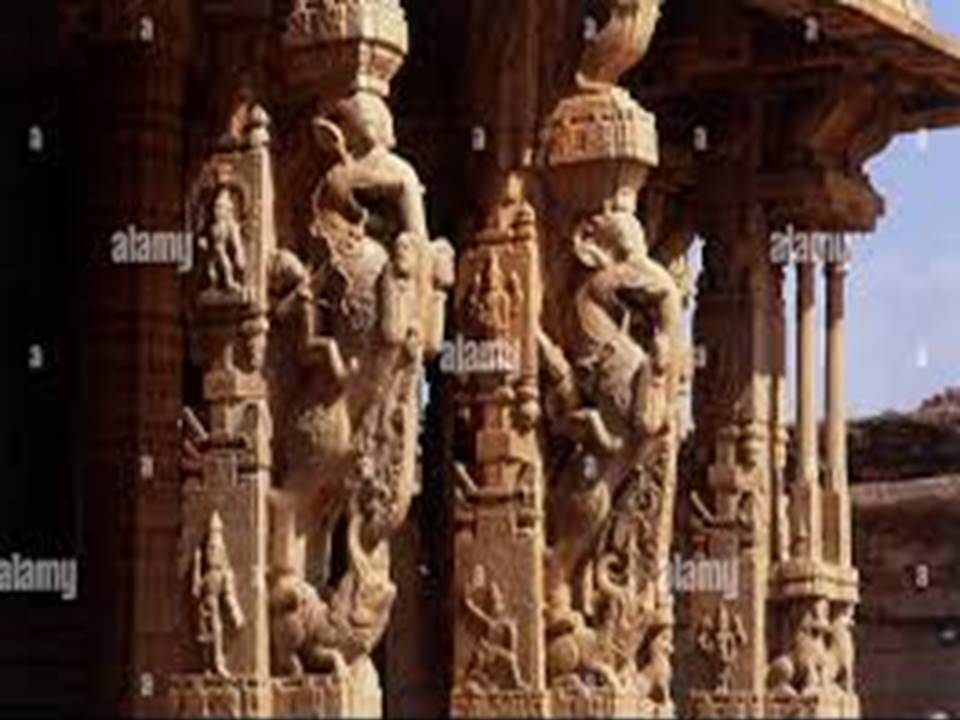
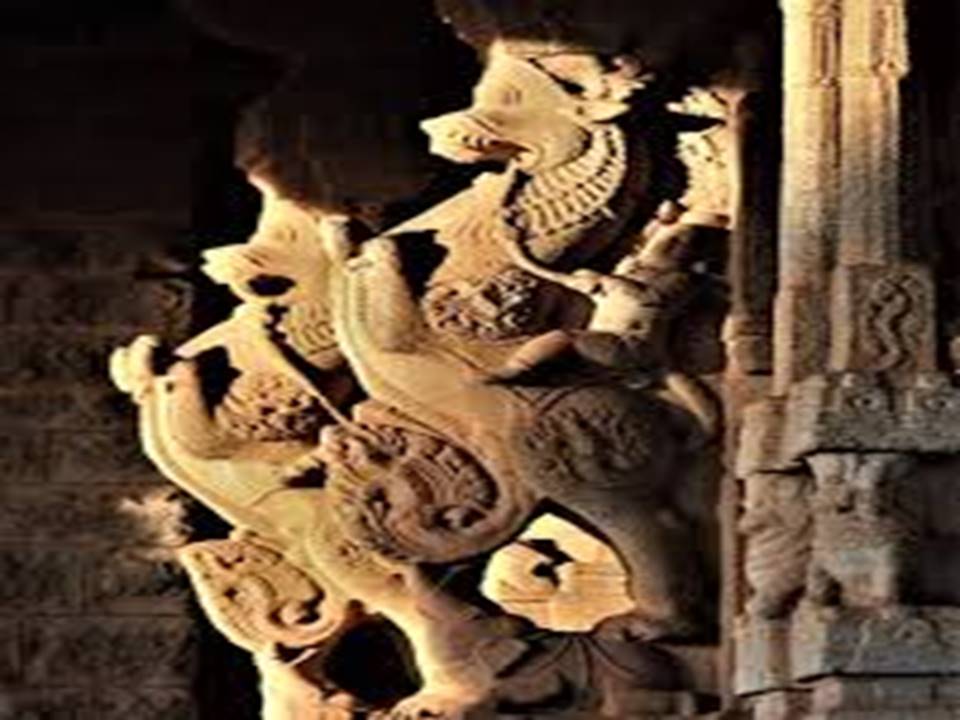
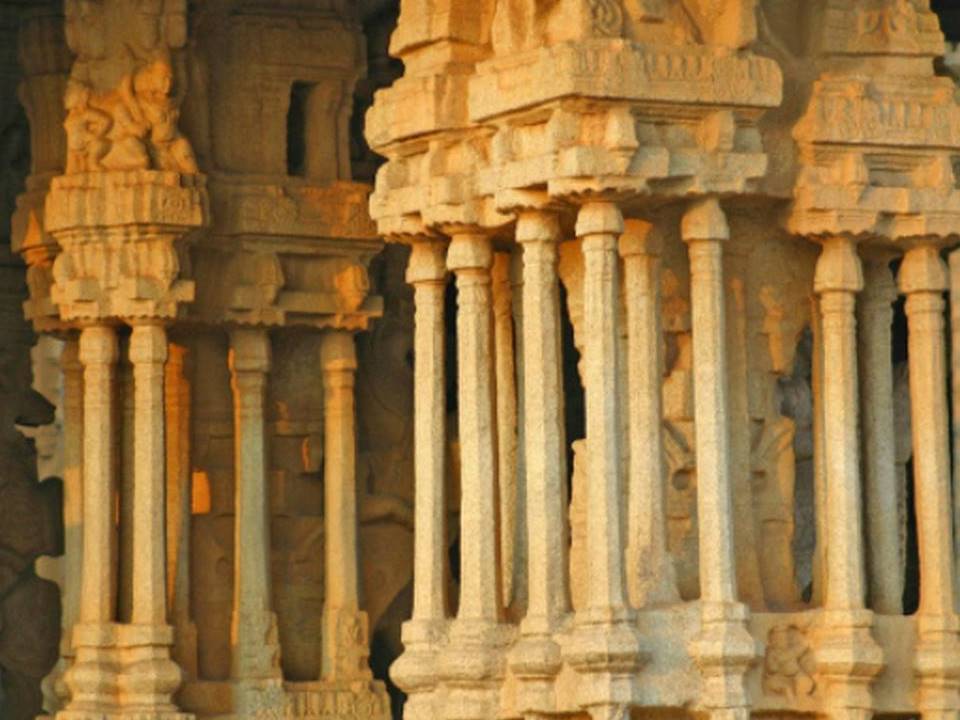
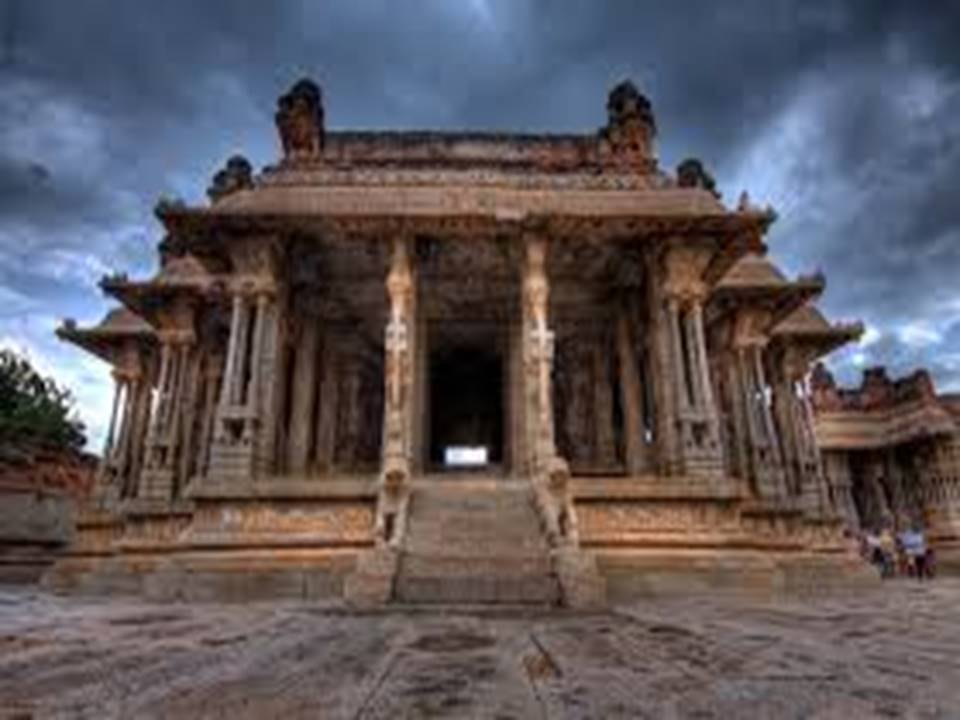
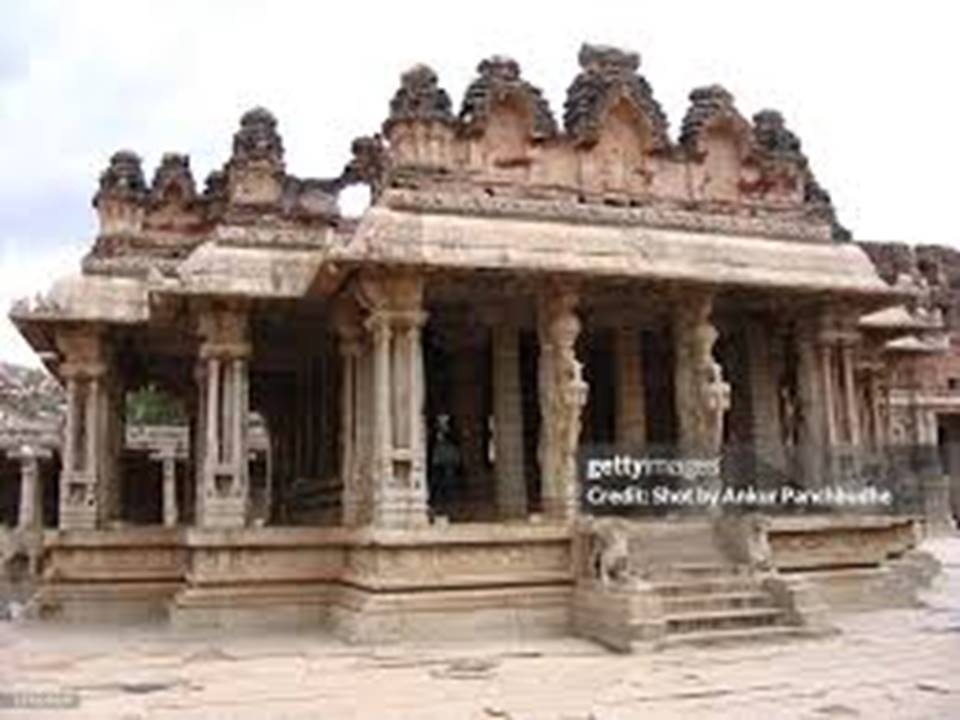
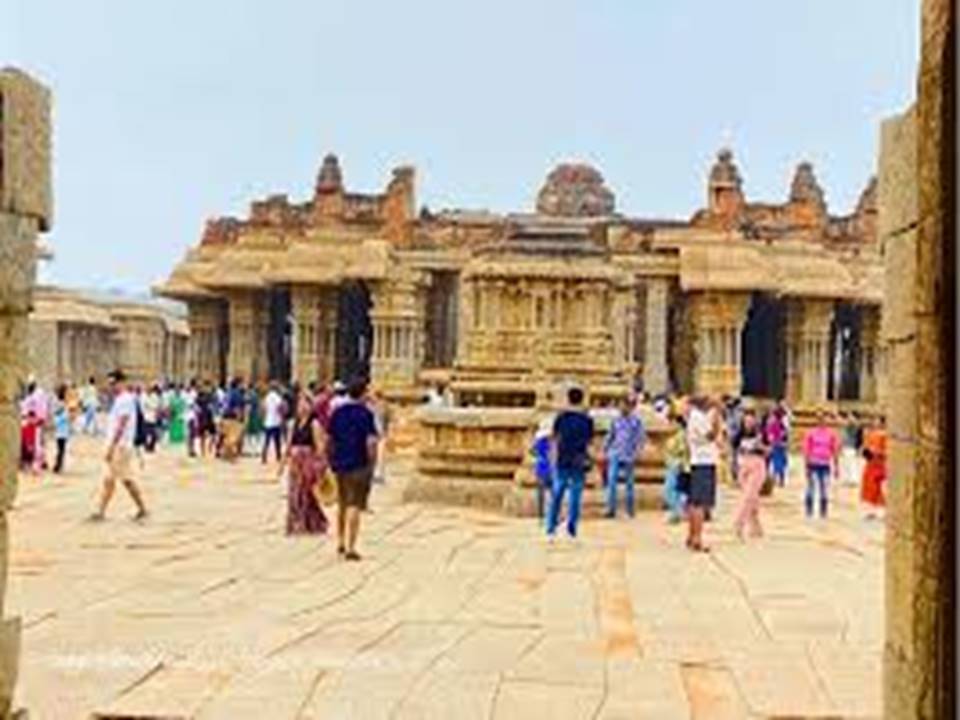
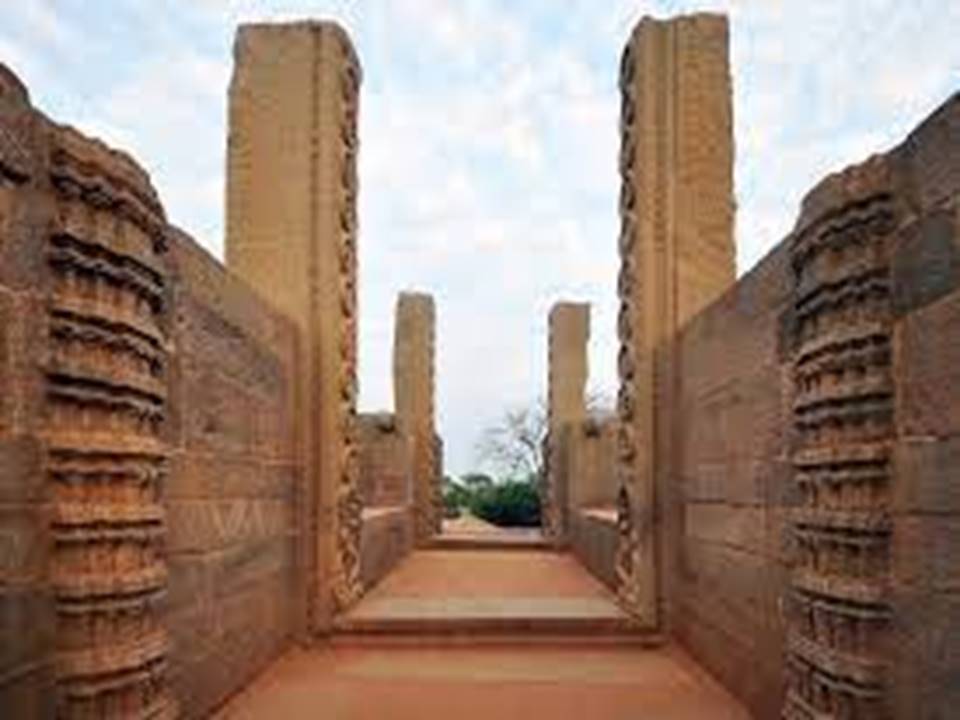
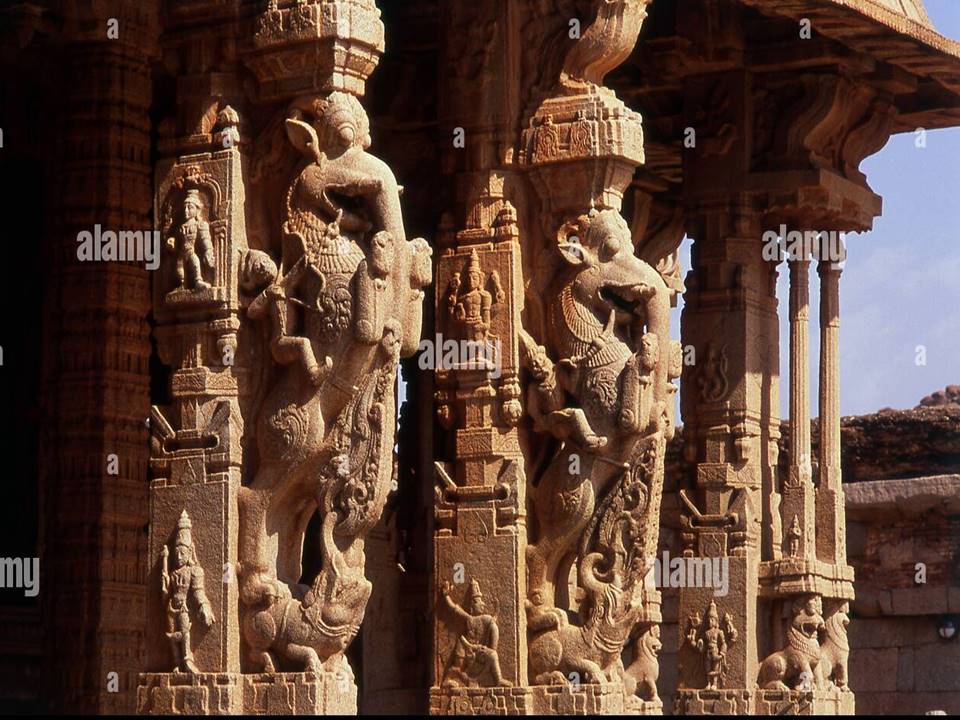
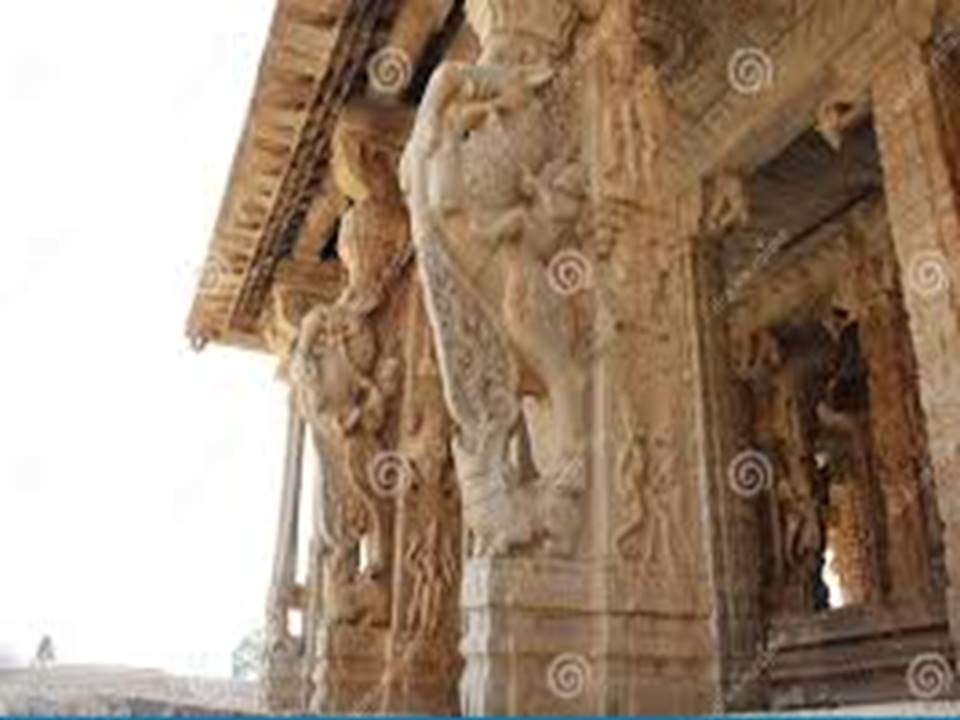
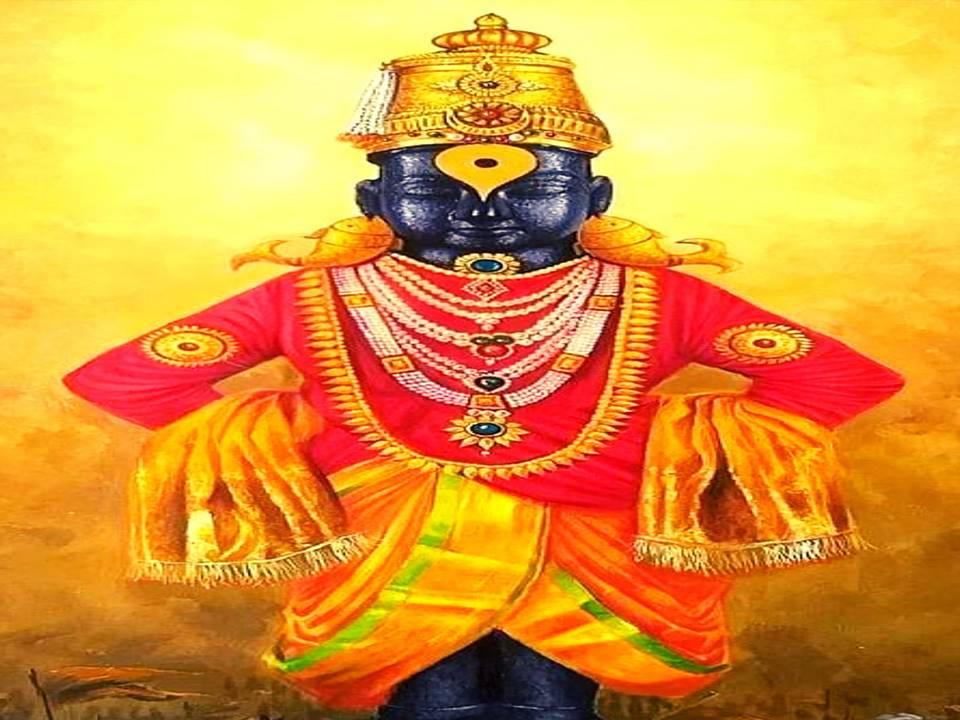
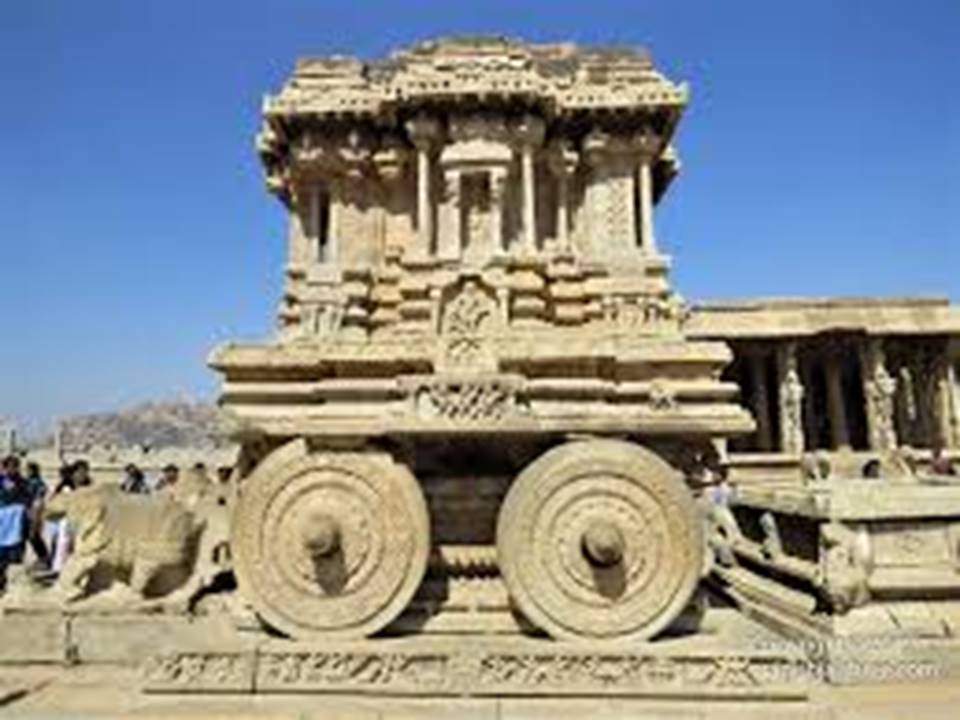
 The VijayaVitthala temple of Hampi is known for its magnificent architectural beauty. The saptaswara musical pillars, huge KalyanaMantapas and the Stone Chariot have enhanced the beauty of this temple.

Dasara festival:

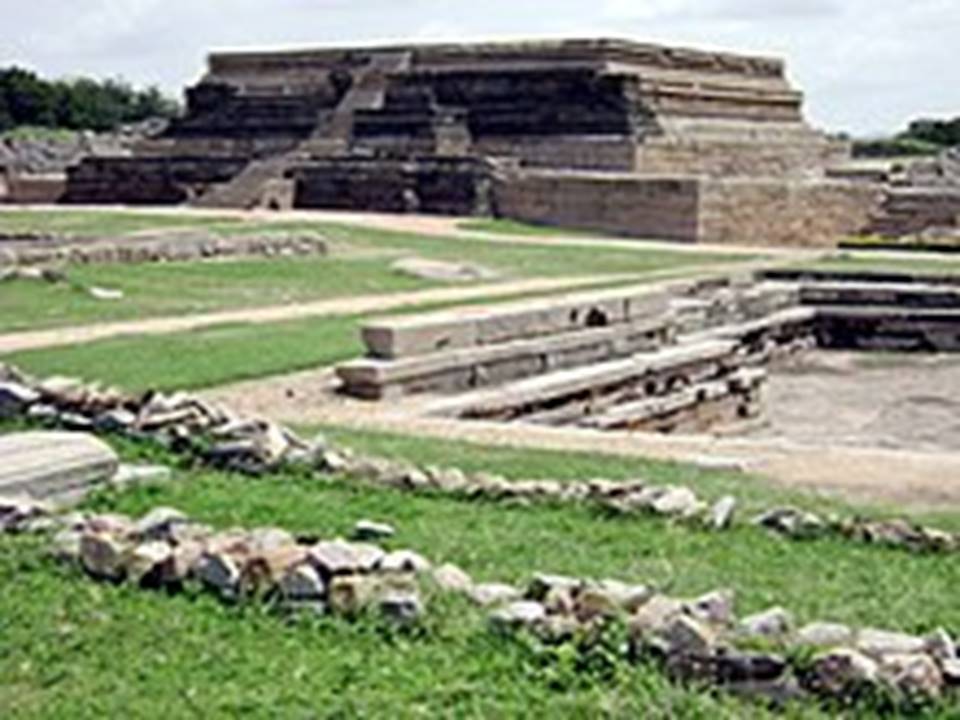
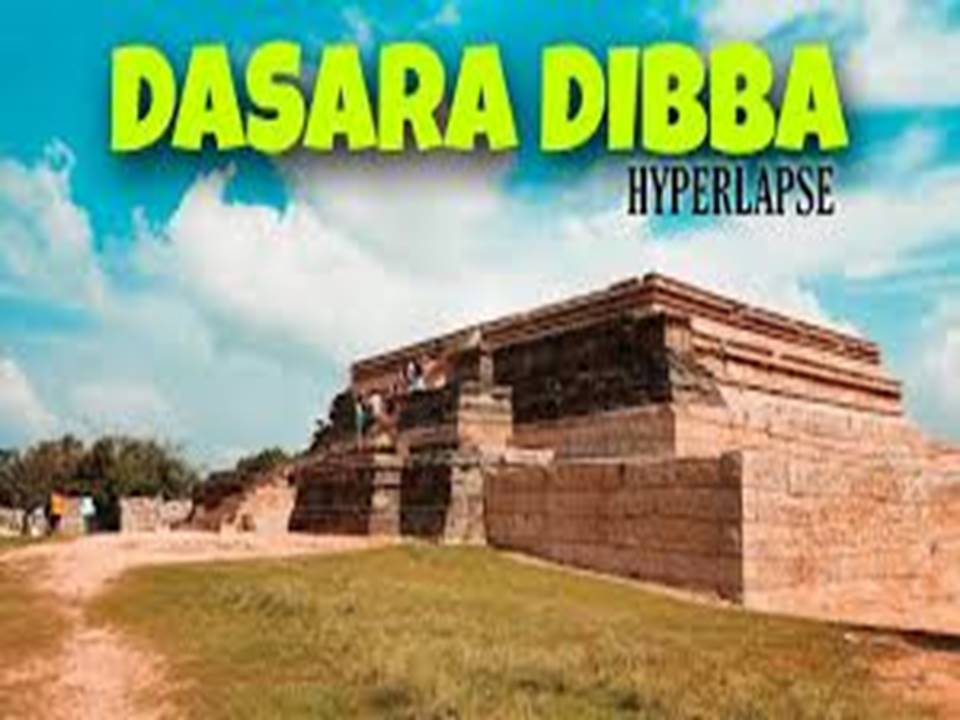
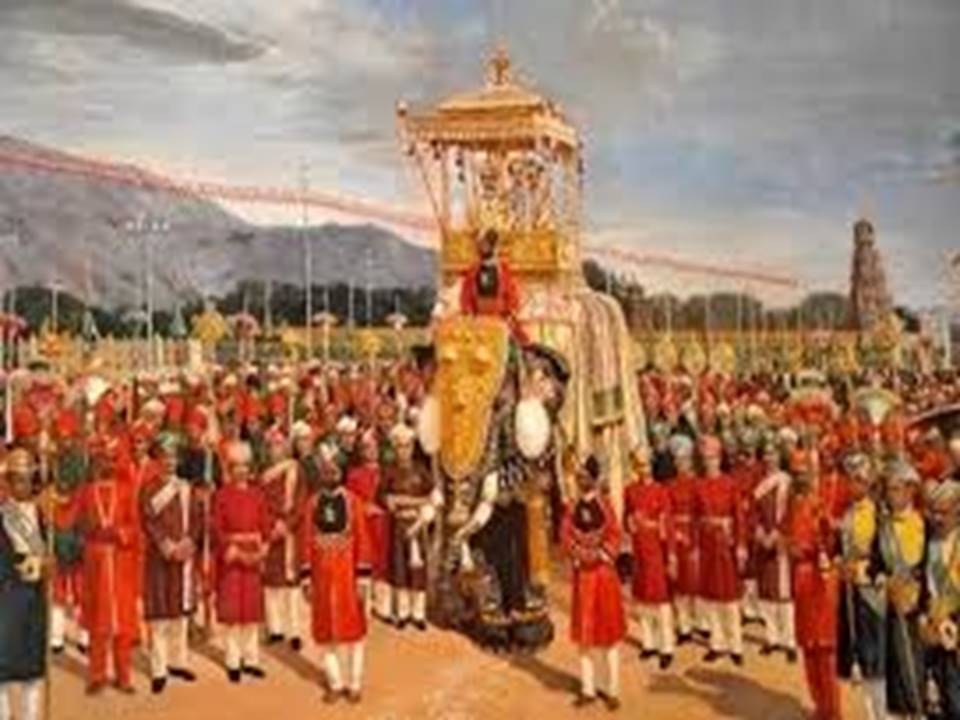
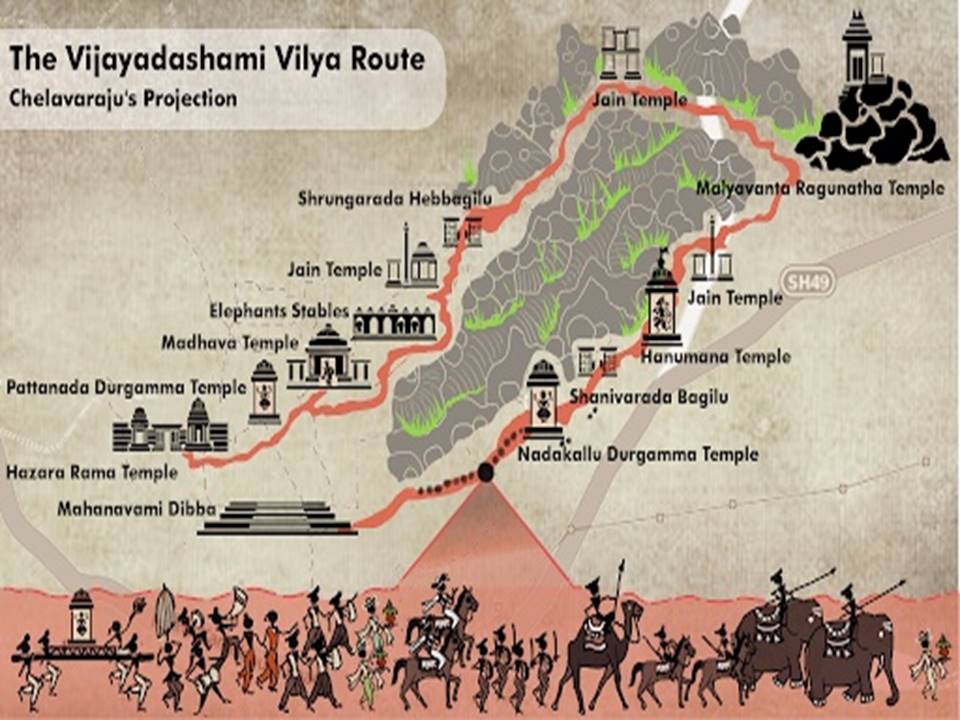
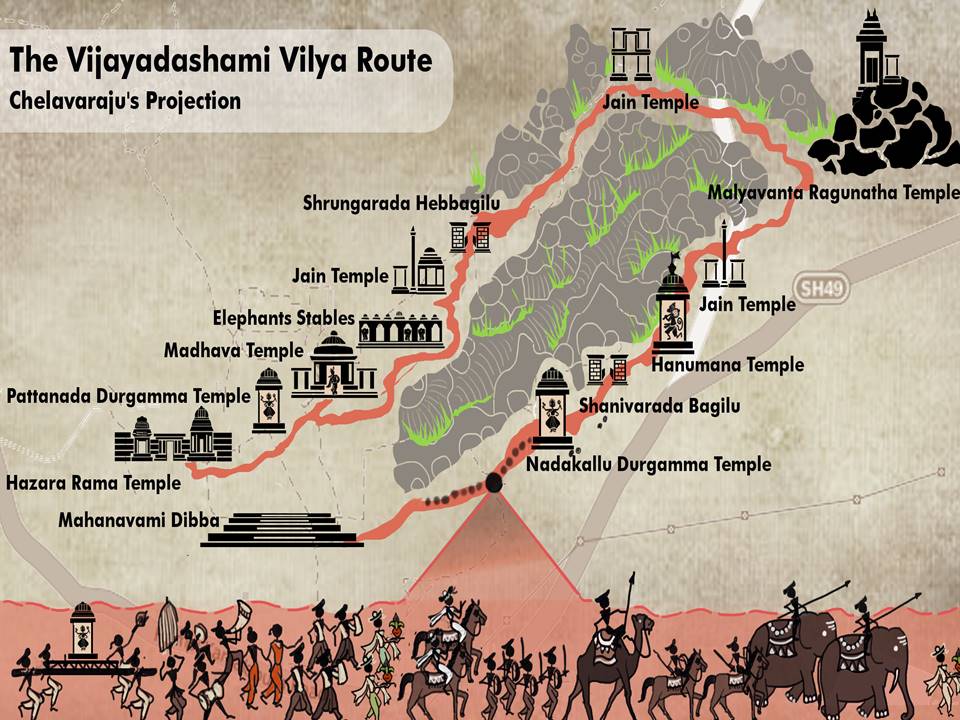
The Dasara festival was celebrated on the Mahanavami Dibba constructed by Krishnadevaraya.

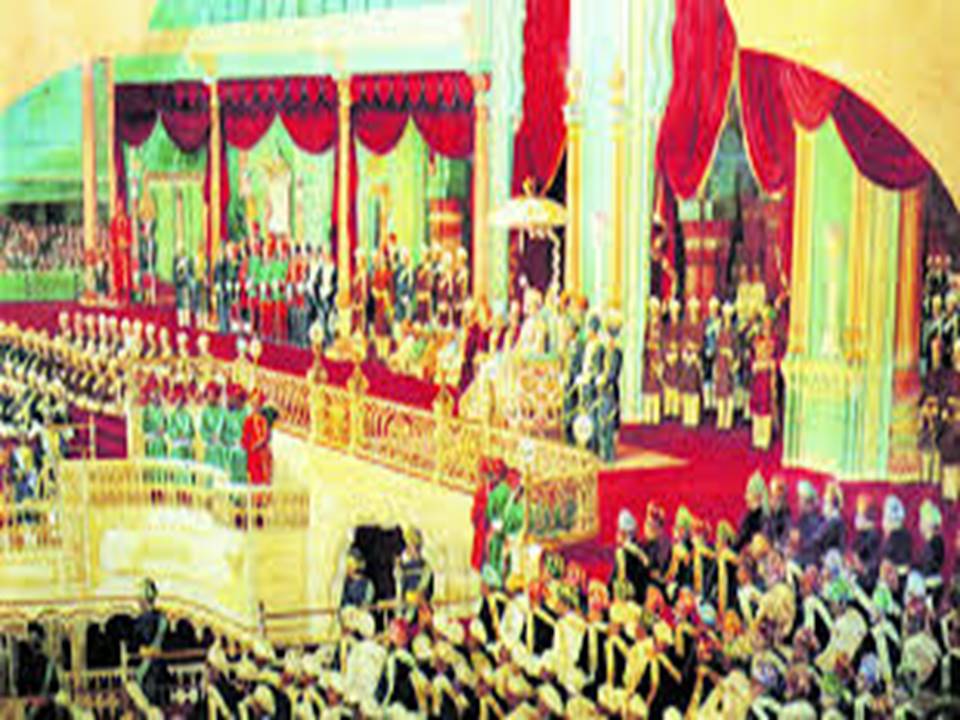
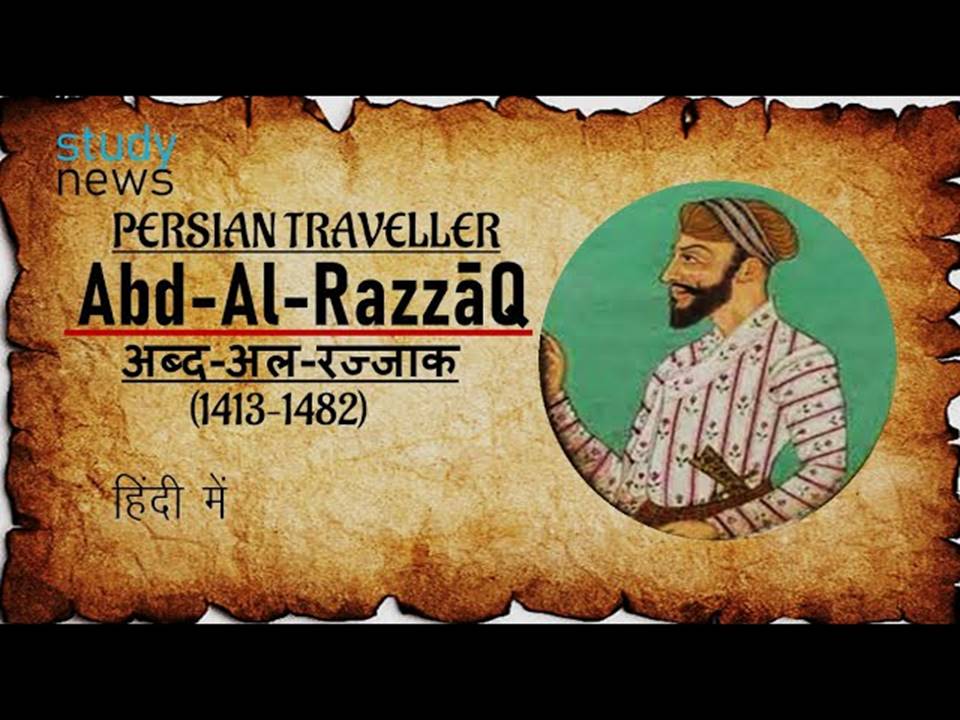
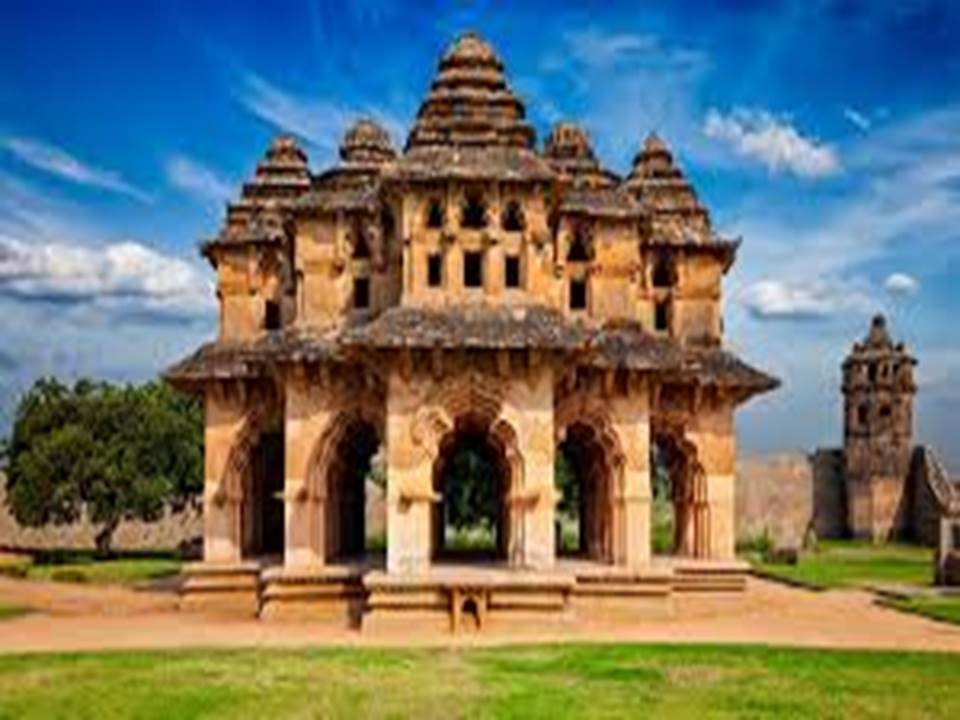
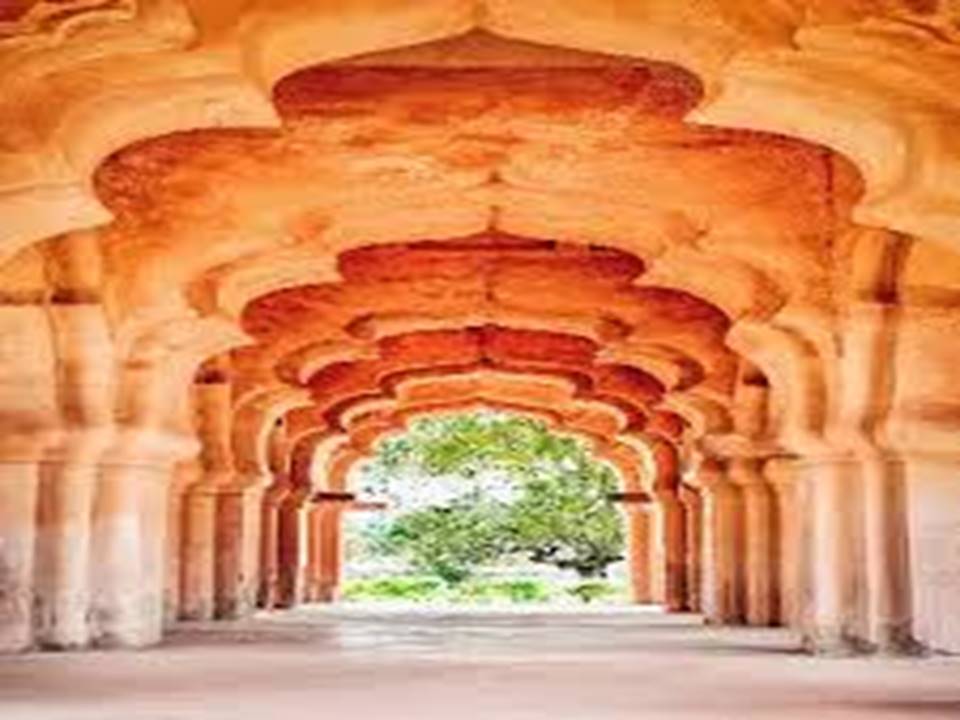
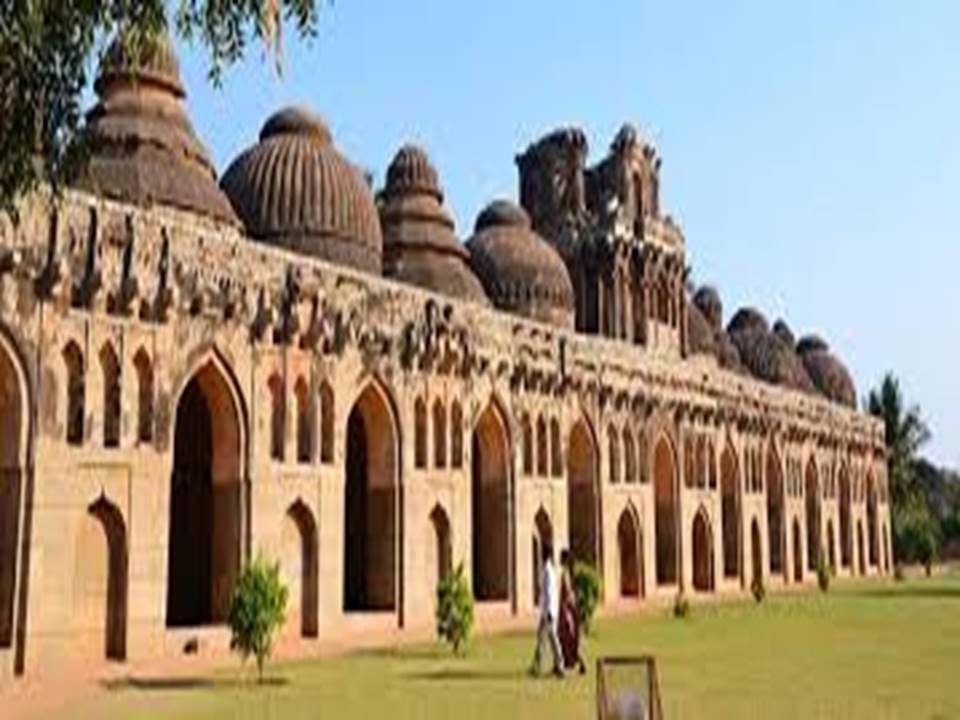
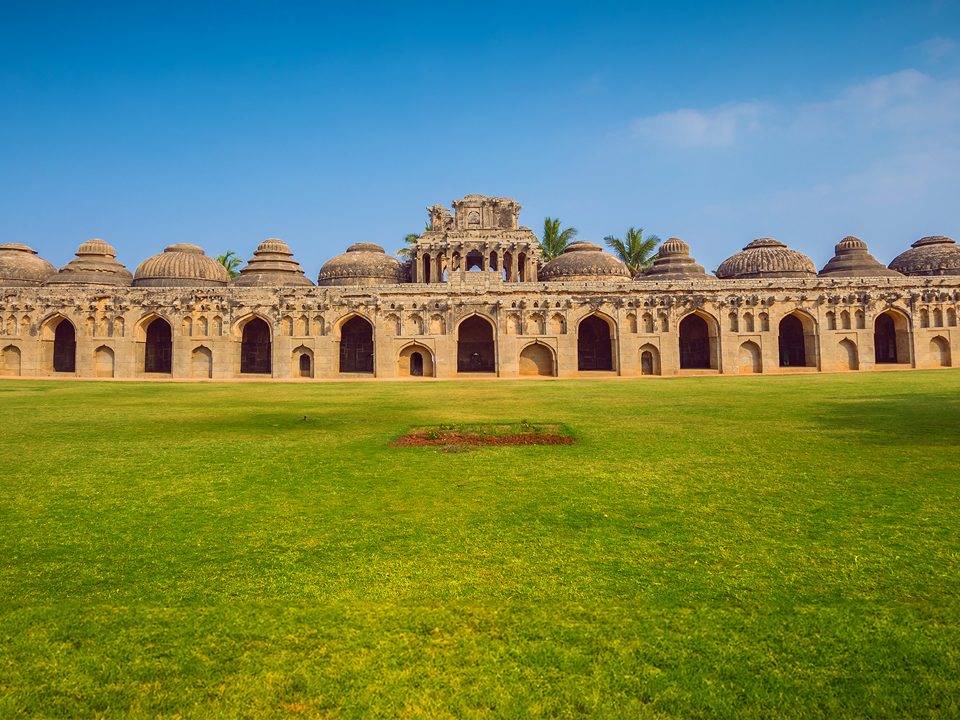
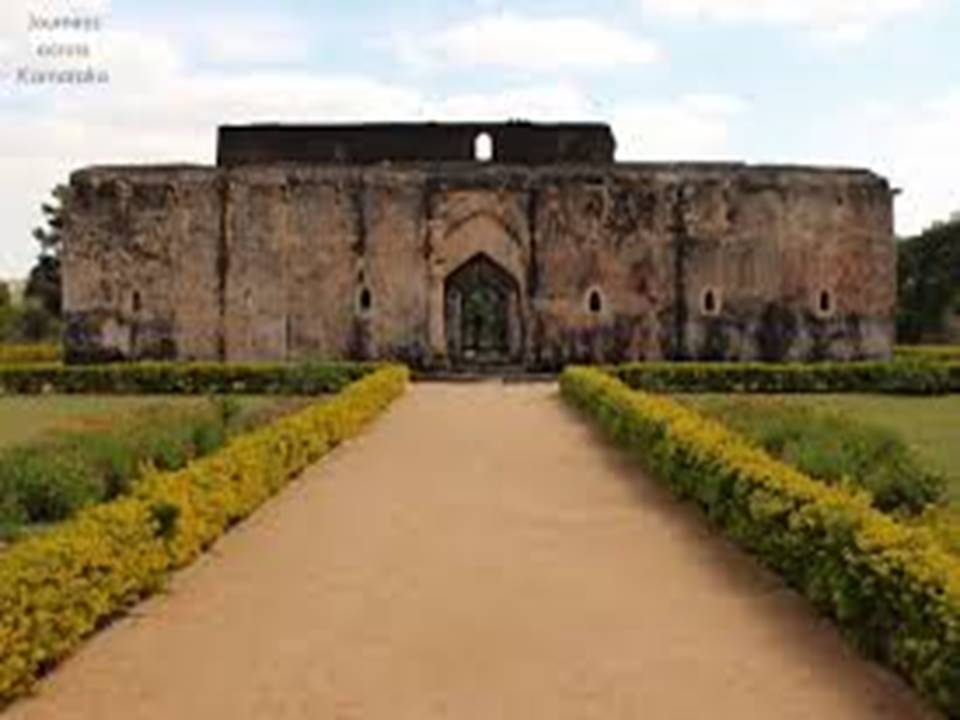
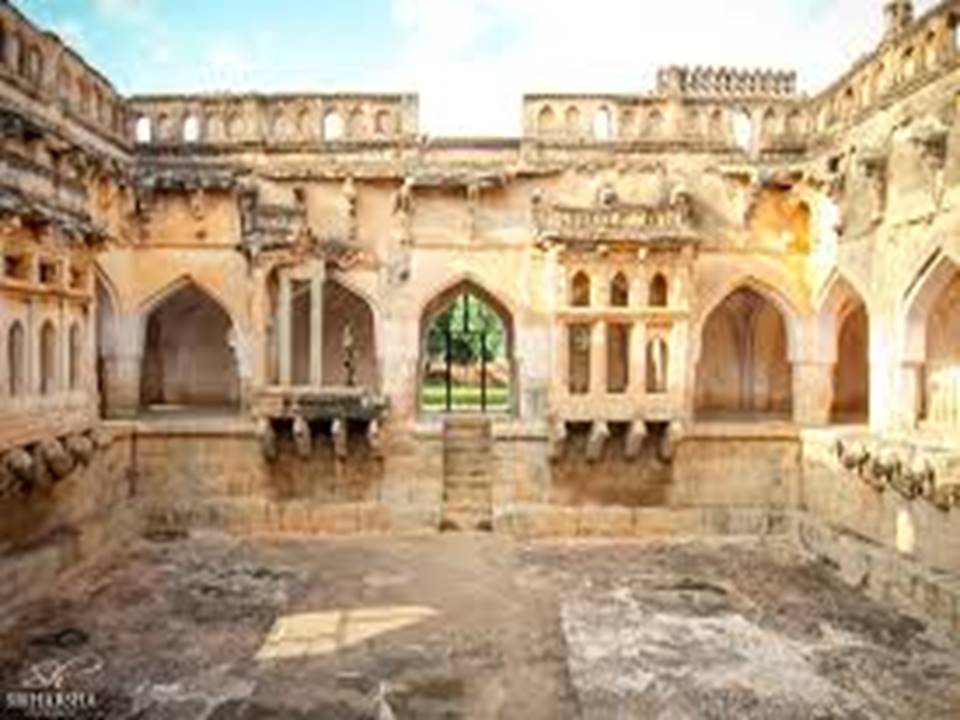
The Persian ambassador Abdul Razak, recorded that during this festival, kings from distant places and provincial leaders used to assemble as per the orders of the emperors. Kamal Mahal, Elephant stable, Queen’s bath are wonderful examples of Indo-Muslim architectural style.

Lakshminarasimha, Kadalekalu Ganesha, Sasuvekalu Ganesha and Uddana Veerabhadra’s idols are attractive. The fort of Hampi during Vijayanagar empire was very strong with seven circular walls around it. At present, there are only four circular walls around it.

Music and Dance:

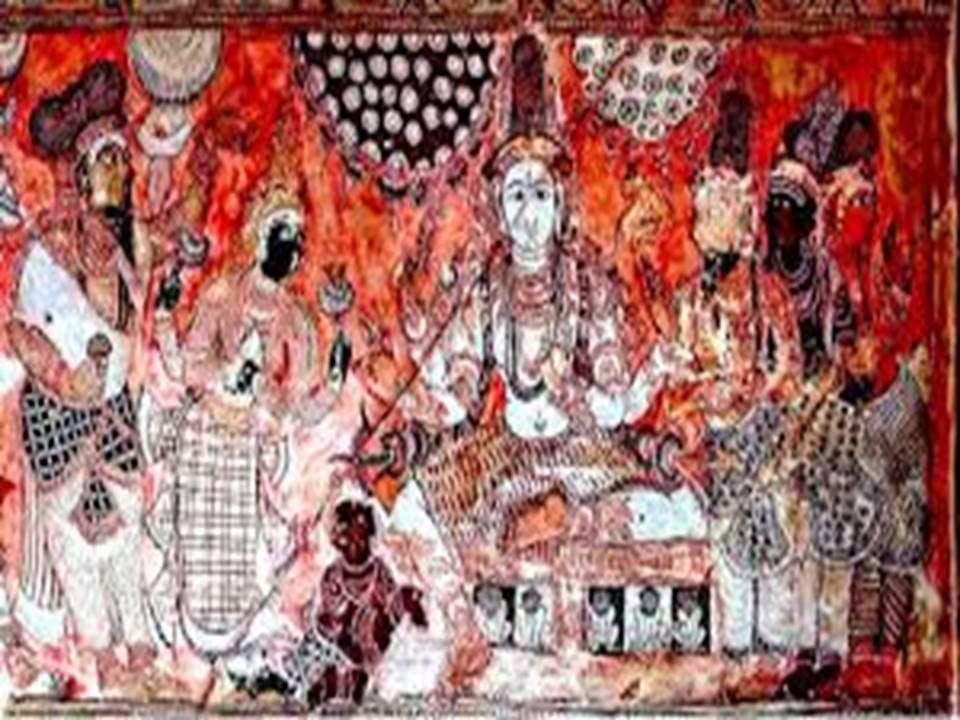
The Vijayanagar Stone chariot kings patronized fine arts like music, dance, drama and yakshagana. Artists enjoyed great respect in the palace and temples.

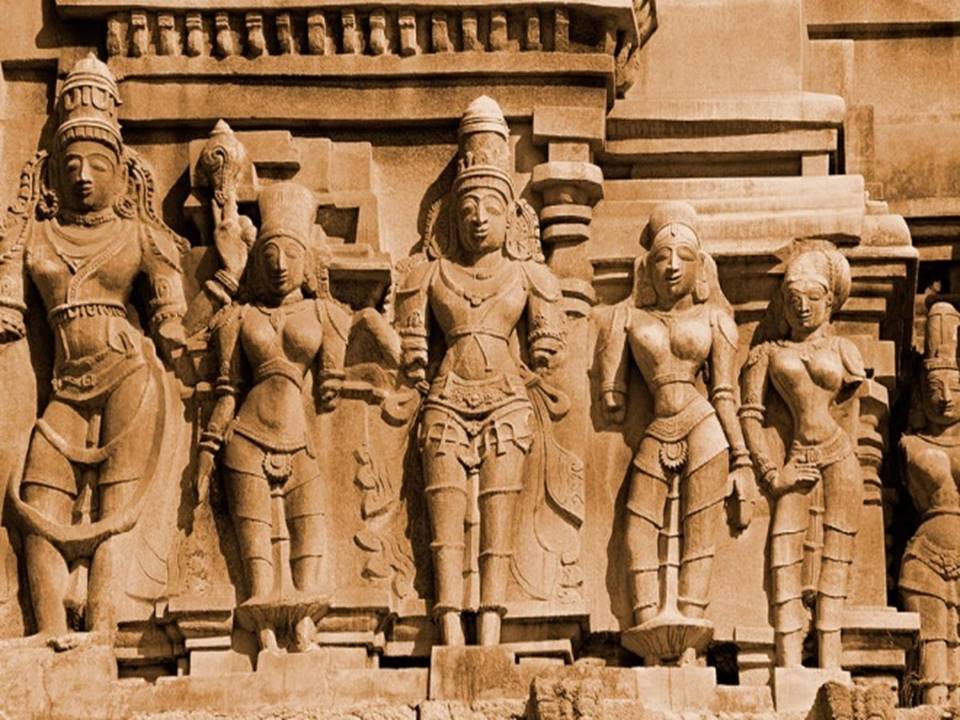
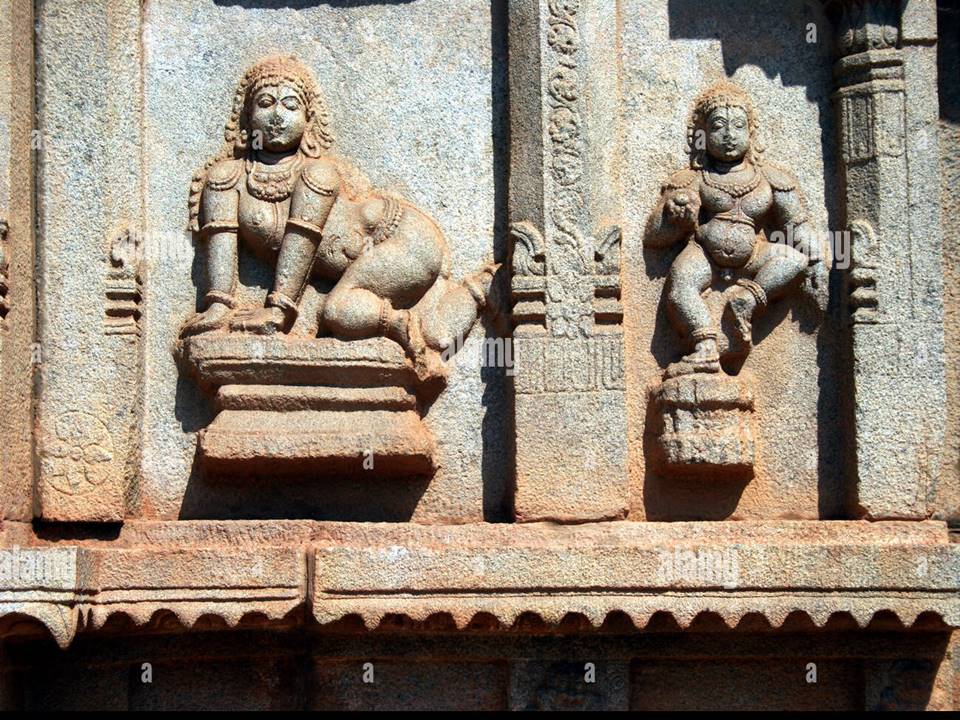
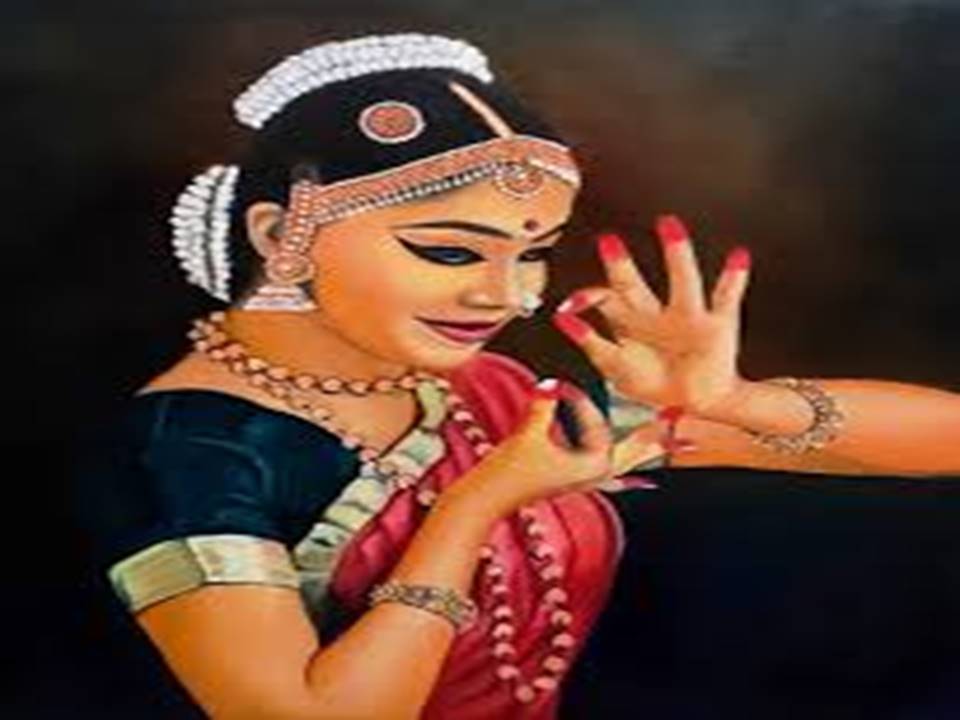
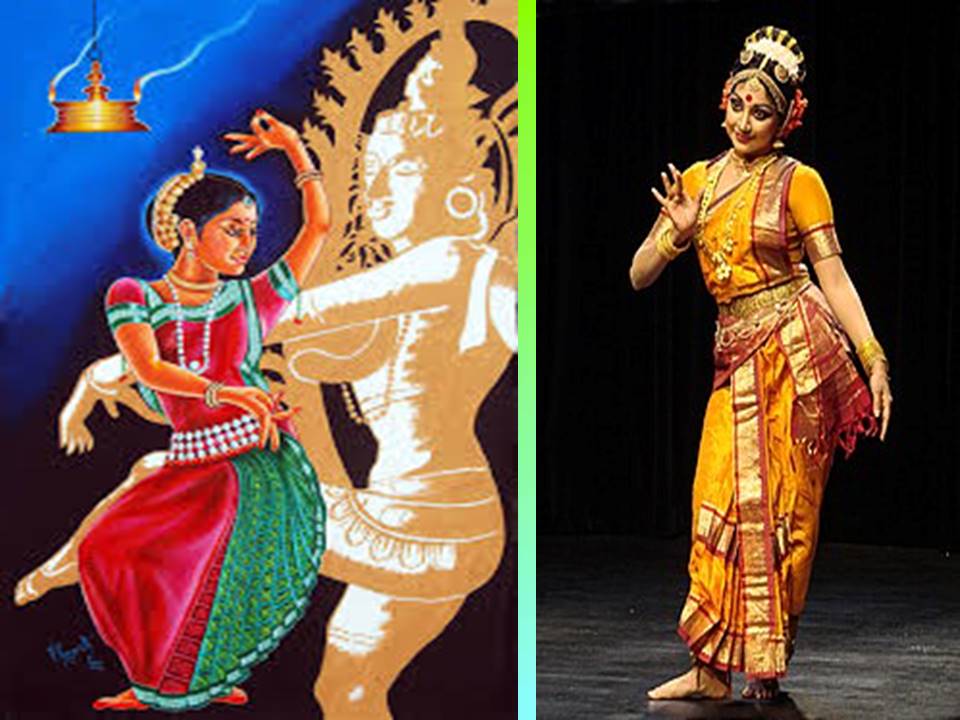
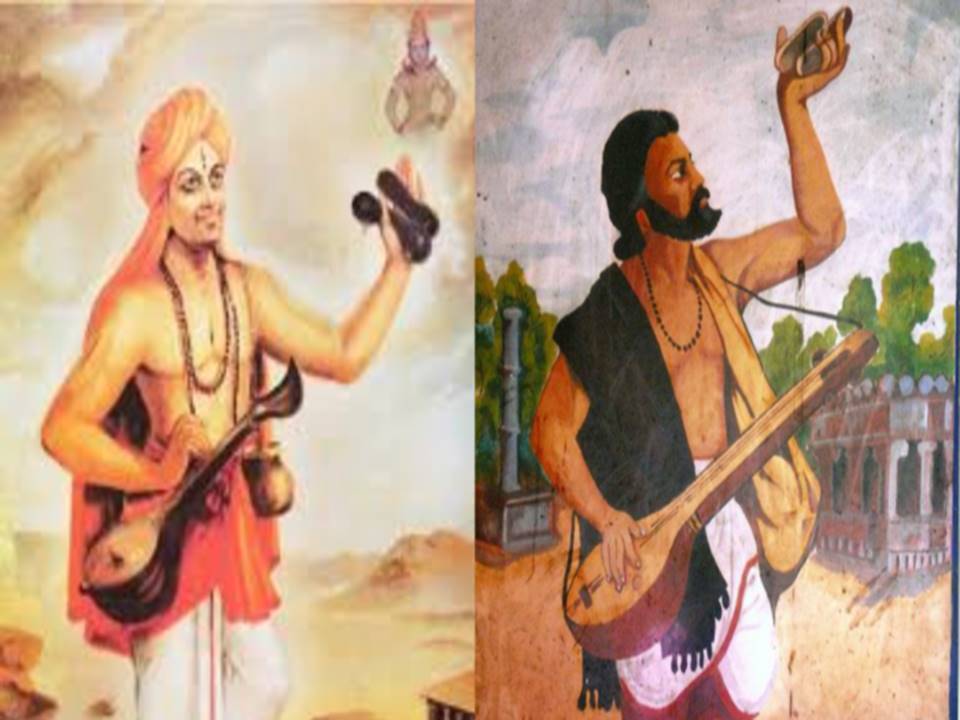
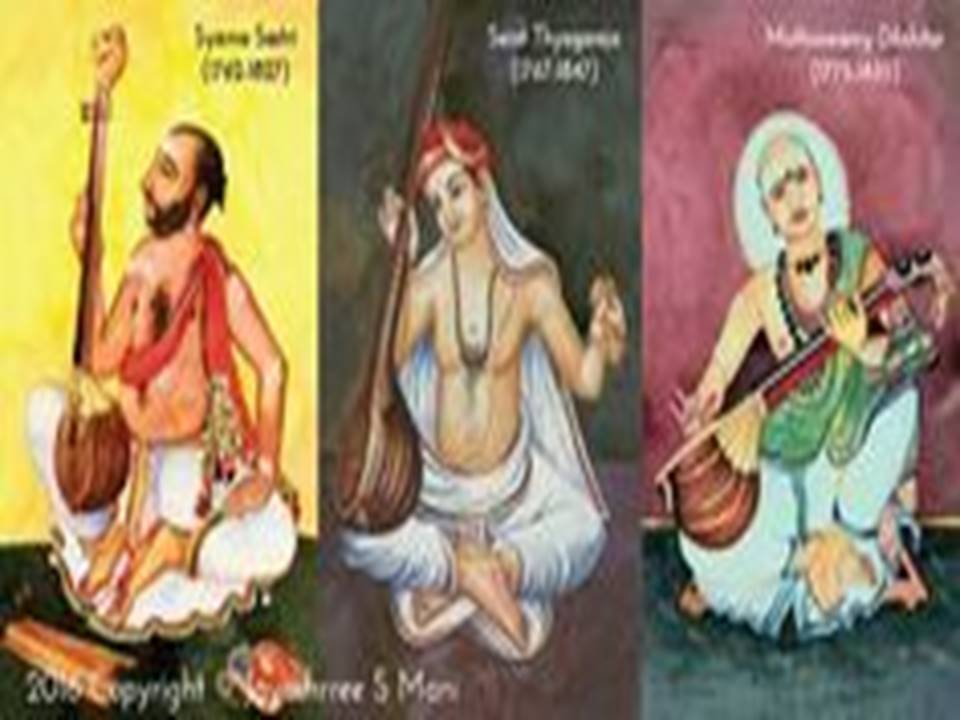
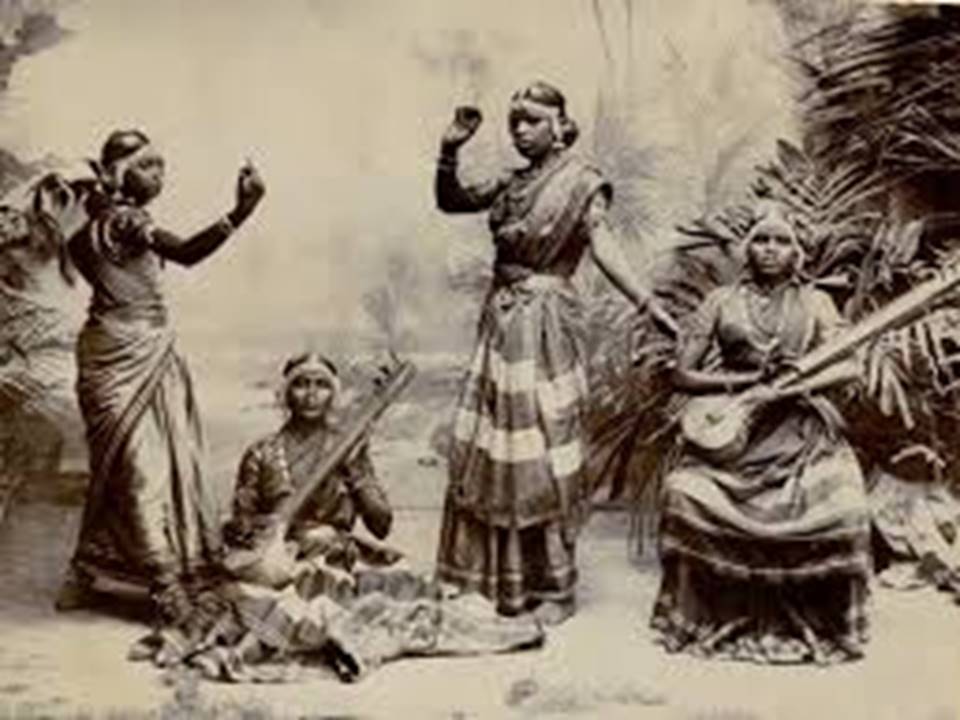
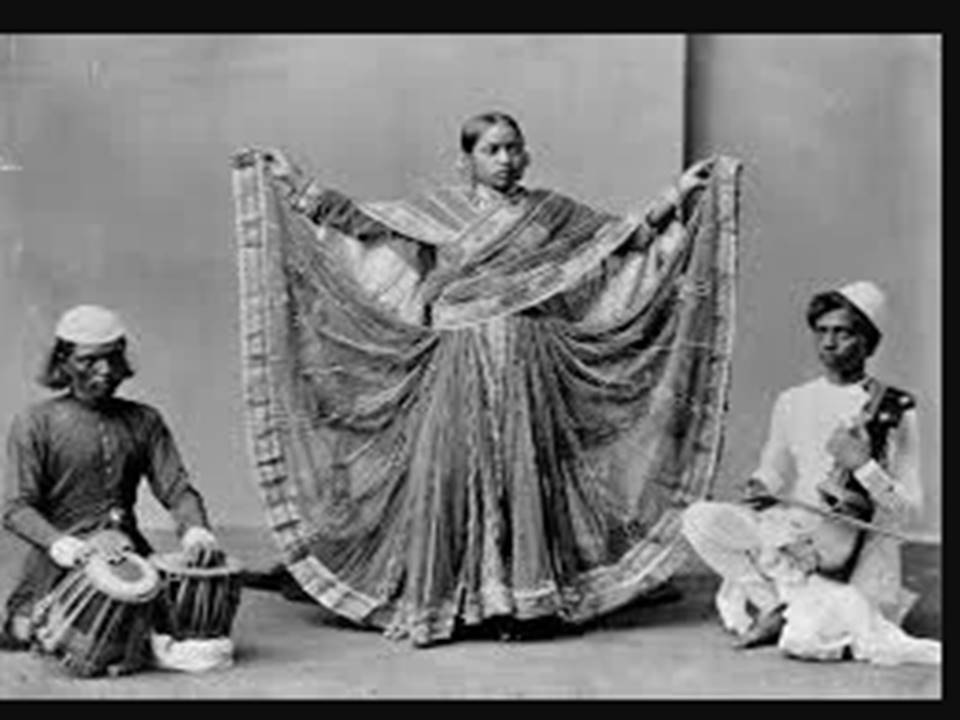
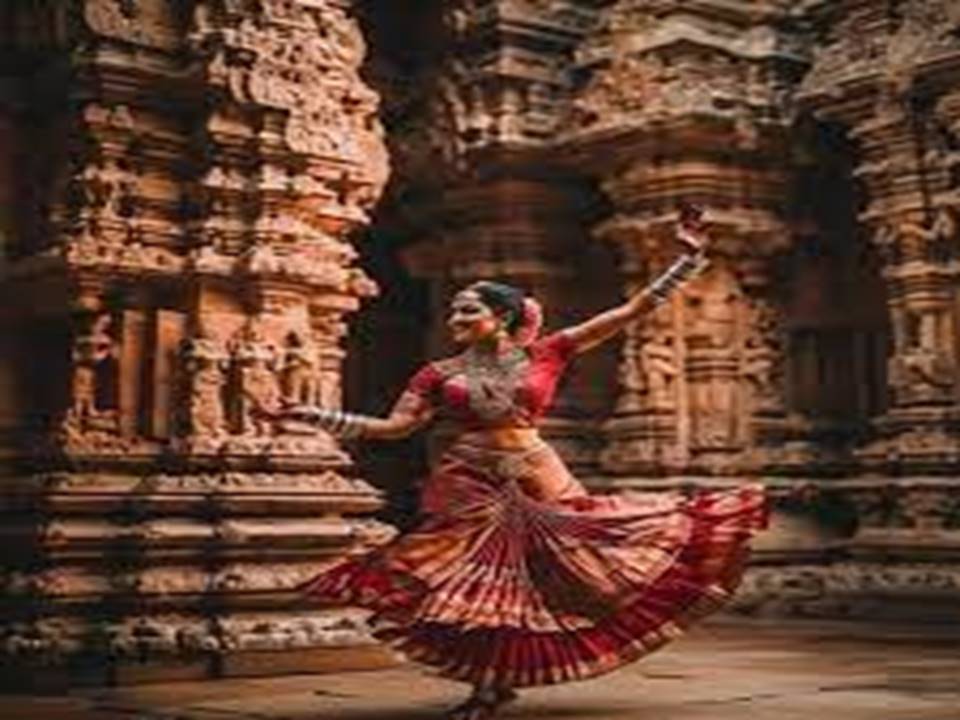
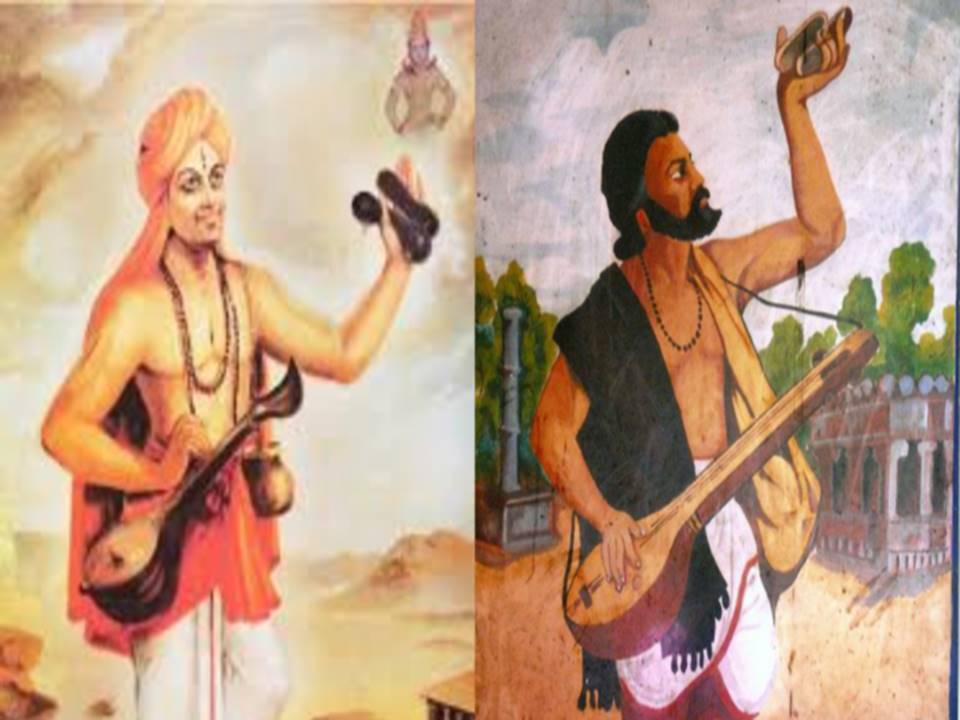
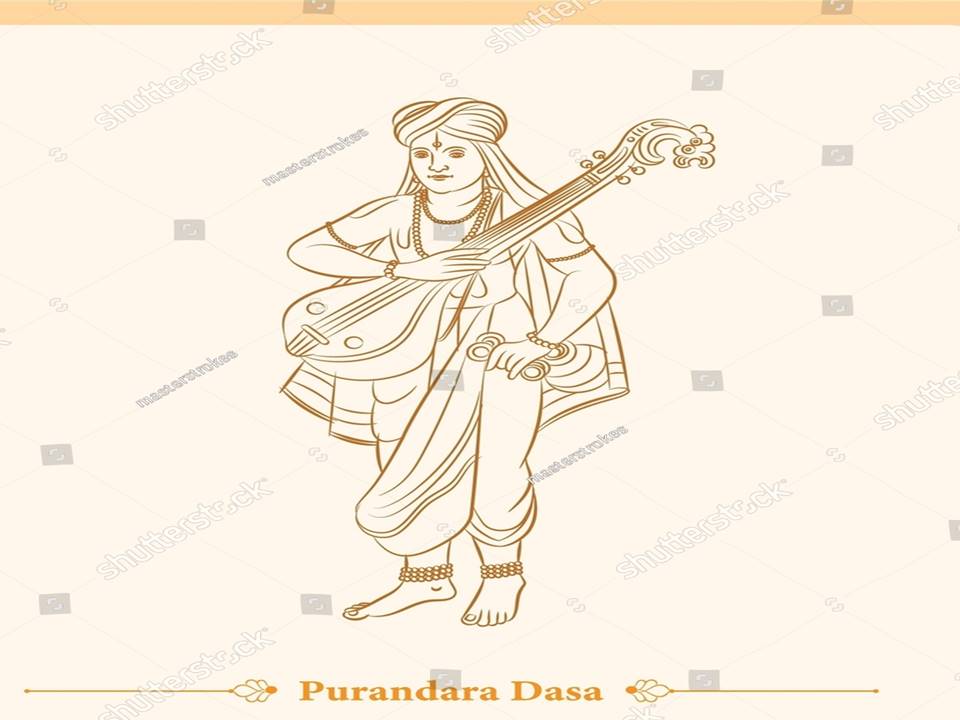
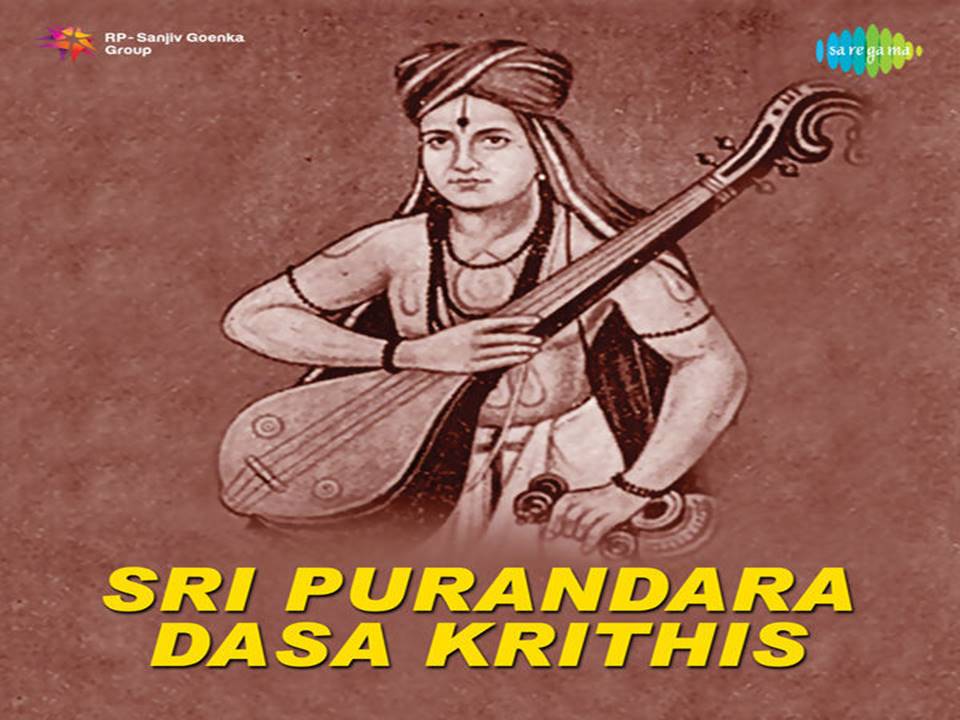
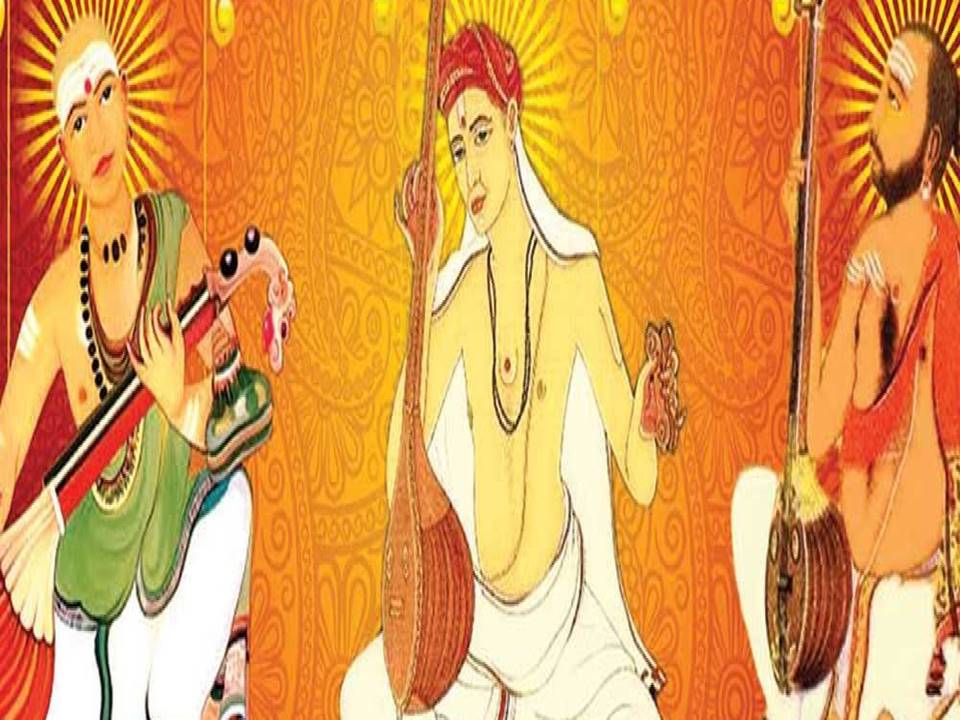
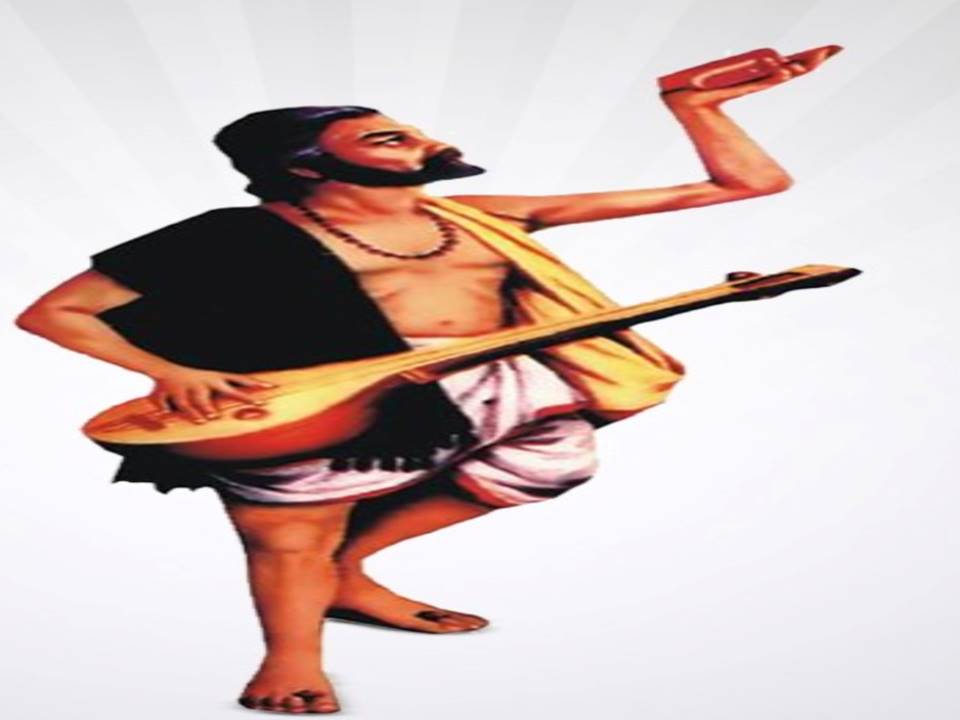
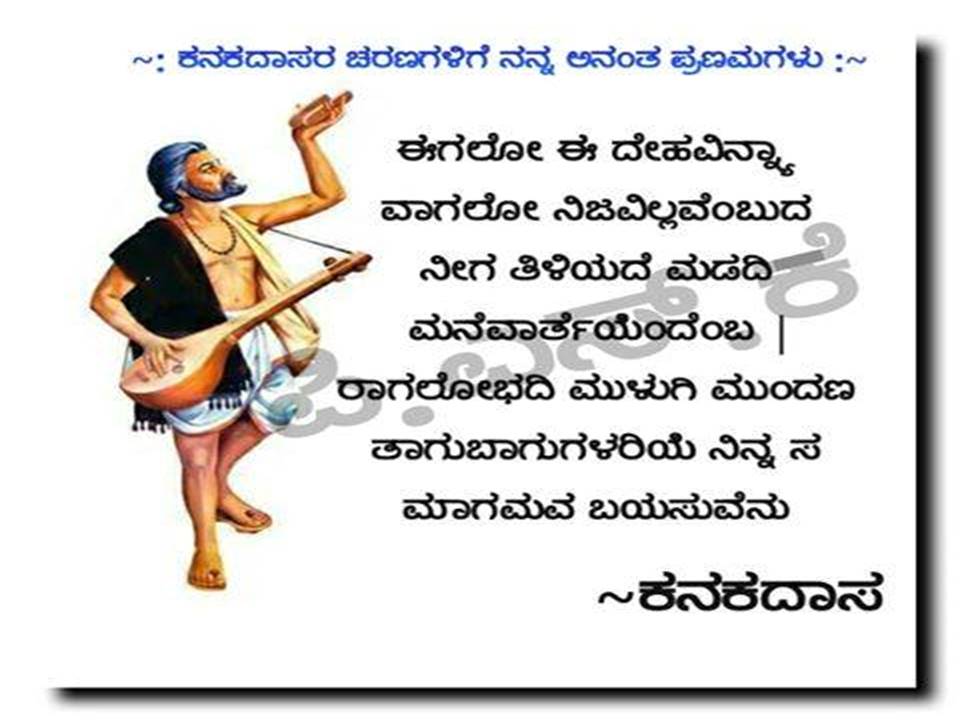
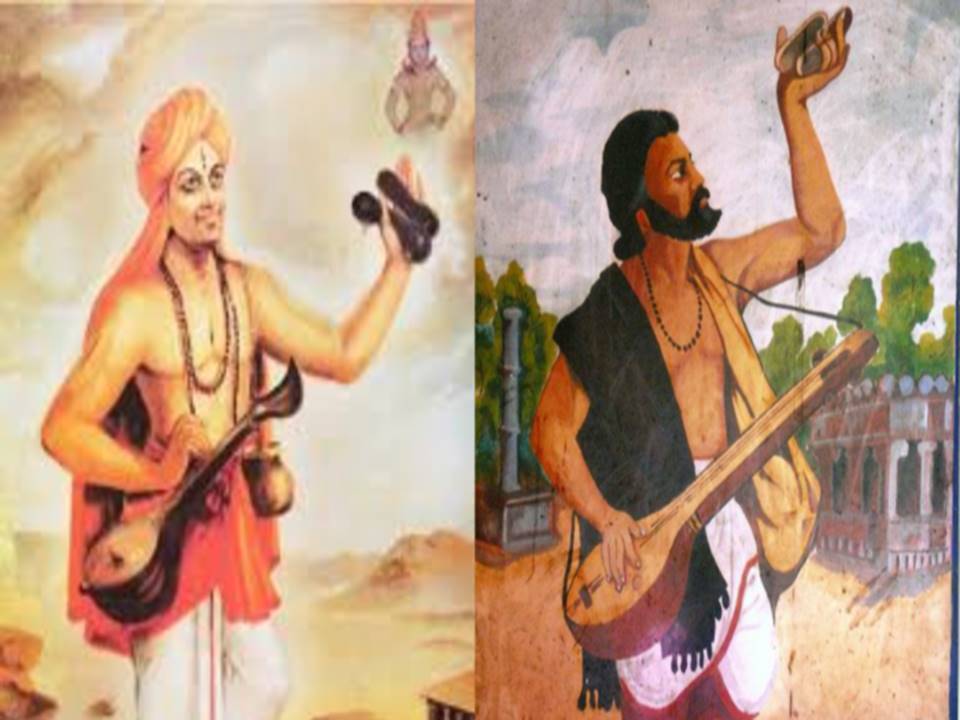
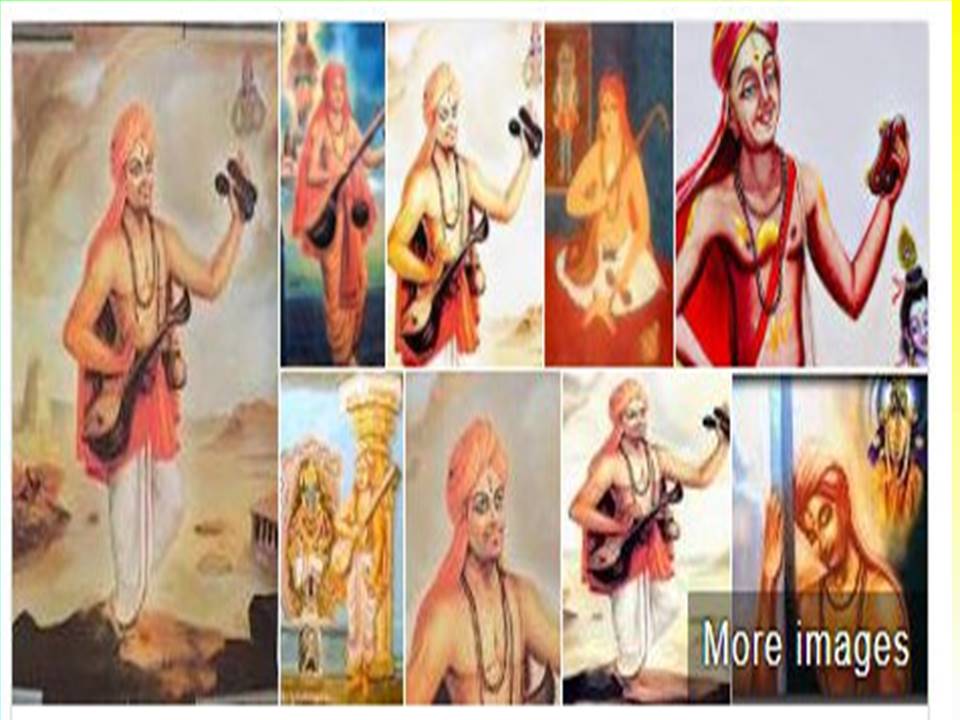
 Saint Purandaradasa and Kanakadasa had enriched Carnatic music through kirtanas. Dancers, adorned in exquisite costumes and jewellery, performed dance in the temples and palaces.



SUBUNIT VI

Important Temples, Music and Dance of Vijayanagara Empire.

During the period of the Vijayanagar kings, temples were built in Hampi, Shringeri, Tirupati, Lepakshi, Karkala, Moodabidri, Bhatkal, Chidambaram, Kanchi, Kalahasti, Nandi, Srishaila, Kolar and other places. The most important temple constructed in the beginning of the Vijayanagar dynastic rule was Vidyashankara temple at Shringeri. The structure of this temple is unique in India. The most ancient temple of Vijayanagar is Virupaksha temple at Hampi. Having a vast courtyard/hall, this temple has many pillars with sculptures and decorative ceilings.
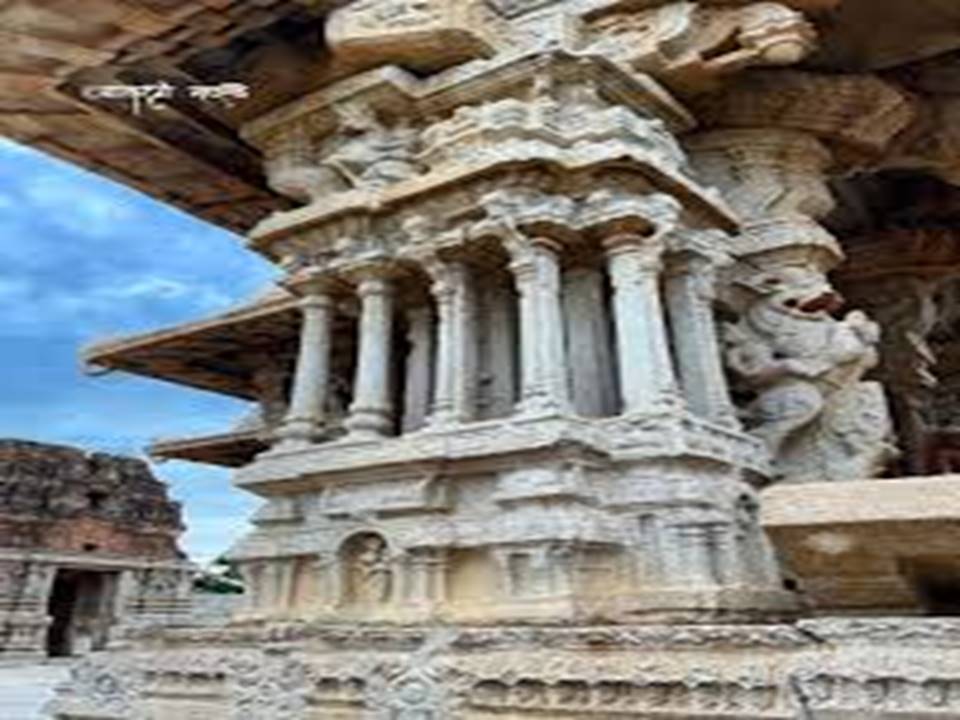
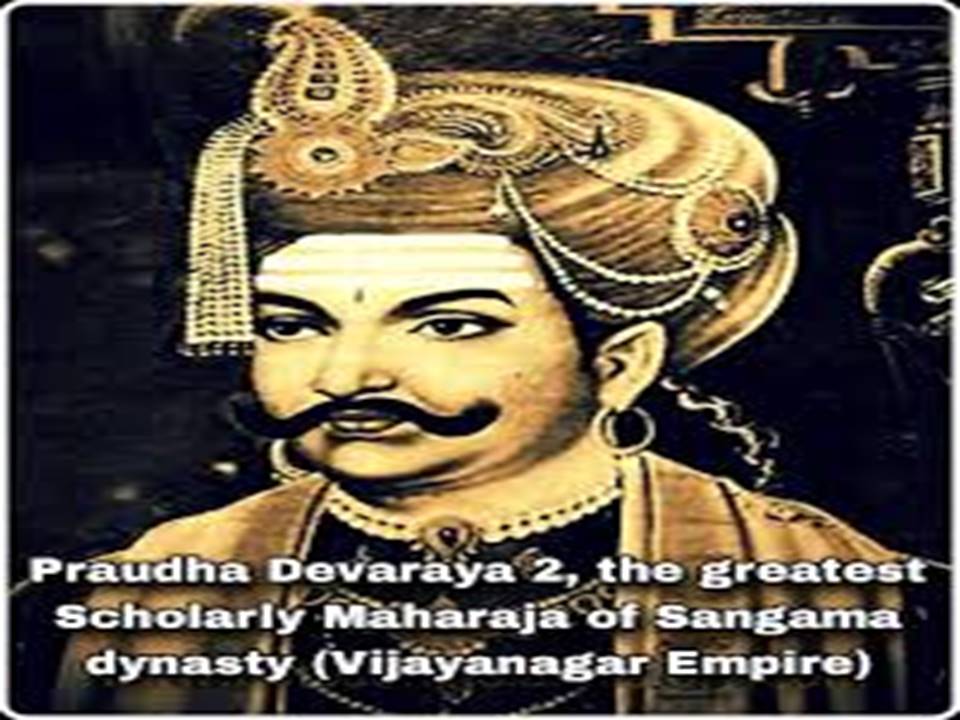
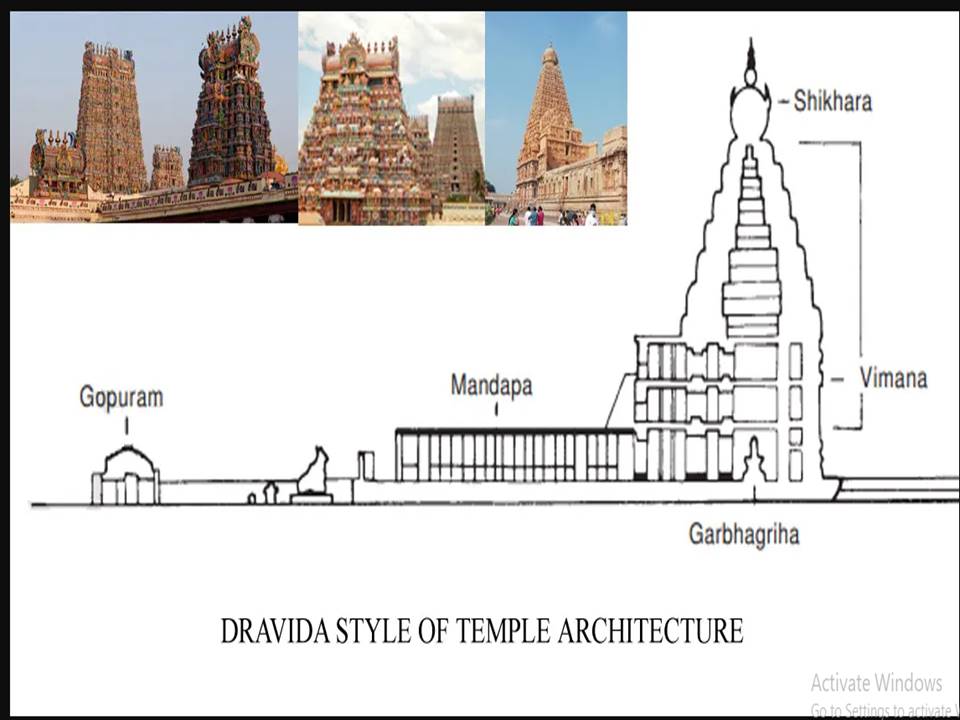
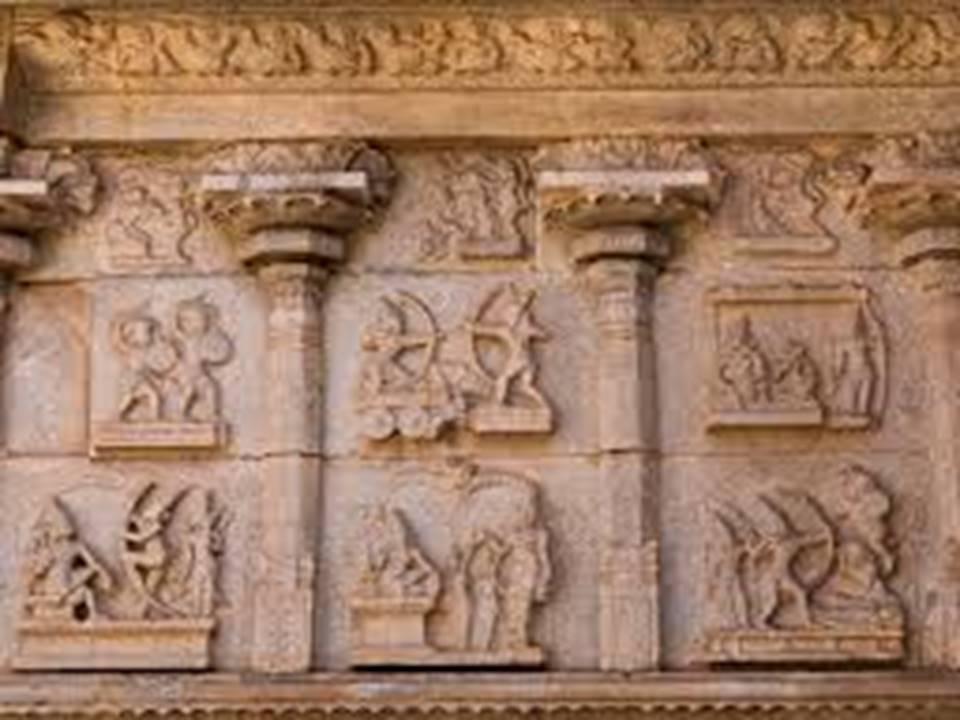
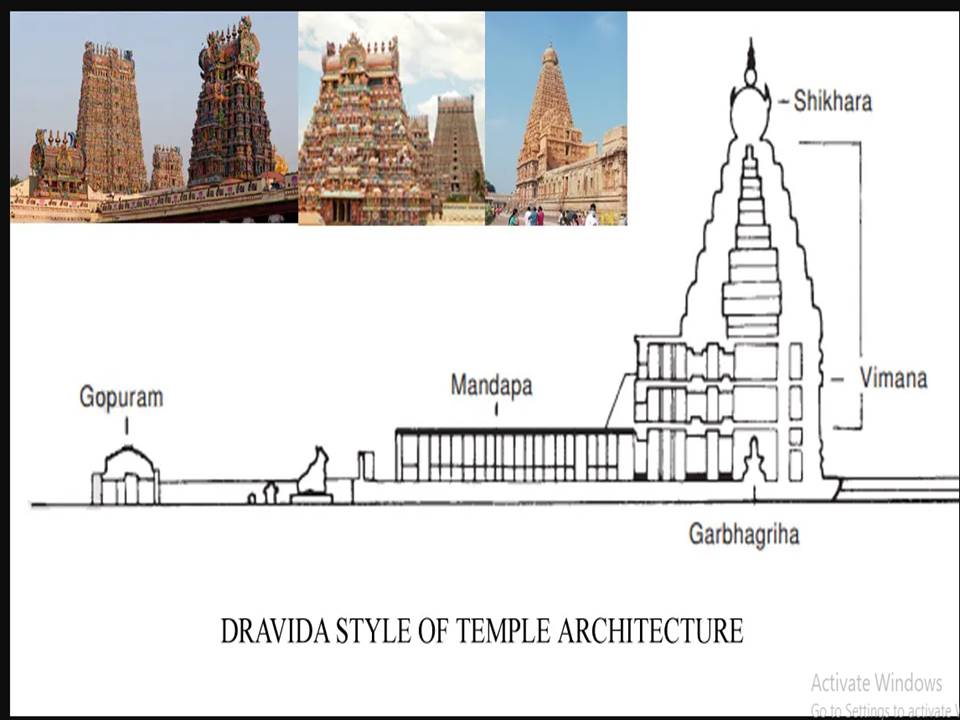
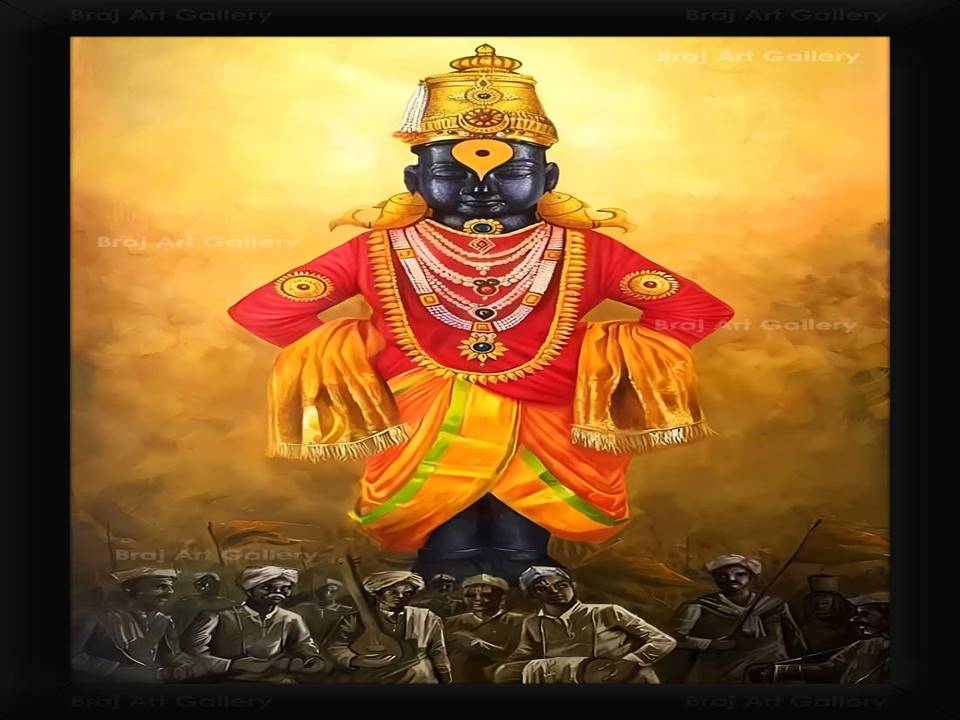
The VijayaVittala Temple is a magnificent temple complex located in Hampi, Karnataka, India, and is one of the most famous and iconic monuments of the Vijayanagara Empire. Here’s an explanation of the temple’s significance, architecture, and features.The temple is dedicated to Vittala, a form of Lord Vishnu, and is considered one of the most sacred temples in the Vijayanagara Empire.The temple was built as a royal temple, and its construction was commissioned by Devaraya II, the king of the VijayanagaraEmpire.TheVijayaVittala Temple is a cultural icon of the Vijayanagara Empire and represents the empire’s rich cultural heritage.The temple is built in the Dravidian style of architecture, which is characterized by the use of granite and schist stones.The temple complex consists of several mandapas (halls) and towers, including the famous Mahadwara (main entrance) and the RangaMandapa.The temple is adorned with intricate carvings and sculptures, including depictions of gods, goddesses, and mythological creatures.

The temple is famous for its musical pillars, which produce musical notes when struck.The temple complex features a stone chariot, which is a symbol of Lord Vittala’s vehicle.The temple has a beautiful KalyanaMandapa (marriage hall), which is adorned with intricate carvings and sculptures.The temple complex has a pushkarni (sacred tank), which is believed to have healing properties.TheVijayaVittala Temple is a UNESCO World Heritage Site and is protected by the Archaeological Survey of India (ASI).The temple is a major tourist attraction in Hampi and attracts millions of visitors every year.The VijayaVittala Temple is a testament to the rich cultural heritage of the Vijayanagara Empire and is a must-visit destination for anyone interested in history, architecture, and culture.

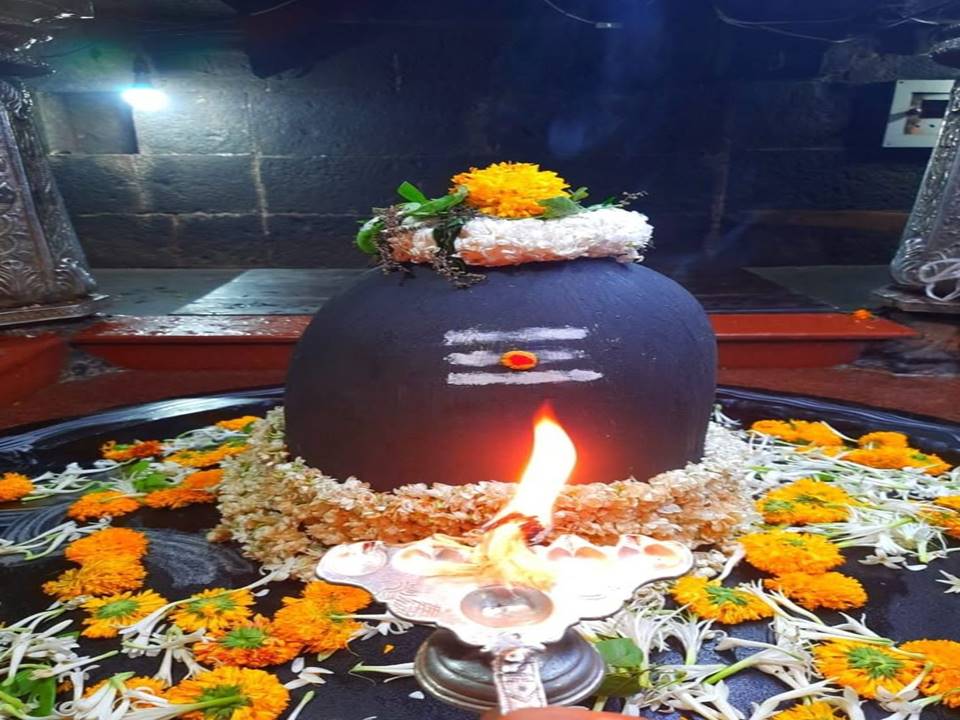
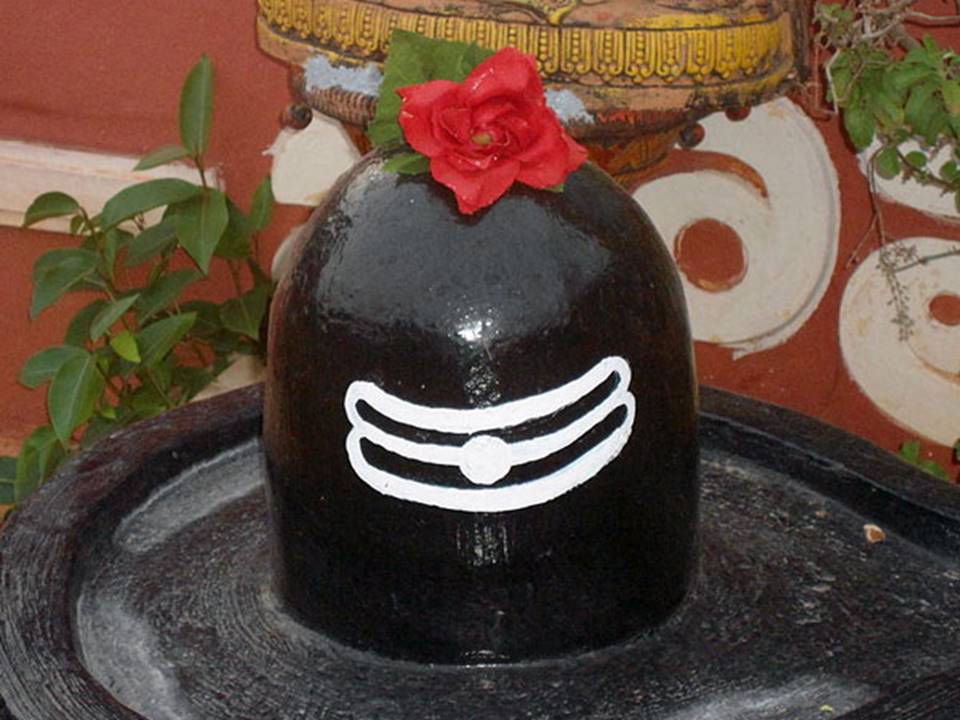
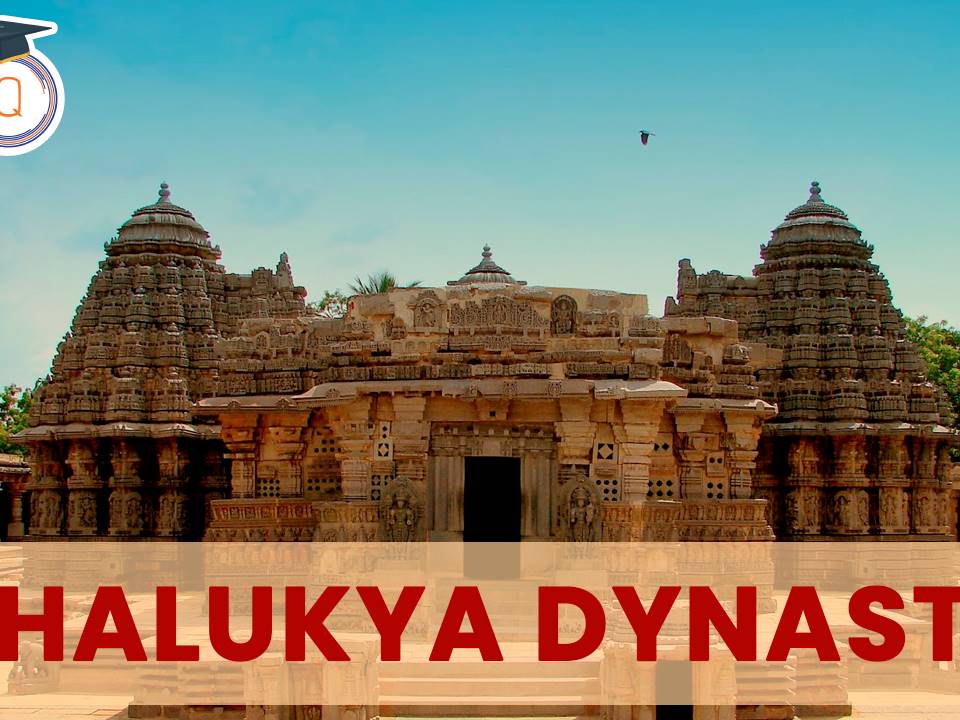
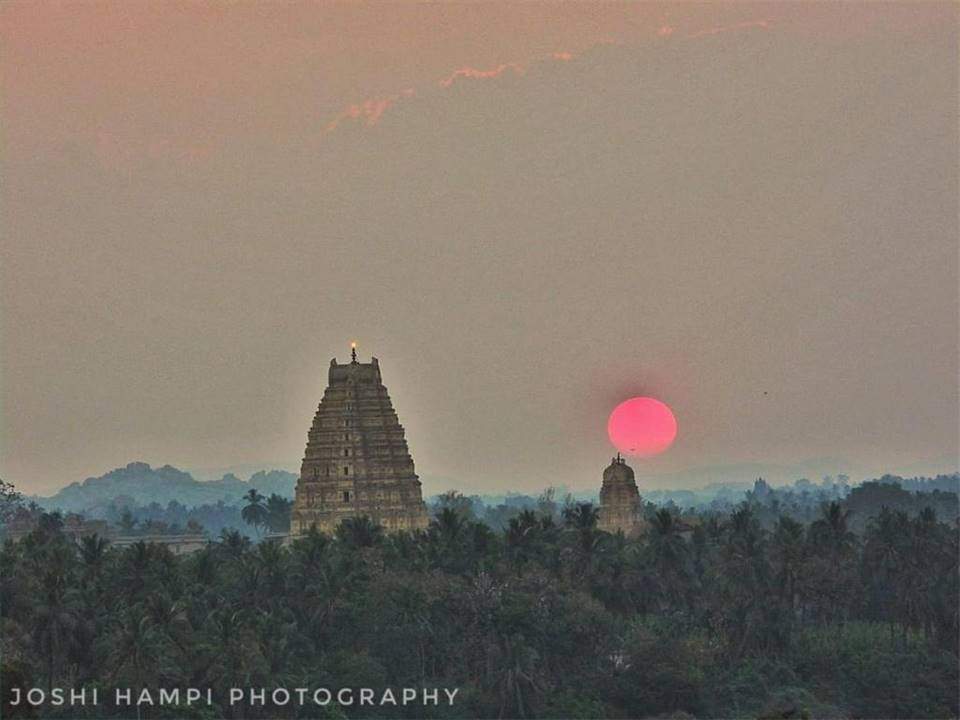
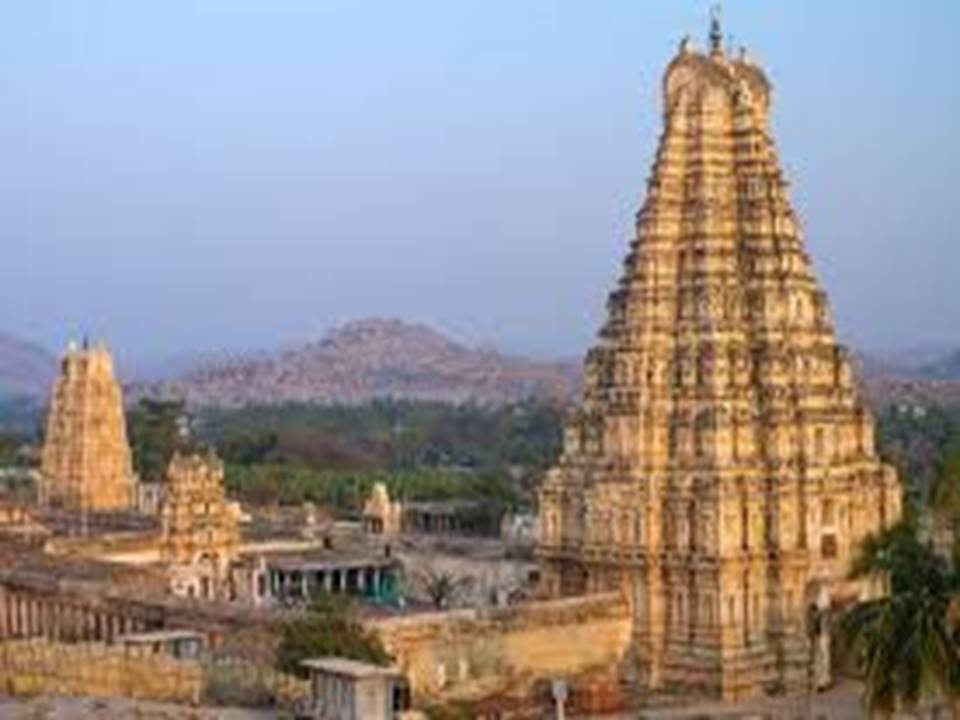
The Virupaksha Temple is a UNESCO World Heritage Site located in Hampi, Karnataka, India. It is one of the most famous and iconic temples in India, and it is dedicated to Lord Shiva. Here’s an explanation of the temple’s history, architecture, and significance. The Virupaksha Temple was built in the 7th century by the Chalukya dynasty. The temple was expanded and renovated by the Vijayanagara Empire in the 14th century.The temple is dedicated to Lord Shiva, who is worshipped here as Virupaksha.The temple is built in the Dravidian style of architecture, which is characterized by the use of granite and schist stones.The temple complex has several gopurams (gateways) and mandapas (halls), including the famous Raya Gopuram.The temple is adorned with intricate carvings and sculptures, including depictions of gods, goddesses, and mythological creatures.The Virupaksha Temple is a UNESCO World Heritage Site, recognized for its cultural and historical significance. The temple is an important pilgrimage site for Hindus, who come here to worship Lord Shiva.The temple is considered an architectural marvel, with its intricate carvings, sculptures, and Dravidian-style architecture.Sunlight phenomenon. During the winter solstice, the sun’s rays enter the temple and illuminate the deity. The temple has several inscriptions, including those of the Vijayanagara Empire, which provide valuable information about the temple’s history and significance.

Dasara festival

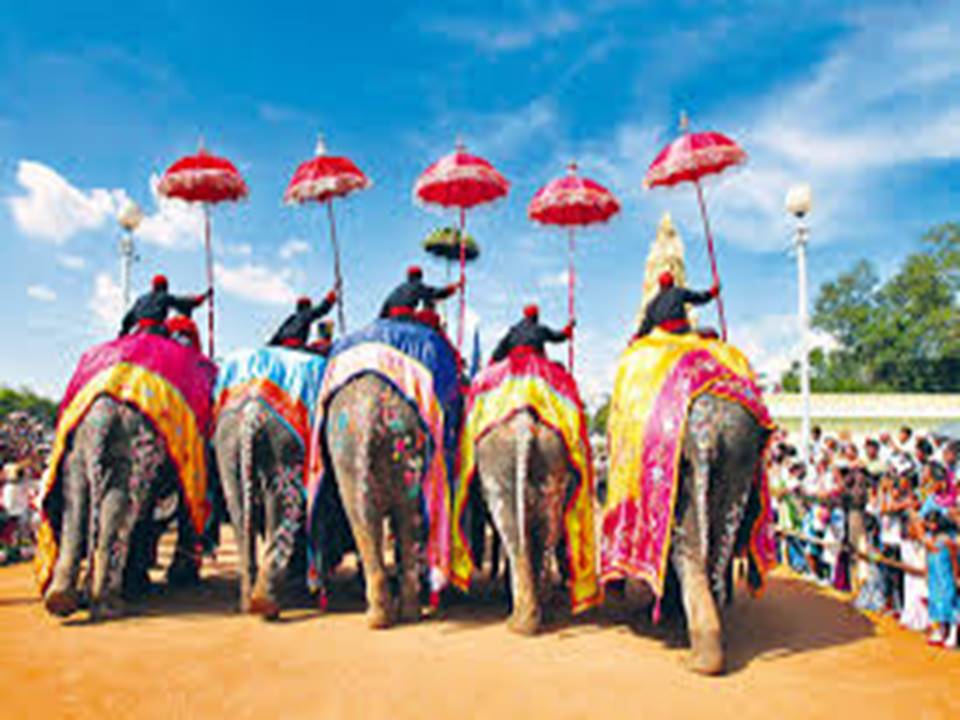
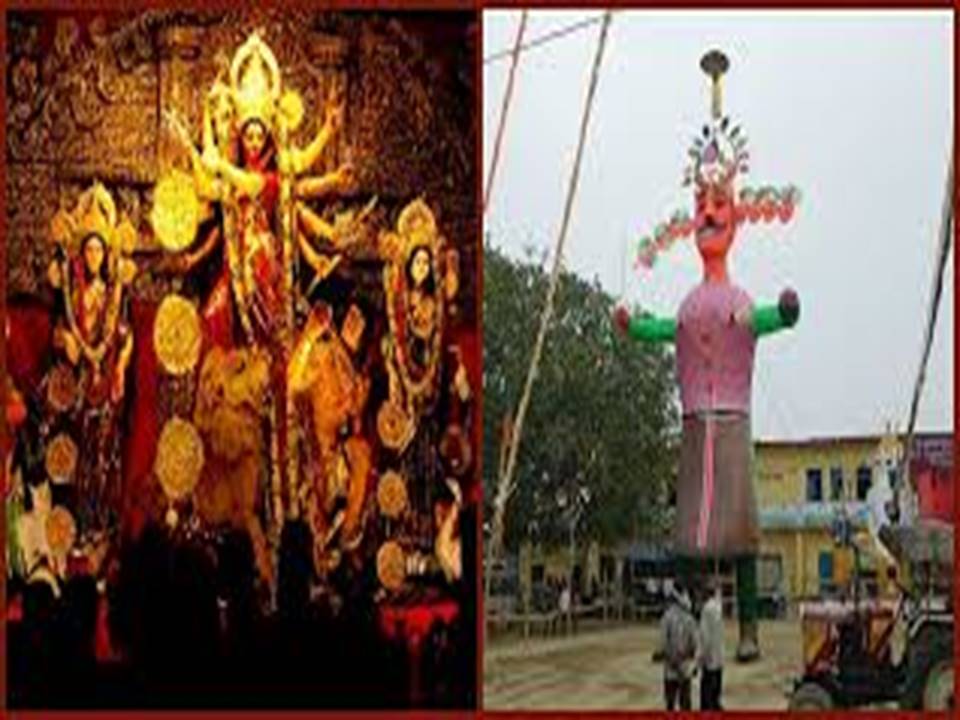
The Dasara festival is a significant celebration in India, and during the Vijayanagara Empire, it was celebrated with great pomp and grandeur. Here’s an explanation of the Dasara festival and the MahanavamiDibba constructed by Krishnadevaraya.TheDasara festival is celebrated to commemorate the victory of good over evil, as symbolized by the goddess Durga’s triumph over the buffalo-demon Mahishasura.The festival is celebrated over nine nights, with each night dedicated to a different aspect of the goddess Durga.The tenth day, known as Vijayadashami, marks the culmination of the festival and is celebrated as a day of victory. The MahanavamiDibba is a raised platform constructed by Krishnadevaraya, the third ruler of the Tuluva dynasty of the VijayanagaraEmpire.The platform is located in the Royal Enclosure of Hampi, the capital city of the VijayanagaraEmpire.TheMahanavamiDibba was the venue for the Dasara festival celebrations during the VijayanagaraEmpire.The platform was used for various ceremonies and rituals, including the worship of the goddess Durga, the display of royal pomp and grandeur, and the celebration of military victoriesTheDasara festival and the MahanavamiDibba represent the rich cultural heritage of the Vijayanagara Empire and the region of Karnataka.The platform and the festival celebrations provide valuable insights into the history of the Vijayanagara Empire and its rulers.TheMahanavamiDibba is an excellent example of the architectural style of the Vijayanagara Empire, showcasing the use of granite and schist stones in construction.The Persian ambassador Abdul Razak, recorded that during this festival, kings from distant places and provincial leaders used to assemble as per the orders of the emperors. Kamal Mahal, Elephant stable, Queen’s bath are wonderful examples of Indo-Muslim architectural style.

Music and dance

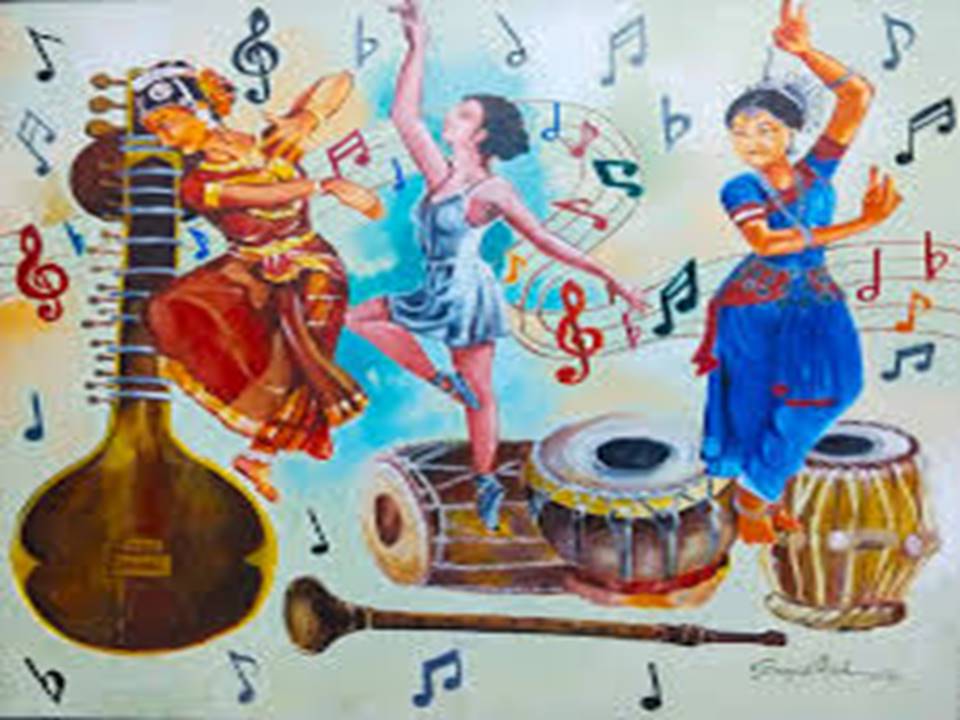
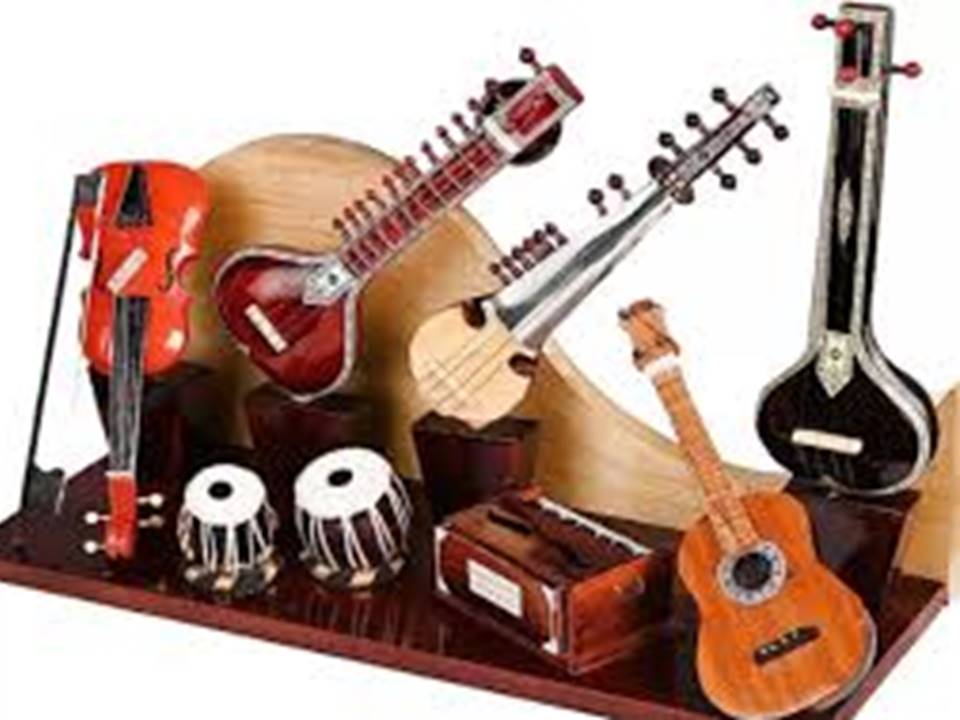
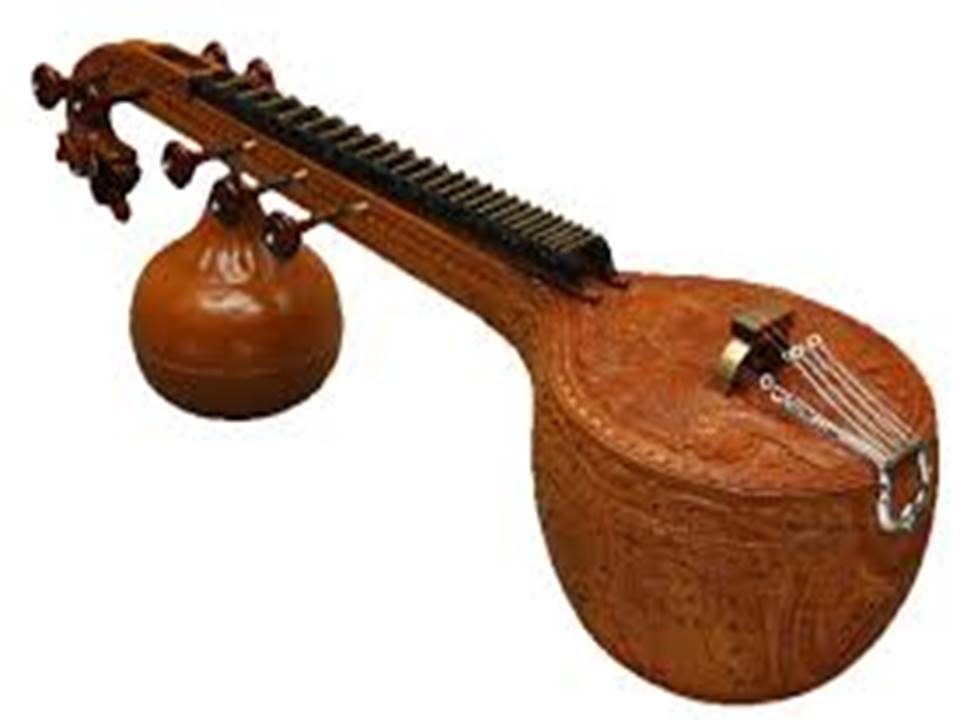
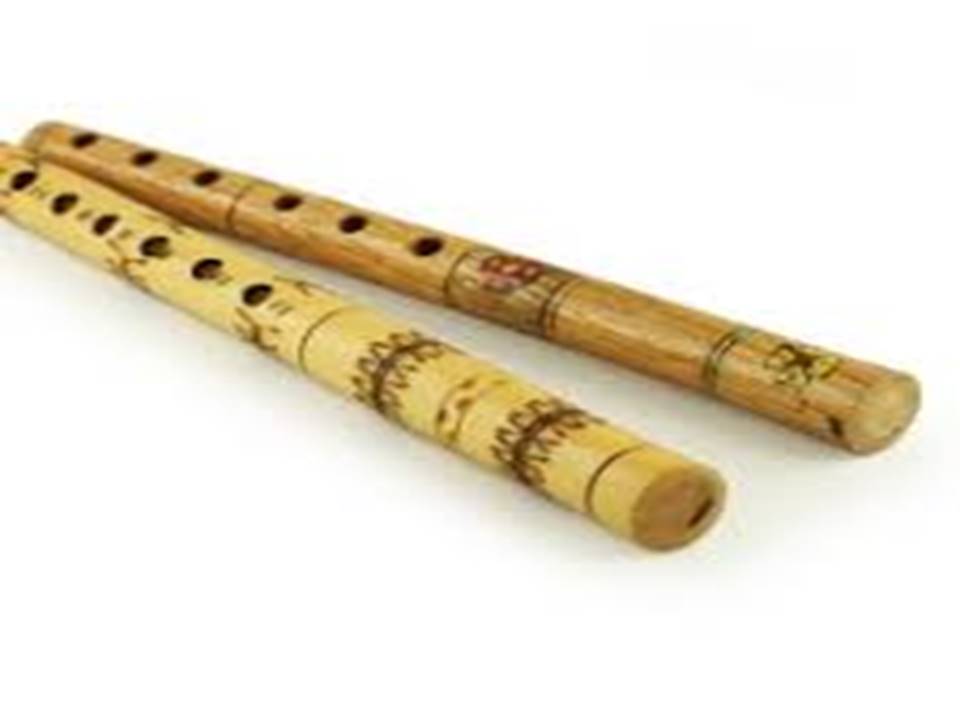
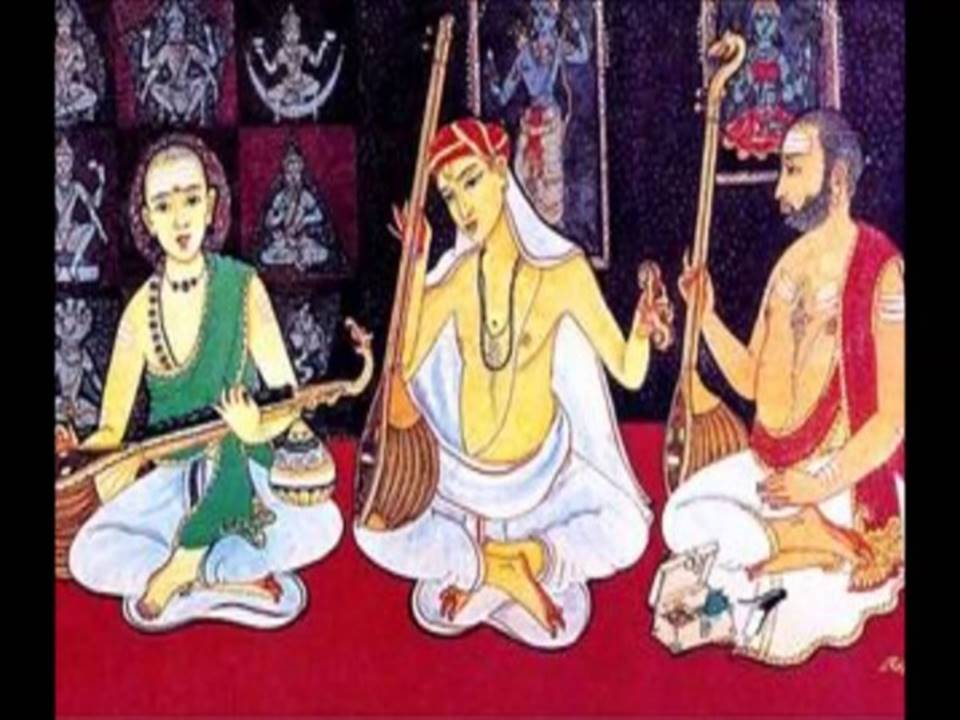
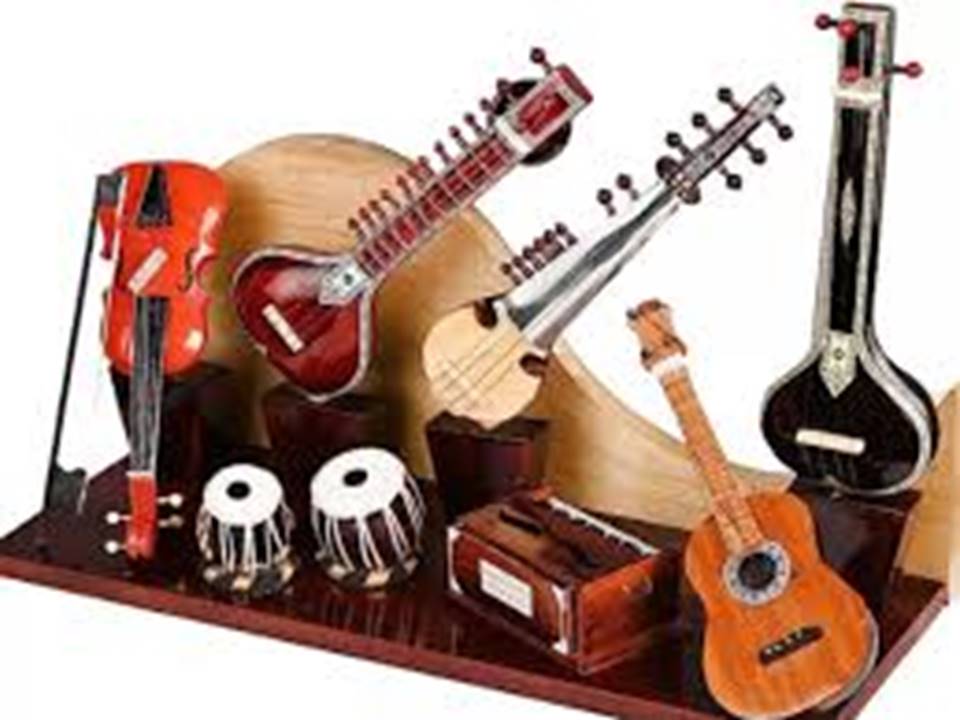
Music and dance played a significant role in the Vijayanagara Empire, which flourished in southern India from the 14th to the 16th century. Here’s an explanation of the music and dance traditions of the Vijayanagara Empire. The Vijayanagara Empire was a hub for Carnatic music, a classical music tradition of southern India. The empire’s rulers patronized many famous musicians and composers.Various instruments, such as the veena, flute, and drums, were used in the music traditions of the Vijayanagara Empire.Many musical compositions, including kritis and keertanas, were created during this period. These compositions were often dedicated to the gods and goddesses of the Hindu pantheon.

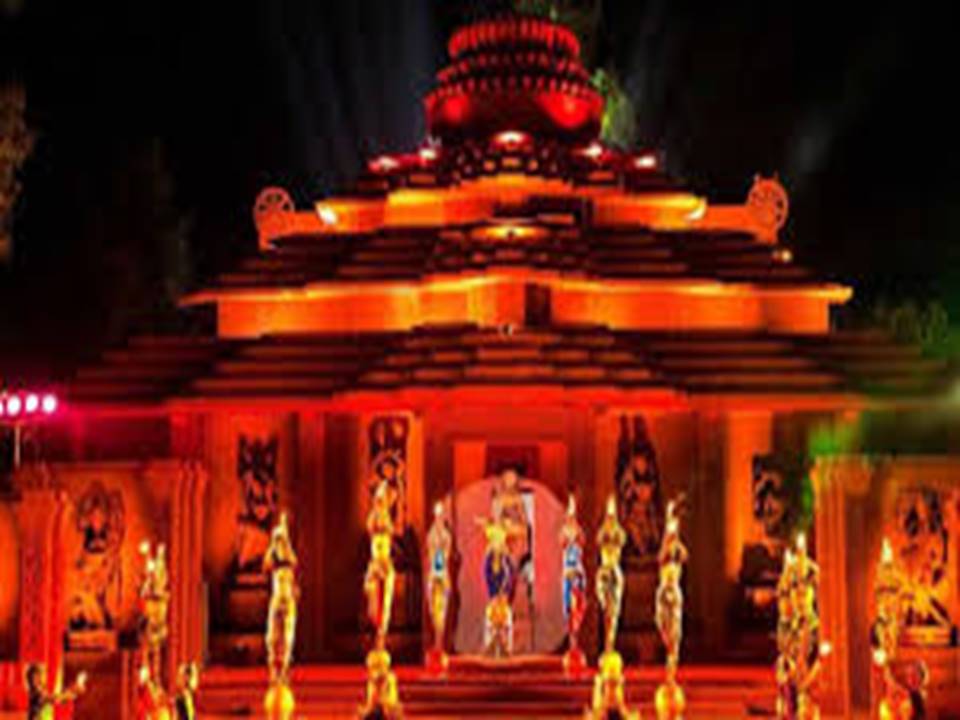
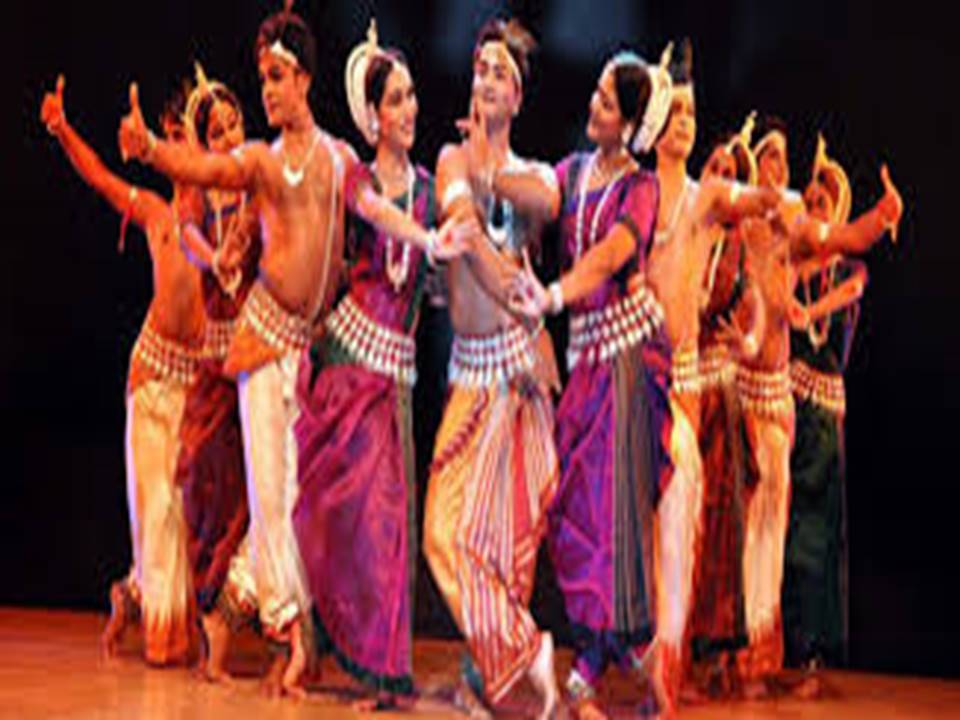
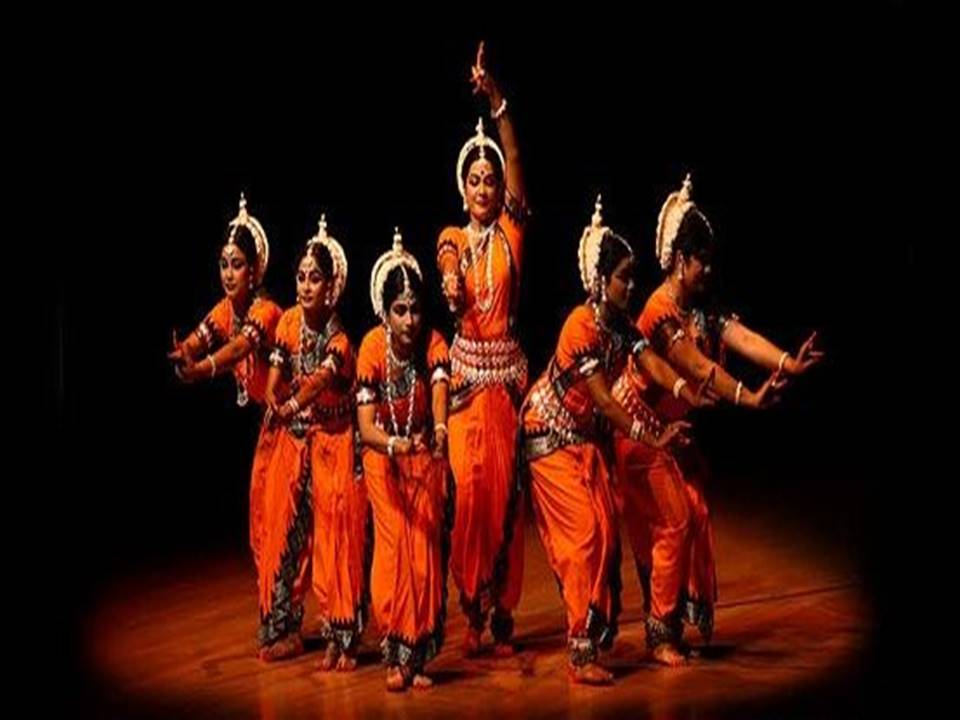
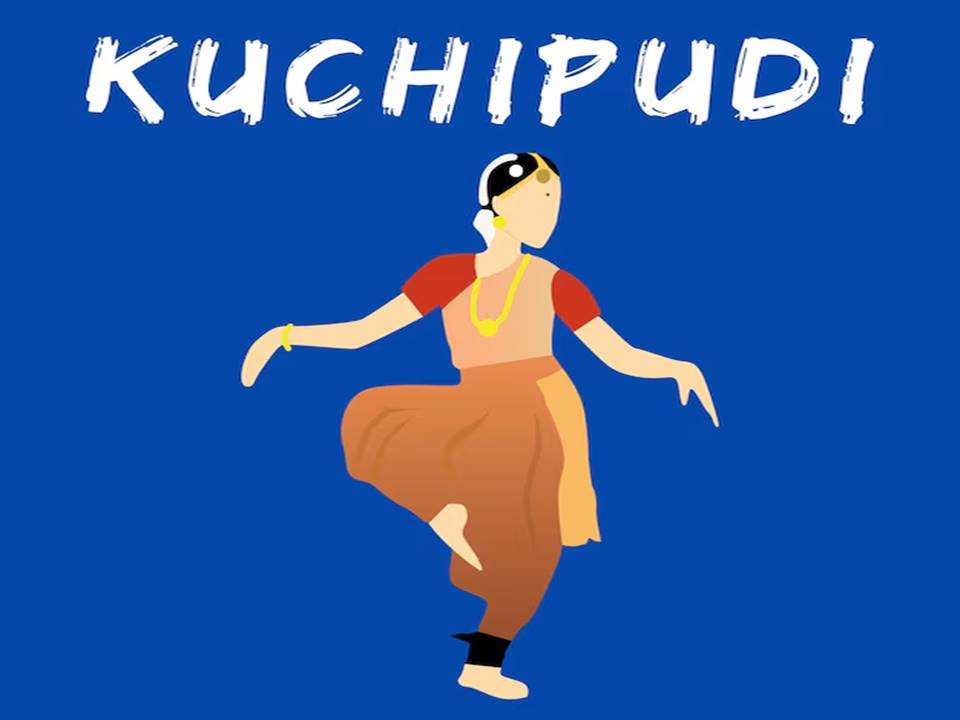
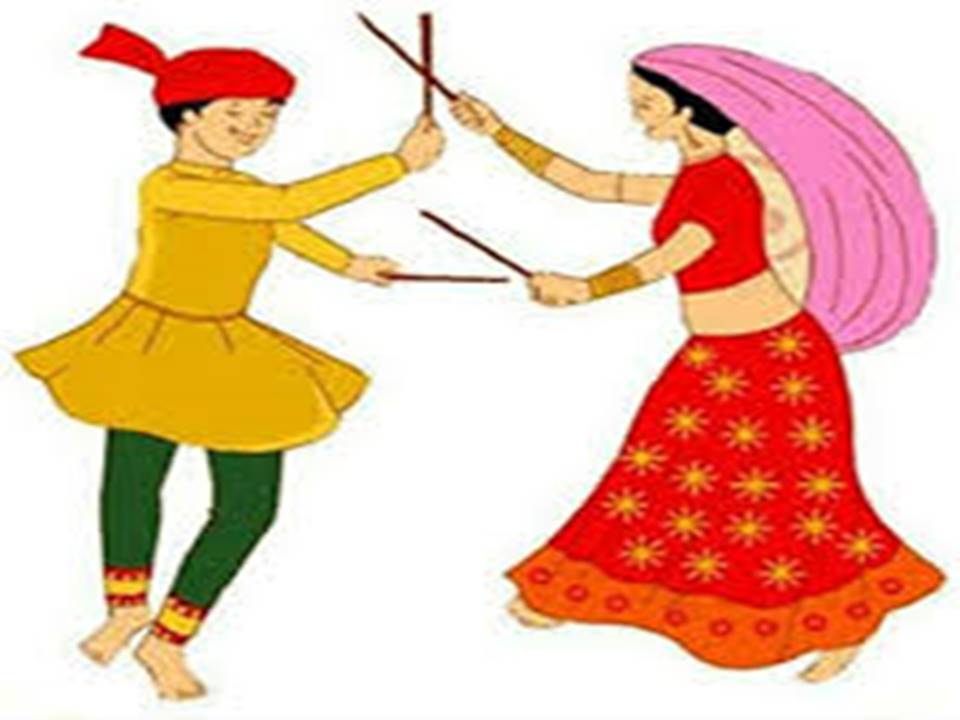
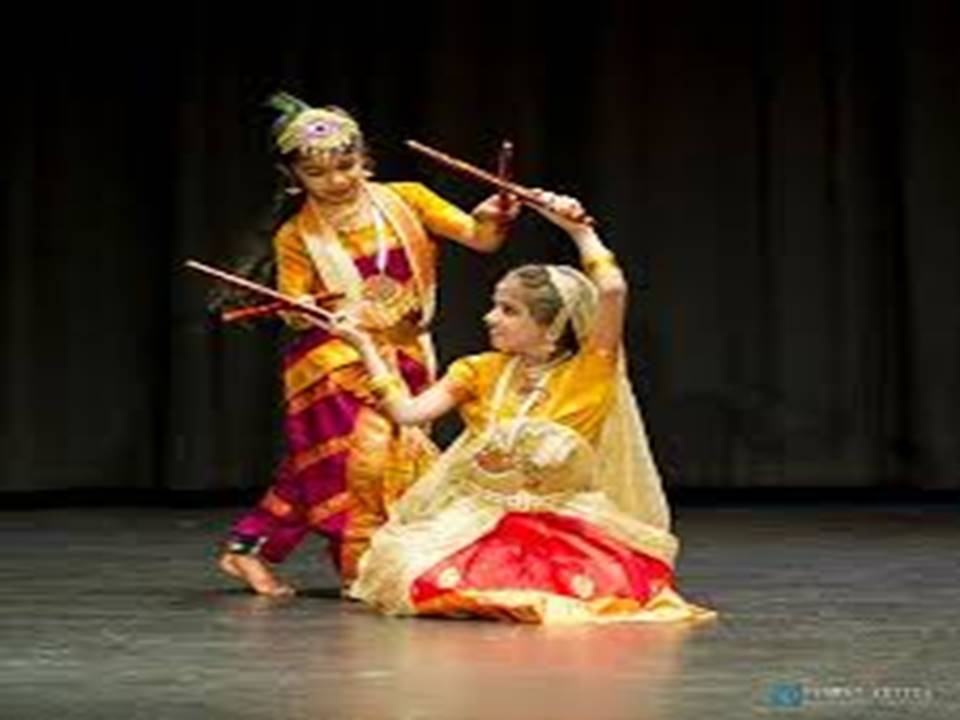
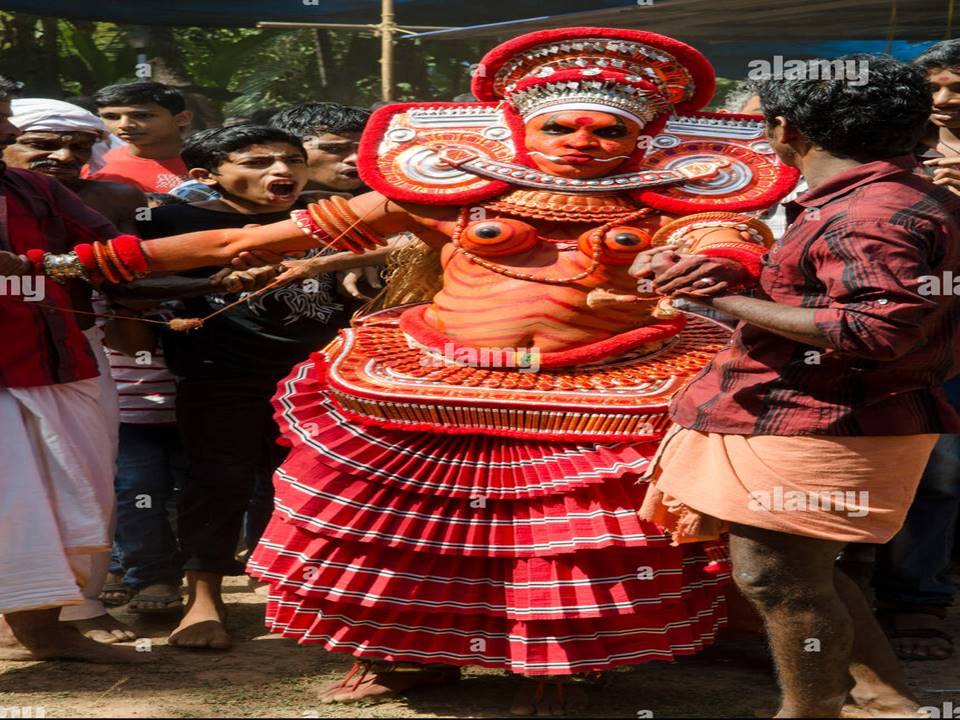
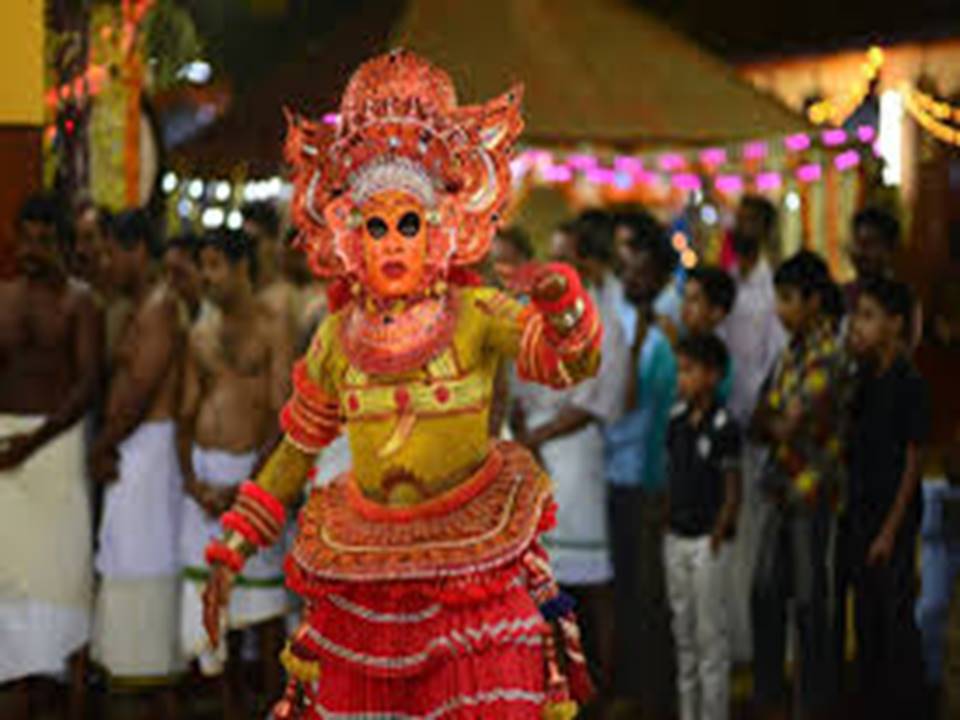
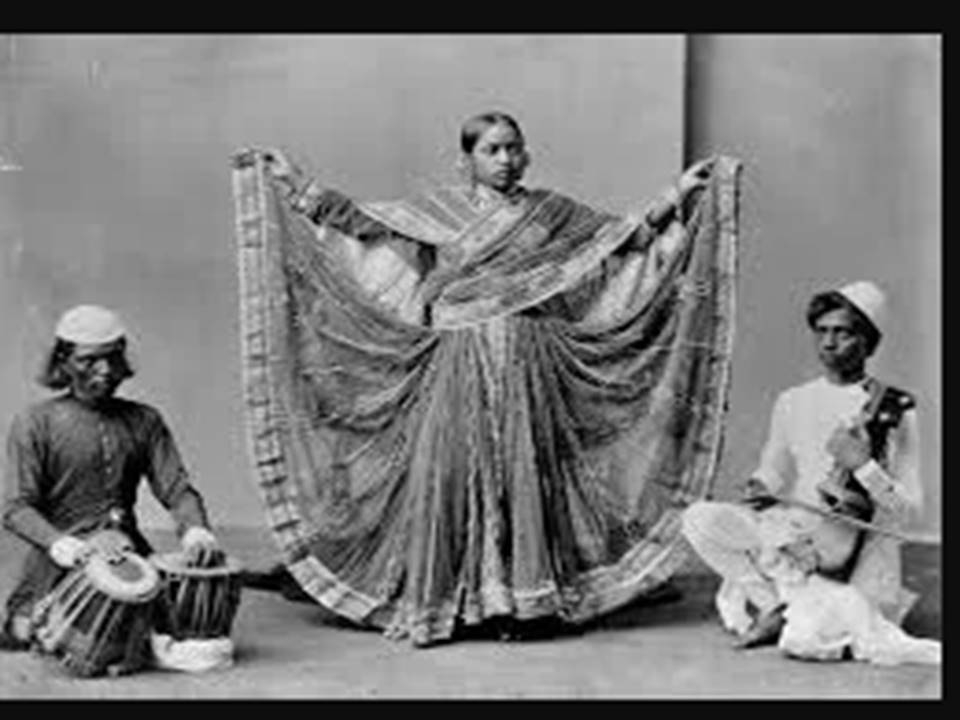
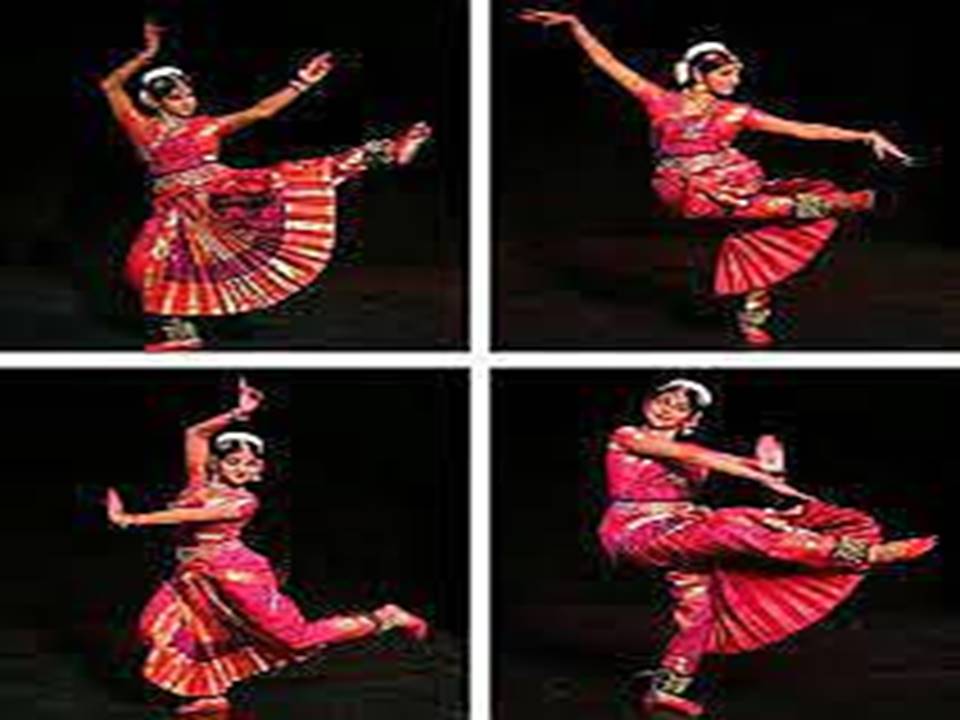
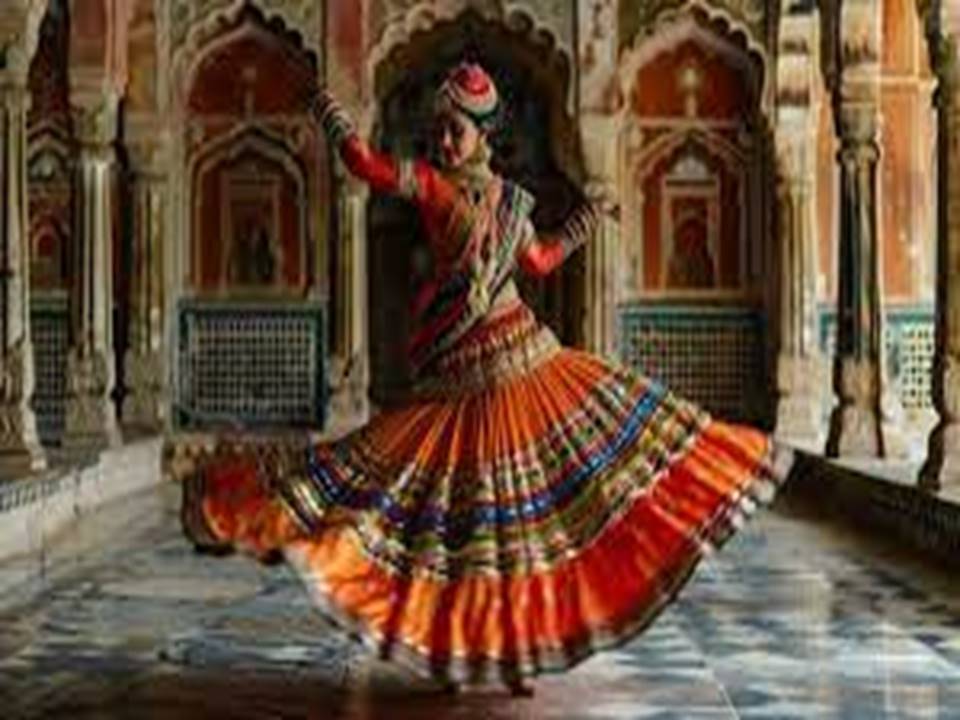
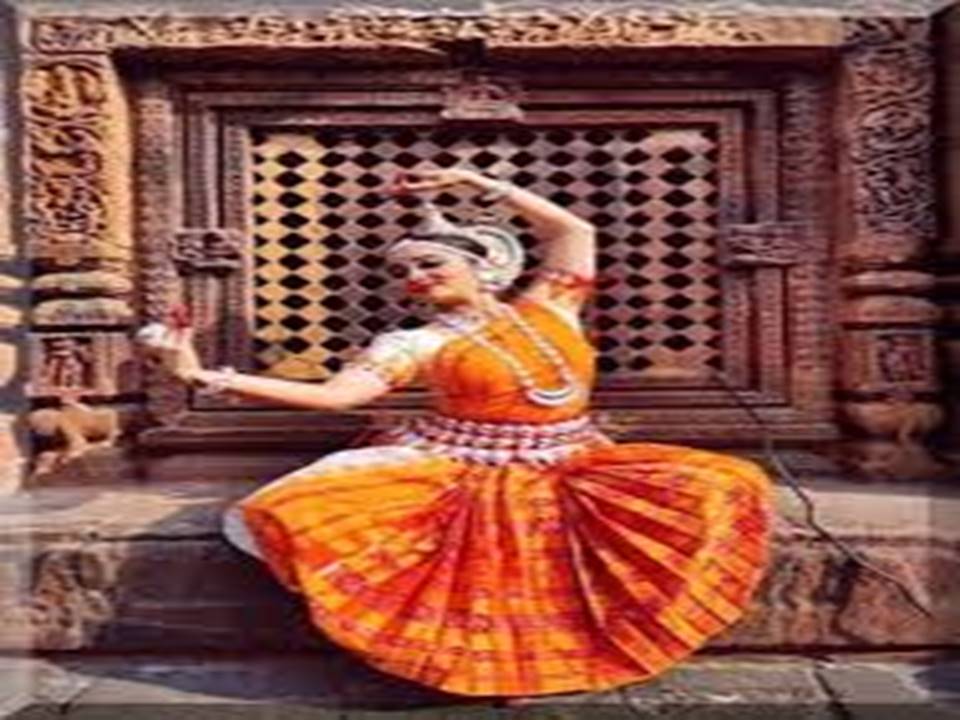
Bharatanatyam, a classical dance form of southern India, was a popular dance tradition during the Vijayanagara Empire. The dance form was often performed in temples and royal courts.Kuchipudi, another classical dance form of southern India, also originated during this period. The dance form was known for its graceful movements and expressive gestures.Various folk dances, such as the Kolata and the Bhootha dances, were also performed during the Vijayanagara Empire. These dances were often performed during festivals and celebrations.

The rulers of the Vijayanagara Empire were great patrons of music and dance. They supported many musicians and dancers, providing them with financial support and royal patronage.Many temples during the Vijayanagara Empire also supported music and dance traditions. The temples provided a platform for musicians and dancers to perform, and many musicians and dancers were employed by the temples. The music and dance traditions of the Vijayanagara Empire had a significant influence on the development of Indian classical music and dance.TheVijayanagara Empire’s patronage of music and dance helped preserve traditional arts and cultural heritage.Many of the music and dance traditions of the Vijayanagara Empire continue to be performed today, ensuring the legacy of this rich cultural heritage.

Saint Purandaradasa

Saint Purandaradasa and Kanakadasa were two influential saints and philosophers of the Vijayanagara Empire, which flourished in southern India from the 14th to the 16th century. Here’s an explanation of their lives, contributions, and significance:

Saint  Purandaradasa (1484-1564) was a renowned saint, philosopher, and musician of the Vijayanagara Empire. He was born in Karnataka, India, and was a devotee of Lord Vitthala (a form of Lord Vishnu).Purandaradasa  is considered one of the founders of Carnatic music, a classical music tradition of southern India. He composed numerous songs and kritis (musical compositions) that are still performed today.Purandaradasa’s teachings emphasized the importance of devotion, self-realization, and the pursuit of spiritual knowledge. He advocated for the unity of all beings and the importance of living a simple, virtuous life. Purandaradasa’s contributions to Carnatic music, philosophy, and spirituality have had a profound impact on Indian culture and society. He is revered as a saint and a cultural icon in Karnataka and throughout India.

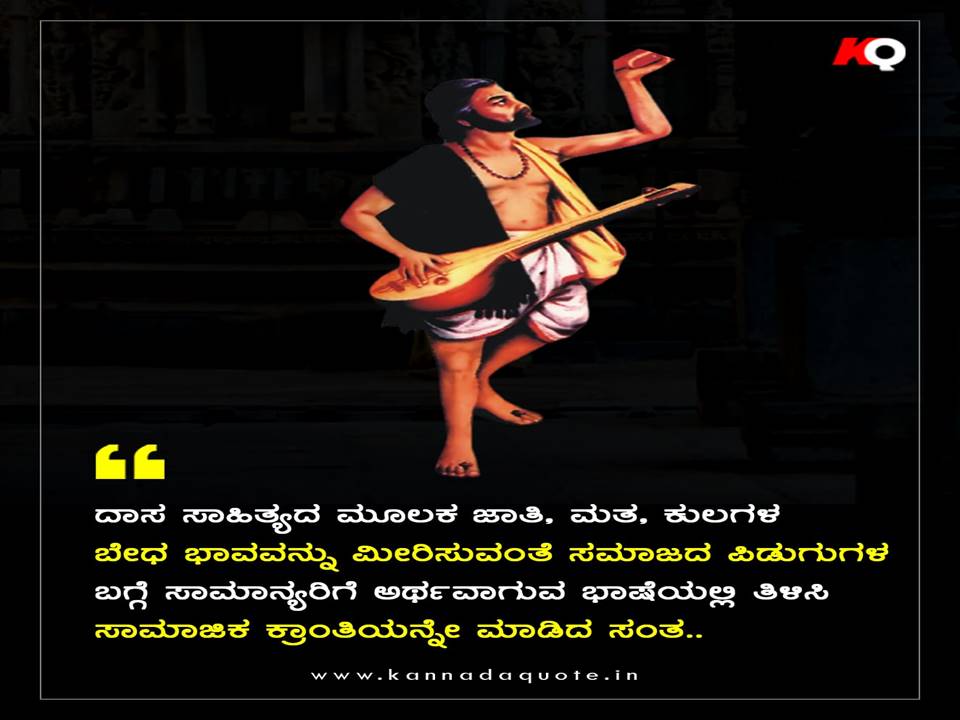
SaintKanakadasa (1509-1609)

SaintKanakadasa (1509-1609) was a saint, philosopher, and poet of the Vijayanagara Empire. He was born in Karnataka, India, and was a devotee of Lord Krishna.Kanakadasa is credited with numerous poems, songs, and literary works in Kannada, the language of Karnataka. His writings emphasized the importance of devotion, self-realization, and social justice. Kanakadasa advocated for social reform and criticized the caste system and other social injustices. He worked to promote equality and social harmony.
Kanakadasa’s contributions to literature, philosophy, and social reform have had a lasting impact on Indian society and culture. He is revered as a saint and a champion of social justice in Karnataka and throughout India.BothPurandaradasa and Kanakadasa emphasized the importance of harmony and synthesis between different cultures, castes, and communities.Both saints emphasized the importance of devotion and spirituality in everyday life, advocating for a deep connection with the divine. Both Purandaradasa and Kanakadasa are revered as cultural icons in Karnataka and throughout India, symbolizing the rich cultural heritage of the Vijayanagara Empire.